Department of Biology, Indiana University, Bloomington, IN, 47405, USA.
Center for the Integrative Study of Animal Behavior, Indiana University, Bloomington, IN, 47405, USA.
BMC Genomics. 2019 Nov 7;20(1):819. doi: 10.1186/s12864-019-6202-3.
The brain plays a critical role in upstream regulation of processes central to mating effort, parental effort, and self-maintenance. For seasonally breeding animals, the brain is likely mediating trade-offs among these processes within a short breeding season, yet research thus far has only explored neurogenomic changes from non-breeding to breeding states or select pathways (e.g., steroids) in male and/or lab-reared animals. Here, we use RNA-seq to explore neural plasticity in three behaviorally relevant neural tissues (ventromedial telencephalon [VmT], hypothalamus [HYPO], and hindbrain [HB]), comparing free-living female tree swallows (Tachycineta bicolor) as they shift from territory establishment to incubation. We additionally highlight changes in aggression-related genes to explore the potential for a neurogenomic shift in the mechanisms regulating aggression, a critical behavior both in establishing and maintaining a territory and in defense of offspring.
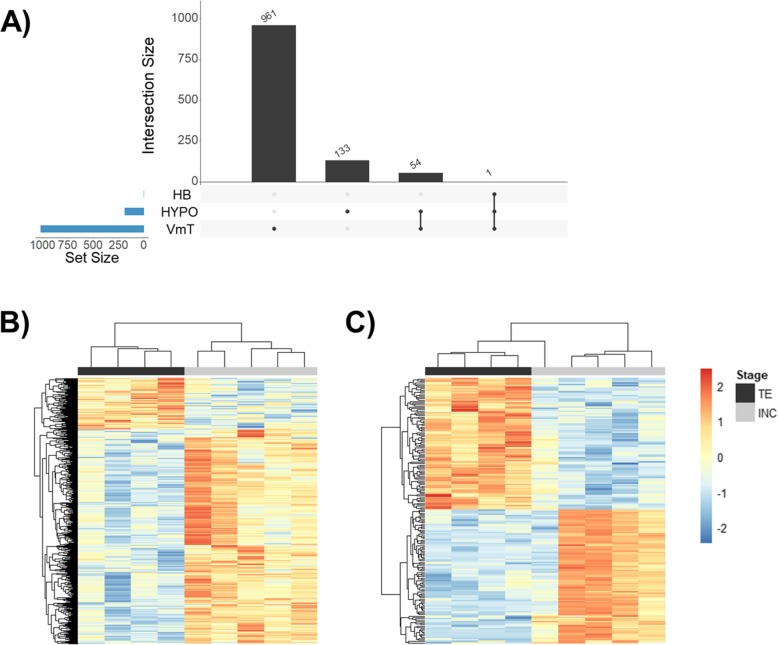
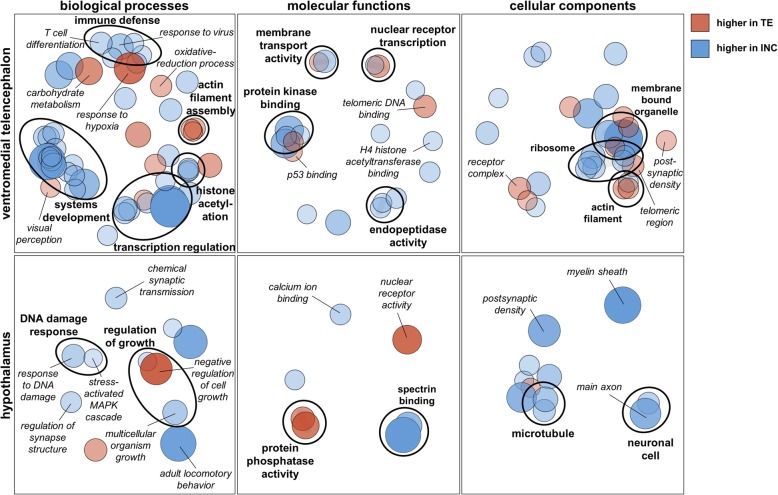
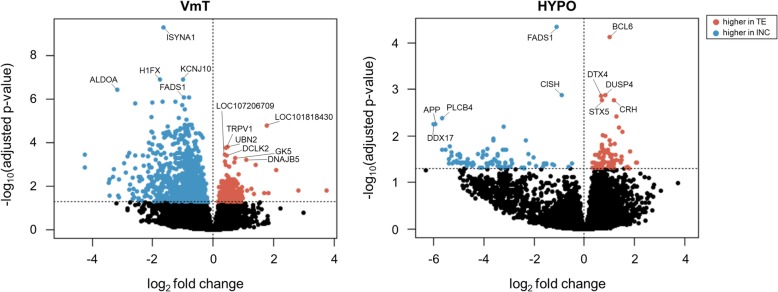
HB had few differentially expressed genes, but VmT and HYPO had hundreds. In particular, VmT had higher expression of genes related to neuroplasticity and processes beneficial for competition during territory establishment, but down-regulated immune processes. HYPO showed signs of high neuroplasticity during incubation, and a decreased potential for glucocorticoid signaling. Expression of aggression-related genes also shifted from steroidal to non-steroidal pathways across the breeding season.
These patterns suggest trade-offs between enhanced activity and immunity in the VmT and between stress responsiveness and parental care in the HYPO, along with a potential shift in the mechanisms regulating aggression. Collectively, these data highlight important gene regulatory pathways that may underlie behavioral plasticity in females.
大脑在调节与交配努力、亲代努力和自我维持相关的过程中起着至关重要的作用。对于季节性繁殖的动物来说,大脑很可能在一个短暂的繁殖季节内调节这些过程之间的权衡,但迄今为止的研究仅探索了从非繁殖状态到繁殖状态的神经基因组变化,或者在雄性和/或实验室饲养的动物中选择了特定途径(例如类固醇)。在这里,我们使用 RNA-seq 来探索三个与行为相关的神经组织(腹侧端脑[VmT]、下丘脑[HYPO]和后脑[HB])中的神经可塑性,比较了自由生活的美洲知更鸟(Tachycineta bicolor)从建立领地到孵化的转变过程。我们还强调了与攻击性相关基因的变化,以探索调节攻击性的神经基因组变化的潜力,攻击性是建立和维持领地以及保护后代的关键行为。
HB 中差异表达的基因很少,但 VmT 和 HYPO 中有数百个。特别是,VmT 中与神经可塑性和在建立领地时竞争有益的过程相关的基因表达较高,但免疫过程下调。HYPO 在孵化期间表现出高度的神经可塑性,以及糖皮质激素信号的潜在降低。繁殖季节期间,与攻击性相关的基因表达也从类固醇途径转向非类固醇途径。
这些模式表明 VmT 中增强的活动和免疫之间存在权衡,HYPO 中应激反应性和亲代照顾之间存在权衡,以及调节攻击性的机制可能发生变化。总的来说,这些数据突出了可能是雌性行为可塑性的重要基因调控途径。