Department of Molecular and Cellular Biology, Harvard University, Cambridge, United States.
Department of Chemistry and Chemical Biology, Harvard University, Cambridge, United States.
Elife. 2019 Nov 14;8:e49787. doi: 10.7554/eLife.49787.
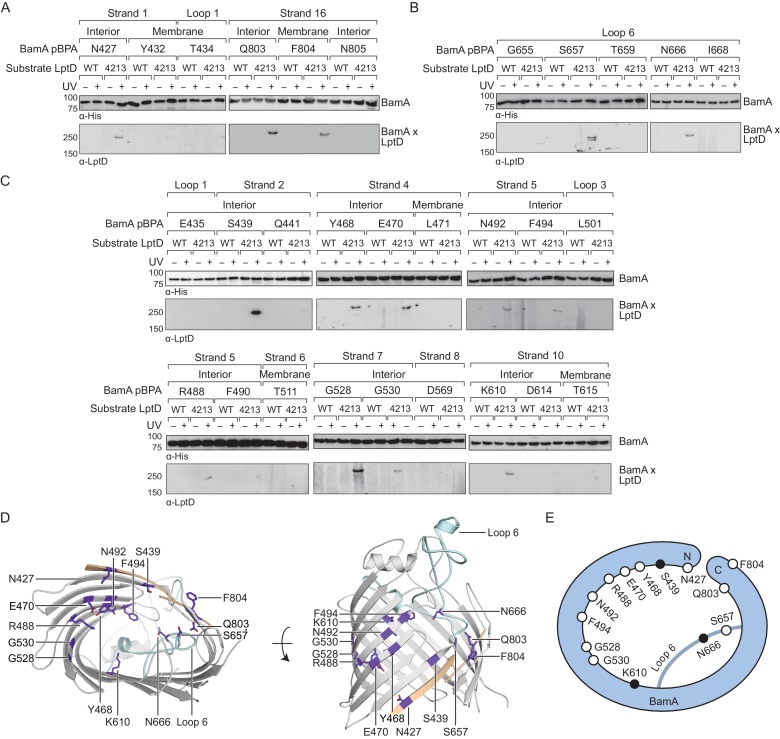
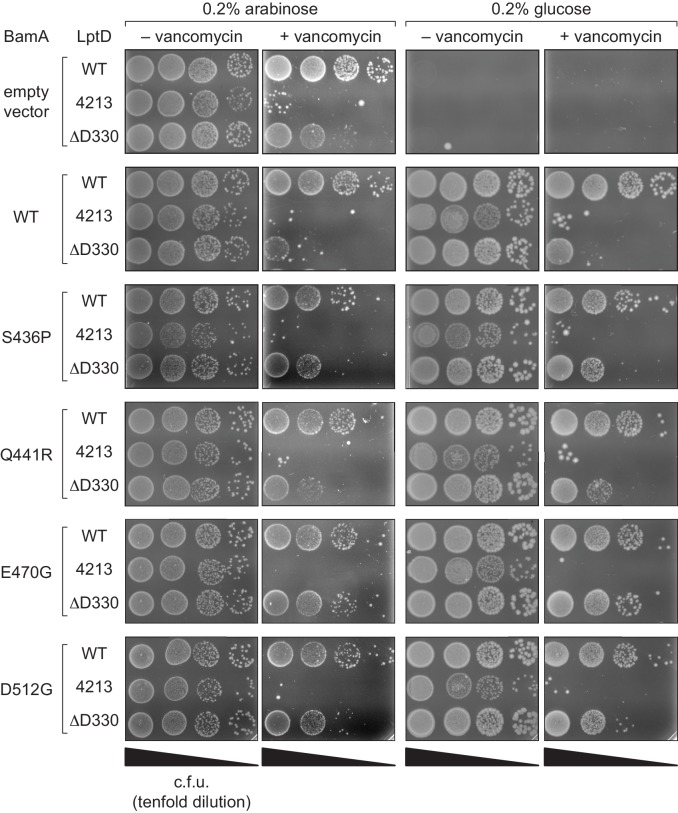
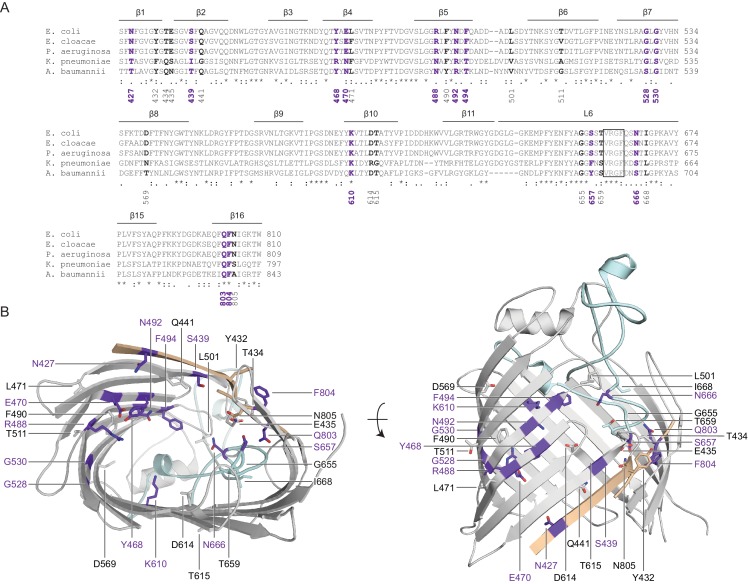
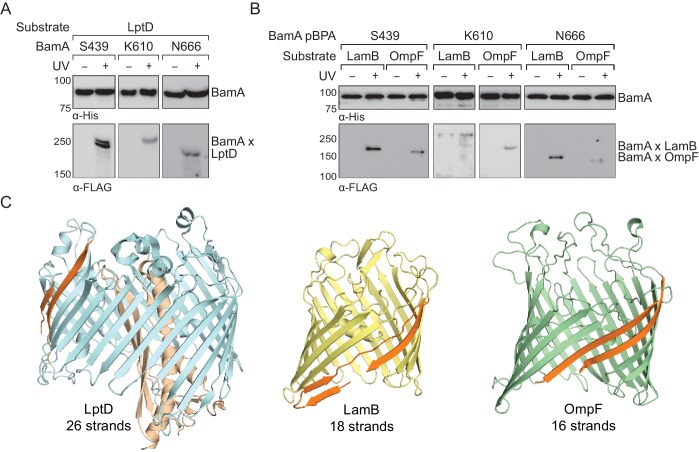
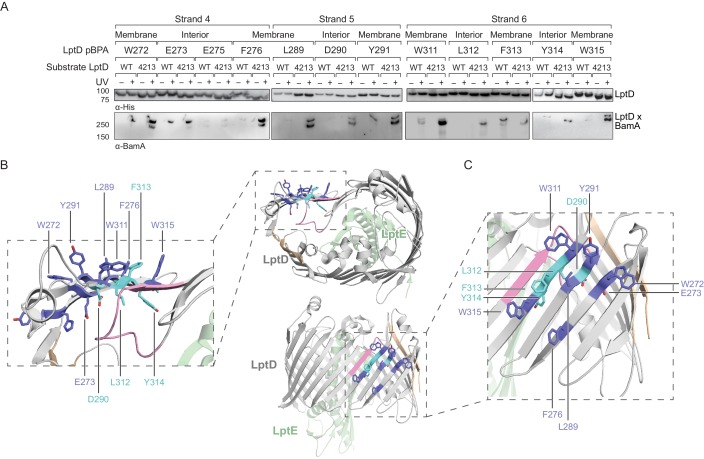
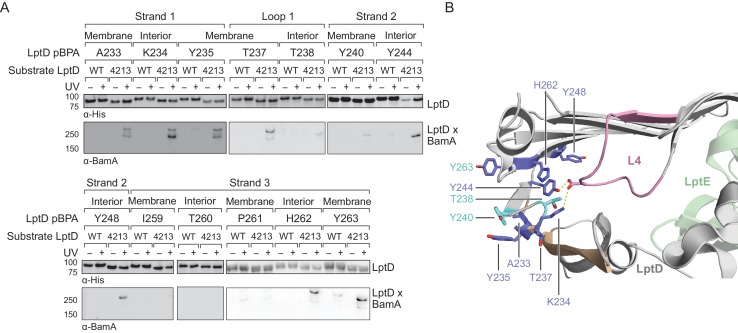
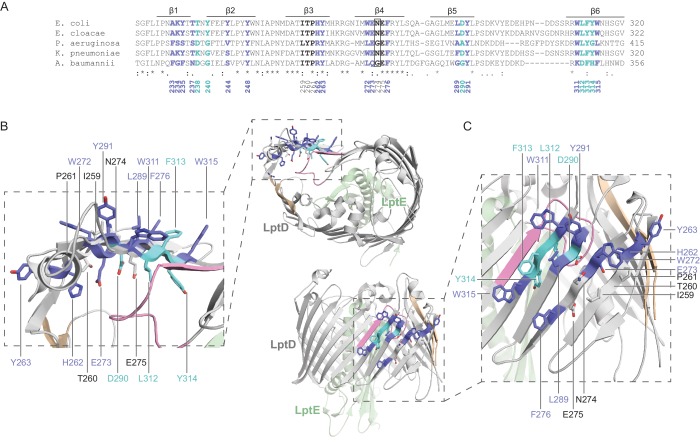
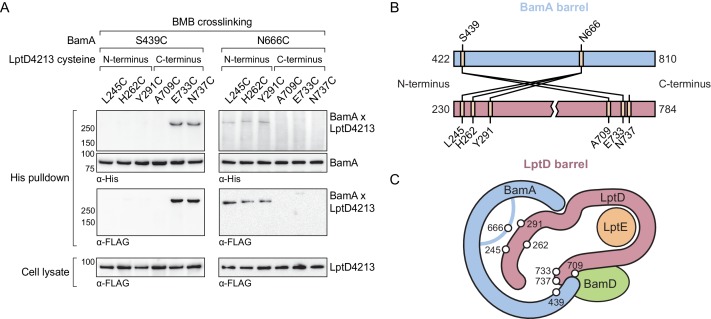
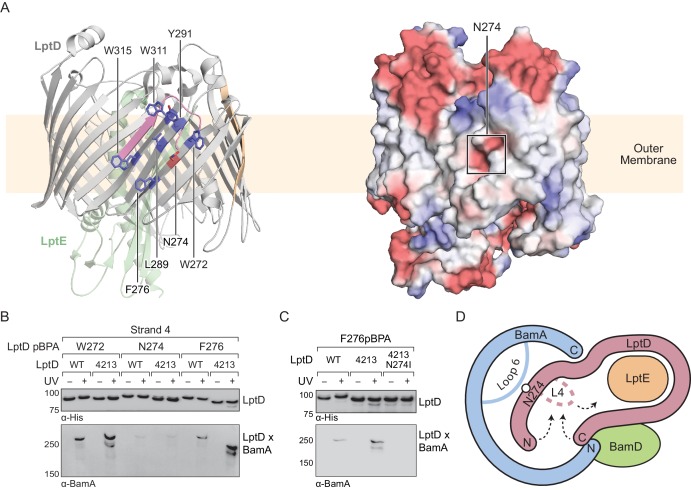
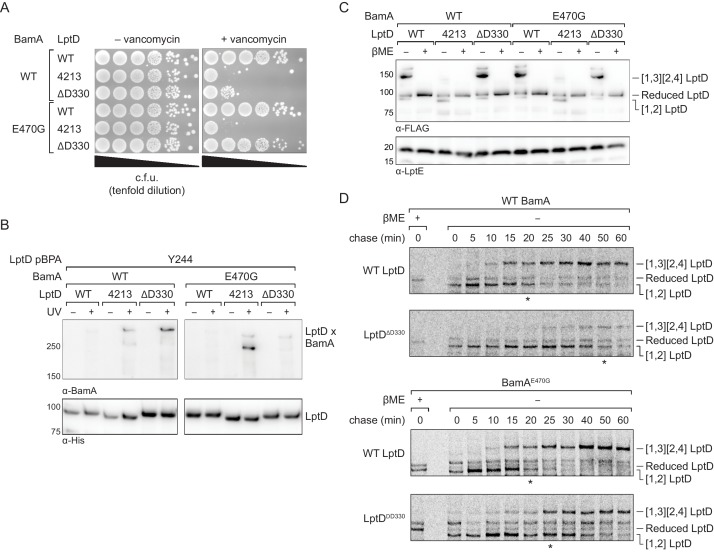
The β-barrel assembly machine (Bam) complex in Gram-negative bacteria and its counterparts in mitochondria and chloroplasts fold and insert outer membrane β-barrel proteins. BamA, an essential component of the complex, is itself a β-barrel and is proposed to play a central role in assembling other barrel substrates. Here, we map the path of substrate insertion by the Bam complex using site-specific crosslinking to understand the molecular mechanisms that control β-barrel folding and release. We find that the C-terminal strand of the substrate is stably held by BamA and that the N-terminal strands of the substrate are assembled inside the BamA β-barrel. Importantly, we identify contacts between the assembling β-sheet and the BamA interior surface that determine the rate of substrate folding. Our results support a model in which the interior wall of BamA acts as a chaperone to catalyze β-barrel assembly.
β-桶组装机器(Bam)复合物存在于革兰氏阴性菌中,其在线粒体和叶绿体中的对应物可折叠并插入外膜β-桶状蛋白。BamA 是复合物的一个必需组成部分,它本身就是一个β-桶,并被提议在组装其他桶状底物中发挥核心作用。在这里,我们使用定点交联来绘制 Bam 复合物的底物插入路径,以了解控制β-桶折叠和释放的分子机制。我们发现,底物的 C 末端链被 BamA 稳定持有,而底物的 N 末端链则在 BamA β-桶内组装。重要的是,我们确定了组装中的β-片层与 BamA 内表面之间的接触点,这些接触点决定了底物折叠的速度。我们的结果支持这样一种模型,即 BamA 的内壁作为一种分子伴侣来催化β-桶组装。