Kim Gur-Yoo, Lee Jaehak, Lim Seungtae, Kang Hyojin, Ahn Sung-Il, Jhoo Jin-Woo, Ra Chang-Six
Department of Applied Animal Science, College of Animal Life Sciences, Kangwon National University, Chuncheon 24341, Korea.
Department of Animal Industry Convergence, College of Animal Life Sciences, Kangwon National University, Chuncheon 24341, Korea.
Food Sci Anim Resour. 2019 Oct;39(5):780-791. doi: 10.5851/kosfa.2019.e68. Epub 2019 Oct 31.
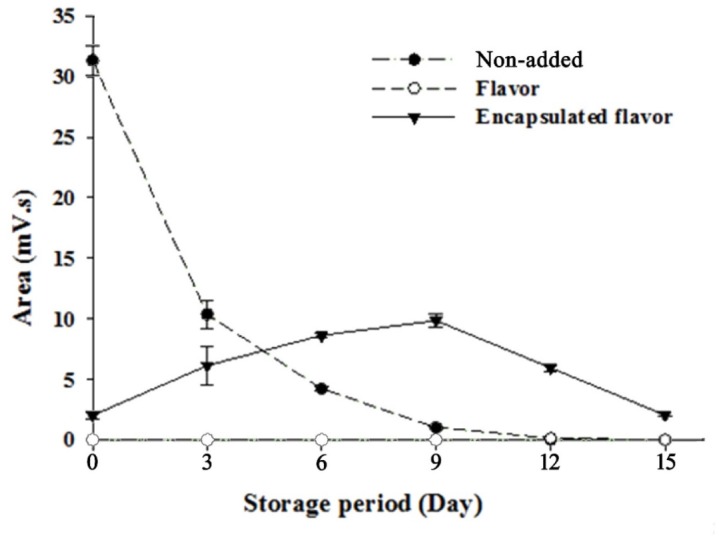
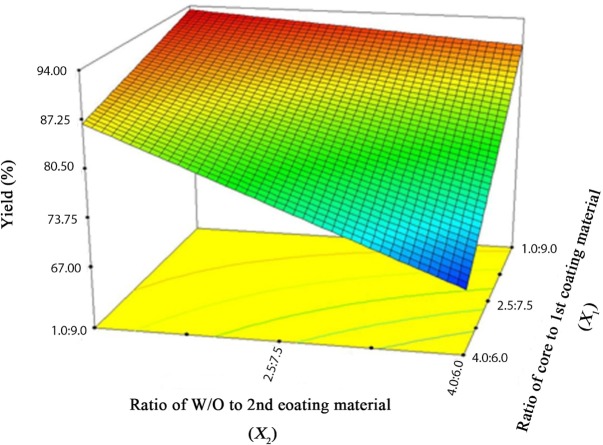
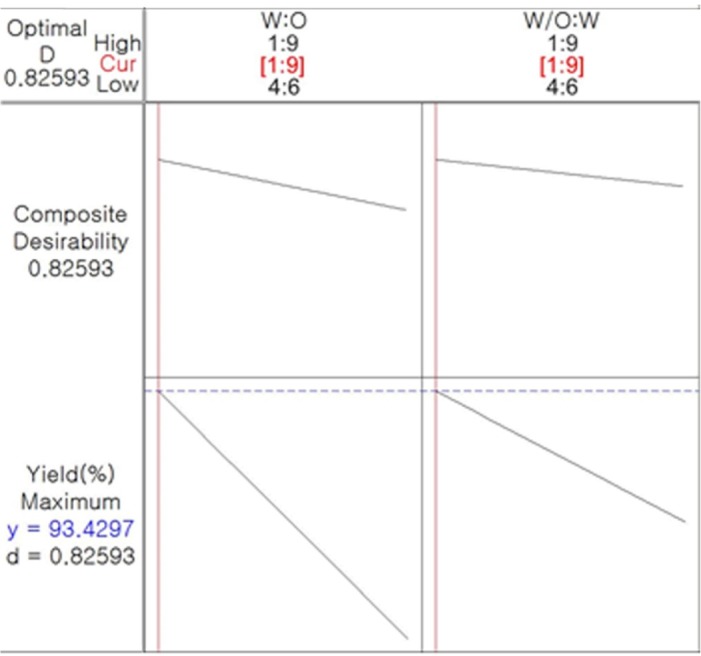
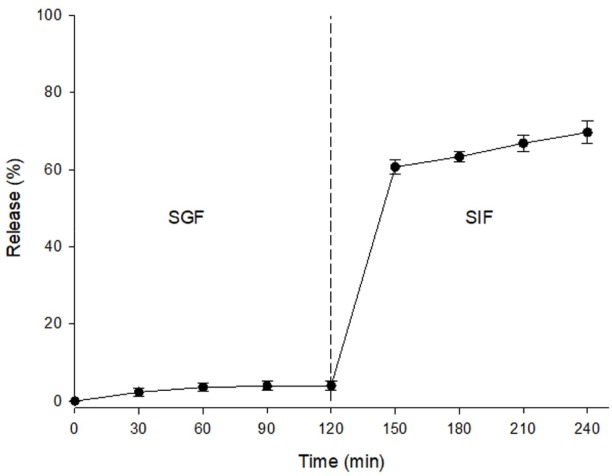
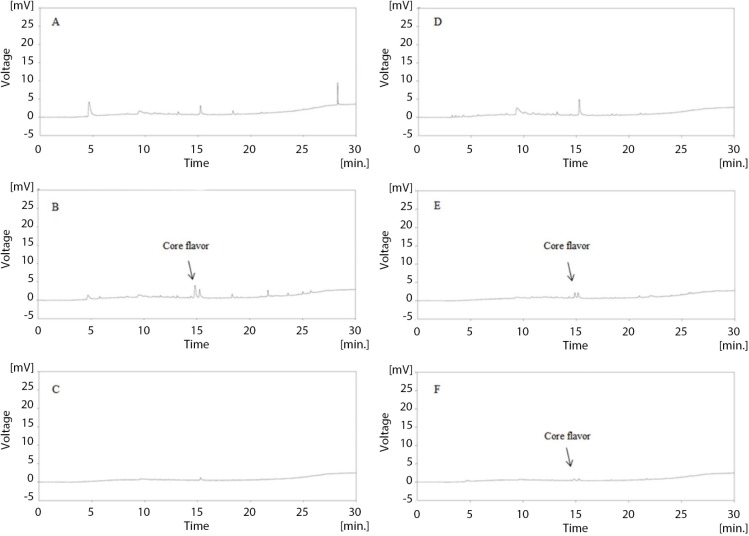
This study aimed to extend the retention of flavor in coffee-containing milk beverage by microencapsulation. The core material was caramel flavor, and the primary and secondary coating materials were medium-chain triglyceride and maltodextrin, respectively. Polyglycerol polyricinoleate was used as the primary emulsifier, and the secondary emulsifier was polyoxyethylene sorbitan monolaurate. Response surface methodology was employed to determine optimum microencapsulation conditions, and headspace solid-phase microextraction was used to detect the caramel flavor during storage. The microencapsulation yield of the caramel flavor increased as the ratio of primary to secondary coating material increased. The optimum ratio of core to primary coating material for the water-in-oil (W/O) phase was 1:9, and that of the W/O phase to the secondary coating material was also 1:9. Microencapsulation yield was observed to be approximately 93.43%. In case of release behavior, the release rate of the capsules in the simulated gastric environment was feeble; however, the release rate in the simulated intestinal environment rapidly increased within 30 min, and nearly 70% of the core material was released within 120 min. The caramel flavor-supplemented beverage sample exhibited an exponential degradation in its flavor components. However, microcapsules containing flavor samples showed sustained flavor release compared to caramel flavor-filled samples under higher storage temperatures. In conclusion, the addition of coffee flavor microcapsules to coffee-containing milk beverages effectively extended the retention of the coffee flavor during the storage period.
本研究旨在通过微胶囊化来延长含咖啡牛奶饮料中风味物质的保留时间。核心材料为焦糖风味剂, primary和secondary包材分别为中链甘油三酯和麦芽糊精。聚甘油聚蓖麻醇酸酯用作primary乳化剂,secondary乳化剂为聚氧乙烯山梨醇酐单月桂酸酯。采用响应面法确定最佳微胶囊化条件,并利用顶空固相微萃取法检测储存期间的焦糖风味。随着primary与secondary包材比例的增加,焦糖风味剂的微胶囊化产率提高。油包水(W/O)相中核心材料与primary包材的最佳比例为1:9,W/O相与secondary包材的比例也为1:9。观察到微胶囊化产率约为93.43%。在释放行为方面,胶囊在模拟胃环境中的释放速率较低;然而,在模拟肠环境中的释放速率在30分钟内迅速增加,120分钟内近70%的核心材料被释放。添加焦糖风味剂的饮料样品其风味成分呈指数降解。然而,与在较高储存温度下填充焦糖风味剂的样品相比,含有风味样品的微胶囊显示出风味的持续释放。总之,向含咖啡牛奶饮料中添加咖啡风味微胶囊可有效延长储存期内咖啡风味的保留时间。