Haigh Sarah M, Robinson Amanda K, Grover Pulkit, Behrmann Marlene
Department of Psychology, Carnegie Mellon University, Pittsburgh, PA 15213, USA.
Center for the Neural Basis of Cognition, Carnegie Mellon University, Pittsburgh, PA 15213, USA.
Vision (Basel). 2018 Dec 18;2(4):44. doi: 10.3390/vision2040044.
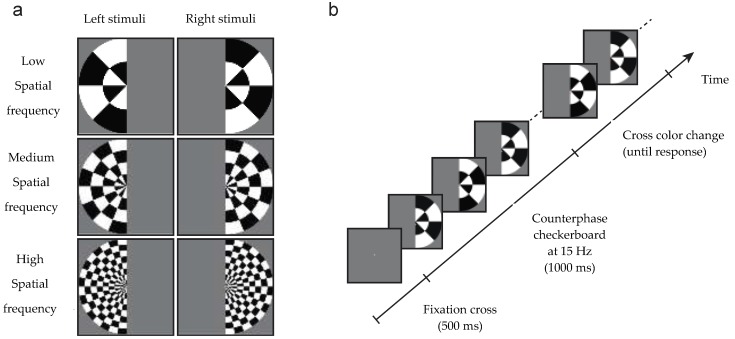
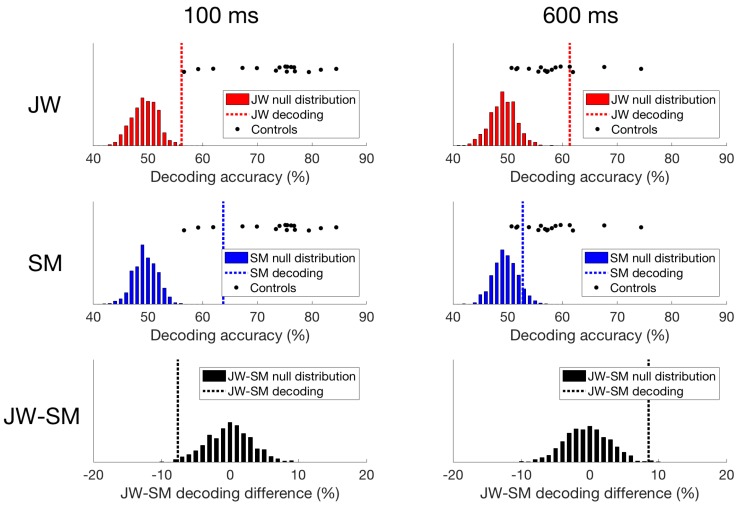
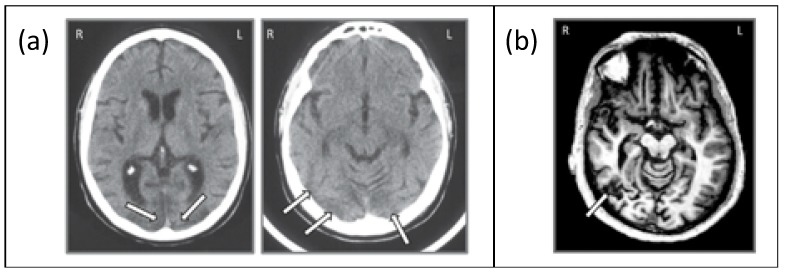
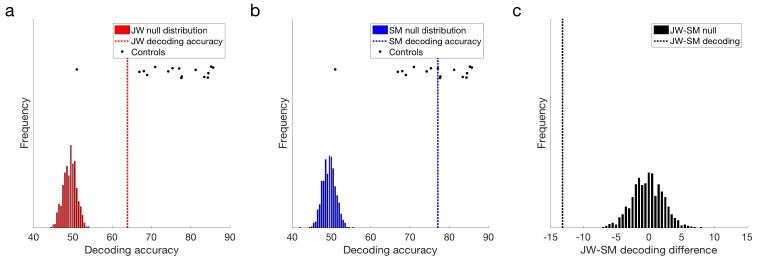
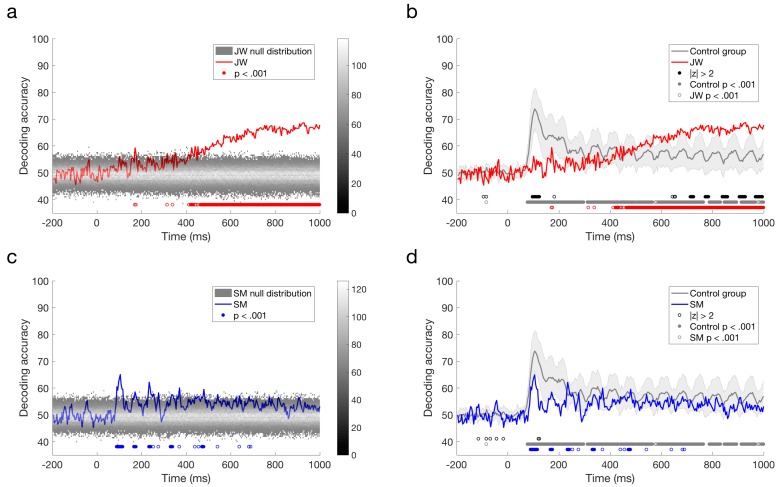
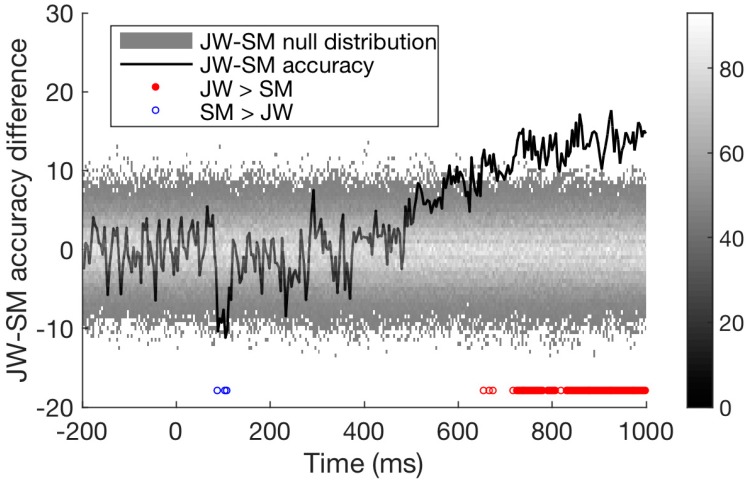
Visual recognition deficits are the hallmark symptom of visual agnosia, a neuropsychological disorder typically associated with damage to the visual system. Most research into visual agnosia focuses on characterizing the deficits through detailed behavioral testing, and structural and functional brain scans are used to determine the spatial extent of any cortical damage. Although the hierarchical nature of the visual system leads to clear predictions about the temporal dynamics of cortical deficits, there has been little research on the use of neuroimaging methods with high temporal resolution to characterize the temporal profile of agnosia deficits. Here, we employed high-density electroencephalography (EEG) to investigate alterations in the temporal dynamics of the visual system in two individuals with visual agnosia. In the context of a steady state visual evoked potential paradigm (SSVEP), individuals viewed pattern-reversing checkerboards of differing spatial frequency, and we assessed the responses of the visual system in the frequency and temporal domain. JW, a patient with early visual cortex damage, showed impaired SSVEP response relative to a control group and to the second patient (SM) who had right temporal lobe damage. JW also showed lower decoding accuracy for early visual responses (around 100 ms). SM, whose lesion is more anterior in the visual system, showed good decoding accuracy initially but low decoding after 500 ms. Overall, EEG and multivariate decoding methods can yield important insights into the temporal dynamics of visual responses in individuals with visual agnosia.
视觉识别缺陷是视觉失认症的标志性症状,视觉失认症是一种神经心理障碍,通常与视觉系统受损有关。大多数对视觉失认症的研究都集中在通过详细的行为测试来描述这些缺陷,并且使用结构和功能性脑部扫描来确定任何皮质损伤的空间范围。尽管视觉系统的层级性质对皮质缺陷的时间动态有明确的预测,但很少有研究使用具有高时间分辨率的神经成像方法来描述失认症缺陷的时间特征。在这里,我们采用高密度脑电图(EEG)来研究两名患有视觉失认症的个体视觉系统时间动态的变化。在稳态视觉诱发电位范式(SSVEP)的背景下,个体观看不同空间频率的模式反转棋盘,并且我们在频率和时间域评估了视觉系统的反应。JW是一名早期视觉皮质受损的患者,相对于对照组和另一名患有右侧颞叶损伤的患者(SM),其SSVEP反应受损。JW在早期视觉反应(约100毫秒)方面也表现出较低的解码准确率。SM的病变在视觉系统中更靠前,最初表现出良好的解码准确率,但在500毫秒后解码准确率较低。总体而言,脑电图和多变量解码方法可以为患有视觉失认症的个体视觉反应的时间动态提供重要见解。