Defitech Chair in Clinical Neuroengineering, Center for Neuroprosthetics (CNP) and Brain Mind Institute (BMI), Swiss Federal Institute of Technology (EPFL), 9, Chemin des Mines, 1202, Geneva, Switzerland.
Defitech Chair in Clinical Neuroengineering, Center for Neuroprosthetics (CNP) and Brain Mind Institute (BMI), Swiss Federal Institute of Technology (EPFL Valais), Clinique Romande de Réadaptation, 1951, Sion, Switzerland.
J Neuroeng Rehabil. 2019 Nov 19;16(1):142. doi: 10.1186/s12984-019-0612-y.
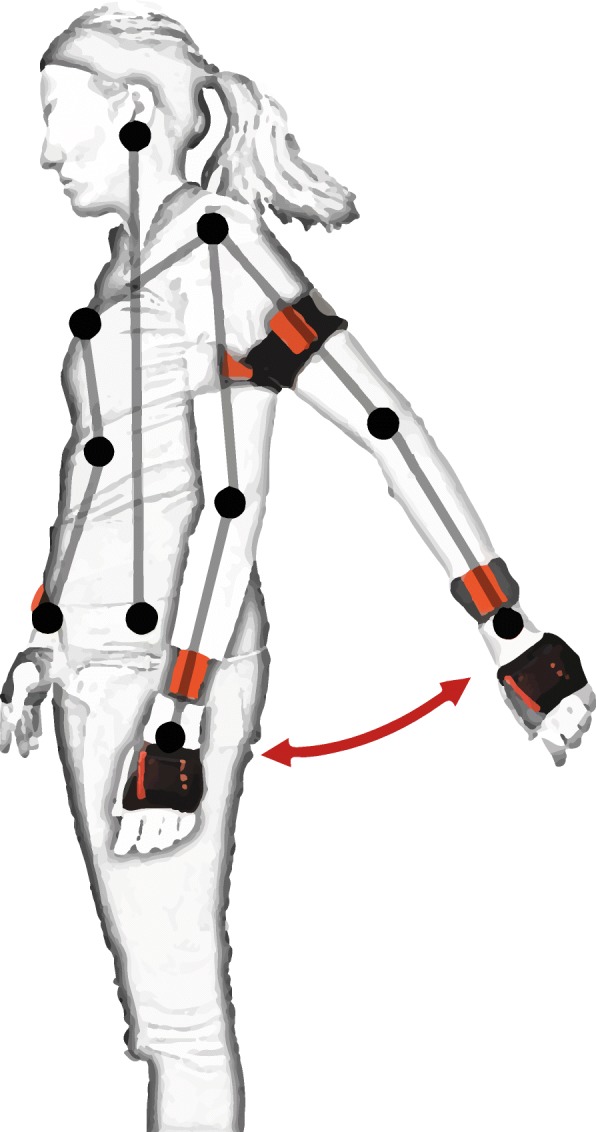
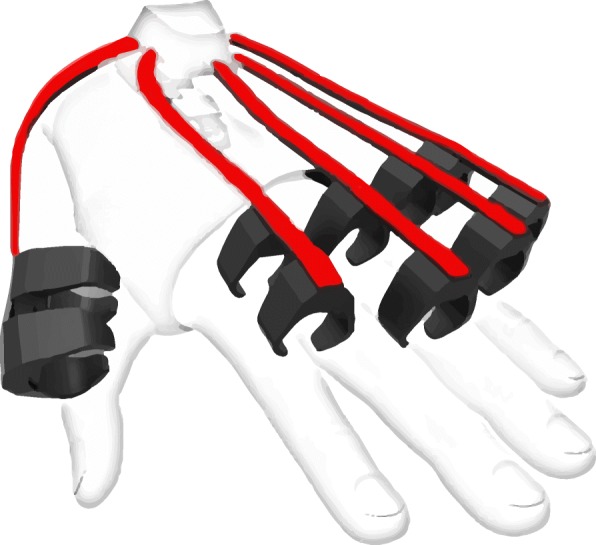
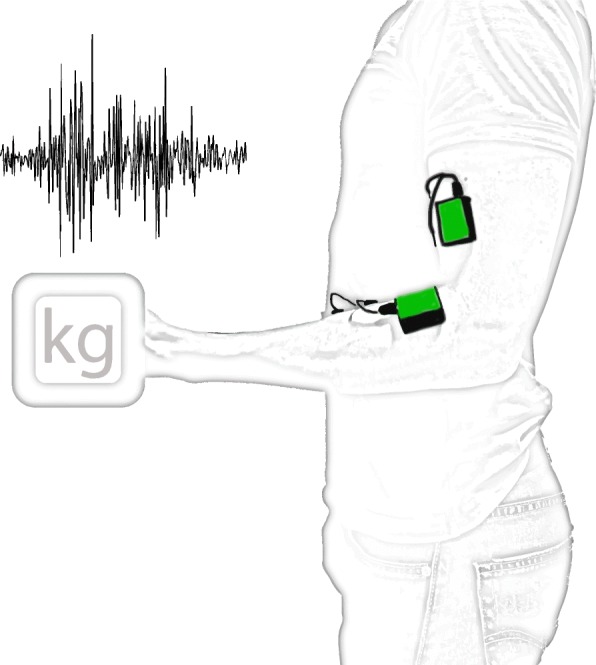
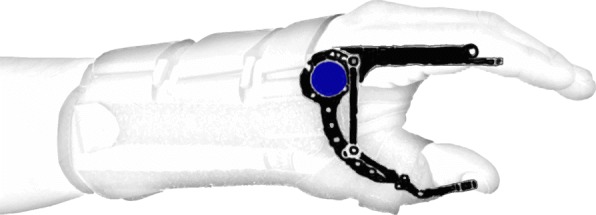
Stroke is one of the main causes of long-term disability worldwide, placing a large burden on individuals and society. Rehabilitation after stroke consists of an iterative process involving assessments and specialized training, aspects often constrained by limited resources of healthcare centers. Wearable technology has the potential to objectively assess and monitor patients inside and outside clinical environments, enabling a more detailed evaluation of the impairment and allowing the individualization of rehabilitation therapies. The present review aims to provide an overview of wearable sensors used in stroke rehabilitation research, with a particular focus on the upper extremity. We summarize results obtained by current research using a variety of wearable sensors and use them to critically discuss challenges and opportunities in the ongoing effort towards reliable and accessible tools for stroke rehabilitation. Finally, suggestions concerning data acquisition and processing to guide future studies performed by clinicians and engineers alike are provided.
中风是全球范围内导致长期残疾的主要原因之一,给个人和社会带来了巨大的负担。中风后的康复包括一个迭代的评估和专业训练过程,这些方面往往受到医疗中心资源有限的限制。可穿戴技术有可能在临床环境内外客观地评估和监测患者,从而更详细地评估损伤,并实现康复治疗的个体化。本综述旨在概述用于中风康复研究的可穿戴传感器,特别关注上肢。我们总结了目前使用各种可穿戴传感器进行的研究结果,并利用这些结果来批判性地讨论在为中风康复开发可靠和易用工具的持续努力中面临的挑战和机遇。最后,我们就数据采集和处理提供了一些建议,以供临床医生和工程师在未来的研究中参考。