Madadi Soheil, Schwarzenbach Heidi, Saidijam Massoud, Mahjub Reza, Soleimani Meysam
1Department of Pharmaceutical Biotechnology, School of Pharmacy, Hamadan University of Medical Sciences, Hamadan, Iran.
2Department of Tumor Biology, University Medical Center Hamburg-Eppendorf, 20246 Hamburg, Germany.
Cell Biosci. 2019 Nov 12;9:91. doi: 10.1186/s13578-019-0354-3. eCollection 2019.
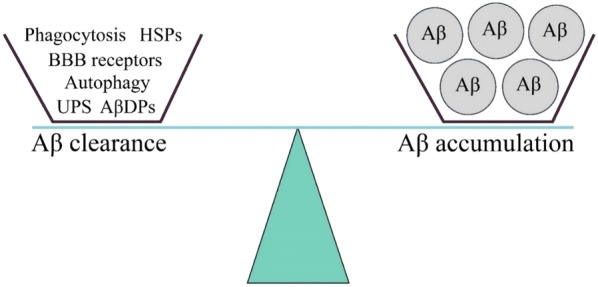
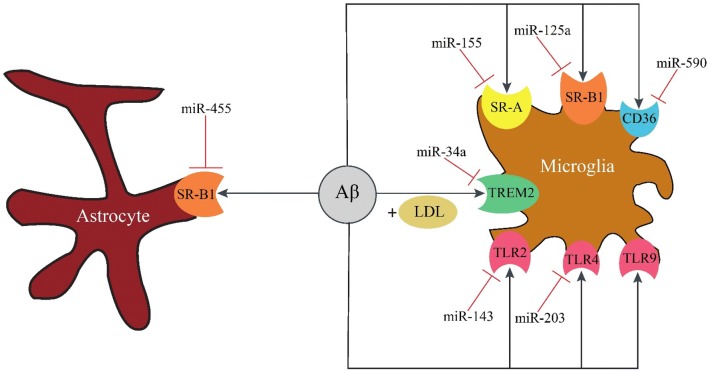
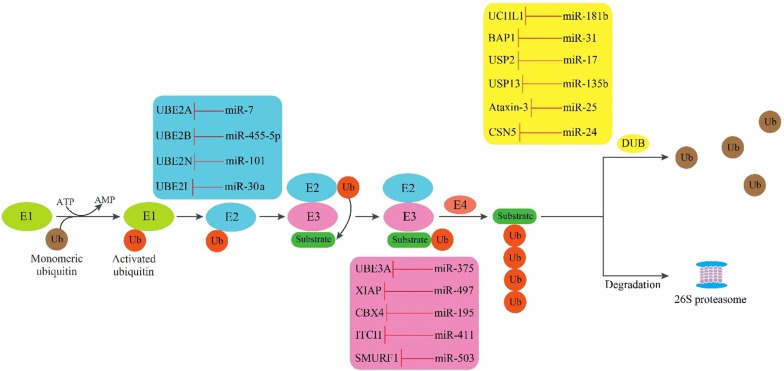
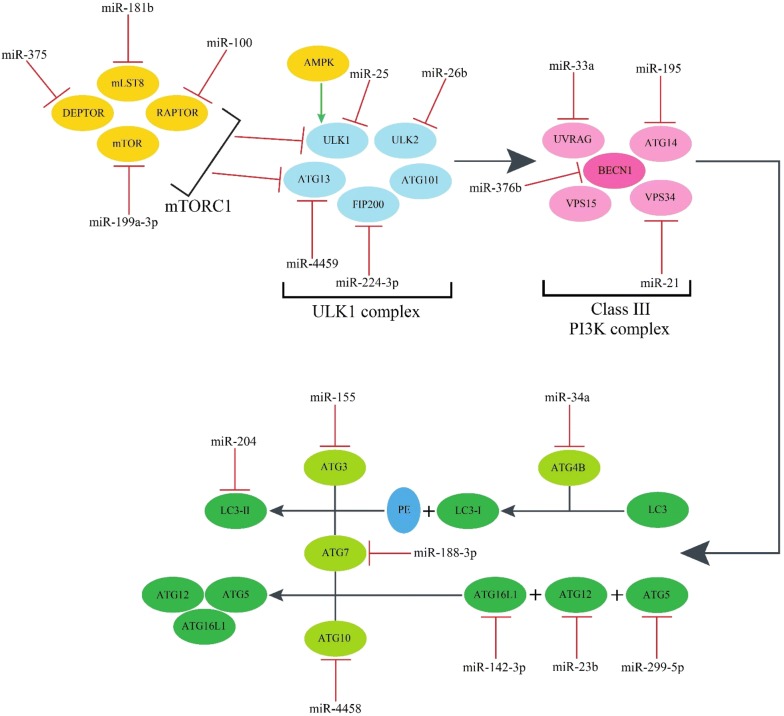
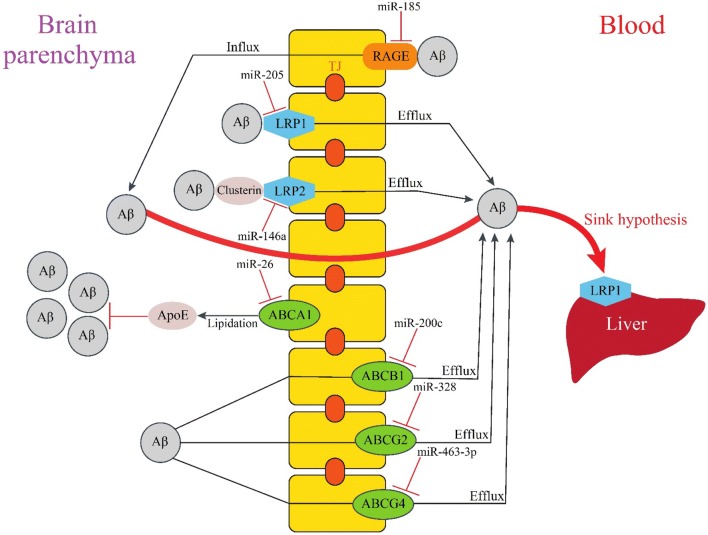
Imbalance between amyloid-beta (Aβ) peptide synthesis and clearance results in Aβ deregulation. Failure to clear these peptides appears to cause the development of Alzheimer's disease (AD). In recent years, microRNAs have become established key regulators of biological processes that relate among others to the development and progression of neurodegenerative diseases, such as AD. This review article gives an overview on microRNAs that are involved in the Aβ cascade and discusses their inhibitory impact on their target mRNAs whose products participate in Aβ clearance. Understanding of the mechanism of microRNA in the associated signal pathways could identify novel therapeutic targets for the treatment of AD.
淀粉样β蛋白(Aβ)肽的合成与清除之间的失衡会导致Aβ失调。无法清除这些肽似乎会引发阿尔茨海默病(AD)的发展。近年来,微小RNA已成为生物过程的关键调节因子,这些生物过程与神经退行性疾病(如AD)的发生和发展等诸多方面相关。这篇综述文章概述了参与Aβ级联反应的微小RNA,并讨论了它们对其靶mRNA的抑制作用,这些靶mRNA的产物参与Aβ清除。了解微小RNA在相关信号通路中的机制可以为AD的治疗确定新的治疗靶点。