University of Vermont, Larner College of Medicine, Burlington, VT, United States; Department of Experimental Medical Science, Faculty of Medicine, Lund University, Lund, Sweden.
Center for Biotechnology and Interdisciplinary Studies, Rensselaer Polytechnic Institute, Troy, NY, United States.
Acta Biomater. 2020 Jan 15;102:231-246. doi: 10.1016/j.actbio.2019.11.029. Epub 2019 Nov 18.
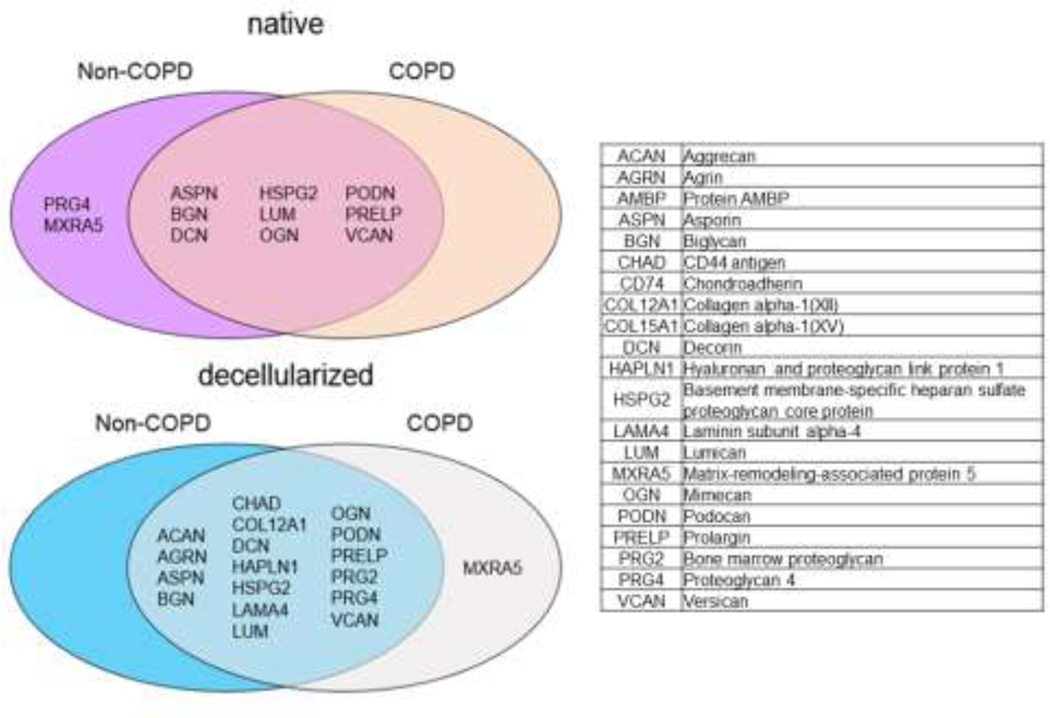
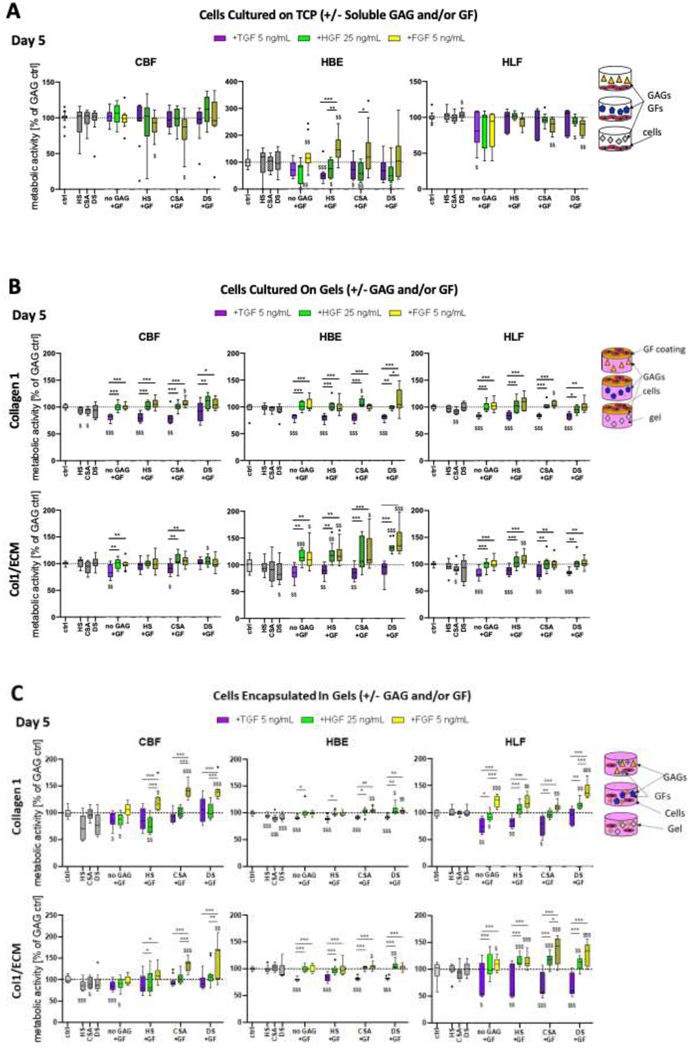
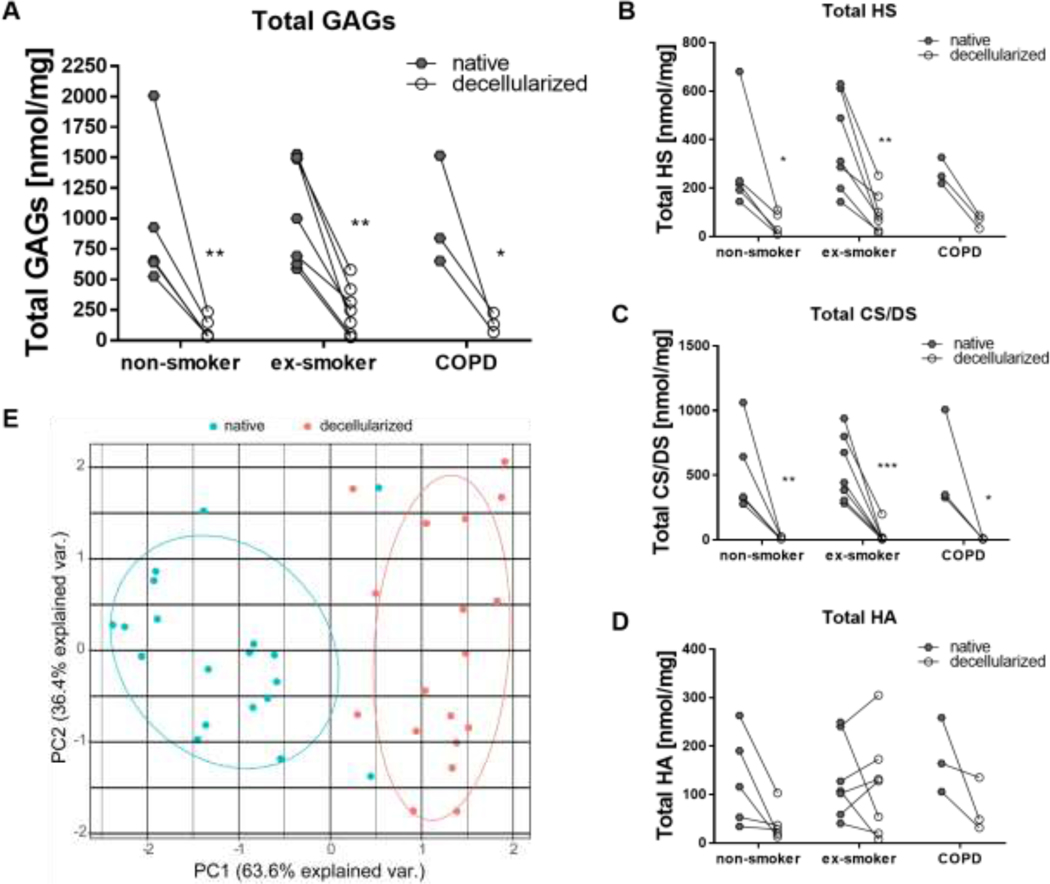
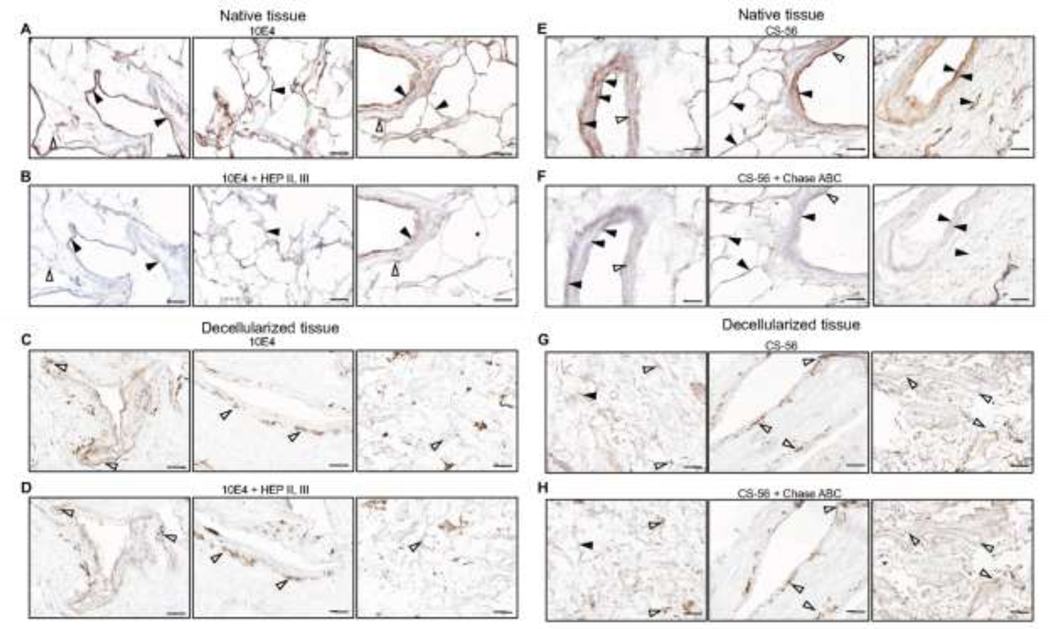
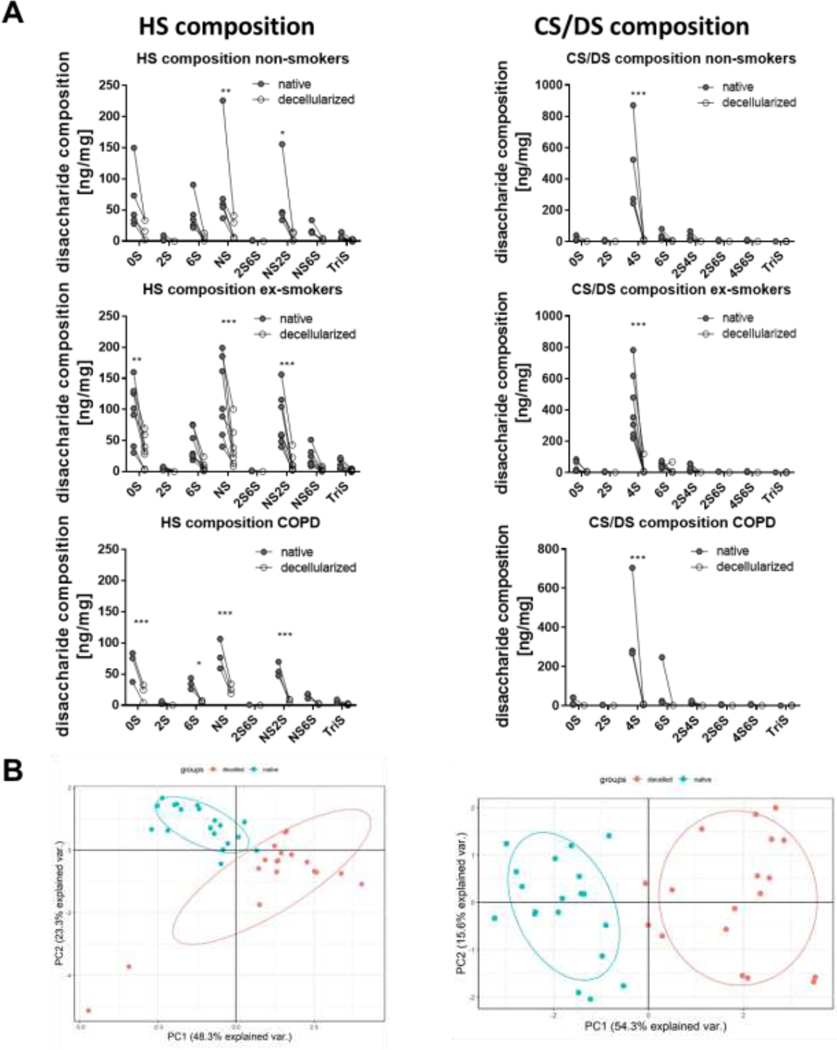
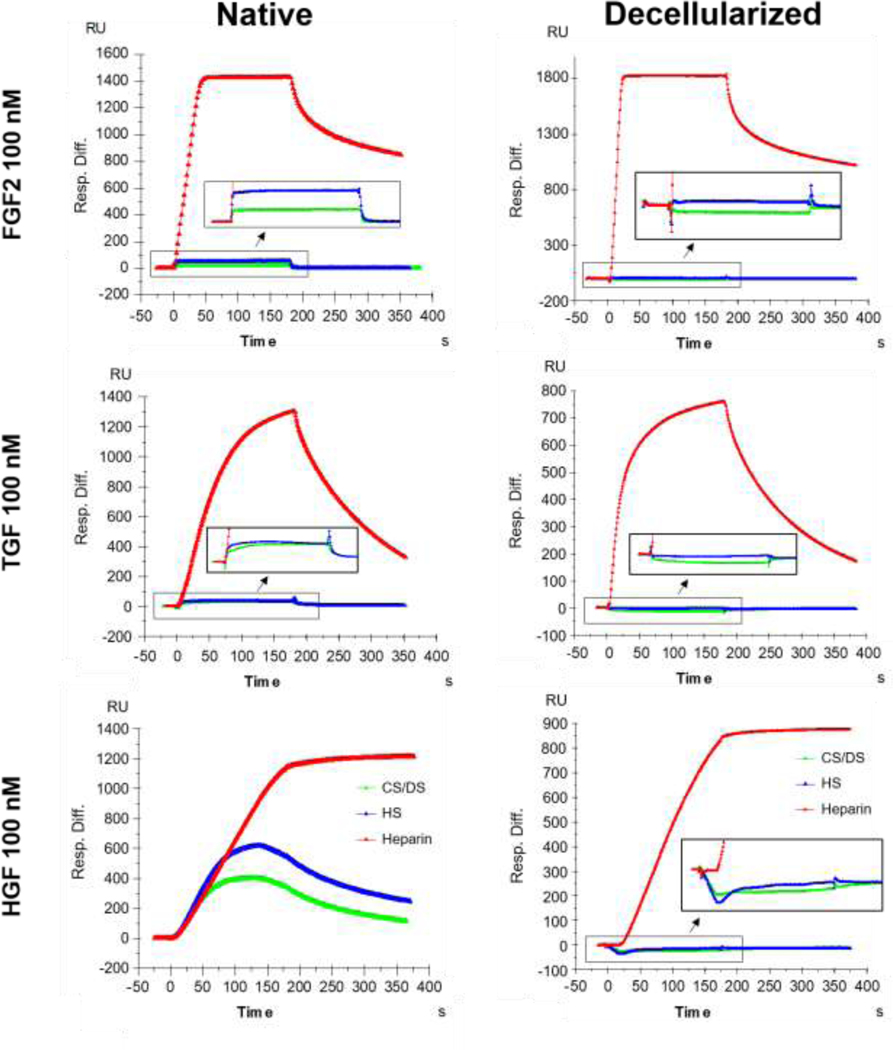
Despite progress in use of decellularized lung scaffolds in ex vivo lung bioengineering schemes, including use of gels and other materials derived from the scaffolds, the detailed composition and functional role of extracellular matrix (ECM) proteoglycans (PGs) and their glycosaminoglycan (GAG) chains remaining in decellularized lungs, is poorly understood. Using a commonly utilized detergent-based decellularization approach in human autopsy lungs resulted in disproportionate losses of GAGs with depletion of chondroitin sulfate/dermatan sulfate (CS/DS) > heparan sulfate (HS) > hyaluronic acid (HA). Specific changes in disaccharide composition of remaining GAGs were observed with disproportionate loss of NS and NS2S for HS groups and of 4S for CS/DS groups. No significant influence of smoking history, sex, time to autopsy, or age was observed in native vs. decellularized lungs. Notably, surface plasmon resonance demonstrated that GAGs remaining in decellularized lungs were unable to bind key matrix-associated growth factors FGF2, HGF, and TGFβ1. Growth of lung epithelial, pulmonary vascular, and stromal cells cultured on the surface of or embedded within gels derived from decellularized human lungs was differentially and combinatorially enhanced by replenishing specific GAGs and FGF2, HGF, and TGFβ1. In summary, lung decellularization results in loss and/or dysfunction of specific GAGs or side chains significantly affecting matrix-associated growth factor binding and lung cell metabolism. GAG and matrix-associated growth factor replenishment thus needs to be incorporated into schemes for investigations utilizing gels and other materials produced from decellularized human lungs. STATEMENT OF SIGNIFICANCE: Despite progress in use of decellularized lung scaffolds in ex vivo lung bioengineering schemes, including use of gels and other materials derived from the scaffolds, the detailed composition and functional role of extracellular matrix (ECM) proteoglycans (PGs) and their glycosaminoglycan (GAG) chains remaining in decellularized lungs, is poorly understood. In the current studies, we demonstrate that glycosaminoglycans (GAGs) are significantly depleted during decellularization and those that remain are dysfunctional and unable to bind matrix-associated growth factors critical for cell growth and differentiation. Systematically repleting GAGs and matrix-associated growth factors to gels derived from decellularized human lung significantly and differentially affects cell growth. These studies highlight the importance of considering GAGs in decellularized lungs and their derivatives.
尽管在体外肺生物工程方案中使用脱细胞肺支架取得了进展,包括使用凝胶和其他源自支架的材料,但脱细胞肺中残留的细胞外基质(ECM)蛋白聚糖(PG)及其糖胺聚糖(GAG)链的详细组成和功能作用仍知之甚少。在人体解剖肺中使用常用的基于去污剂的脱细胞方法导致 GAG 不成比例地丢失,硫酸软骨素/硫酸皮肤素(CS/DS)的消耗>硫酸乙酰肝素(HS)>透明质酸(HA)。观察到剩余 GAG 的二糖组成发生特定变化,HS 组中 NS 和 NS2S 的比例不成比例丢失,CS/DS 组中 4S 的比例不成比例丢失。在天然与脱细胞肺中,未观察到吸烟史、性别、尸检时间或年龄对其有显著影响。值得注意的是,表面等离子体共振表明,脱细胞肺中残留的 GAG 无法结合关键的基质相关生长因子 FGF2、HGF 和 TGFβ1。在脱细胞人肺衍生的凝胶表面培养或嵌入培养的肺上皮细胞、肺血管细胞和基质细胞的生长,通过补充特定的 GAG 和 FGF2、HGF 和 TGFβ1 被不同地和组合地增强。总之,肺脱细胞化导致特定 GAG 或侧链的丢失和/或功能障碍,这显著影响基质相关生长因子的结合和肺细胞代谢。因此,需要将 GAG 和基质相关生长因子的补充纳入利用脱细胞人肺产生的凝胶和其他材料的研究方案中。
尽管在体外肺生物工程方案中使用脱细胞肺支架取得了进展,包括使用凝胶和其他源自支架的材料,但脱细胞肺中细胞外基质(ECM)蛋白聚糖(PG)及其糖胺聚糖(GAG)链的详细组成和功能作用仍知之甚少。在当前的研究中,我们证明在脱细胞化过程中 GAG 大量消耗,而残留的 GAG 失去功能且无法结合对细胞生长和分化至关重要的基质相关生长因子。有系统地向脱细胞人肺衍生的凝胶中补充 GAG 和基质相关生长因子会显著且不同地影响细胞生长。这些研究强调了在脱细胞肺及其衍生物中考虑 GAG 的重要性。