Jikei University School of Medicine, Tokyo, Japan.
Nephrology and Hypertension Research Unit, Miho Clinic, 1-6-4, Osaki, Shinagawa-ku, Tokyo, 141-0032, Japan.
Clin Exp Nephrol. 2020 Mar;24(Suppl 1):1-5. doi: 10.1007/s10157-019-01811-9. Epub 2019 Nov 21.
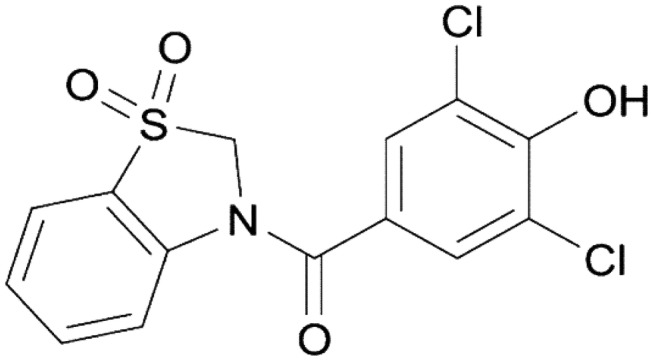
Gout is a chronic inflammatory disease caused by precipitation of urate crystals in the joints, kidneys, and urinary tract. Independent of urate deposition disorders, recent studies have shown a positive association between circulating uric acid (UA) levels and cardiovascular (CV) diseases. These results indicate that UA is a precipitating factor of both gout and the progression of CV diseases, including hypertension and/or chronic kidney disease (CKD). A large body of evidence has shown that UA-lowering therapies are effective in preventing the progression of hypertension/CKD and that a causal relationship exists between serum UA level and CV diseases. Despite the urgent need for effective UA-lowering drugs that can be used to obtain better therapeutic outcomes and prognosis, only few drugs have been developed in the past decades. Recently, febuxostat and topiroxostat, which are xanthine oxidoreductase inhibitors, were developed and used in clinical practice. Of note, after the approval of lesinurad, which is a urate transporter-1 (URAT-1) inhibitor, in the United States in 2015, dotinurad (Fig. 1), a novel promising drug with selective UA reabsorption inhibitory property, was recently developed in Japan in 2018. Dotinurad is indicated for patients with hyperuricemia/gout as most patients with hyperuricemia are classified into "underexcretion type", which requires the inhibition of URAT-1 to excrete excess UA via the kidney. Focusing on dotinurad, the present study highlighted the multifaceted preliminary new trials that assessed for drug efficacy and safety, pharmacokinetics (PK) according to age and gender, the presence or absence of liver and kidney disorders, drug interactions with NSAID, and non-inferiority of dotinurad to either febuxostat or benzbromarone. A series of studies included in this supplemental review indicate that dotinurad reduces serum UA levels, and its efficacy and safety are similar to those of other UA-lowering agents currently used even in hyperuricemic patients with various clinical conditions. Moreover, two exploratory studies with a small sample size were conducted to compare PK parameters between patients with overproduction- and underexcretion-type hyperuricemia, and results showed that the effects of UA-lowering agents were comparable between the two subtype groups.Fig. 1Chemical structural formula of dotinurad.
痛风是一种由尿酸盐晶体在关节、肾脏和尿路中沉淀引起的慢性炎症性疾病。最近的研究表明,尿酸(UA)水平与心血管(CV)疾病之间存在正相关关系,这与尿酸沉积紊乱无关。这些结果表明,UA 既是痛风的诱发因素,也是 CV 疾病进展的诱发因素,包括高血压和/或慢性肾脏病(CKD)。大量证据表明,降低 UA 的治疗方法可有效预防高血压/CKD 的进展,且血清 UA 水平与 CV 疾病之间存在因果关系。尽管迫切需要有效的降 UA 药物来获得更好的治疗效果和预后,但在过去几十年中只开发了少数几种药物。最近,黄嘌呤氧化还原酶抑制剂非布司他和托匹司他已被开发并应用于临床实践。值得注意的是,在美国,2015 年批准了 URAT-1 抑制剂 lesinurad 之后,日本于 2018 年最近开发了一种新型、有前途的选择性 UA 重吸收抑制剂药物 dotinurad(图 1)。Dotinurad 适用于高尿酸血症/痛风患者,因为大多数高尿酸血症患者被归类为“排泄不足型”,这需要抑制 URAT-1 通过肾脏排泄过多的 UA。以 dotinurad 为重点,本研究强调了多方面的初步新药试验,评估了药物的疗效和安全性、根据年龄和性别、是否存在肝肾功能障碍、与 NSAID 的药物相互作用以及与非布司他或苯溴马隆的非劣效性的药代动力学(PK)。本综述补充资料中包括的一系列研究表明,dotinurad 可降低血清 UA 水平,其疗效和安全性与目前使用的其他降 UA 药物相似,即使在具有各种临床情况的高尿酸血症患者中也是如此。此外,进行了两项小规模探索性研究,以比较产生过多和排泄不足型高尿酸血症患者的 PK 参数,结果表明,两种亚组患者的 UA 降低剂的效果相当。
图 1 dotinurad 的化学结构公式。