Consumption and Healthy Lifestyles Group, Wageningen University and Research, Hollandseweg 1, 6706 KN Wageningen, The Netherlands.
Centre for Behavioural Research in Cancer, Cancer Council Victoria, 615 St Kilda Road, Melbourne, VIC 3004, Australia.
Nutrients. 2019 Nov 20;11(12):2845. doi: 10.3390/nu11122845.
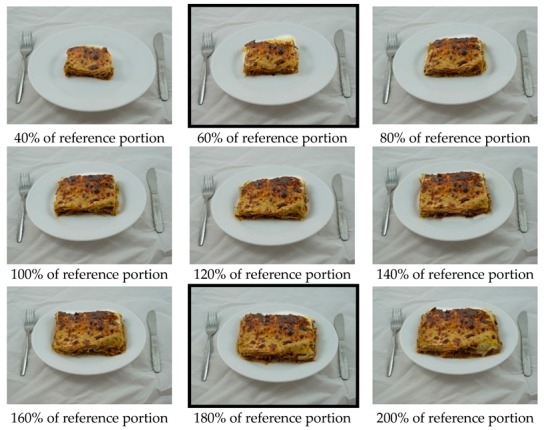
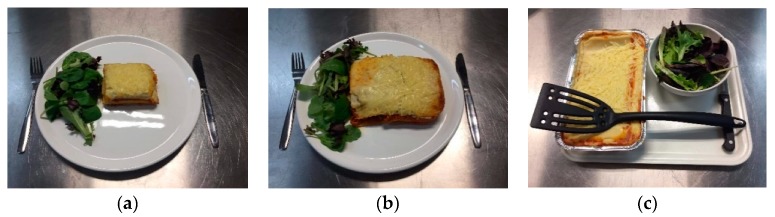
Portion sizes of commercially available foods have increased, and there is evidence that exposure to portion sizes recalibrates what is perceived as 'normal' and subsequently, how much food is selected and consumed. The present study aims to explore the role of social (descriptive and injunctive) and personal portion size norms in this effect. Across two experiments, participants were either visually exposed to (Study 1, = 329) or actually served (Study 2, = 132) a smaller or larger than normal food portion. After 24 h, participants reported their intended consumption (Study 1) or served themselves and consumed (Study 2) a portion of that food and reported perceived portion size norms. In Study 1, visual exposure to portion size did not significantly affect intended consumption and perceived portion size norms. In Study 2, participants consumed a smaller portion of food when they were served a smaller rather than a larger portion the previous day, which was mediated by perceived descriptive and injunctive social (but not personal) portion size norms. Results suggest that being served (but not mere visual exposure to) smaller (relative to larger) portions changes perceived social norms about portion size and this may reduce future consumption of that food.
商业销售的食物份量增加了,有证据表明,接触到的食物份量会重新调整人们对“正常”份量的认知,进而影响人们选择和食用的食物量。本研究旨在探讨社会(描述性和规范性)和个人份量规范在这种影响中的作用。在两项实验中,参与者要么(研究 1,n = 329)直接看到或实际食用(研究 2,n = 132)较小或较大份量的食物。24 小时后,参与者报告他们的预期摄入量(研究 1)或自行选择和食用(研究 2)该食物的一部分,并报告感知到的份量规范。在研究 1 中,视觉上接触到的份量大小并未显著影响预期摄入量和感知到的份量规范。在研究 2 中,与前一天食用较大份量相比,参与者在当天食用较小份量的食物,这是由感知到的描述性和规范性社会(但非个人)份量规范介导的。结果表明,与较大份量相比,提供较小份量(而非仅仅是视觉上接触到较小份量)会改变人们对份量规范的感知,这可能会减少对该食物的未来消费。