Zhang Chunyan, Yue Chanyu, Herrmann Andreas, Song Jieun, Egelston Colt, Wang Tianyi, Zhang Zhifang, Li Wenzhao, Lee Heehyoung, Aftabizadeh Maryam, Li Yi Jia, Lee Peter P, Forman Stephen, Somlo George, Chu Peiguo, Kruper Laura, Mortimer Joanne, Hoon Dave S B, Huang Wendong, Priceman Saul, Yu Hua
Department of Immuno-Oncology, City of Hope Comprehensive Cancer Center, Duarte, CA 91010, USA.
Department of Immuno-Oncology, City of Hope Comprehensive Cancer Center, Duarte, CA 91010, USA; Sorrento Therapeutics Inc. 4955 Directors PI, San Diego, CA 92121, USA.
Cell Metab. 2020 Jan 7;31(1):148-161.e5. doi: 10.1016/j.cmet.2019.10.013. Epub 2019 Nov 21.
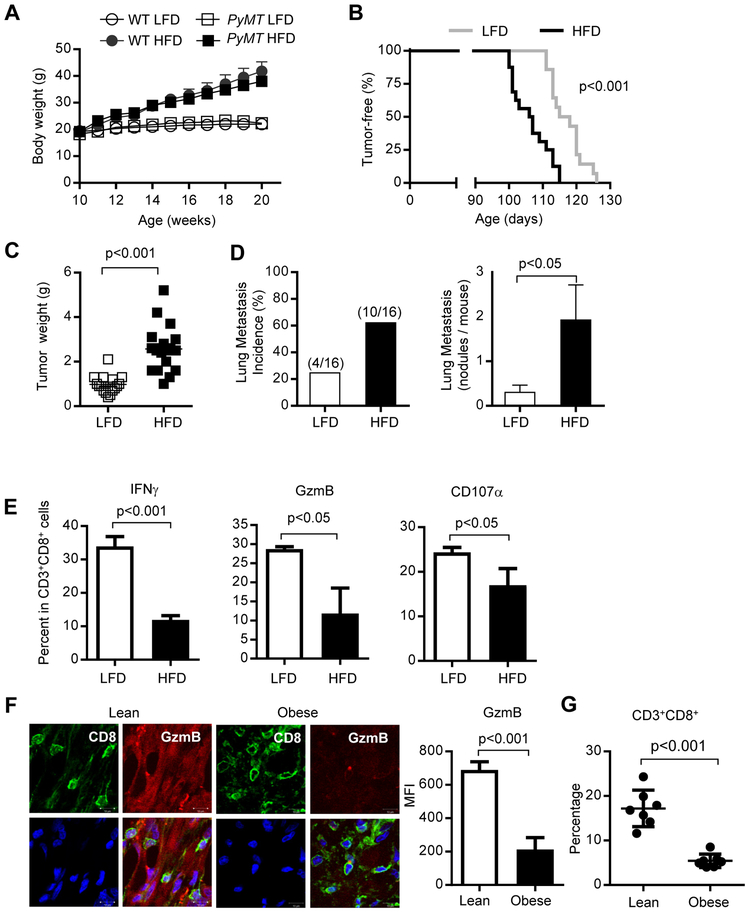
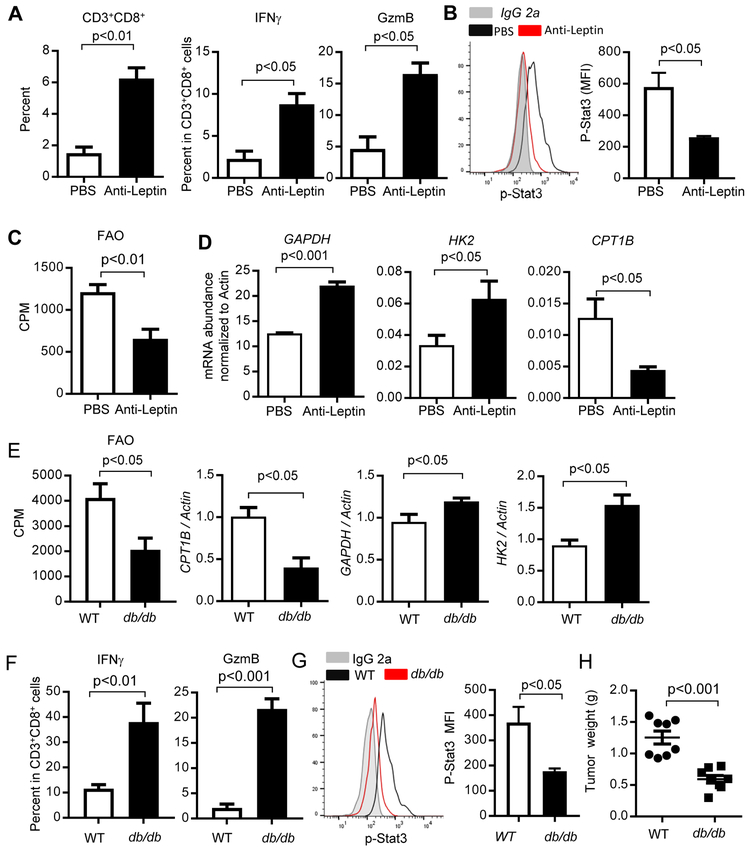
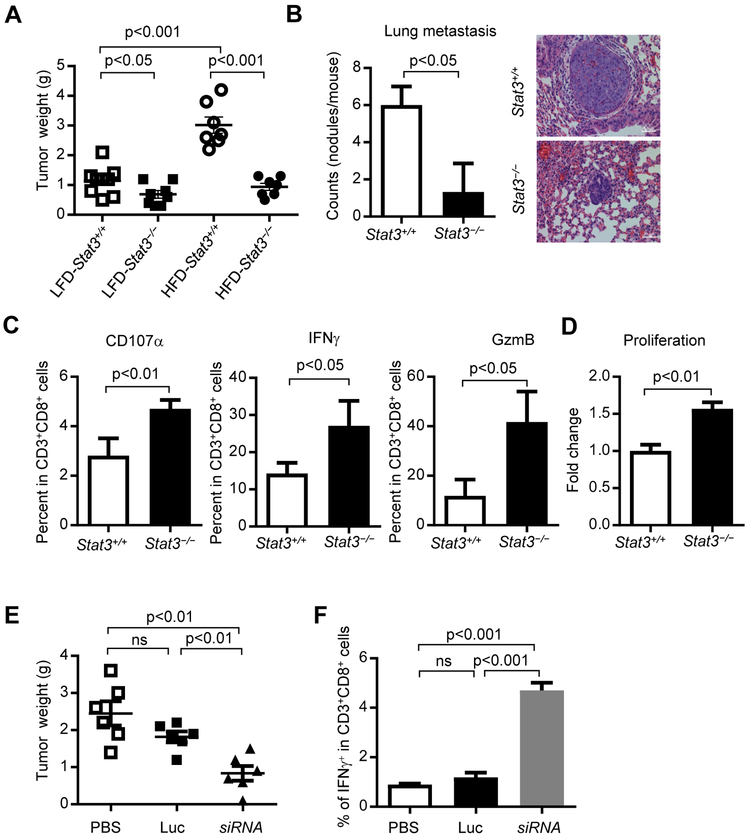
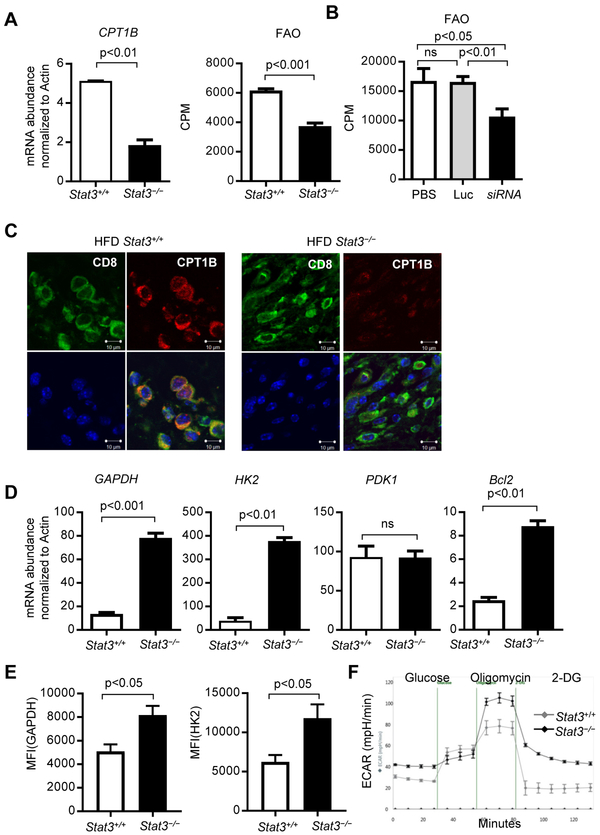
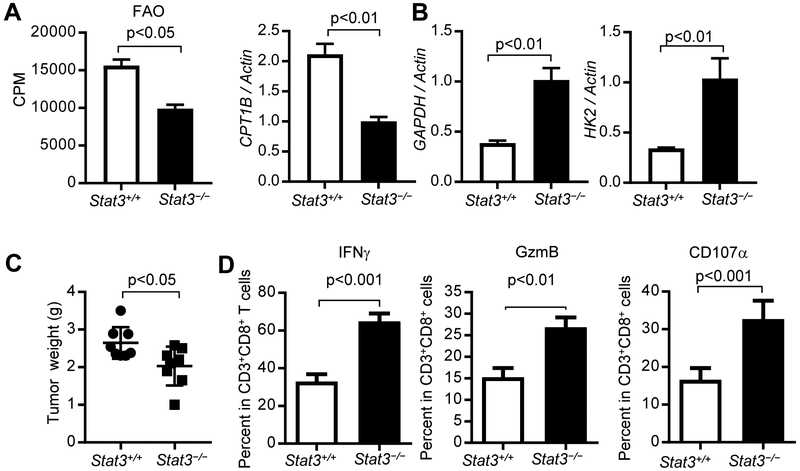
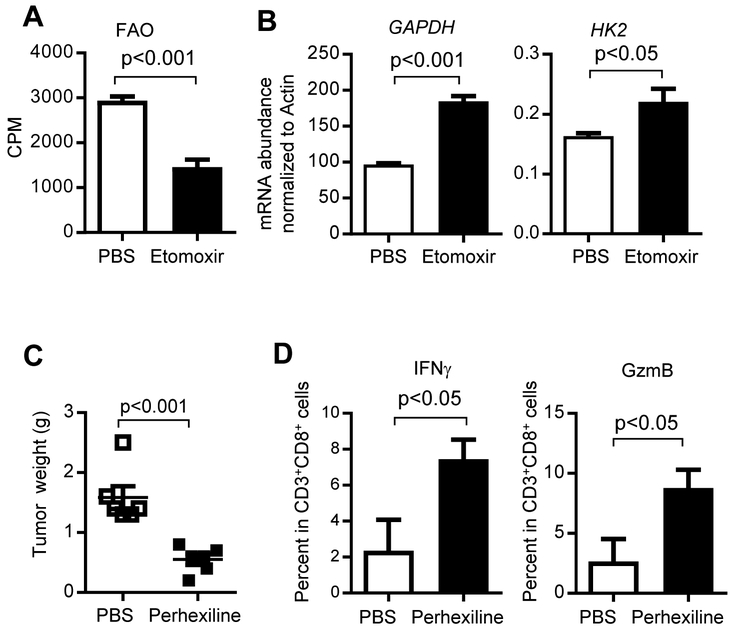
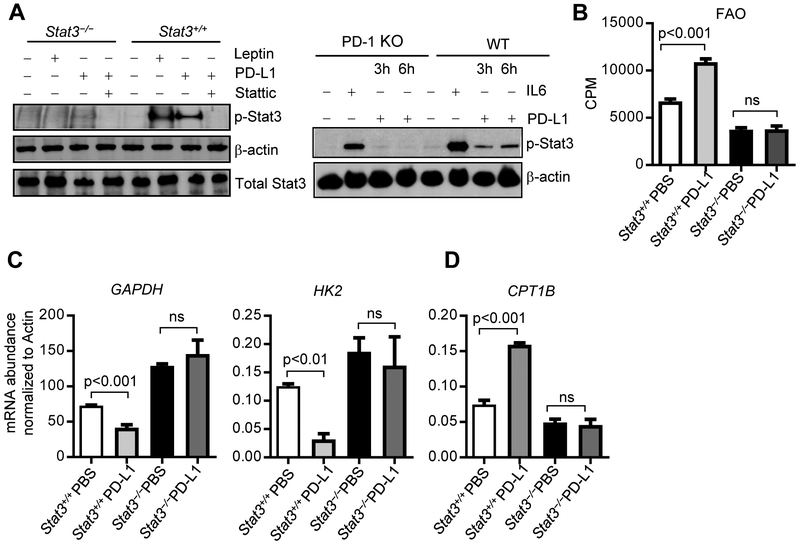
Although obesity is known to be critical for cancer development, how obesity negatively impacts antitumor immune responses remains largely unknown. Here, we show that increased fatty acid oxidation (FAO) driven by activated STAT3 in CD8 T effector cells is critical for obesity-associated breast tumor progression. Ablating T cell Stat3 or treatment with an FAO inhibitor in obese mice spontaneously developing breast tumor reduces FAO, increases glycolysis and CD8 T effector cell functions, leading to inhibition of breast tumor development. Moreover, PD-1 ligation in CD8 T cells activates STAT3 to increase FAO, inhibiting CD8 T effector cell glycolysis and functions. Finally, leptin enriched in mammary adipocytes and fat tissues downregulates CD8 T cell effector functions through activating STAT3-FAO and inhibiting glycolysis. We identify a critical role of increased oxidation of fatty acids driven by leptin and PD-1 through STAT3 in inhibiting CD8 T effector cell glycolysis and in promoting obesity-associated breast tumorigenesis.
虽然肥胖已知对癌症发展至关重要,但肥胖如何对抗肿瘤免疫反应产生负面影响在很大程度上仍不清楚。在此,我们表明,由CD8 T效应细胞中活化的STAT3驱动的脂肪酸氧化(FAO)增加对肥胖相关的乳腺肿瘤进展至关重要。在自发发生乳腺肿瘤的肥胖小鼠中,敲除T细胞Stat3或用FAO抑制剂治疗可减少FAO,增加糖酵解和CD8 T效应细胞功能,从而抑制乳腺肿瘤发展。此外,CD8 T细胞中的PD-1连接激活STAT3以增加FAO,抑制CD8 T效应细胞的糖酵解和功能。最后,乳腺脂肪细胞和脂肪组织中富集的瘦素通过激活STAT3-FAO并抑制糖酵解来下调CD8 T细胞效应功能。我们确定了瘦素和PD-1通过STAT3驱动的脂肪酸氧化增加在抑制CD8 T效应细胞糖酵解以及促进肥胖相关乳腺肿瘤发生中的关键作用。