University of Gastronomic Sciences, Piazza Vittorio Emanuele 9, I-12042, Bra/Pollenzo, Italy.
Department of Biology, University of Raparin, Ranya, Kurdistan Region, Iraq.
J Ethnobiol Ethnomed. 2019 Nov 27;15(1):59. doi: 10.1186/s13002-019-0341-0.
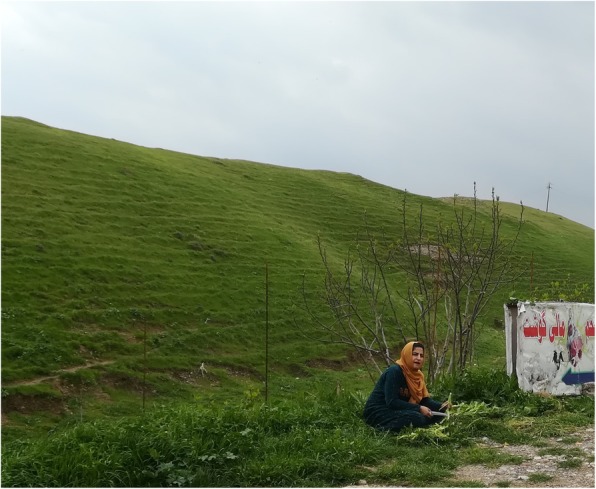
Iraqi Kurdistan is a special hotspot for bio-cultural diversity and for investigating patterns of traditional wild food plant foraging, considering that this area was the home of the first Neolithic communities and has been, over millennia, a crossroad of different civilizations and cultures. The aim of this ethnobotanical field study was to cross-culturally compare the wild food plants traditionally gathered by Kurdish Muslims and those gathered by the ancient Kurdish Kakai (Yarsan) religious group and to possibly better understand the human ecology behind these practices.
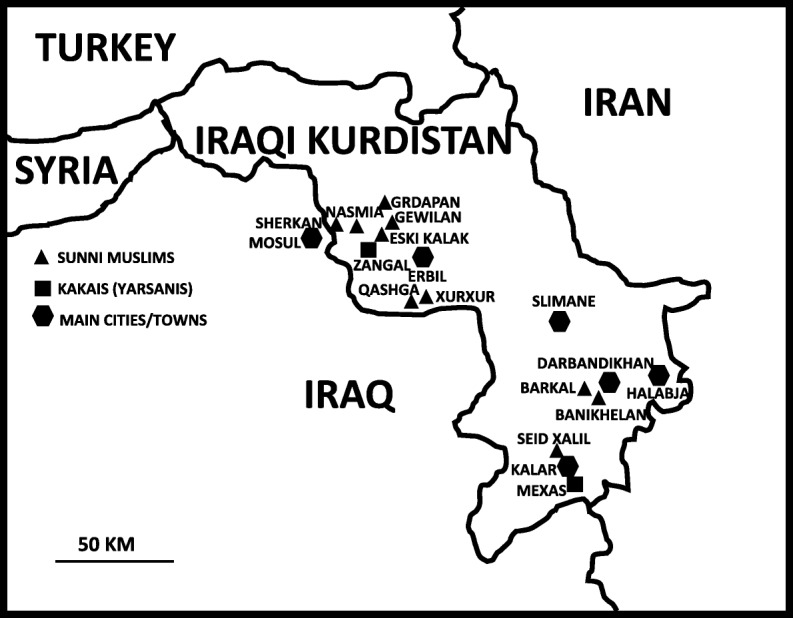
Twelve villages were visited and 123 study participants (55 Kakai and 68 Muslim Kurds) were interviewed on the specific topic of the wild food plants they currently gather and consume.
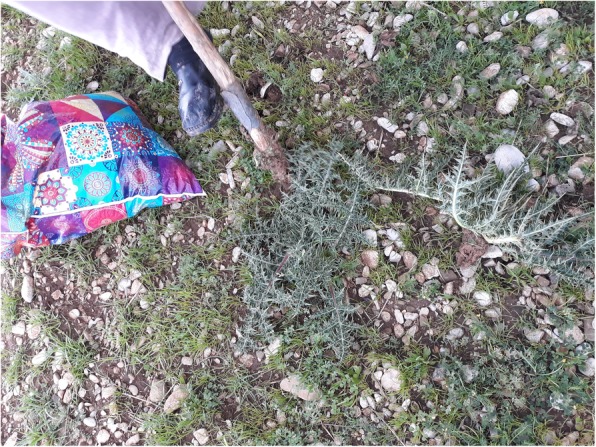
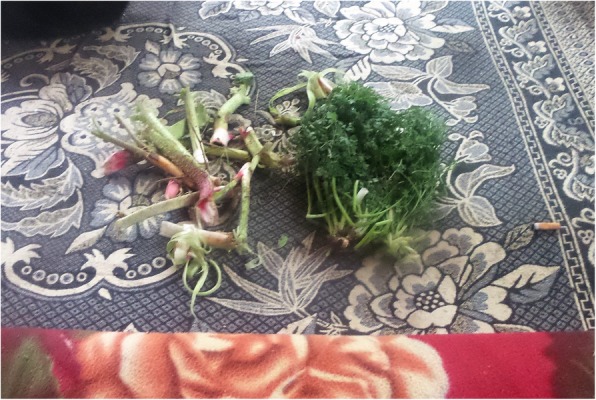
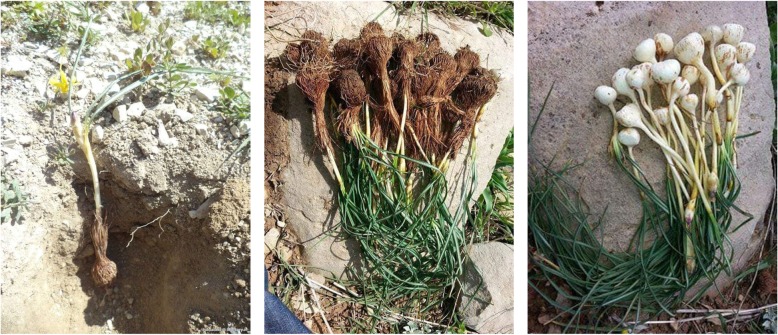
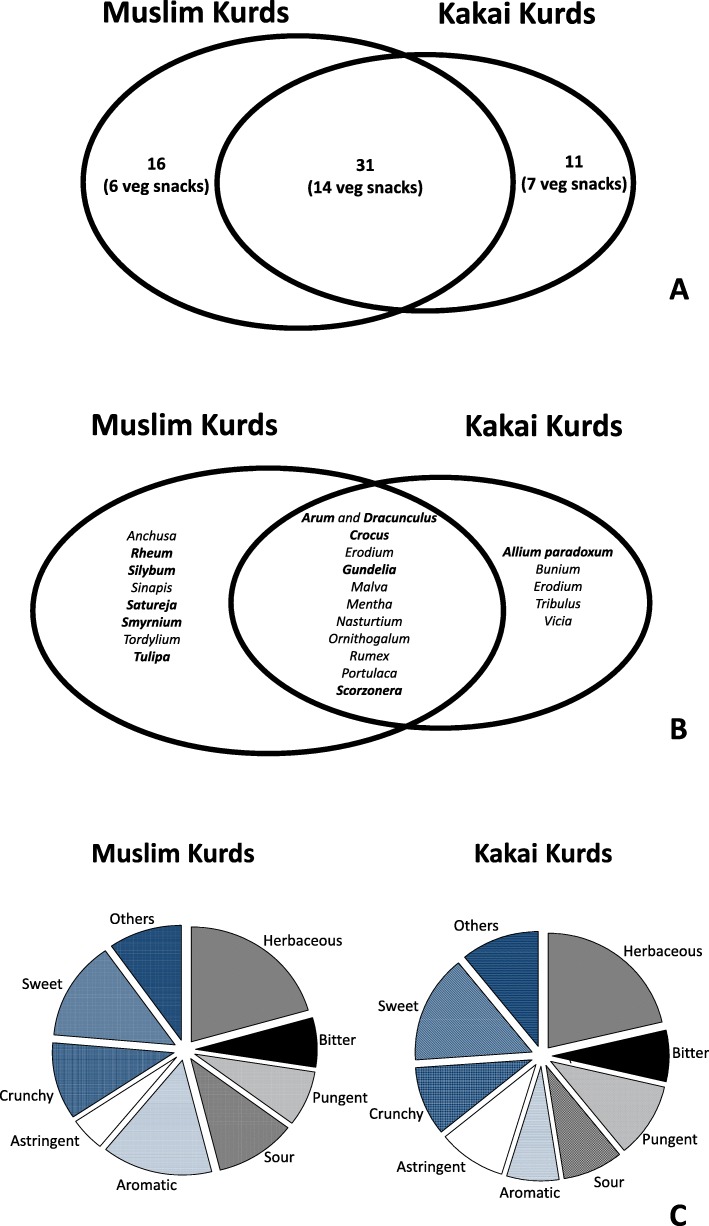
The culinary use of 54 folk wild plant taxa (corresponding to 65 botanical taxa) and two folk wild mushroom taxa were documented. While Kakais and Muslims do share a majority of the quoted food plants and also their uses, among the plant ingredients exclusively and commonly quoted by Muslims non-weedy plants are slightly preponderant. Moreover, more than half of the overall recorded wild food plants are used raw as snacks, i.e. plant parts are consumed on the spot after their gathering and only sometimes do they enter into the domestic arena. Among them, it is worth mentioning the consumption of raw wild crocus corms, also still common in Turkish Kurdistan and that of wild tulip bulbs, which was documented to be popular until the beginning of the twentieth century in the Middle East. Comparison with other ethnobotanical field studies recently conducted among surrounding populations has shown that Kurds tend to gather and consume the largest number of non-weedy wild vegetables.
The collected data indicate robust traces of nomadic pastoralism in Kurdish traditional foraging. This finding confirms that studies on wild food plant gathering in the Fertile Crescent and Turco-Arabic-Iranic regions of the Middle East are crucial for understanding the possible evolution of wild food plant gathering through history within the post-Neolithic continuum between pastoralism and horticulturalism.
伊拉克库尔德斯坦是生物文化多样性的一个特殊热点地区,也是研究传统野生食用植物采集模式的热点地区,因为该地区是第一个新石器时代社区的所在地,并且在几千年的时间里,一直是不同文明和文化的交汇点。本民族植物学实地研究的目的是跨文化比较库尔德穆斯林传统采集的野生食用植物和古代库尔德卡卡伊(雅兹迪)宗教团体采集的野生食用植物,并可能更好地理解这些实践背后的人类生态学。
访问了 12 个村庄,并对 123 名研究参与者(55 名卡卡伊和 68 名库尔德穆斯林)进行了采访,主题是他们目前采集和食用的野生食用植物。
记录了 54 种民间野生植物类群(对应 65 种植物类群)和 2 种民间野生蘑菇类群的食用用途。虽然卡卡伊和穆斯林确实共同分享了大多数被引用的食用植物及其用途,但在穆斯林独家和共同引用的植物成分中,非杂草植物略占优势。此外,记录的野生食用植物中超过一半被用作生的零食,即在采集后就地食用植物的一部分,只有在某些情况下才会进入家庭领域。其中,值得一提的是生吃野生番红花球茎的做法,这种做法在土耳其库尔德斯坦仍然很常见,还有生吃野生郁金香鳞茎的做法,这种做法在 20 世纪初在中东很流行。与最近在周边人群中进行的其他民族植物学实地研究的比较表明,库尔德人倾向于采集和食用最多的非杂草野生蔬菜。
收集的数据表明,库尔德传统采集中存在着游牧畜牧业的明显痕迹。这一发现证实,对新月沃地和中东的土耳其-阿拉伯-伊朗语地区野生食用植物采集的研究对于理解历史上在游牧和园艺之间的新石器时代连续体中野生食用植物采集的可能演变至关重要。