Center for Computational Biology and Bioinformatics, Indiana University School of Medicine, Indianapolis, IN, 46202, USA.
Department of Medical & Molecular Genetics, Indiana University School of Medicine, 410 West 10th Street, Suite 5000, Indianapolis, IN, 46202, USA.
Genome Biol. 2019 Nov 28;20(1):254. doi: 10.1186/s13059-019-1847-4.
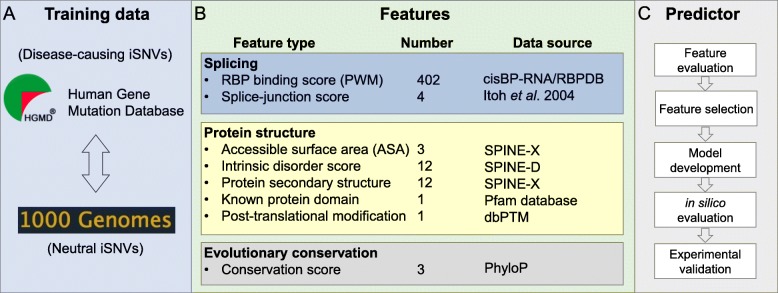
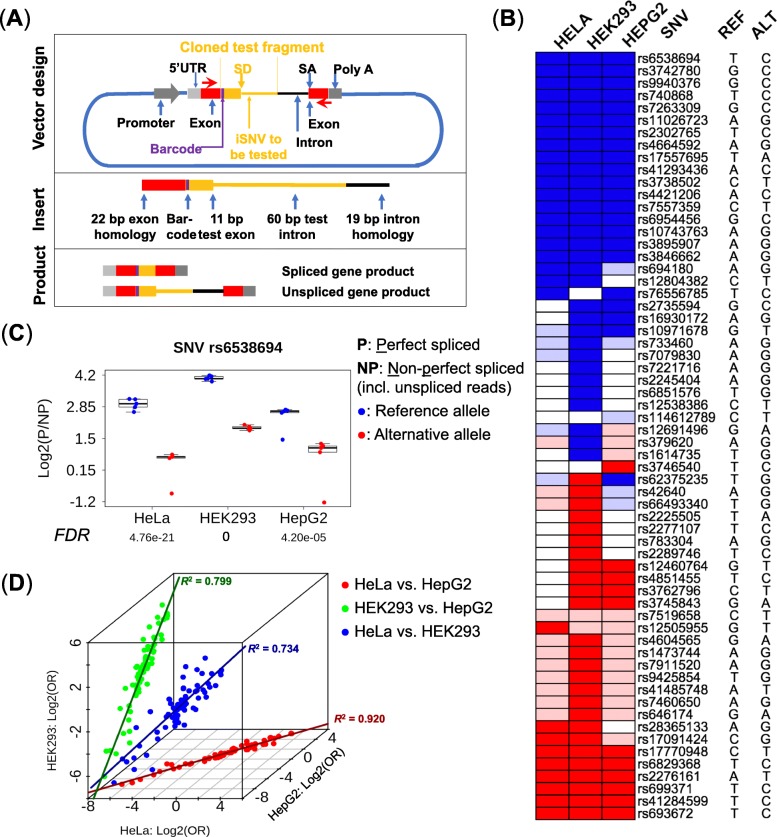
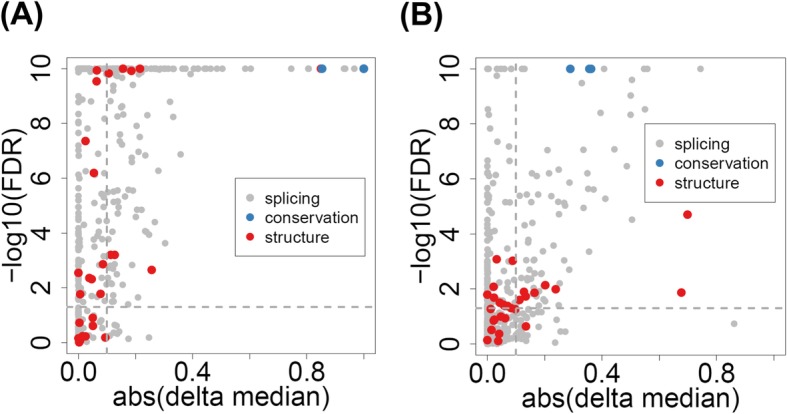
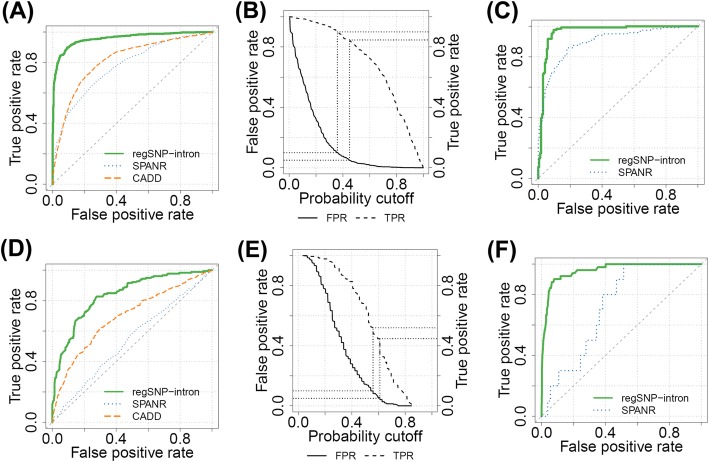
Single nucleotide variants (SNVs) in intronic regions have yet to be systematically investigated for their disease-causing potential. Using known pathogenic and neutral intronic SNVs (iSNVs) as training data, we develop the RegSNPs-intron algorithm based on a random forest classifier that integrates RNA splicing, protein structure, and evolutionary conservation features. RegSNPs-intron showed excellent performance in evaluating the pathogenic impacts of iSNVs. Using a high-throughput functional reporter assay called ASSET-seq (ASsay for Splicing using ExonTrap and sequencing), we evaluate the impact of RegSNPs-intron predictions on splicing outcome. Together, RegSNPs-intron and ASSET-seq enable effective prioritization of iSNVs for disease pathogenesis.
内含子区域的单核苷酸变异(SNVs)尚未被系统地研究其致病潜力。我们使用已知的致病性和中性内含子 SNVs(iSNVs)作为训练数据,基于随机森林分类器开发了 RegSNPs-intron 算法,该算法整合了 RNA 剪接、蛋白质结构和进化保守性特征。RegSNPs-intron 在评估 iSNVs 的致病影响方面表现出优异的性能。我们使用一种称为 ASSET-seq(使用 ExonTrap 和测序进行剪接的测定)的高通量功能报告基因检测方法,评估了 RegSNPs-intron 预测对剪接结果的影响。RegSNPs-intron 和 ASSET-seq 一起可有效地对 iSNVs 进行疾病发病机制的优先级排序。