Zhang Yanqiu, Li Wei, He Zuhong, Wang Yunfeng, Shao Buwei, Cheng Cheng, Zhang Shasha, Tang Mingliang, Qian Xiaoyun, Kong Weijia, Wang Hui, Chai Renjie, Gao Xia
Jiangsu Provincial Key Medical Discipline (Laboratory), Department of Otolaryngology Head and Neck Surgery, Nanjing Drum Tower Hospital Clinical College of Nanjing Medical University, Nanjing, China.
MOE Key Laboratory for Developmental Genes and Human Disease, Institute of Life Sciences, Jiangsu Province High-Tech Key Laboratory for Bio-Medical Research, Southeast University, Nanjing, China.
Front Mol Neurosci. 2019 Nov 6;12:264. doi: 10.3389/fnmol.2019.00264. eCollection 2019.
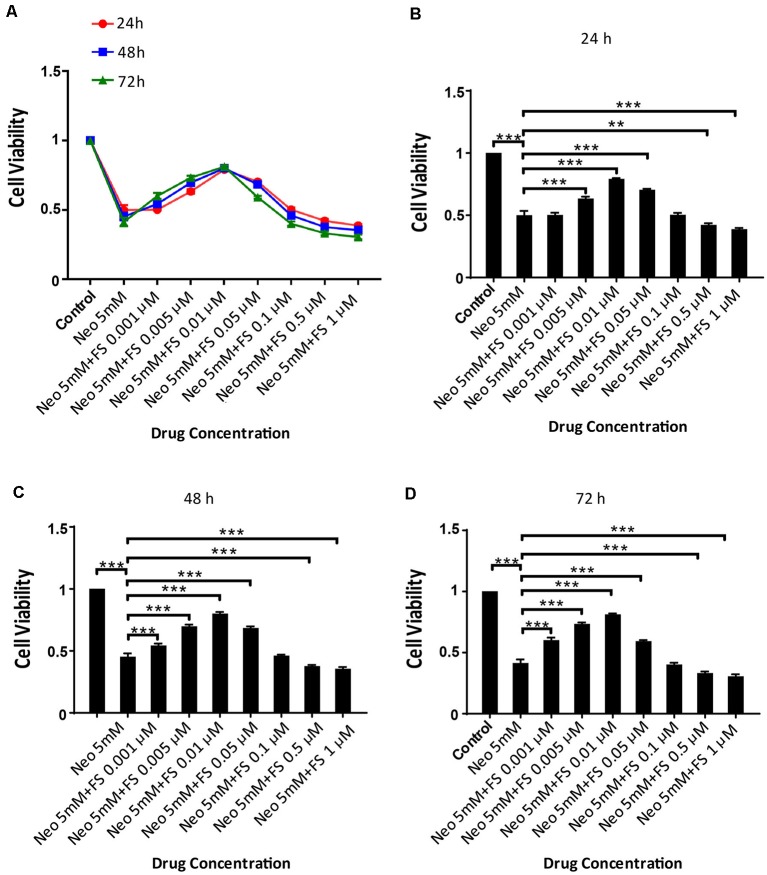
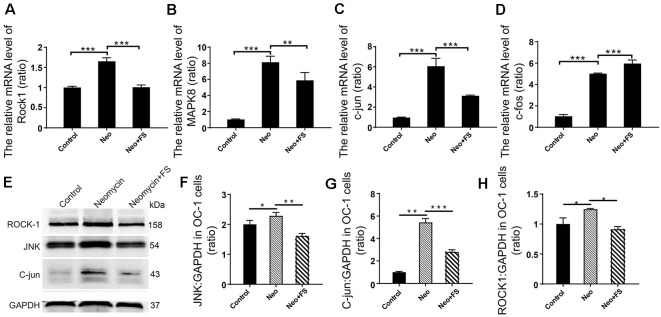
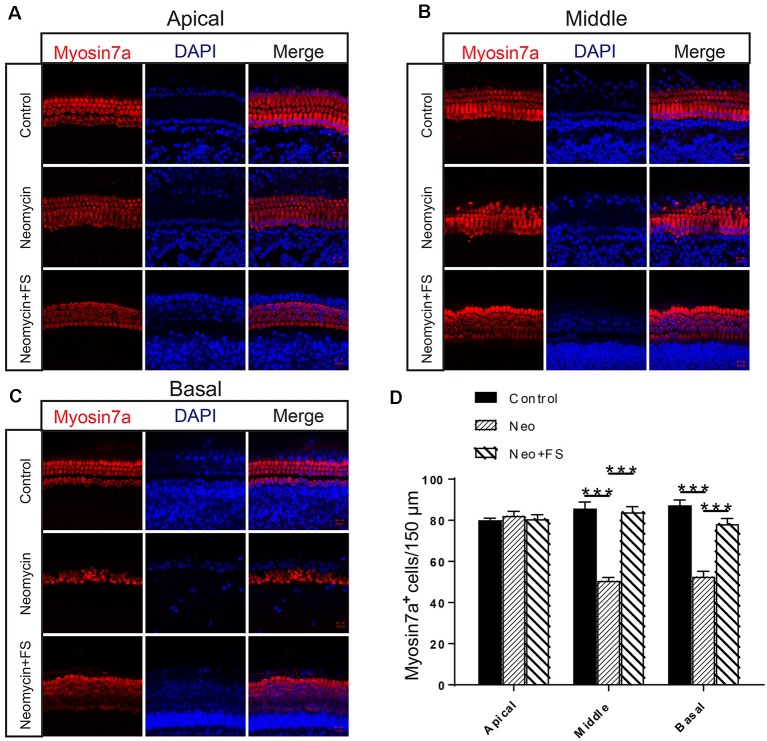
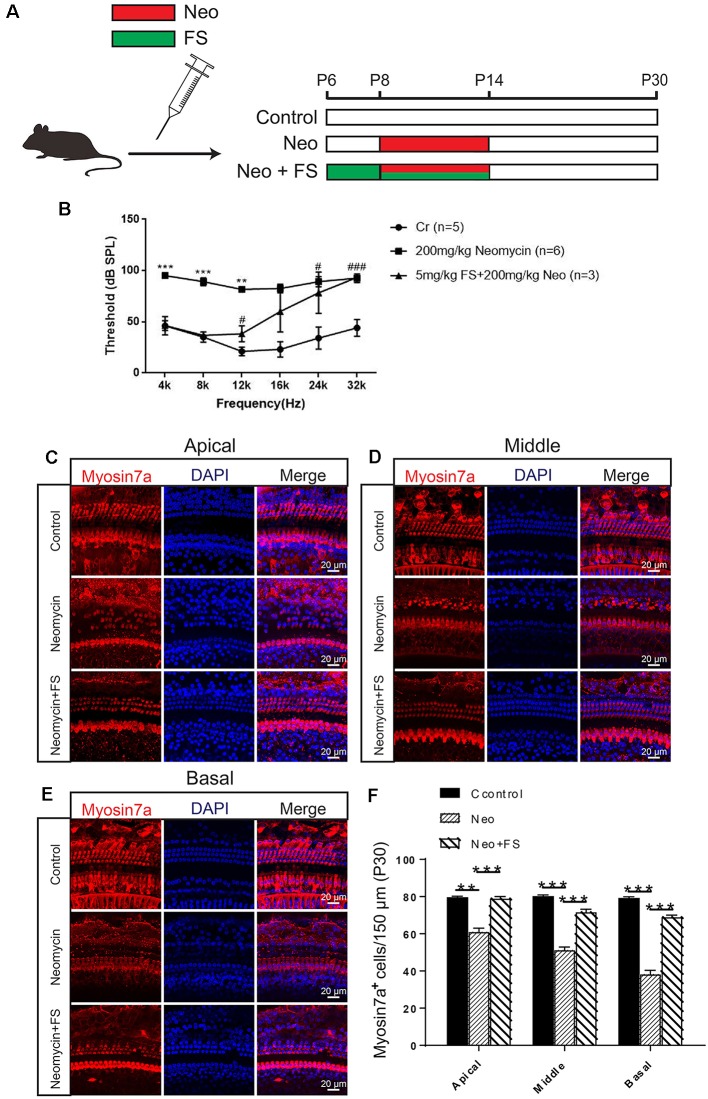
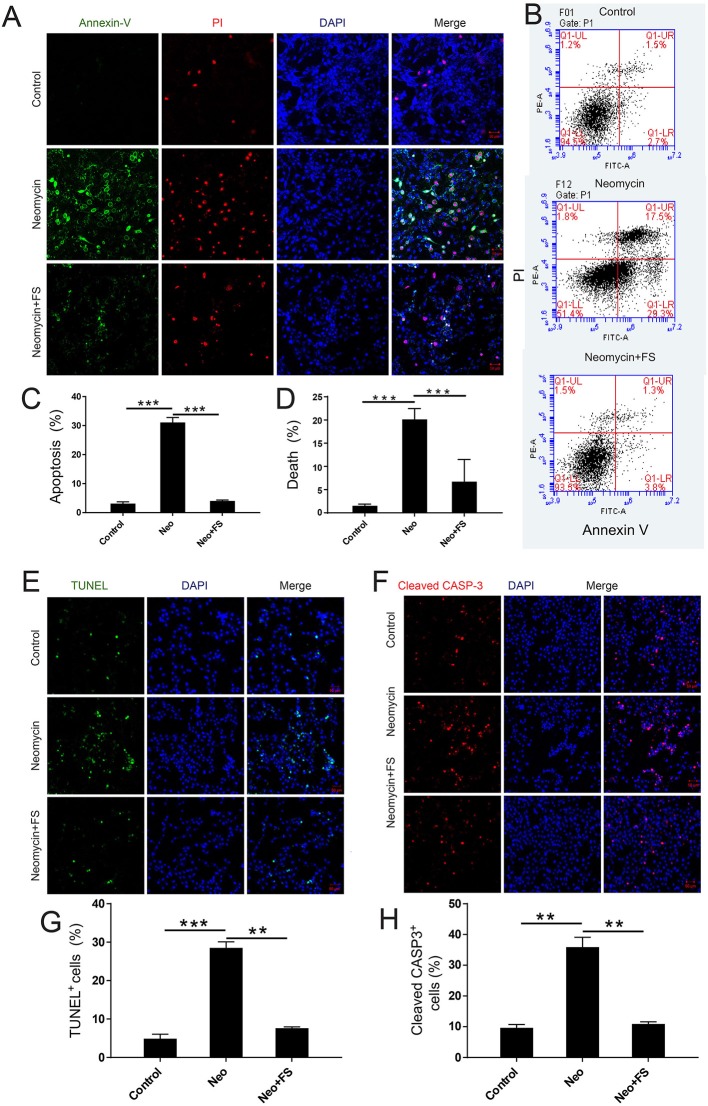
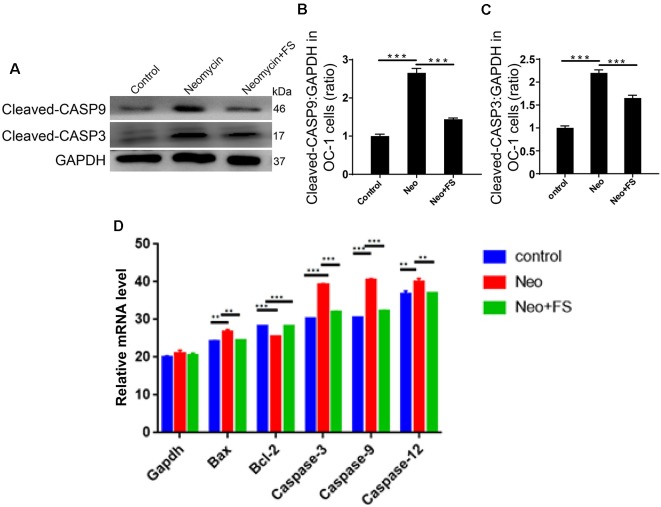
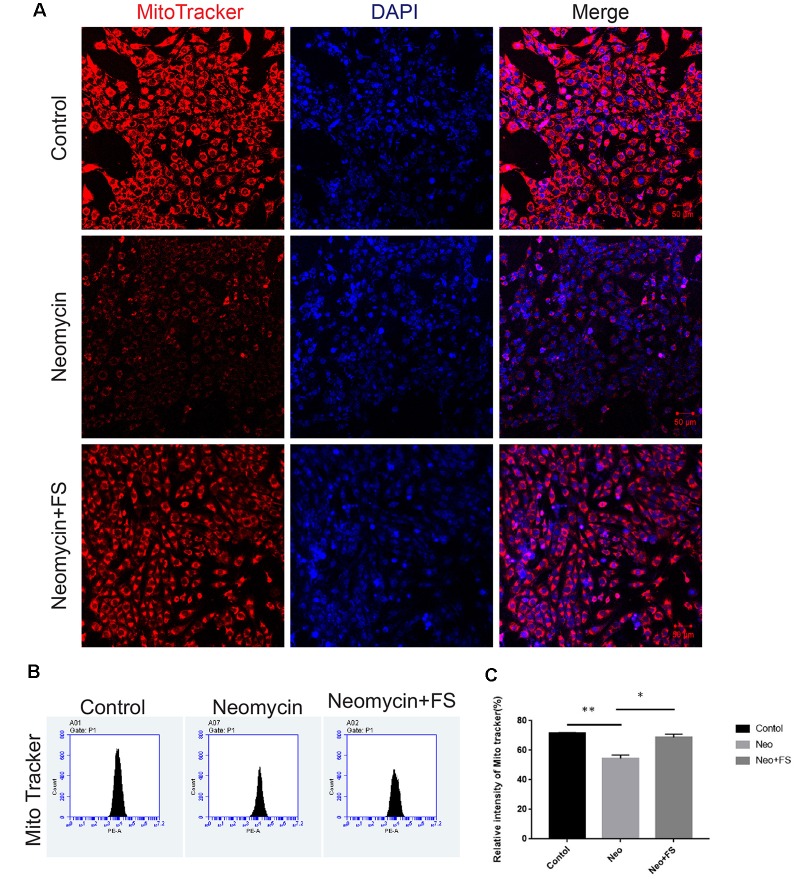
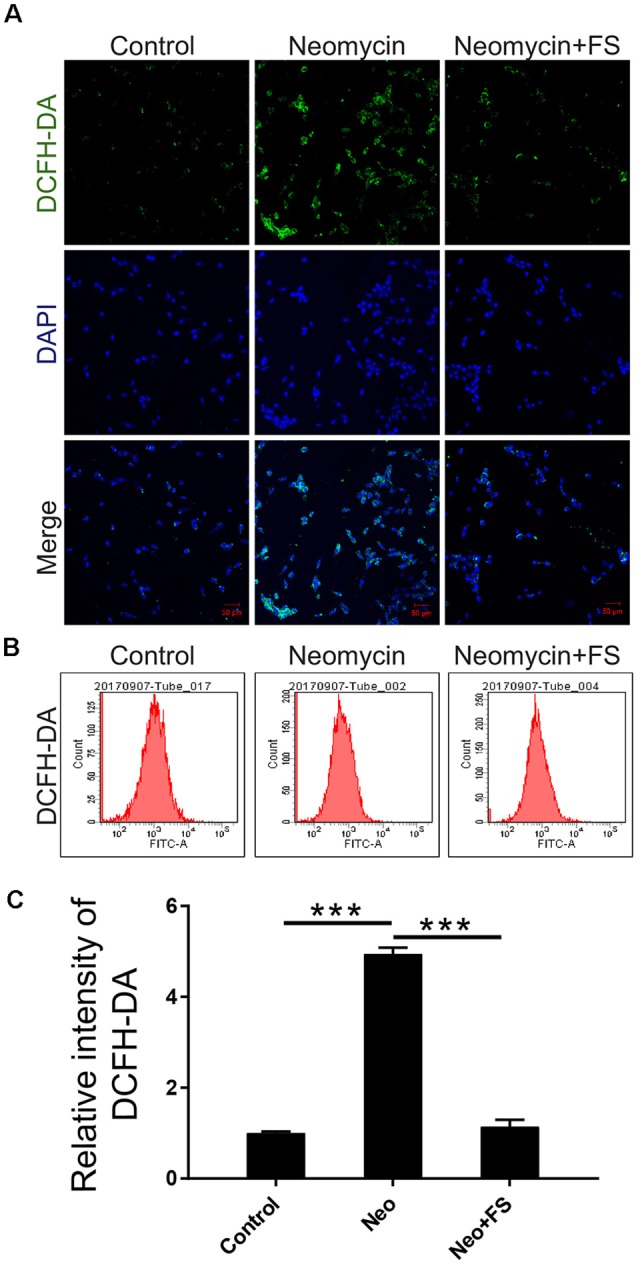
Ototoxic drug-induced hair cell (HC) damage is one of the main causes of sensorineural hearing loss, which is one of the most common sensory disorders in humans. Aminoglycoside antibiotics are common ototoxic drugs, and these can cause the accumulation of intracellular oxygen free radicals and lead to apoptosis in HCs. Fasudil is a Rho kinase inhibitor and vasodilator that has been widely used in the clinic and has been shown to have neuroprotective effects. However, the possible application of fasudil in protecting against aminoglycoside-induced HC loss and hearing loss has not been investigated. In this study, we investigated the ability of fasudil to protect against neomycin-induced HC loss both and . We found that fasudil significantly reduced the HC loss in cochlear whole-organ explant cultures and reduced the cell death of auditory HEI-OC1 cells after neomycin exposure . Moreover, we found that fasudil significantly prevented the HC loss and hearing loss of mice in the neomycin damage model. Furthermore, we found that fasudil could significantly inhibit the Rho signaling pathway in the auditory HEI-OC1 cells after neomycin exposure, thus further reducing the neomycin-induced accumulation of reactive oxygen species and subsequent apoptosis in HEI-OC1 cells. This study suggests that fasudil might contribute to the increased viability of HCs after neomycin exposure by inhibition of the Rho signaling pathway and suggests a new therapeutic target for the prevention of aminoglycoside-induced HC loss and hearing loss.
耳毒性药物引起的毛细胞(HC)损伤是感音神经性听力损失的主要原因之一,感音神经性听力损失是人类最常见的感觉障碍之一。氨基糖苷类抗生素是常见的耳毒性药物,这些药物可导致细胞内氧自由基积累并导致毛细胞凋亡。法舒地尔是一种Rho激酶抑制剂和血管扩张剂,已在临床上广泛应用,并已显示出具有神经保护作用。然而,法舒地尔在预防氨基糖苷类药物引起的毛细胞损失和听力损失方面的潜在应用尚未得到研究。在本研究中,我们研究了法舒地尔预防新霉素引起的毛细胞损失的能力。我们发现,法舒地尔显著减少了耳蜗全器官外植体培养物中的毛细胞损失,并减少了新霉素暴露后听觉HEI-OC1细胞的细胞死亡。此外,我们发现法舒地尔在新霉素损伤模型中显著预防了小鼠的毛细胞损失和听力损失。此外,我们发现法舒地尔在新霉素暴露后可显著抑制听觉HEI-OC1细胞中的Rho信号通路,从而进一步减少新霉素诱导的活性氧积累以及随后HEI-OC1细胞的凋亡。本研究表明,法舒地尔可能通过抑制Rho信号通路有助于新霉素暴露后毛细胞活力的提高,并为预防氨基糖苷类药物引起的毛细胞损失和听力损失提出了一个新的治疗靶点。