Alrahabi Mothanna, Zafar Muhammad Sohail, Adanir Necdet
Department of Restorative Dentistry, College of Dentistry, Taibah University, Madinah Munnawara, Saudi Arabia.
Department of Dental Materials, Islamic International Dental College, Riphah International University, Islamabad, Pakistan.
Eur J Dent. 2019 Jul;13(3):450-458. doi: 10.1055/s-0039-1700767. Epub 2019 Dec 3.
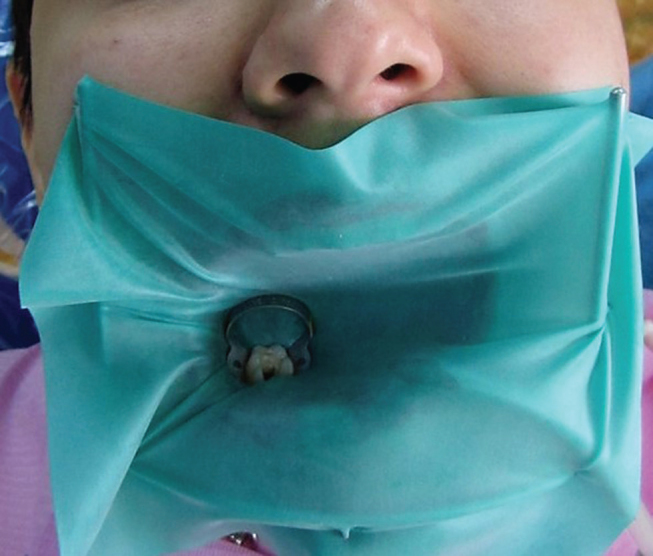
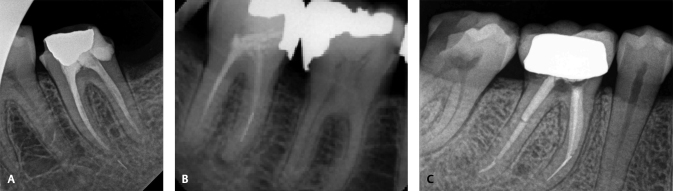
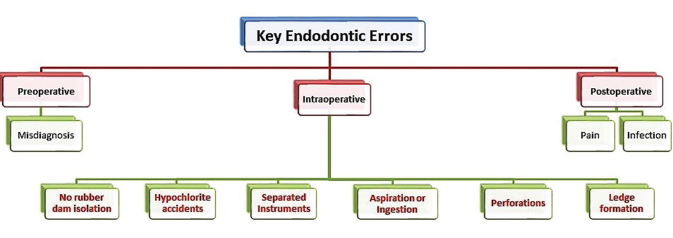
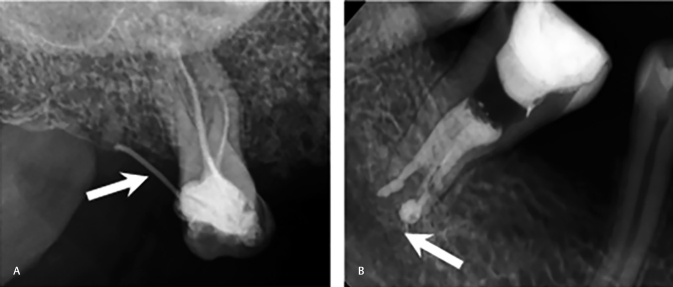
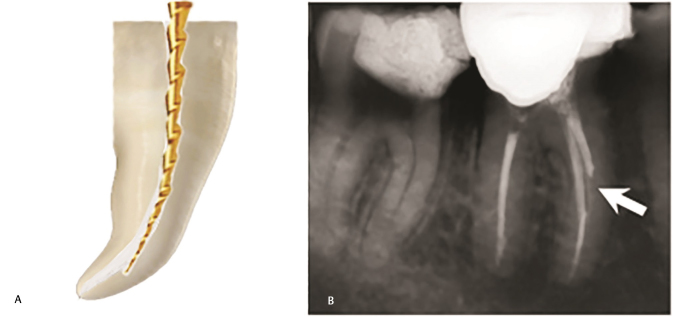
The clinical dentistry and endodontic procedures involve very technique-sensitive procedures, therefore exposing the operator to risks of causes not only damage to patients but also leads to malpractice. Among various disciplines of dentistry, endodontics-related cases witness the most frequently filed malpractice claims. This is due to the fact that the endodontic treatment procedures involve operative and surgical procedures, using a variety of medicaments and techniques. The endodontic procedural errors can be preoperative errors (such as incorrect diagnosis and misinterpretation), intraoperative errors including root canal and pulp chamber perforations, ledge formation leading to apical transportation or zipping, hypochlorite accidents, and fracture of instruments. More critically, failure to use rubber dam may result in inhalation or ingestion of endodontic instruments. Under such circumstances, the endodontist may have to face legal consequences. Due to the increased healthcare load and patients' awareness, it is important to know the legal ramifications of adverse effects, failed restorations, or other complications, to avoid any legal ramifications of endodontic procedures and associated techniques. Therefore, precautions must be taken to prevent any postsurgical complications, patient complaints, and/or failures. For this purpose, the operator must consider ethical principles and adhere strictly to the standards of healthcare while performing the diagnosis and treatment. A referral toward a specialist or consultant endodontist is always an appreciable option and should be considered in the best interest of the patient. The aim of the article is to highlight various aspects of malpractice in clinical endodontics, and associated materials and challenges. In addition, commonly occurring operating errors during endodontic treatment, possible consequences, precautions, and management have been discussed.
临床牙科和牙髓治疗程序涉及非常技术敏感的操作,因此使操作人员面临风险,不仅会对患者造成损害,还会导致医疗事故。在牙科的各个学科中,与牙髓病学相关的病例见证了最频繁提出的医疗事故索赔。这是因为牙髓治疗程序涉及手术和外科手术,使用各种药物和技术。牙髓治疗程序错误可能是术前错误(如诊断不正确和误解)、术中错误,包括根管和髓腔穿孔、导致根尖移位或根管壁粘连的台阶形成、次氯酸盐事故以及器械折断。更关键的是,未使用橡皮障可能导致牙髓器械吸入或吞食。在这种情况下,牙髓病医生可能不得不面临法律后果。由于医疗保健负担的增加和患者意识的提高,了解不良反应、修复失败或其他并发症的法律后果非常重要,以避免牙髓治疗程序及相关技术的任何法律后果。因此,必须采取预防措施以防止任何术后并发症、患者投诉和/或治疗失败。为此,操作人员在进行诊断和治疗时必须考虑伦理原则并严格遵守医疗保健标准。转诊给专科牙髓病医生或咨询牙髓病医生始终是一个值得赞赏的选择,并且应该从患者的最佳利益出发予以考虑。本文的目的是强调临床牙髓病学中医疗事故的各个方面以及相关材料和挑战。此外,还讨论了牙髓治疗过程中常见的操作错误、可能的后果、预防措施和处理方法。