Rohm Charlene L, Acree Sara, Lovett Louis
Department of Internal Medicine, WellStar Kennestone Regional Medical Center, Marietta, Georgia, USA
Department of Graduate Medical Education, WellStar Kennestone Regional Medical Center, Marietta, Georgia, USA.
BMJ Case Rep. 2019 Dec 2;12(12):e230025. doi: 10.1136/bcr-2019-230025.
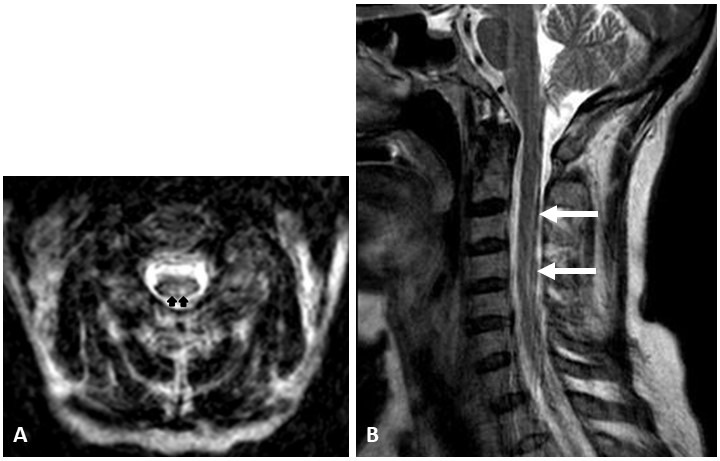
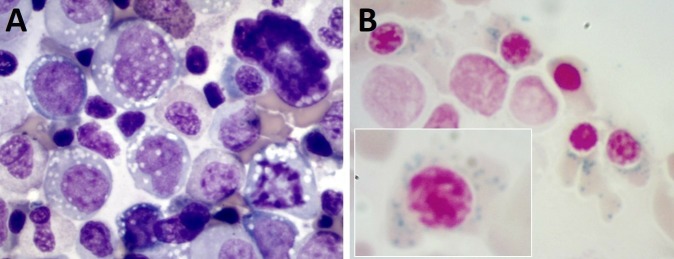
Hypocupremia is a rare and under-recognised cause of bone marrow dysplasia and myeloneuropathy. A 47-year-old Caucasian woman had progressive ascending peripheral neuropathy and gait ataxia over 3 months and fatigue, dyspnoea and unintentional weight loss over 8 months. She had profound macrocytic anaemia and neutropenia. Initial workup included normal serum vitamin B Bone marrow biopsy was suggestive of copper deficiency. Serum copper levels were later confirmed to be undetectable. The patient received oral copper repletion which resulted in complete normalisation of haematological abnormalities 16 weeks later. However, neurological deficits persisted. This case describes a delayed diagnosis of hypocupremia as initially suggested through invasive testing. Associating myeloneuropathy with cytopenia is imperative for accurate and prompt diagnosis of hypocupremia, which can be confirmed by serum analysis alone. Developing an accurate differential diagnosis can help prevent unnecessary procedures. Furthermore, initiating prompt copper repletion prevents further neurological impairment. Neurological deficits are often irreversible.
低铜血症是骨髓发育异常和脊髓神经病的一种罕见且未得到充分认识的病因。一名47岁的白种女性在3个月内出现进行性上升性周围神经病变和步态共济失调,在8个月内出现疲劳、呼吸困难和非故意体重减轻。她有严重的大细胞性贫血和中性粒细胞减少。初始检查包括血清维生素B正常。骨髓活检提示铜缺乏。血清铜水平后来被证实无法检测到。患者接受口服补铜治疗,16周后血液学异常完全恢复正常。然而,神经功能缺损持续存在。本病例描述了低铜血症的延迟诊断,最初是通过侵入性检查提示的。将脊髓神经病与血细胞减少症相关联对于准确、及时诊断低铜血症至关重要,低铜血症仅通过血清分析即可确诊。进行准确的鉴别诊断有助于避免不必要的检查。此外,及时开始补铜可防止进一步的神经损伤。神经功能缺损往往是不可逆的。