Lababidi Nashrawan, Sigal Valentin, Koenneke Aljoscha, Schwarzkopf Konrad, Manz Andreas, Schneider Marc
Department of Pharmacy, Biopharmaceutics and Pharmaceutical Technology, Saarland University, 66123 Saarbrücken, Germany.
Department of Anaesthesia and Intensive Care, Klinikum Saarbrücken, Winterberg, 66119 Saarbrücken, Germany.
Beilstein J Nanotechnol. 2019 Nov 19;10:2280-2293. doi: 10.3762/bjnano.10.220. eCollection 2019.
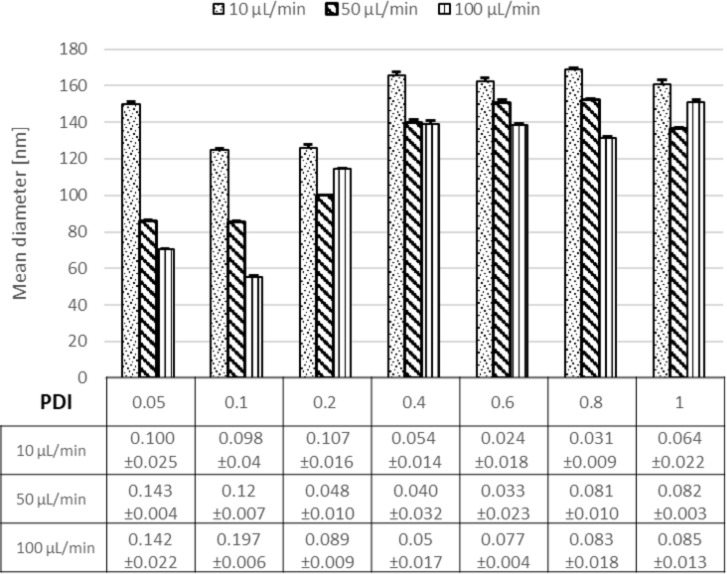
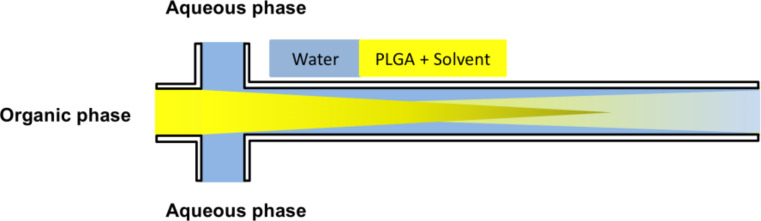
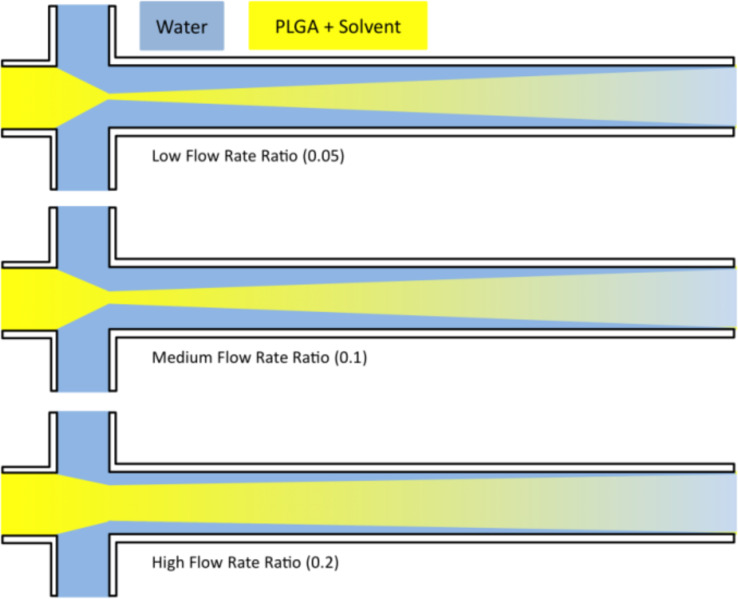
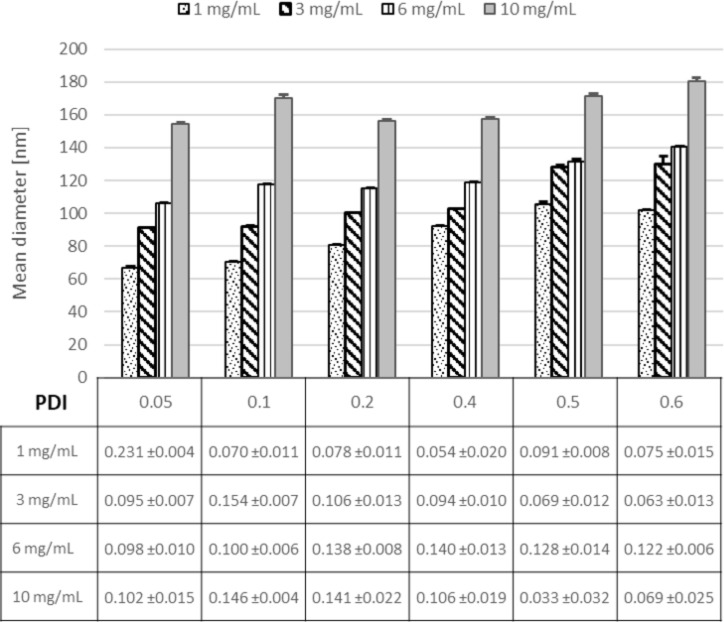
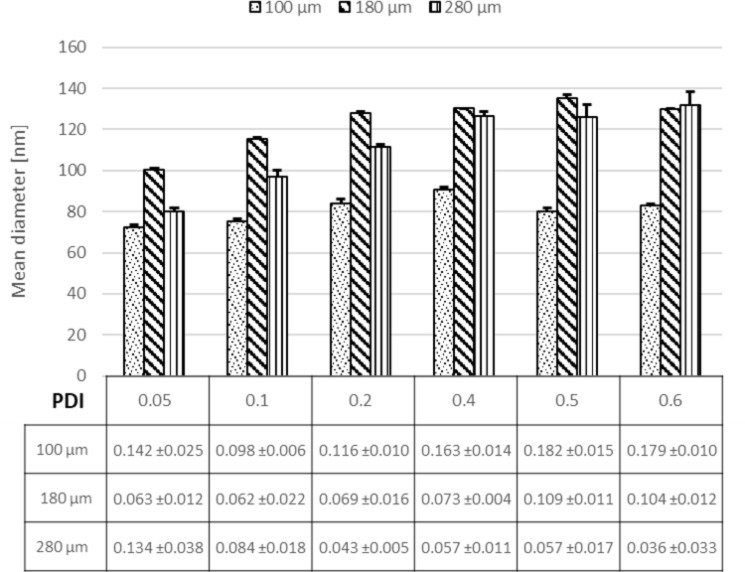
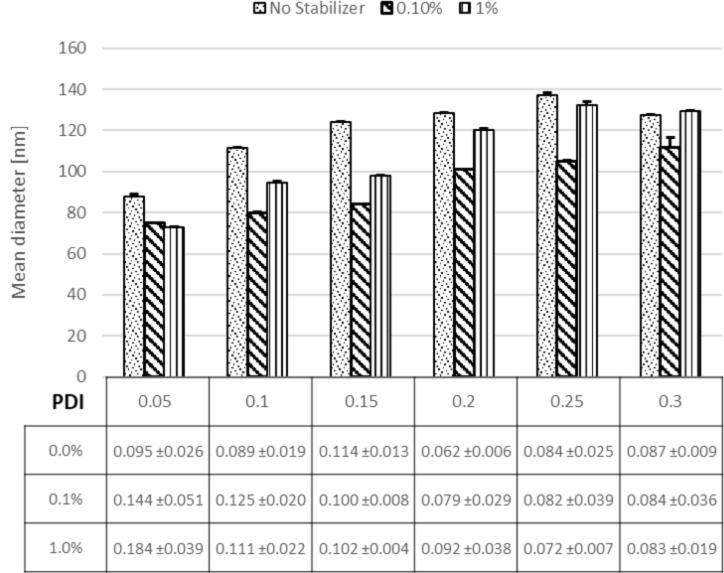
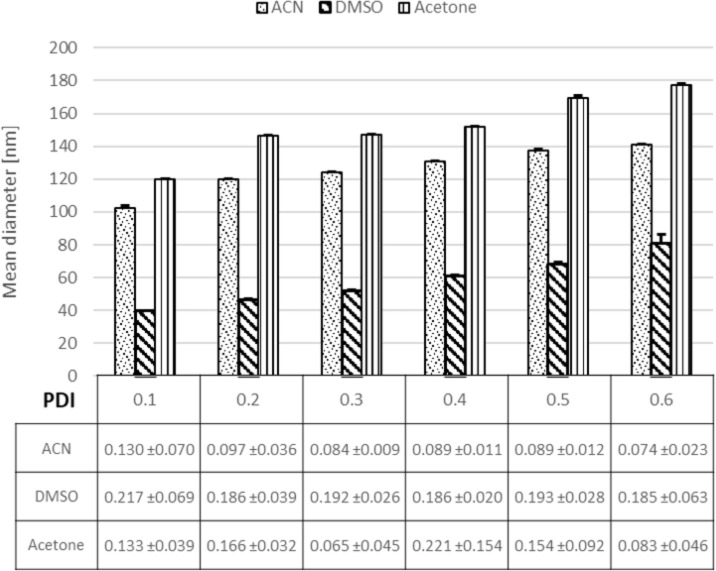
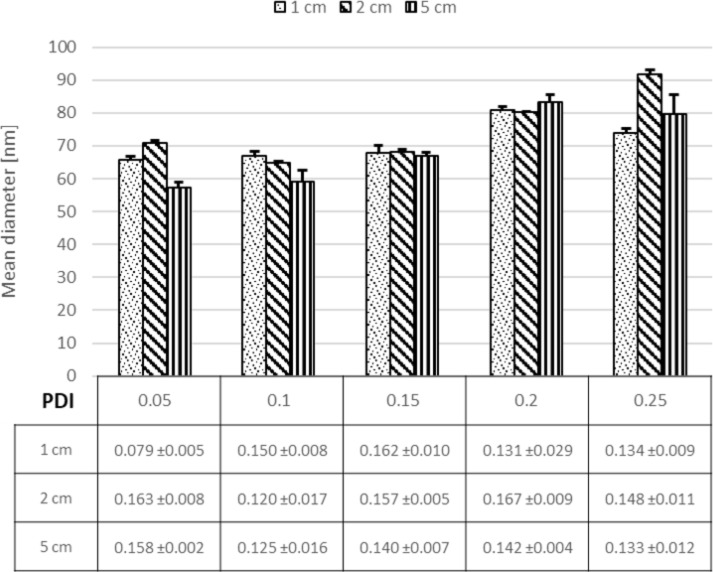
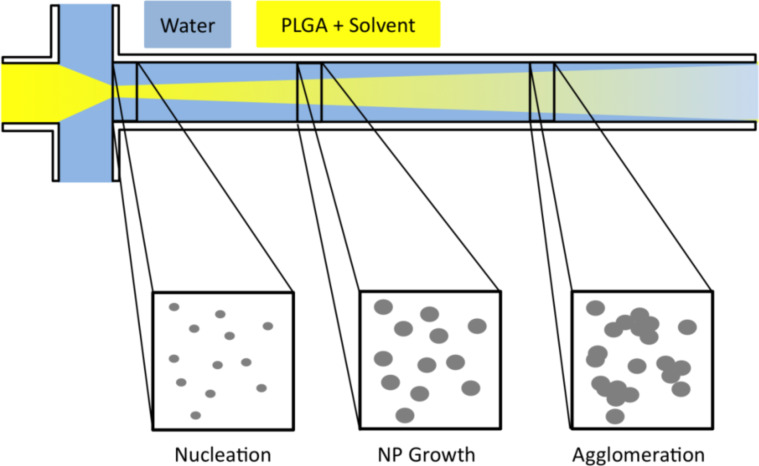
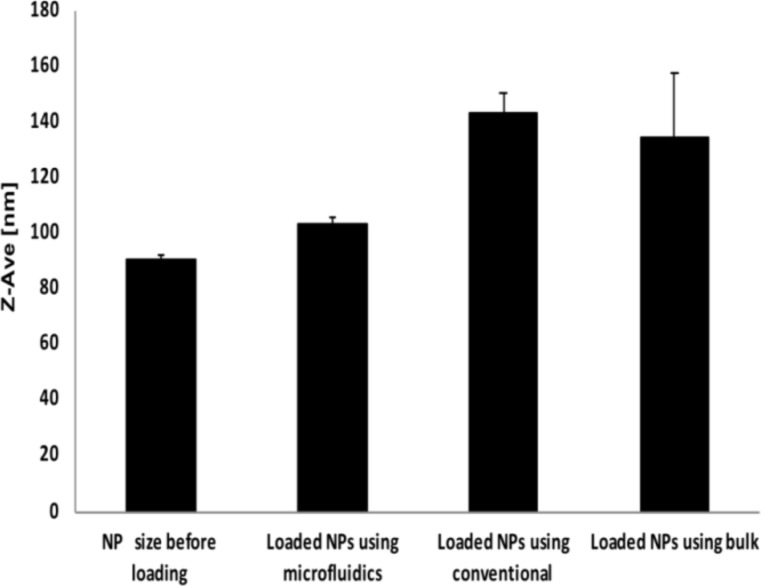
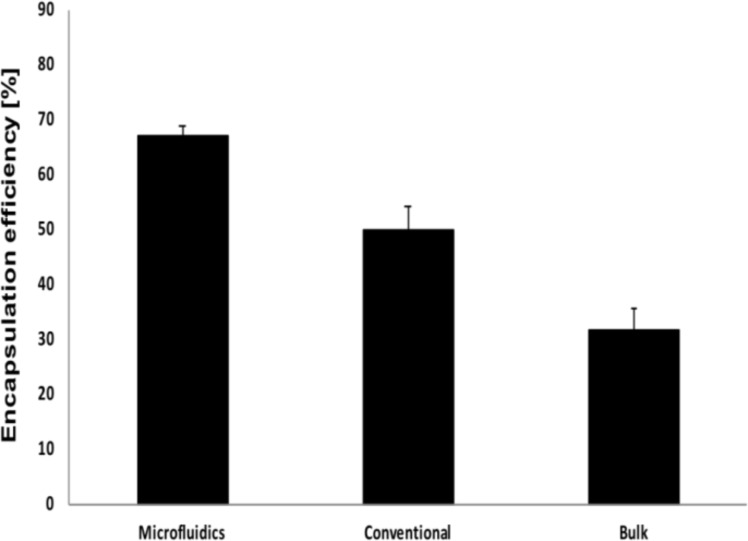
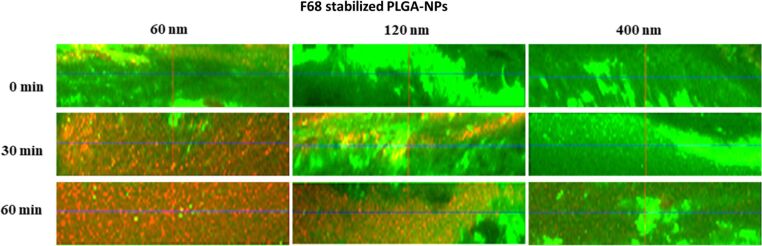
Great challenges still remain to develop drug carriers able to penetrate biological barriers (such as the dense mucus in cystic fibrosis) and for the treatment of bacteria residing in biofilms, embedded in mucus. Drug carrier systems such as nanoparticles (NPs) require proper surface chemistry and small size to ensure their permeability through the hydrogel-like systems. We have employed a microfluidic system to fabricate poly(lactic--glycolic acid) (PLGA) nanoparticles coated with a muco-penetrating stabilizer (Pluronic), with a tunable hydrodynamic diameter ranging from 40 nm to 160 nm. The size dependence was evaluated by varying different parameters during preparation, namely polymer concentration, stabilizer concentration, solvent nature, the width of the focus mixing channel, flow rate ratio and total flow rate. Furthermore, the influence of the length of the focus mixing channel on the size was evaluated in order to better understand the nucleation-growth mechanism. Surprisingly, the channel length was revealed to have no effect on particle size for the chosen settings. In addition, curcumin was loaded (EE% of ≈68%) very efficiently into the nanoparticles. Finally, the permeability of muco-penetrating PLGA NPs through pulmonary human mucus was assessed; small NPs with a diameter of less than 100 nm showed fast permeation, underlining the potential of microfluidics for such pharmaceutical applications.
要开发能够穿透生物屏障(如囊性纤维化中的浓稠黏液)并用于治疗存在于生物膜中、嵌入黏液的细菌的药物载体,仍然面临巨大挑战。诸如纳米颗粒(NPs)之类的药物载体系统需要合适的表面化学性质和小尺寸,以确保其能够透过类似水凝胶的系统。我们采用了一种微流控系统来制备包覆有黏液穿透性稳定剂(普朗尼克)的聚乳酸-乙醇酸共聚物(PLGA)纳米颗粒,其流体动力学直径可调,范围为40纳米至160纳米。通过在制备过程中改变不同参数,即聚合物浓度、稳定剂浓度、溶剂性质、聚焦混合通道宽度、流速比和总流速,来评估尺寸依赖性。此外,还评估了聚焦混合通道长度对尺寸的影响,以便更好地理解成核-生长机制。令人惊讶的是,在所选择的设置下,通道长度对颗粒尺寸没有影响。此外,姜黄素能够非常高效地载入纳米颗粒中(包封率约为68%)。最后,评估了黏液穿透性PLGA纳米颗粒透过人肺黏液的渗透性;直径小于100纳米的小纳米颗粒显示出快速渗透,突出了微流控技术在这类药物应用中的潜力。