Instituto de Ciencias Nucleares, Universidad Nacional Autónoma de México. Circuito Exterior S/N, Ciudad Universitaria, 04510, Ciudad de México, México.
Instituto Politécnico Nacional, Escuela Superior de Ingeniería Mecánica y Eléctrica, Santa Ana 1000, San Francisco Culhuacán, 04430, Ciudad de México, México.
Sci Rep. 2019 Dec 12;9(1):19000. doi: 10.1038/s41598-019-55448-5.
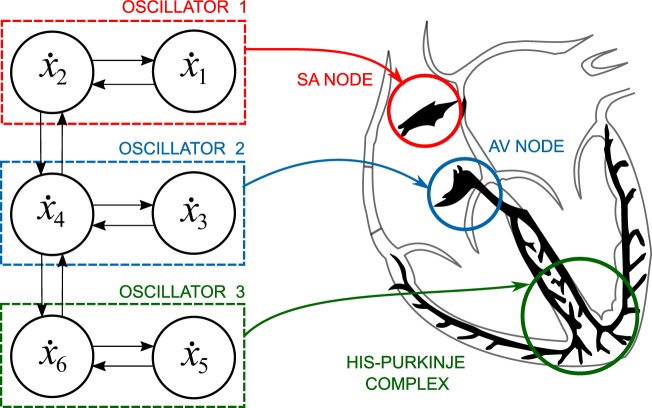
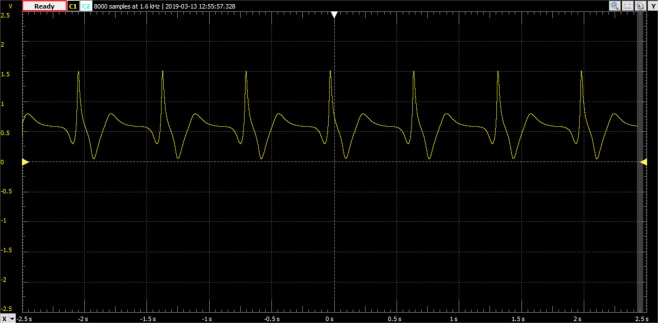
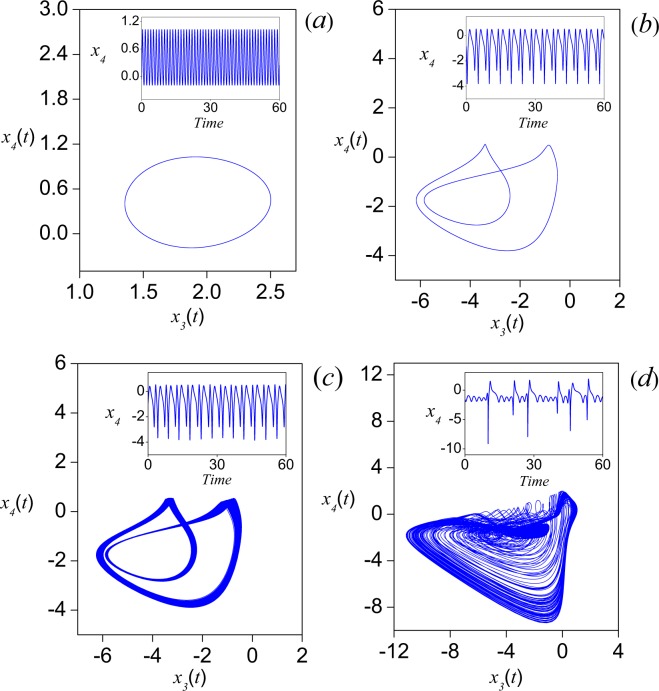
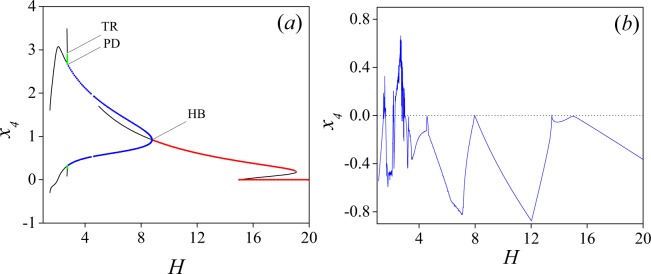
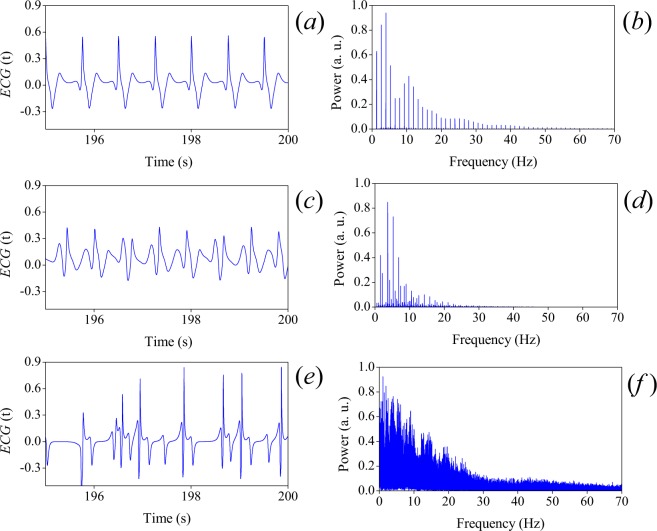
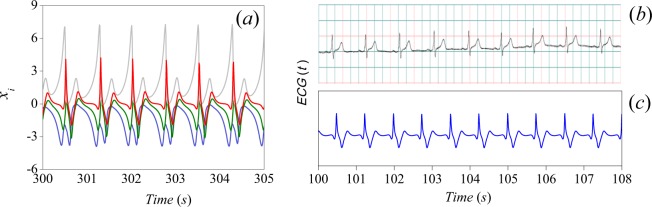
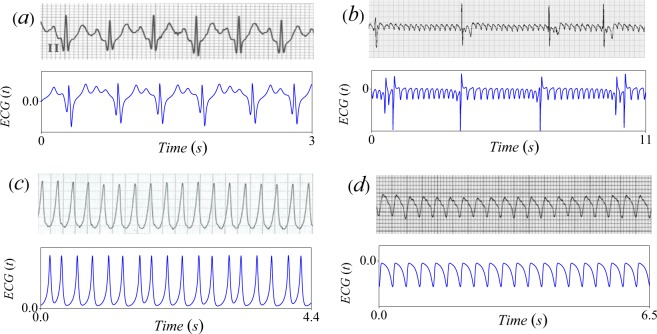
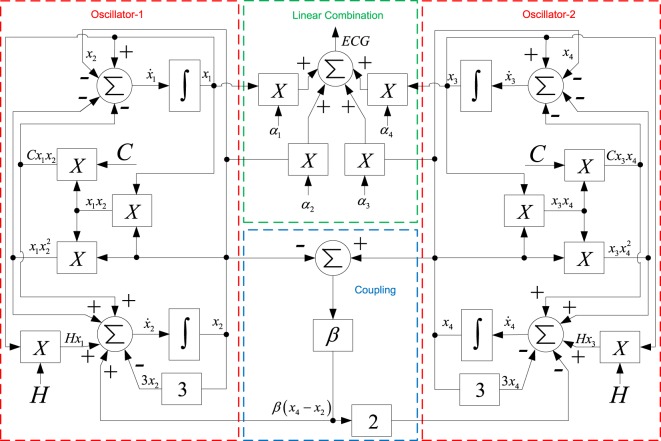
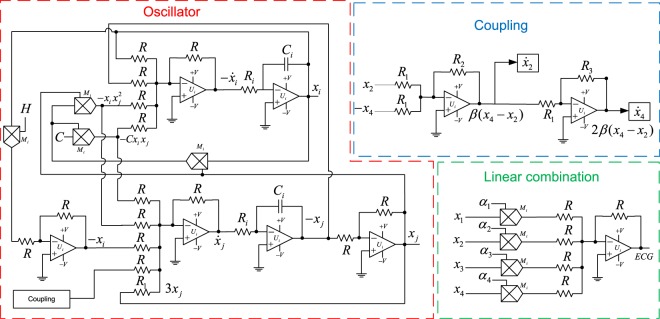
We propose a model to generate electrocardiogram signals based on a discretized reaction-diffusion system to produce a set of three nonlinear oscillators that simulate the main pacemakers in the heart. The model reproduces electrocardiograms from healthy hearts and from patients suffering various well-known rhythm disorders. In particular, it is shown that under ventricular fibrillation, the electrocardiogram signal is chaotic and the transition from sinus rhythm to chaos is consistent with the Ruelle-Takens-Newhouse route to chaos, as experimental studies indicate. The proposed model constitutes a useful tool for research, medical education, and clinical testing purposes. An electronic device based on the model was built for these purposes.
我们提出了一种基于离散化反应扩散系统生成心电图信号的模型,该模型产生了一组模拟心脏主要起搏器的三个非线性振荡器。该模型再现了健康心脏和患有各种著名节律紊乱的患者的心电图。特别是,研究表明,在心室颤动下,心电图信号是混沌的,从窦性节律到混沌的转变与实验研究表明的 Ruelle-Takens-Newhouse 通向混沌的路径一致。所提出的模型构成了用于研究、医学教育和临床测试目的的有用工具。为此目的构建了基于该模型的电子设备。