Animal Models and Retroviral Vaccines Section, Vaccine Branch, National Cancer Institute, National Institutes of Health, Bethesda, MD, USA.
Department of Microbiology and Immunology, The Peter Doherty Institute for Infection and Immunity, The University of Melbourne, Parkville, VIC, Australia.
Retrovirology. 2019 Dec 18;16(1):43. doi: 10.1186/s12977-019-0502-1.
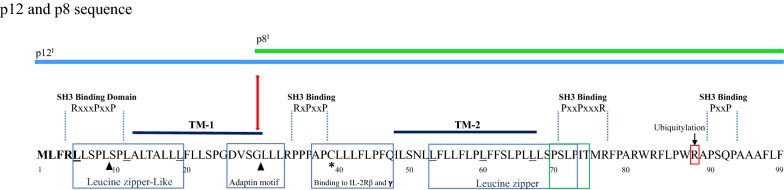
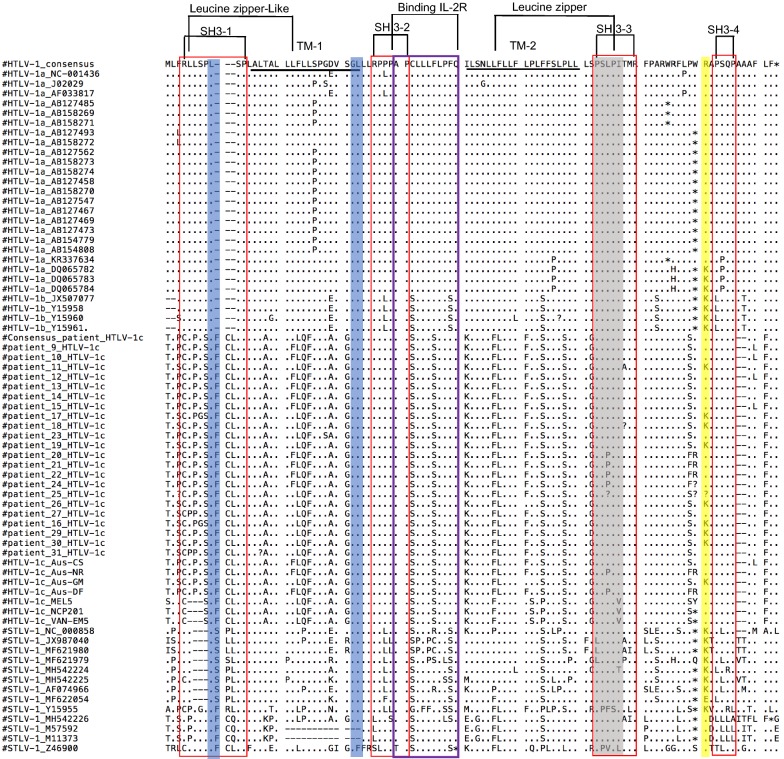
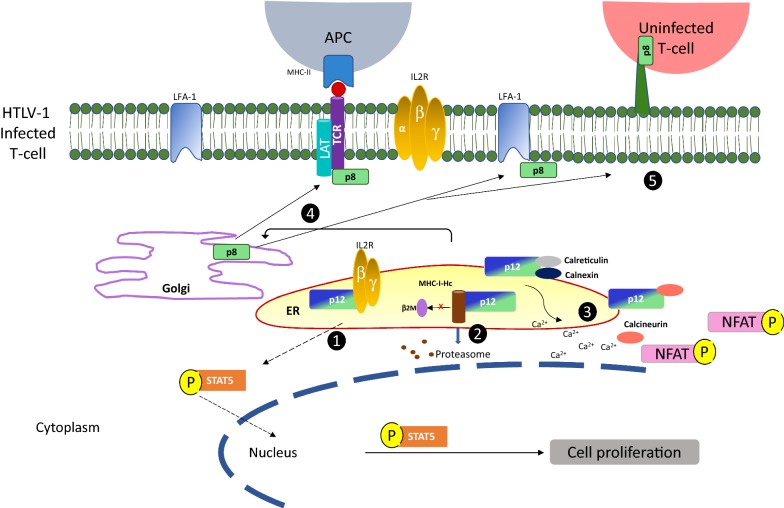
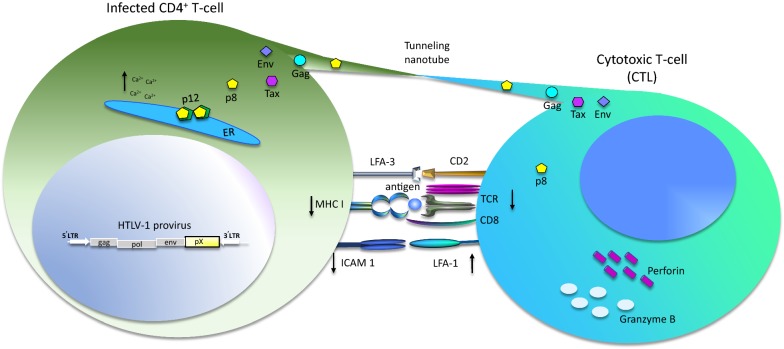
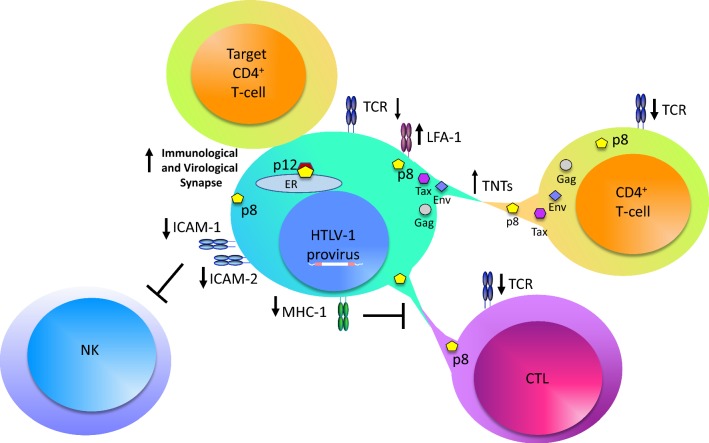
The human T cell leukemia virus type 1 (HTVL-1), first reported in 1980 by Robert Gallo's group, is the etiologic agent of both cancer and inflammatory diseases. Despite approximately 40 years of investigation, the prognosis for afflicted patients remains poor with no effective treatments. The virus persists in the infected host by evading the host immune response and inducing proliferation of infected CD4 T-cells. Here, we will review the role that viral orf-I protein products play in altering intracellular signaling, protein expression and cell-cell communication in order to escape immune recognition and promote T-cell proliferation. We will also review studies of orf-I mutations found in infected patients and their potential impact on viral load, transmission and persistence. Finally, we will compare the orf-I gene in HTLV-1 subtypes as well as related STLV-1.
人类 T 细胞白血病病毒 1 型(HTLV-1)于 1980 年由罗伯特·加洛(Robert Gallo)的团队首次报道,是癌症和炎症性疾病的病原体。尽管已经进行了大约 40 年的研究,但受感染患者的预后仍然很差,没有有效的治疗方法。该病毒通过逃避宿主免疫反应并诱导受感染的 CD4 T 细胞增殖而在感染宿主中持续存在。在这里,我们将回顾病毒 orf-I 蛋白产物在改变细胞内信号转导、蛋白表达和细胞间通讯以逃避免疫识别和促进 T 细胞增殖方面的作用。我们还将回顾在受感染患者中发现的 orf-I 突变及其对病毒载量、传播和持续存在的潜在影响的研究。最后,我们将比较 HTLV-1 亚型和相关的 STLV-1 中的 orf-I 基因。