Gutowska Anna, McKinnon Katherine, Sarkis Sarkis, Doster Melvin N, Bissa Massimiliano, Moles Ramona, Stamos James D, Rahman Mohammad Arif, Washington-Parks Robyn, Davis David, Yarchoan Robert, Franchini Genoveffa, Pise-Masison Cynthia A
Animal Models and Retroviral Vaccine Section, Center for Cancer Research, National Cancer Institute, Bethesda, MD, United States.
Department of Microbiological Diagnostics and Infectious Immunology, Medical University of Białystok, Białystok, Poland.
Front Med (Lausanne). 2022 May 5;9:897264. doi: 10.3389/fmed.2022.897264. eCollection 2022.
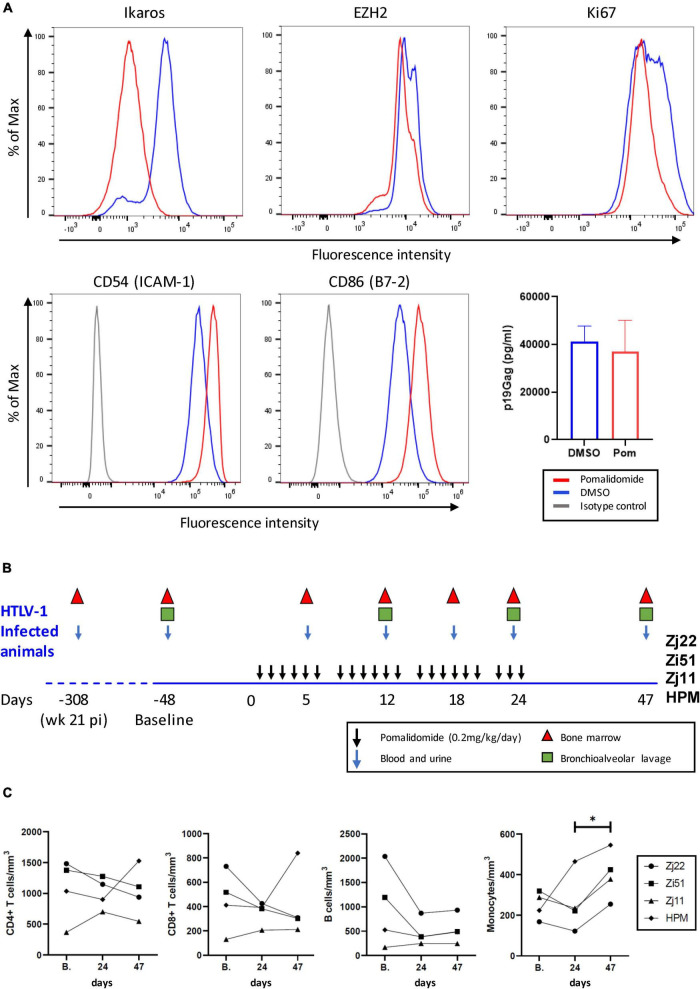
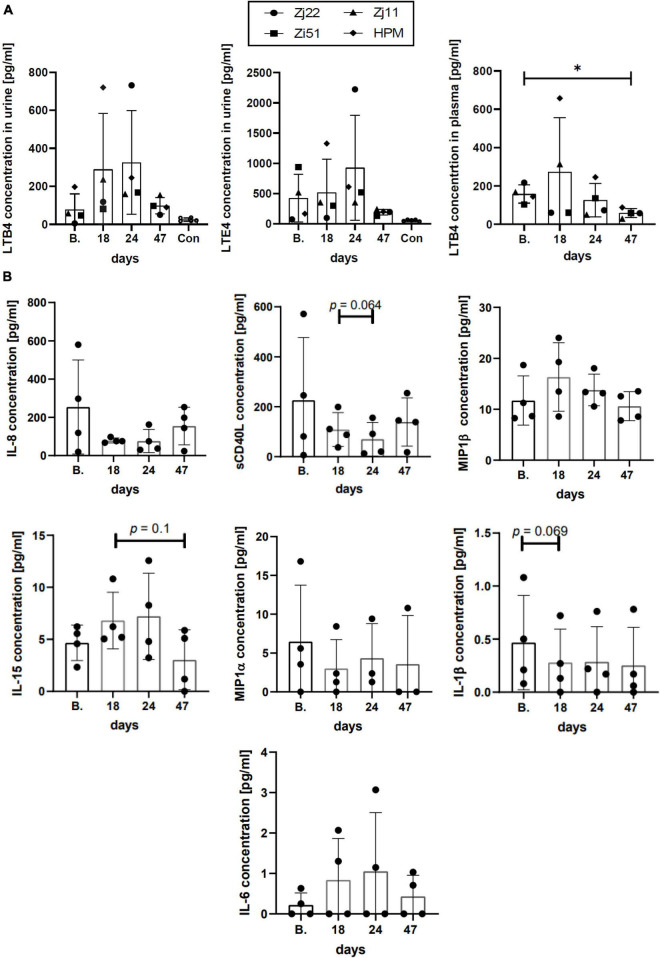
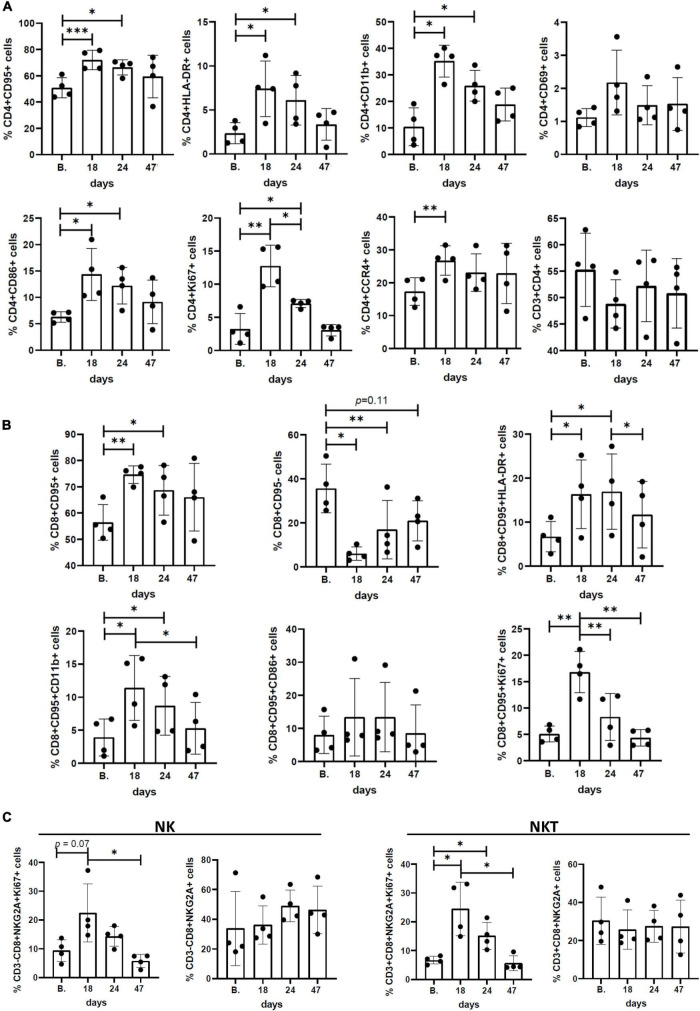
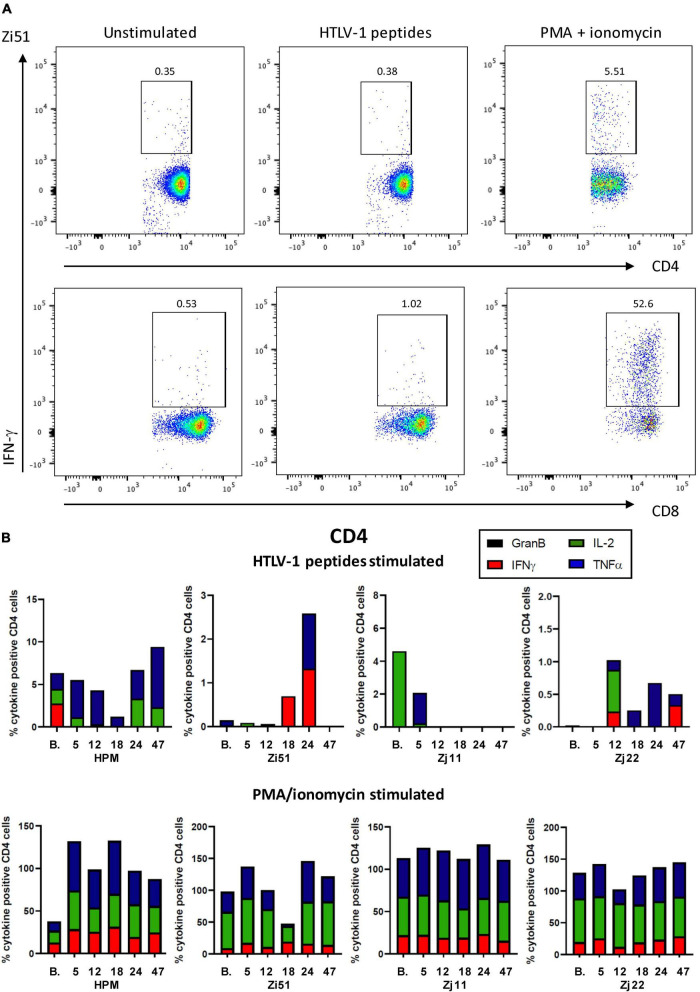
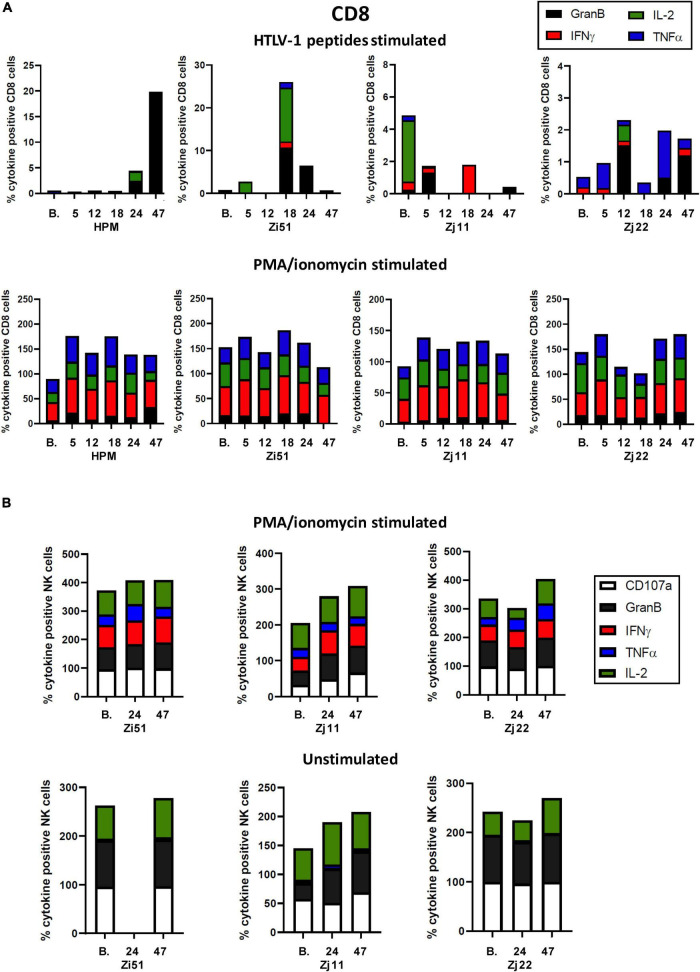
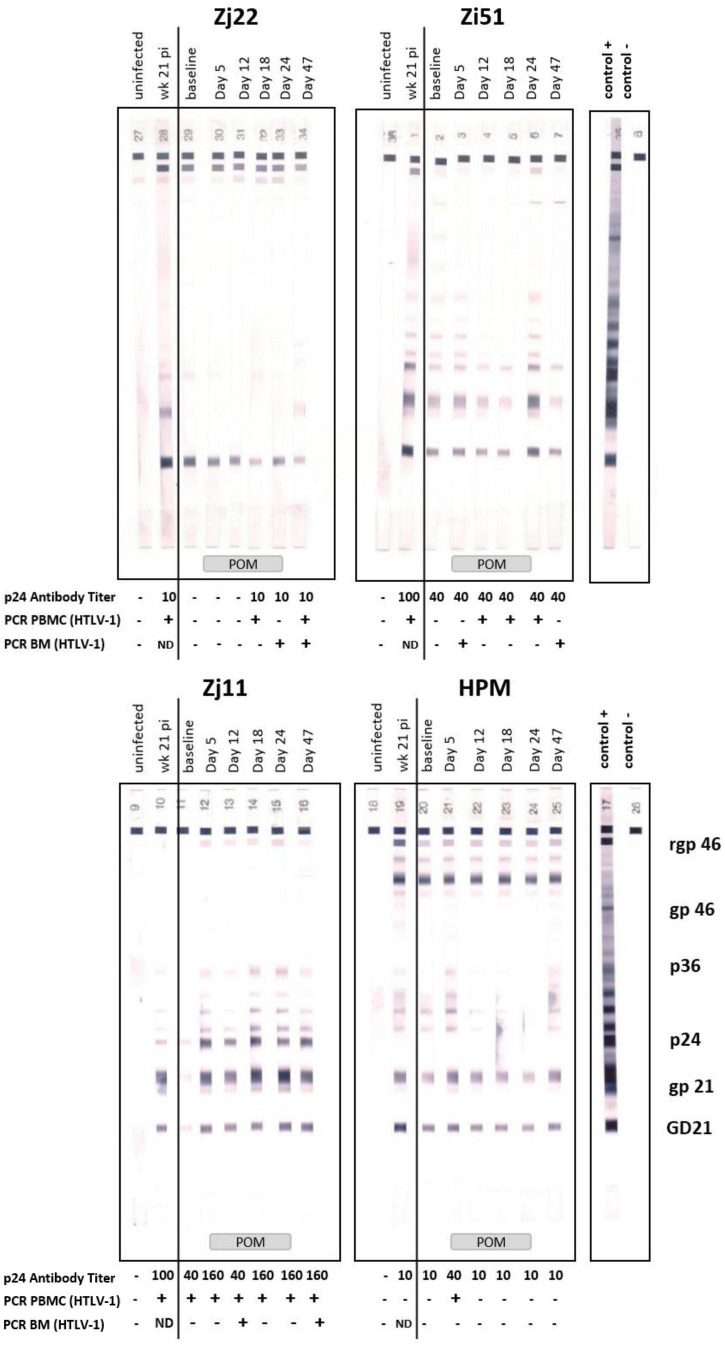
Human T cell leukemia virus type 1 (HTLV-1) persists in the host despite a vigorous immune response that includes cytotoxic T cells (CTL) and natural killer (NK) cells, suggesting the virus has developed effective mechanisms to counteract host immune surveillance. We recently showed that treatment of HTLV-1-infected cells with the drug pomalidomide (Pom) increases surface expression of MHC-I, ICAM-1, and B7-2, and significantly increases the susceptibility of HTLV-1-infected cells to NK and CTL killing, which is dependent on viral expression. We reasoned that by restoring cell surface expression of these molecules, Pom treatment has the potential to reduce virus burden by rendering infected cells susceptible to NK and CTL killing. We used the rhesus macaque model to determine if Pom treatment of infected individuals activates the host immune system and allows recognition and clearance of HTLV-1-infected cells. We administered Pom (0.2 mg/kg) orally to four HTLV-1-infected macaques over a 24 day period and collected blood, urine, and bone marrow samples throughout the study. Pom treatment caused immune activation in all four animals and a marked increase in proliferating CD4, CD8, and NK cells as measured by Ki-67 cells. Activation markers HLA-DR, CD11b, and CD69 also increased during treatment. While we detected an increased frequency of cells with a memory CD8 phenotype, we also found an increased frequency of cells with a Treg-like phenotype. Concomitant with immune activation, the frequency of detection of viral DNA and the HTLV-1-specific humoral response increased as well. In 3 of 4 animals, Pom treatment resulted in increased antibodies to HTLV-1 antigens as measured by western blot and p24Gag ELISA. Consistent with Pom inducing immune and HTLV-1 activation, we measured elevated leukotrienes LTB4 and LTE4 in the urine of all animals. Despite an increase in plasma LTB4, no significant changes in plasma cytokine/chemokine levels were detected. In all cases, however, cellular populations, LTB4, and LTE4 decreased to baseline or lower levels 2 weeks after cessation of treatment. These results indicated that Pom treatment induces a transient HTLV-1-specific immune activation in infected individuals, but also suggest Pom may not be effective as a single-agent therapeutic.
尽管包括细胞毒性T细胞(CTL)和自然杀伤(NK)细胞在内的强烈免疫反应存在,人类1型T细胞白血病病毒(HTLV-1)仍能在宿主体内持续存在,这表明该病毒已形成有效的机制来对抗宿主的免疫监视。我们最近发现,用泊马度胺(Pom)药物处理HTLV-1感染的细胞会增加MHC-I、ICAM-1和B7-2的表面表达,并显著增加HTLV-1感染细胞对NK和CTL杀伤的敏感性,这取决于病毒的表达。我们推测,通过恢复这些分子的细胞表面表达,Pom处理有可能使感染细胞易受NK和CTL杀伤,从而降低病毒载量。我们使用恒河猴模型来确定对感染个体进行Pom治疗是否会激活宿主免疫系统,并使HTLV-1感染细胞得到识别和清除。我们在24天的时间里给4只HTLV-1感染的猕猴口服Pom(0.2mg/kg),并在整个研究过程中采集血液、尿液和骨髓样本。Pom治疗在所有4只动物中都引起了免疫激活,通过Ki-67细胞检测发现增殖的CD4、CD8和NK细胞显著增加。治疗期间激活标志物HLA-DR、CD11b和CD69也有所增加。虽然我们检测到具有记忆CD8表型的细胞频率增加,但我们也发现具有Treg样表型的细胞频率增加。与免疫激活同时发生的是,病毒DNA的检测频率和HTLV-1特异性体液反应也增加了。在4只动物中的3只中,通过蛋白质印迹法和p24Gag ELISA检测发现,Pom治疗导致针对HTLV-1抗原的抗体增加。与Pom诱导免疫和HTLV-1激活一致,我们在所有动物的尿液中检测到白三烯LTB4和LTE4升高。尽管血浆LTB4增加,但未检测到血浆细胞因子/趋化因子水平有显著变化。然而,在所有情况下,细胞群体、LTB4和LTE4在治疗停止2周后降至基线或更低水平。这些结果表明,Pom治疗在感染个体中诱导了短暂的HTLV-1特异性免疫激活,但也表明Pom作为单一药物治疗可能无效。