Fujian Provincial Key Laboratory of Haixia Applied Plant Systems Biology, Key Laboratory of Ministry of Education for Genetics, Breeding and Multiple Utilization of Crops, Key Laboratory of National Forestry and Grassland Administration for Orchid Conservation and Utilization, Fujian Agriculture and Forestry University, Fuzhou, China.
College of Horticulture, Nanjing Agricultural University, Nanjing, China.
Nature. 2020 Jan;577(7788):79-84. doi: 10.1038/s41586-019-1852-5. Epub 2019 Dec 18.
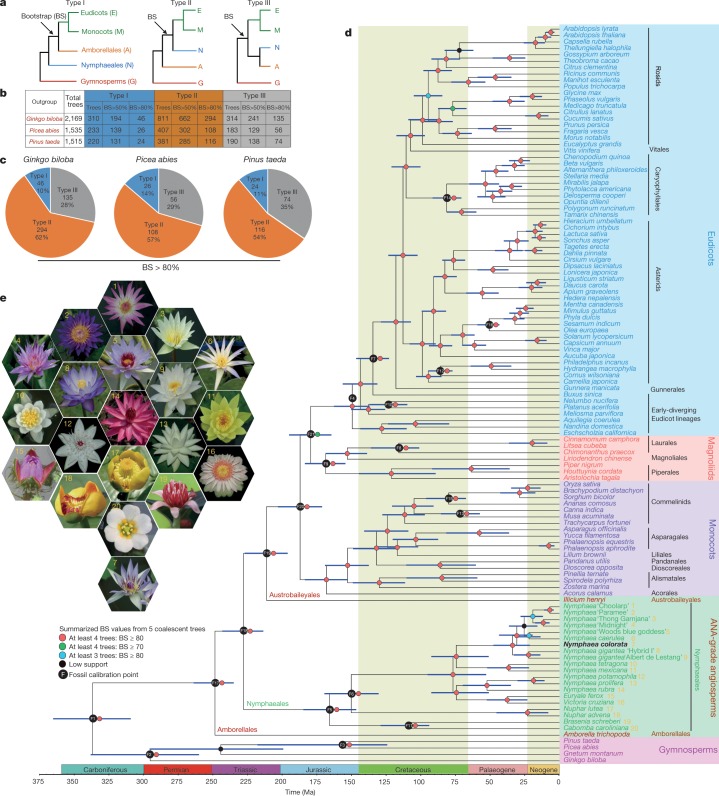
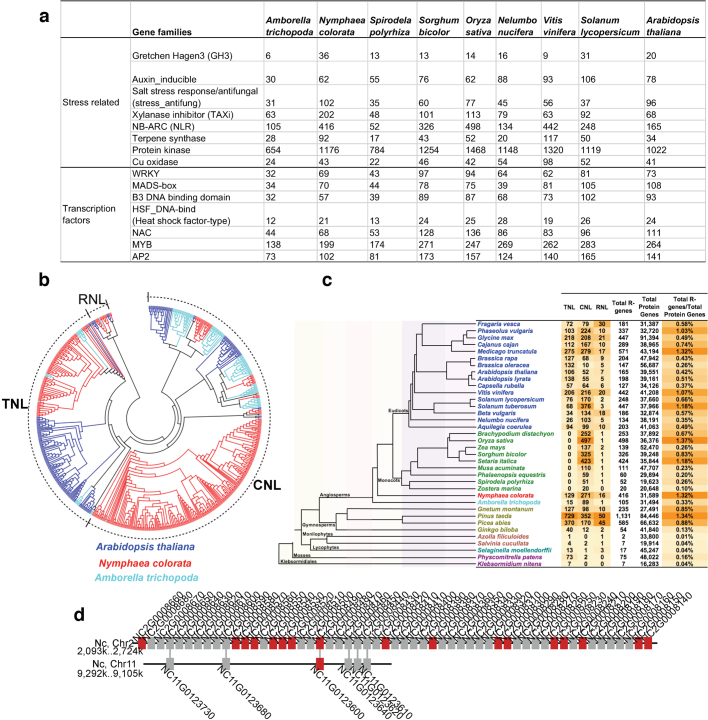
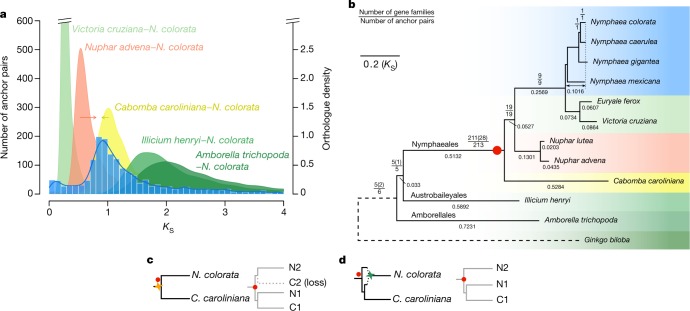
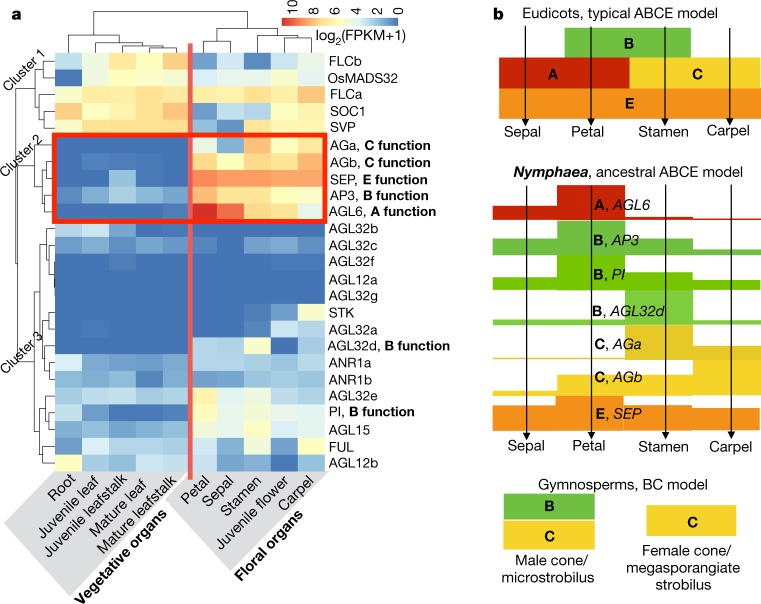
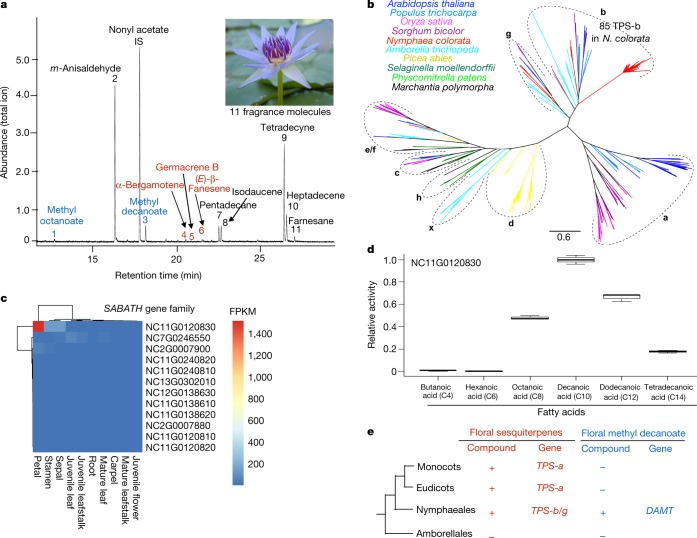
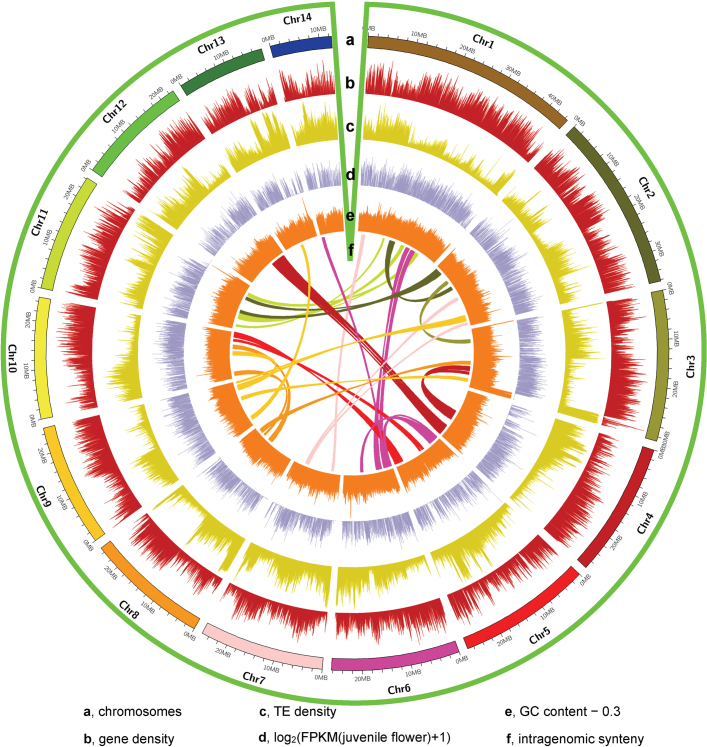
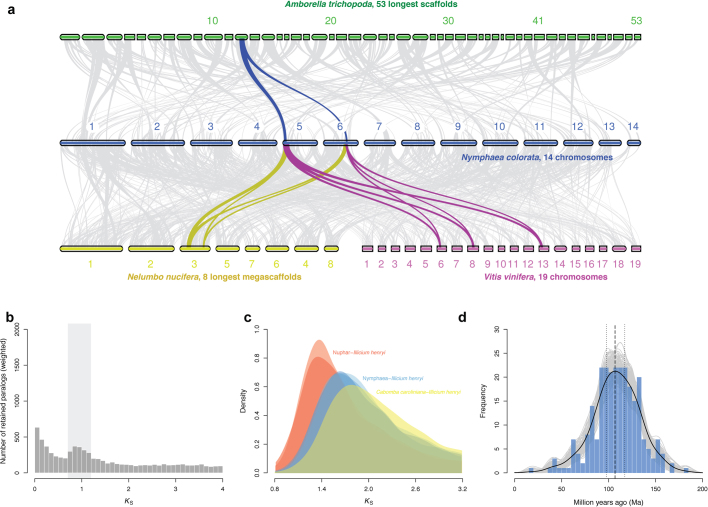
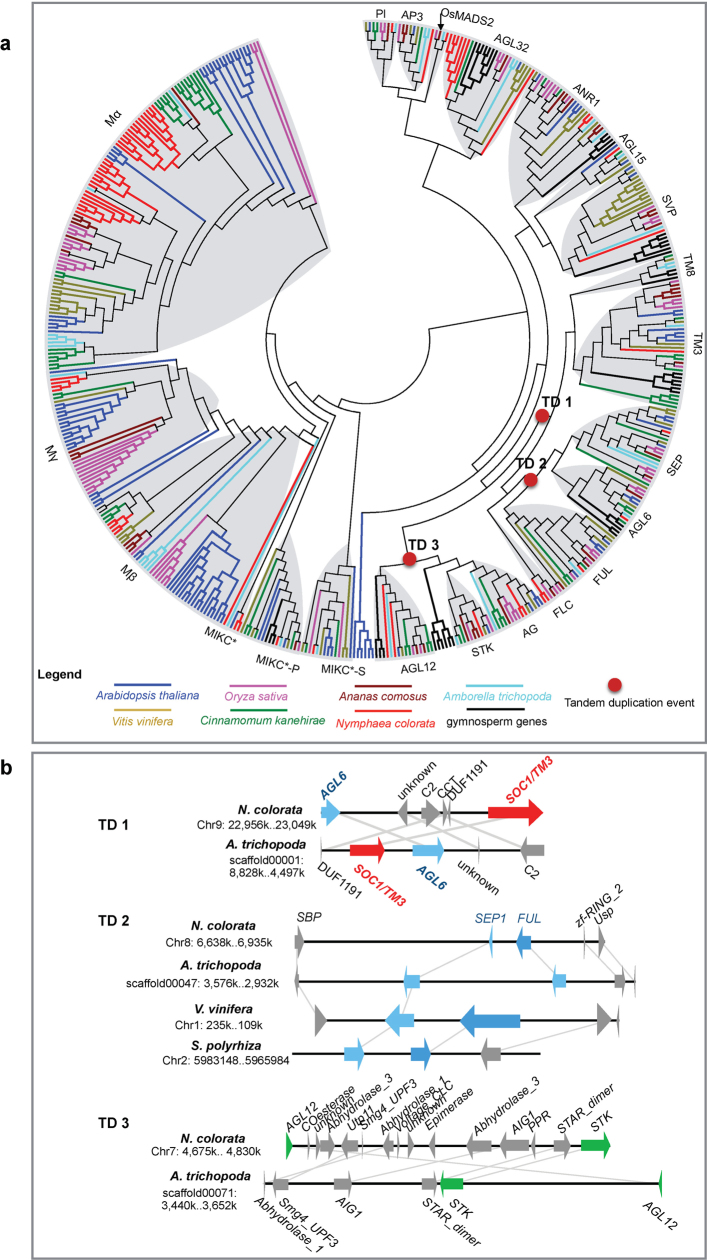
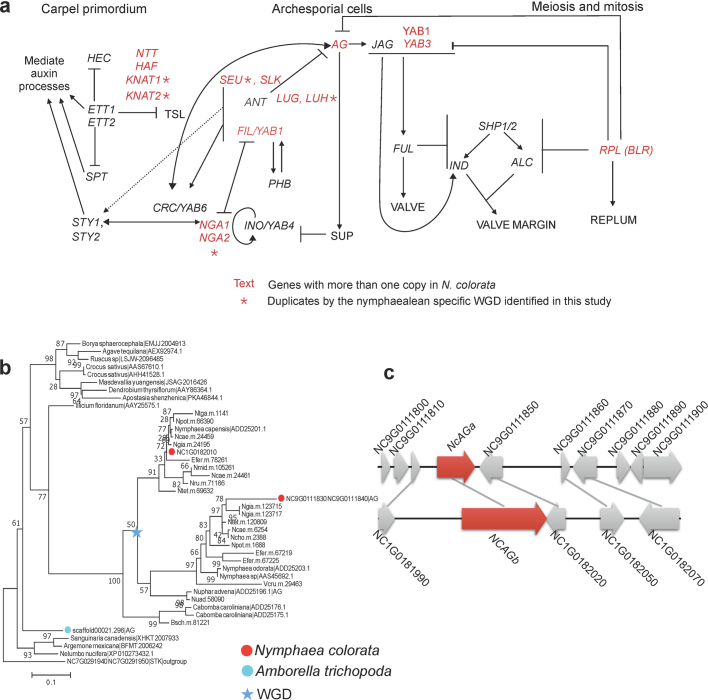
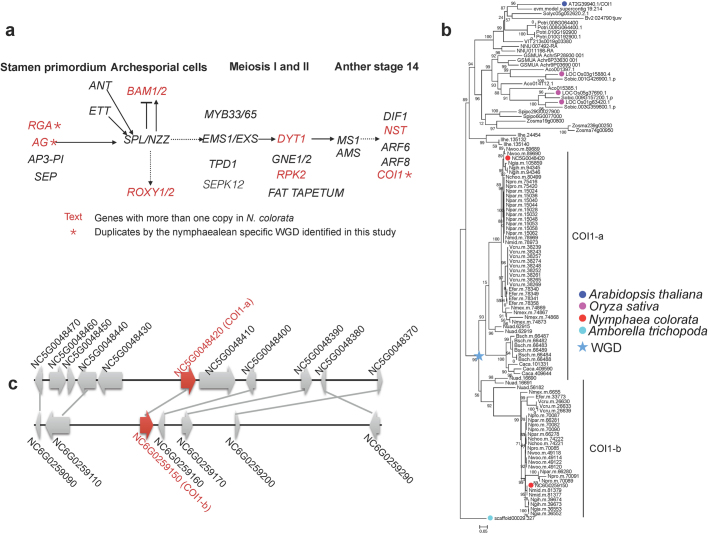
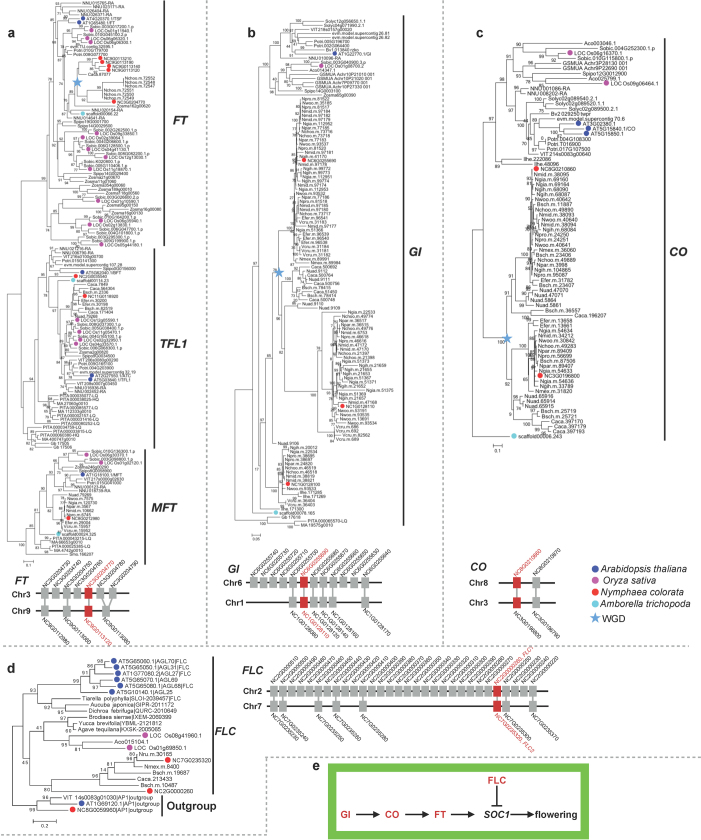
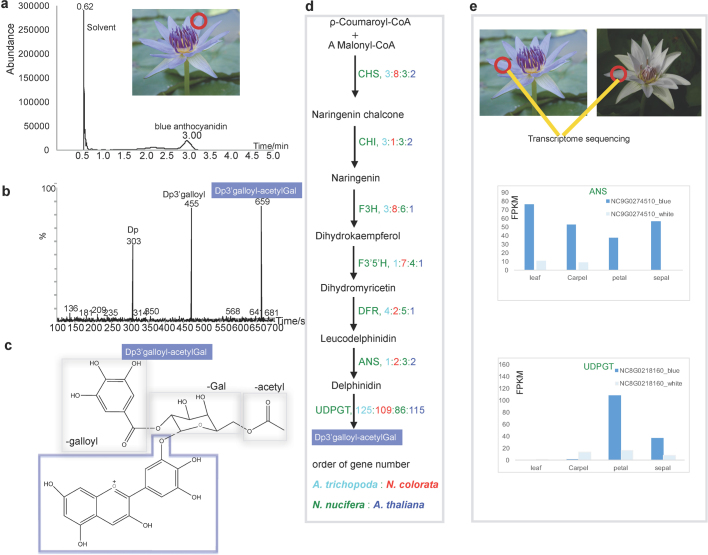
Water lilies belong to the angiosperm order Nymphaeales. Amborellales, Nymphaeales and Austrobaileyales together form the so-called ANA-grade of angiosperms, which are extant representatives of lineages that diverged the earliest from the lineage leading to the extant mesangiosperms. Here we report the 409-megabase genome sequence of the blue-petal water lily (Nymphaea colorata). Our phylogenomic analyses support Amborellales and Nymphaeales as successive sister lineages to all other extant angiosperms. The N. colorata genome and 19 other water lily transcriptomes reveal a Nymphaealean whole-genome duplication event, which is shared by Nymphaeaceae and possibly Cabombaceae. Among the genes retained from this whole-genome duplication are homologues of genes that regulate flowering transition and flower development. The broad expression of homologues of floral ABCE genes in N. colorata might support a similarly broadly active ancestral ABCE model of floral organ determination in early angiosperms. Water lilies have evolved attractive floral scents and colours, which are features shared with mesangiosperms, and we identified their putative biosynthetic genes in N. colorata. The chemical compounds and biosynthetic genes behind floral scents suggest that they have evolved in parallel to those in mesangiosperms. Because of its unique phylogenetic position, the N. colorata genome sheds light on the early evolution of angiosperms.
睡莲属于被子植物睡莲目。Amborellales、Nymphaeales 和 Austrobaileyales 共同构成了所谓的被子植物 ANA 级,它们是最早从现存的中被子植物谱系分支出来的谱系的现存代表。在这里,我们报告了蓝睡莲(Nymphaea colorata)的 4.09 兆碱基基因组序列。我们的系统基因组分析支持 Amborellales 和 Nymphaeales 是所有现存被子植物的连续姊妹谱系。N. colorata 基因组和 19 个其他睡莲转录组揭示了一个 Nymphaealean 全基因组复制事件,该事件被 Nymphaeaceae 和可能的 Cabombaceae 共享。在这个全基因组复制中保留的基因中,有调控开花转变和花发育的基因的同源物。同源物的广泛表达在 N. colorata 中可能支持在早期被子植物中花器官决定的类似广泛活跃的祖先 ABCE 模型。睡莲进化出了有吸引力的花香和颜色,这是与中被子植物共有的特征,我们在 N. colorata 中鉴定了它们的假定生物合成基因。花香背后的化学化合物和生物合成基因表明它们与中被子植物平行进化。由于其独特的系统发育地位,N. colorata 基因组揭示了被子植物的早期进化。