Instituto de Biofísica Carlos Chagas Filho, Laboratório de Imunofarmacologia, Grupo de Imunologia e Vacinologia, Universidade Federal do Rio de Janeiro, Rio de Janeiro, RJ, Brazil.
Paulo de Góes Microbiology Institute, Immunology Department, Universidade Federal do Rio de Janeiro, Rio de Janeiro, RJ, Brazil.
Sci Rep. 2019 Dec 30;9(1):20275. doi: 10.1038/s41598-019-56336-8.
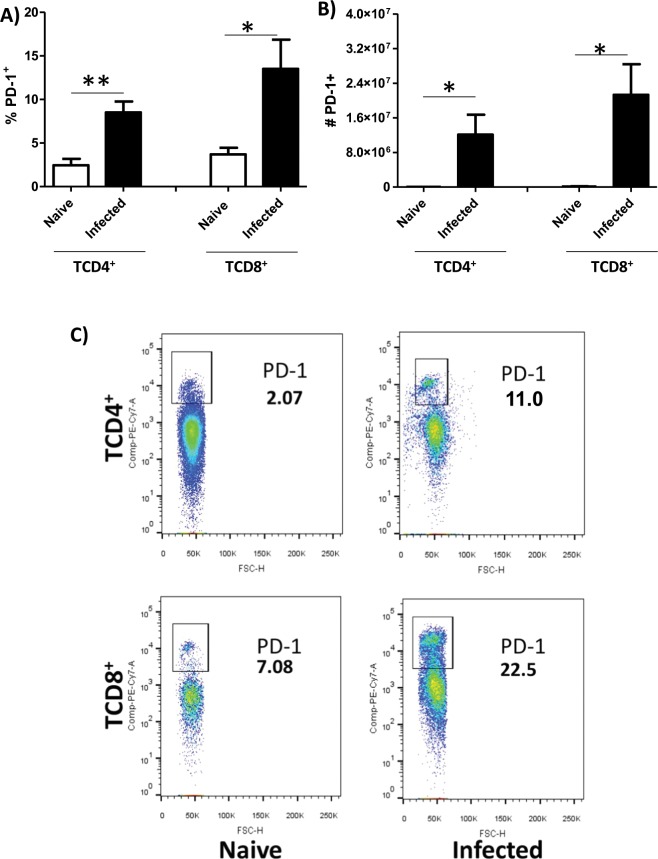
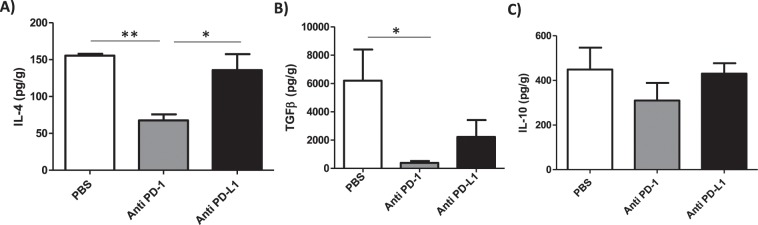
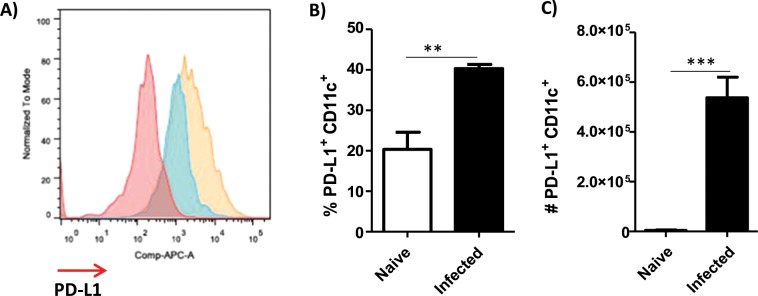
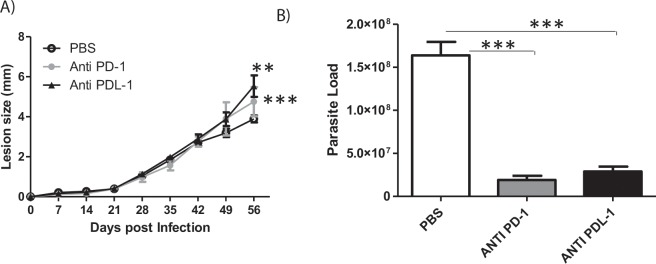
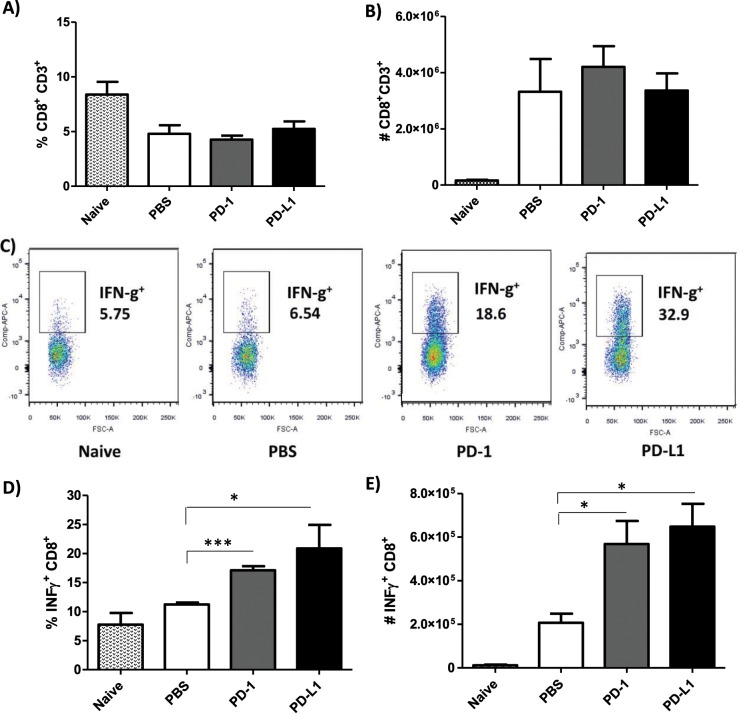
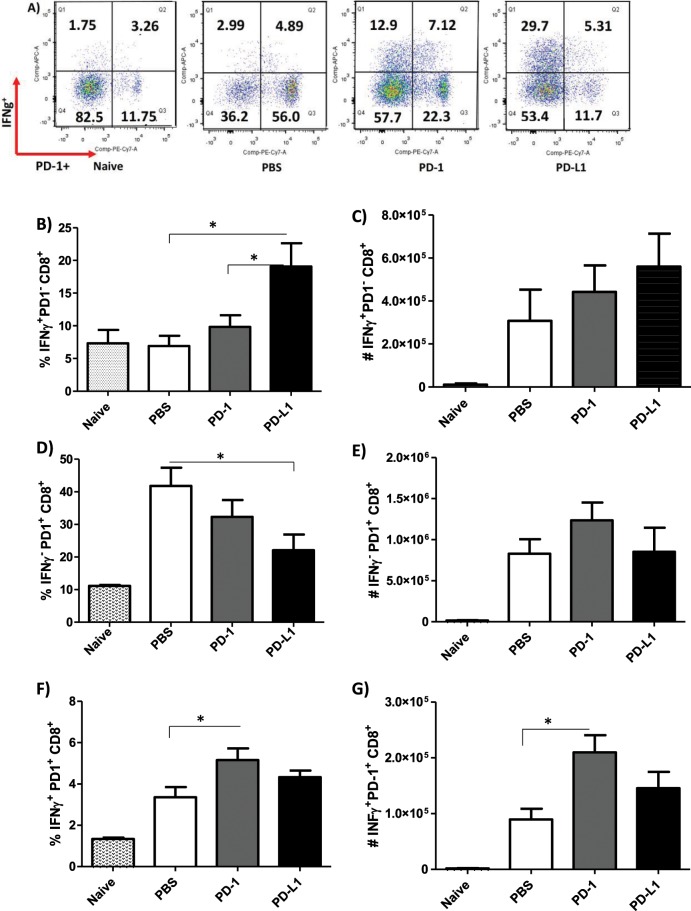
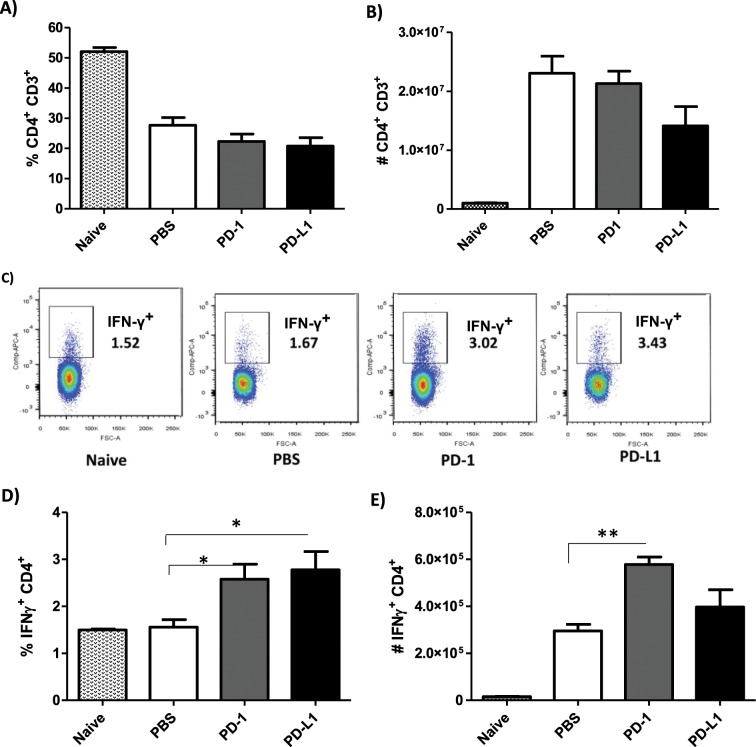
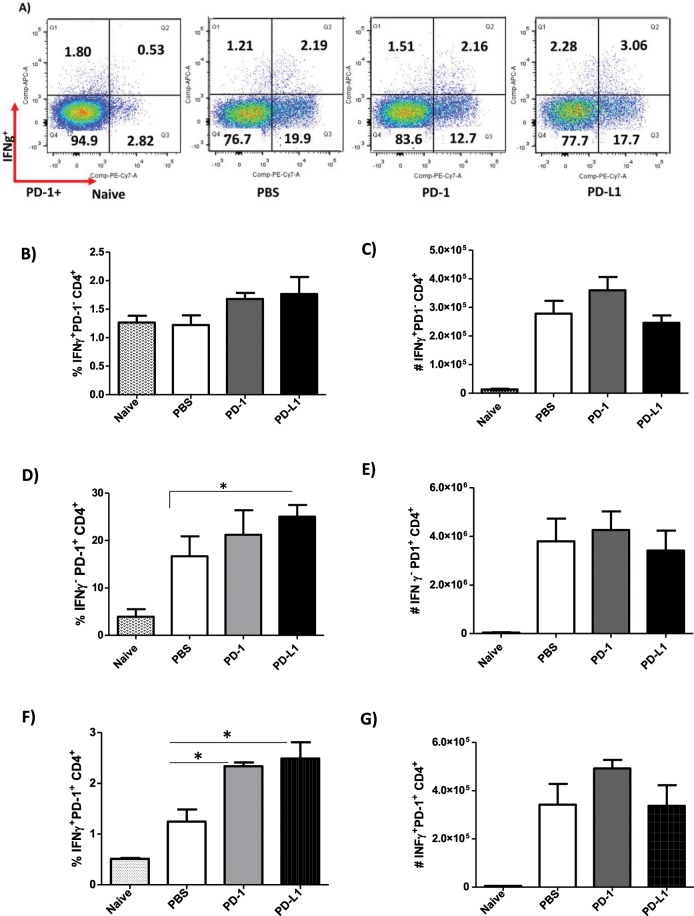
Leishmaniasis is a neglected disease, for which current treatment presents numerous issues. Leishmania amazonensis is the etiological agent of cutaneous and diffuse cutaneous leishmaniasis. The roles of the programmed death-1 (PD-1) receptor on lymphocytes and its ligand (PD-L1) on antigen-presenting cells have been well studied in tumor and other infection models; but little is known about their roles in non-healing cutaneous leishmaniasis. In this study, we observed that L. amazonensis induced PD-1 expression on both CD4 and CD8 T cells and PD-L1 on dendritic cells on BALB/c mice. We tested the therapeutic potential of anti-PD-1 and anti-PD-L1 monoclonal antibodies (MoAbs) against a non-healing L. amazonensis infection in BALB/c mice, and that anti-PD-1 and anti-PD-L1 treatment significantly increased IFN-γ-producing CD4 and CD8 T cells, respectively. Compared with infection controls, mice treated with anti-PD-1 and anti-PD-L1, but not anti-PD-L2, displayed bigger lesions with significantly lower parasite loads. Treatment did not affect anti-Leishmania antibody (IgM, IgG, IgG1 and IgG2a) or IL-10 production, but anti-PD-1 treatment reduced both IL-4 and TGF-β production. Together, our results highlight the therapeutic potential of an anti-PD-1-based treatment in promoting the reinvigoration of T cells for the control of parasite burden.
利什曼病是一种被忽视的疾病,目前的治疗方法存在诸多问题。亚马逊利什曼原虫是皮肤利什曼病和皮肤弥散性利什曼病的病原体。程序性死亡受体-1(PD-1)及其配体(PD-L1)在肿瘤和其他感染模型中的作用已得到充分研究;但在非愈合性皮肤利什曼病中,它们的作用知之甚少。在这项研究中,我们观察到 L. amazonensis 在 BALB/c 小鼠的 CD4 和 CD8 T 细胞上诱导 PD-1 表达,在树突状细胞上诱导 PD-L1 表达。我们测试了抗 PD-1 和抗 PD-L1 单克隆抗体(MoAbs)对非愈合性 L. amazonensis 感染的治疗潜力,结果表明抗 PD-1 和抗 PD-L1 治疗分别显著增加了 IFN-γ 产生的 CD4 和 CD8 T 细胞。与感染对照相比,用抗 PD-1 和抗 PD-L1 治疗的小鼠,而不是用抗 PD-L2 治疗的小鼠,病变更大,寄生虫负荷明显降低。治疗并未影响抗利什曼原虫抗体(IgM、IgG、IgG1 和 IgG2a)或 IL-10 的产生,但抗 PD-1 治疗降低了 IL-4 和 TGF-β 的产生。综上所述,我们的研究结果强调了基于抗 PD-1 的治疗在促进 T 细胞再活化以控制寄生虫负荷方面的治疗潜力。