Department of Chemistry , Texas A & M University , College Station , Texas 77842 , United States.
Gordon Center for Medical Imaging, Department of Radiology , Massachusetts General Hospital and Harvard Medical School , Boston , Massachusetts 02114 , United States.
Bioconjug Chem. 2020 Feb 19;31(2):248-259. doi: 10.1021/acs.bioconjchem.9b00771. Epub 2020 Jan 7.
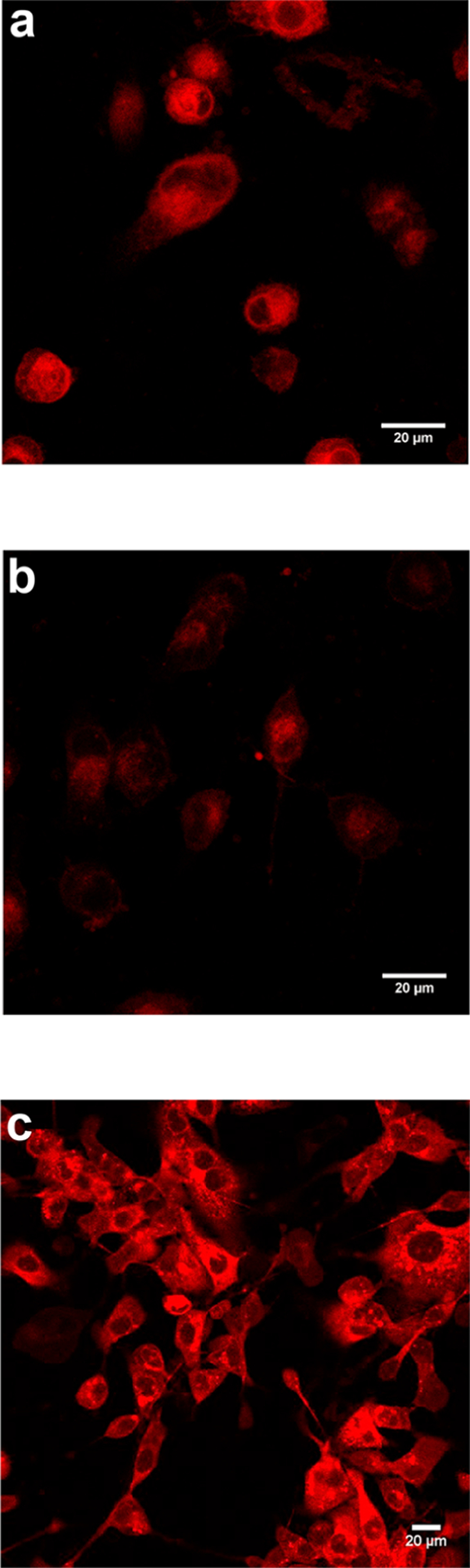
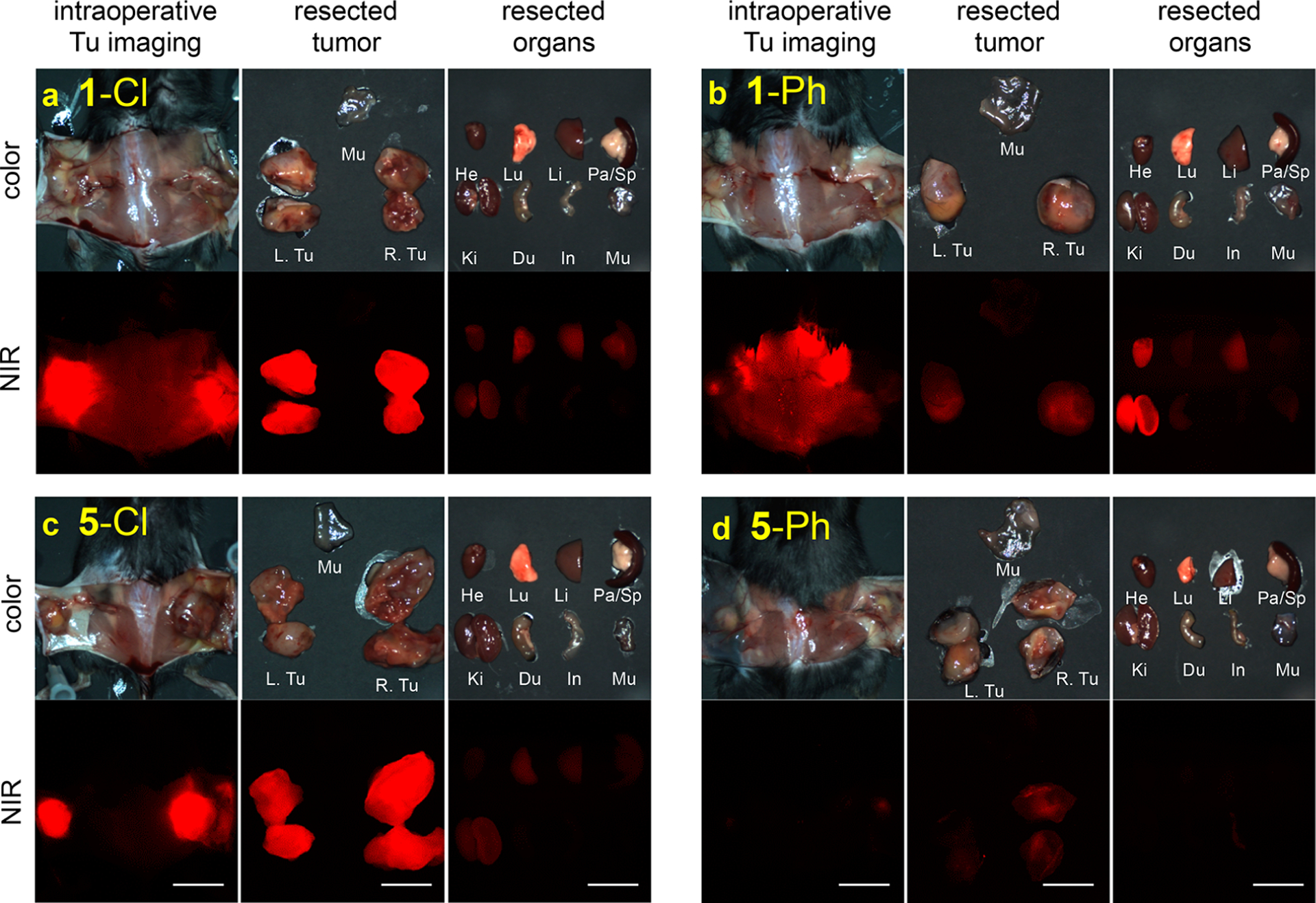
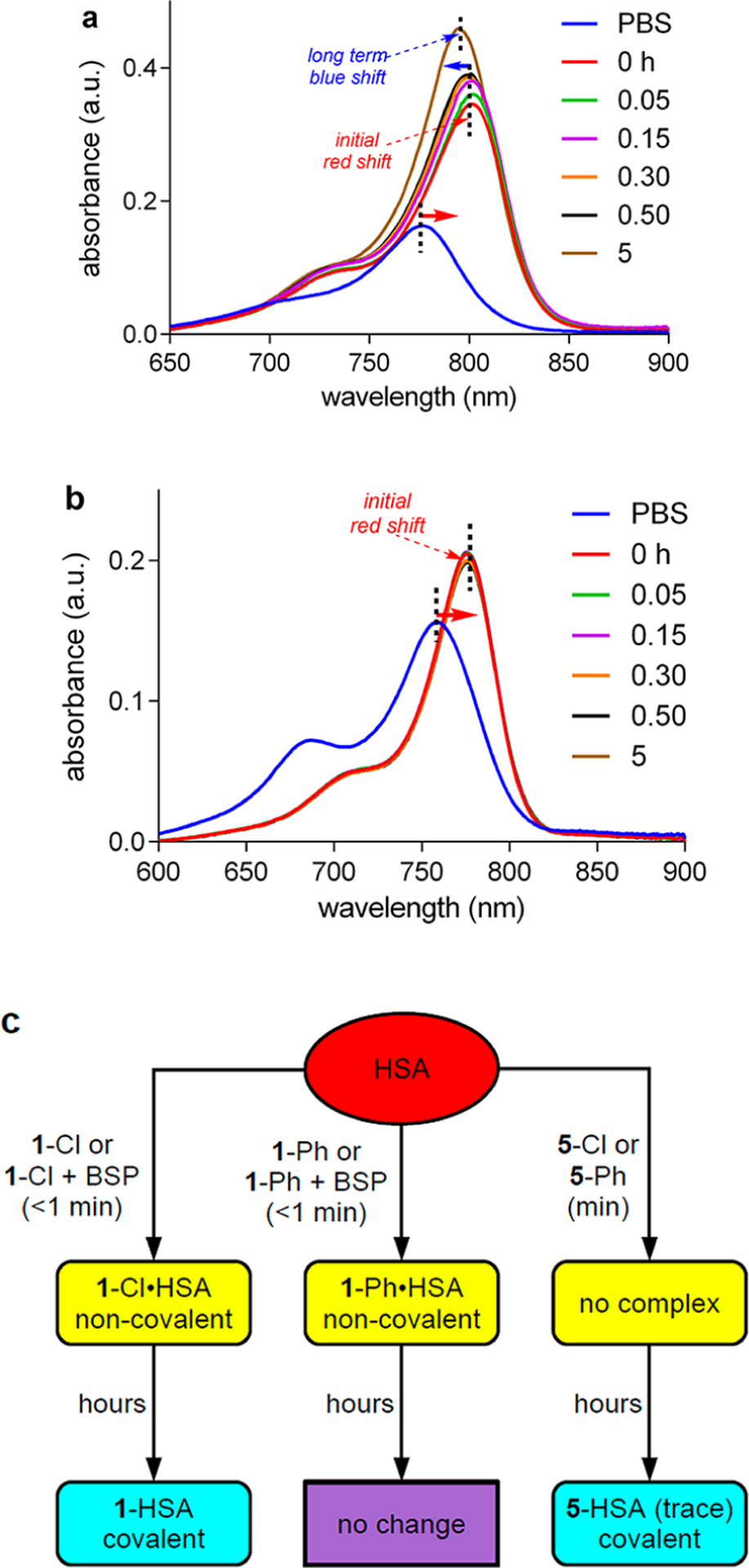
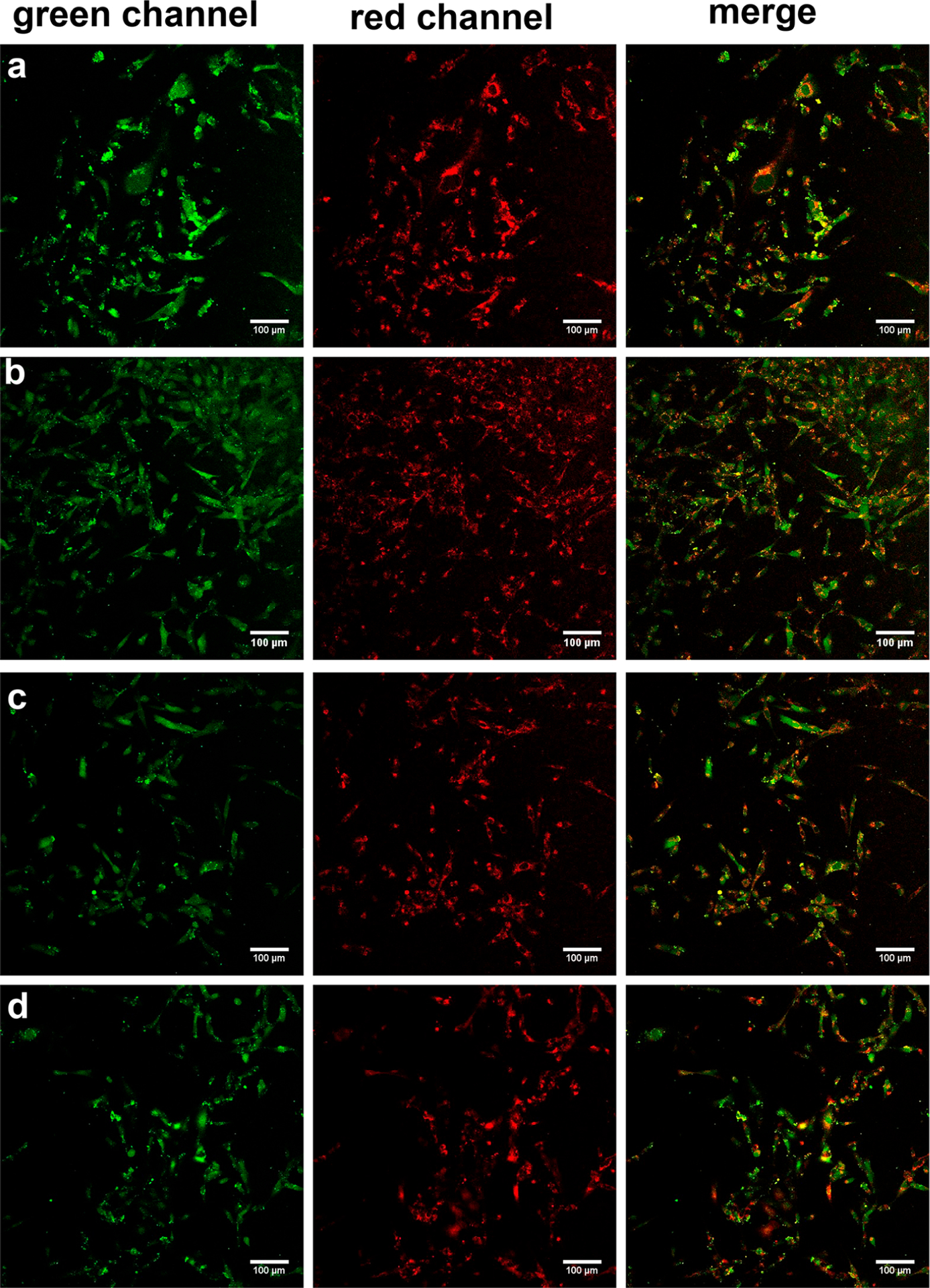
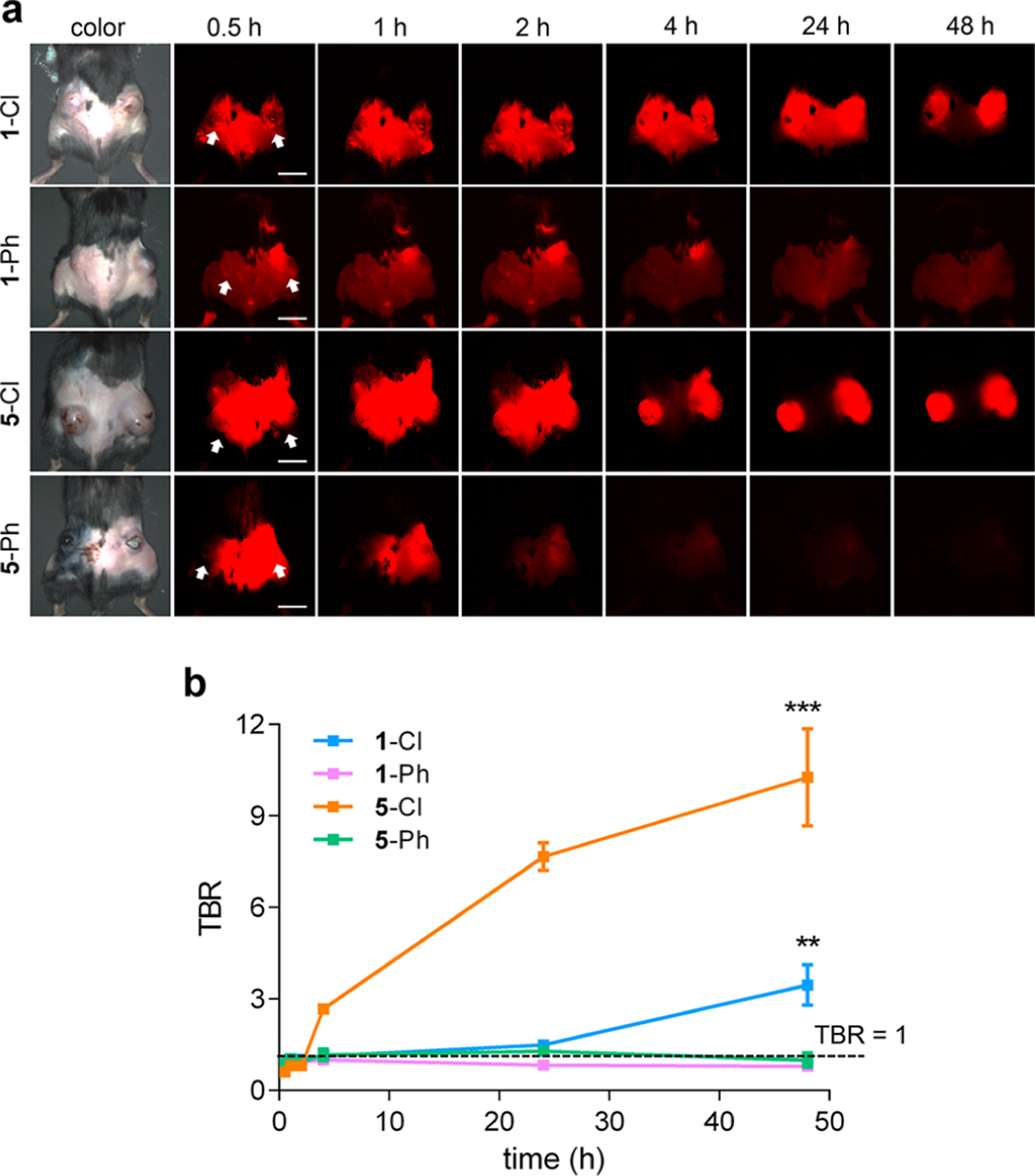
Some heptamethine cyanine dyes accumulate in solid tumors and persist there for several days. The reasons why they accumulate and persist in tumors were incompletely defined, but explanations based on uptake into cancer cells via organic anion transporting polypeptides (OATPs) have been widely discussed. All cyanine-based "tumor-seeking dyes" have a chloride centrally placed on the heptamethine bridge (a "-chloride"). We were intrigued and perplexed by the correlation between this particular functional group and tumor uptake, so the following study was designed. It features four dyes (-Cl, -Ph, -Cl, and -Ph) with complementary properties. Dye -Cl is otherwise known as MHI-148, and -Ph is a close analog wherein the -chloride has been replaced by a phenyl group. Data presented here shows that both -Cl and -Ph form noncovalent adducts with albumin, but only -Cl can form a covalent one. Both dyes -Cl and -Ph have a methylene (CH) unit replaced by a dimethylammonium functionality (NMe). Data presented here shows that both these dyes do not form tight noncovalent adducts with albumin, and only -Cl can form a covalent one (though much more slowly than -Cl). In tissue culture experiments, uptake of dyes is more impacted by the albumin in the media than by the pan-OATP uptake inhibitor (BSP) that has been used to connect uptake of tumor-seeking dyes with the OATPs. Uptake of -Cl in media containing fluorescein-labeled albumin gave a high degree of colocalization of intracellular fluorescence. No evidence was found for the involvement of OATPs in uptake of the dyes into cells in media containing albumin. In an tumor model, only the two dyes that can form albumin adducts (-Cl and -Cl) gave intratumor fluorescence that persisted long enough to be clearly discerned over the background (∼4 h); this fluorescence was still observed at 48 h. Tumors could be imaged with a higher contrast if -Cl is used instead of -Cl, because -Cl is cleared more rapidly from healthy tissues. Overall, the evidence is consistent with and results and indicates that the two dyes in the test series that accumulate in tumors and persist there (-Cl and -Cl, true tumor-seeking dyes) do so as covalent albumin adducts trapped in tumor tissue via uptake by some cancer cells and via the enhanced permeability and retention (EPR) effect.
一些七甲川花菁染料在实体瘤中积累并在那里持续存在数天。它们在肿瘤中积累和持续存在的原因尚未完全确定,但基于通过有机阴离子转运多肽 (OATP) 摄取到癌细胞中的解释已被广泛讨论。所有基于花菁的“肿瘤靶向染料”在七甲川桥的中心都有一个氯(“-氯”)。我们对这个特定官能团与肿瘤摄取之间的相关性感到好奇和困惑,因此进行了以下研究。它具有四个具有互补性质的染料(-Cl、-Ph、-Cl 和 -Ph)。染料 -Cl 也称为 MHI-148,-Ph 是一个密切类似物,其中 -Cl 已被苯基取代。这里呈现的数据表明,-Cl 和 -Ph 都与白蛋白形成非共价加合物,但只有 -Cl 可以形成共价加合物。两种染料 -Cl 和 -Ph 都有一个亚甲基 (CH) 单元被二甲铵官能团 (NMe) 取代。这里呈现的数据表明,这两种染料都不会与白蛋白形成紧密的非共价加合物,只有 -Cl 可以形成共价加合物(尽管比 -Cl 慢得多)。在组织培养实验中,染料的摄取受培养基中白蛋白的影响比对已用于将肿瘤靶向染料的摄取与 OATPs 联系起来的泛 OATP 摄取抑制剂(BSP)的影响更大。在含有荧光素标记白蛋白的培养基中摄取 -Cl 会导致细胞内荧光高度共定位。在含有白蛋白的培养基中,没有证据表明 OATPs 参与染料进入细胞的摄取。在肿瘤模型中,只有两种可以形成白蛋白加合物的染料(-Cl 和 -Cl)在肿瘤内产生荧光,足以在背景(约 4 小时)上清晰分辨;在 48 小时仍可观察到这种荧光。如果使用 -Cl 代替 -Cl,肿瘤可以成像对比度更高,因为 -Cl 从健康组织中更快清除。总体而言,证据与先前的研究结果一致,并表明测试系列中在肿瘤中积累并在其中持续存在的两种染料(-Cl 和 -Cl,真正的肿瘤靶向染料)作为与白蛋白共价结合的加合物积聚,通过某些癌细胞摄取并通过增强的通透性和保留(EPR)效应被困在肿瘤组织中。