Ye Yingze, Jin Tong, Zhang Xu, Zeng Zhi, Ye Baixin, Wang Jinchen, Zhong Yi, Xiong Xiaoxing, Gu Lijuan
Central Laboratory, Renmin Hospital of Wuhan University, Wuhan, China.
Department of Anesthesiology, Renmin Hospital of Wuhan University, Wuhan, China.
Front Cell Neurosci. 2019 Dec 16;13:553. doi: 10.3389/fncel.2019.00553. eCollection 2019.
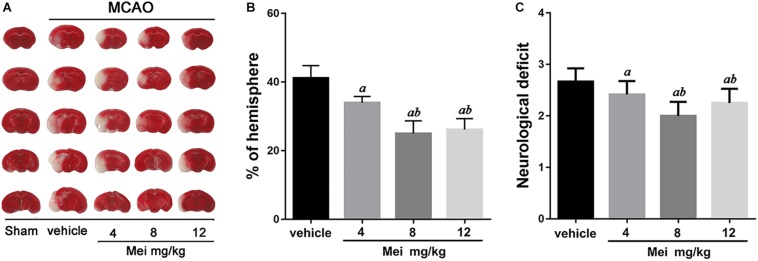
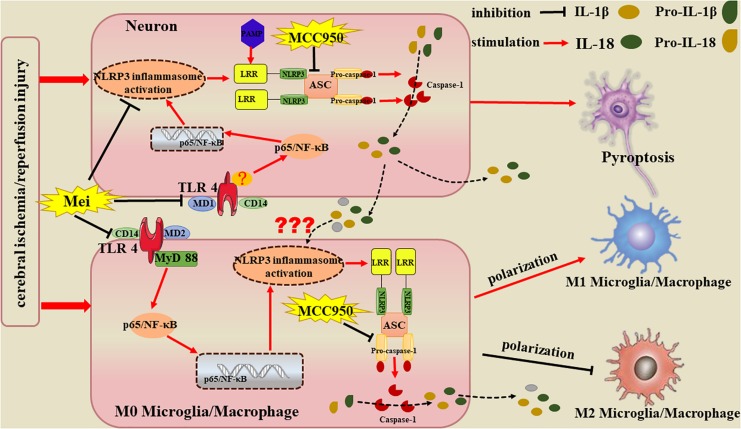
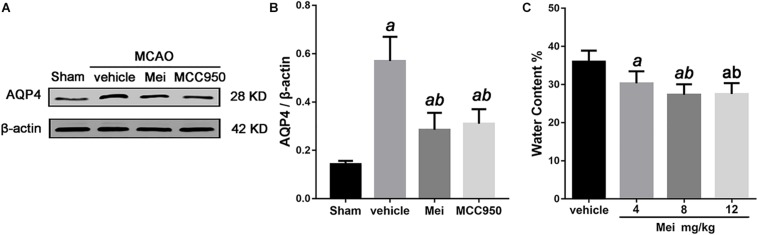
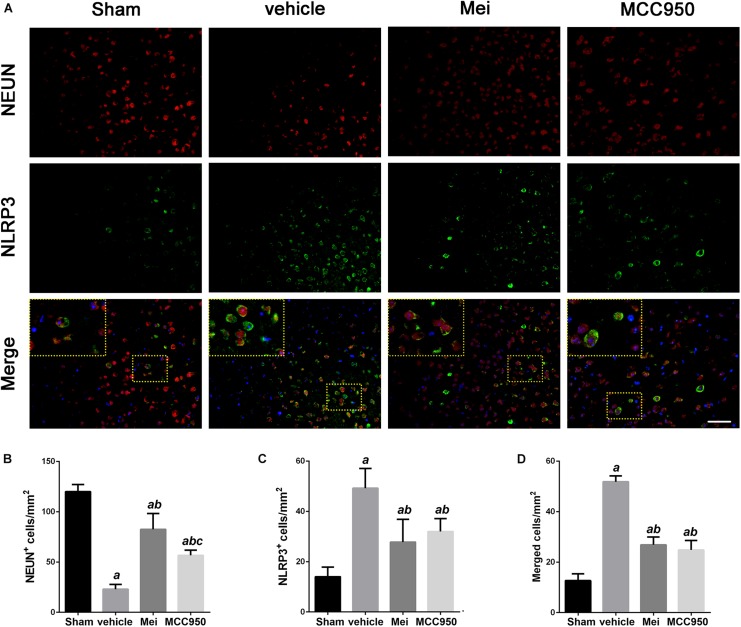
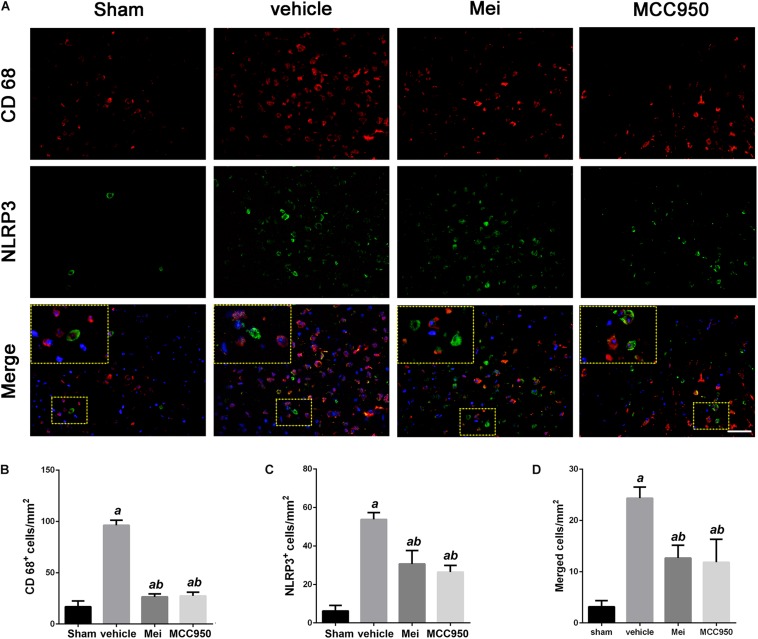
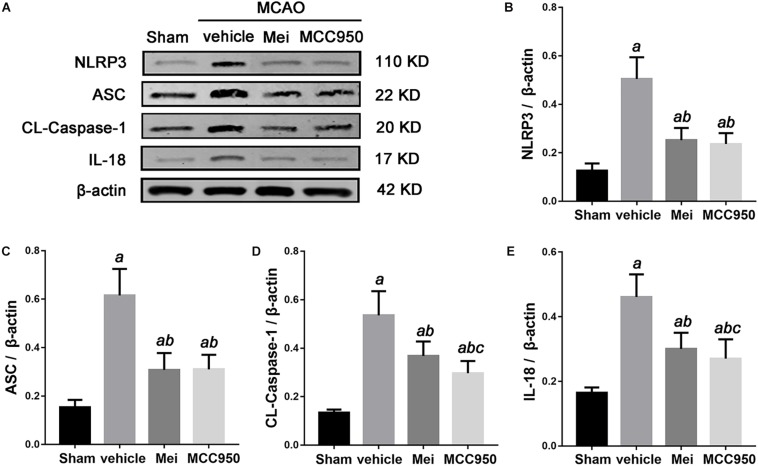
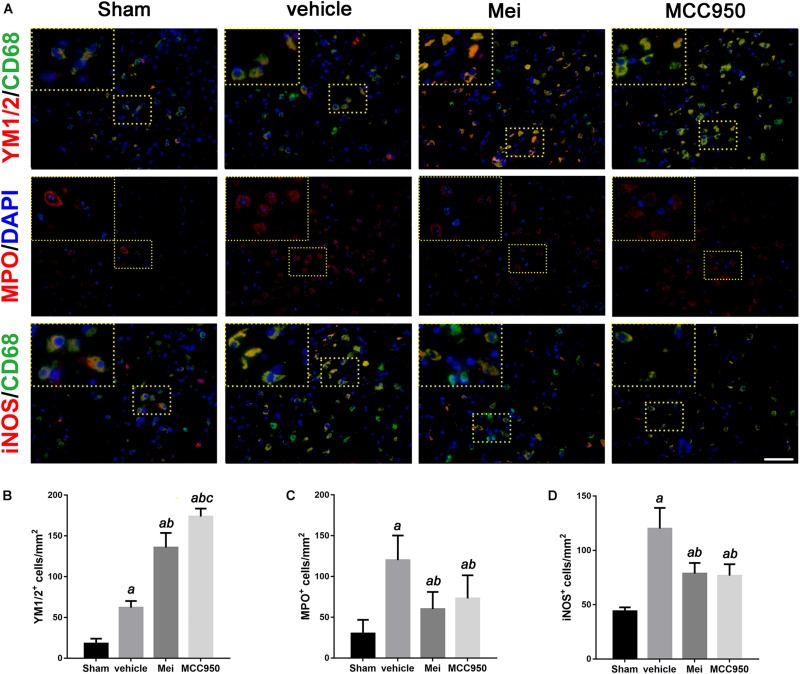
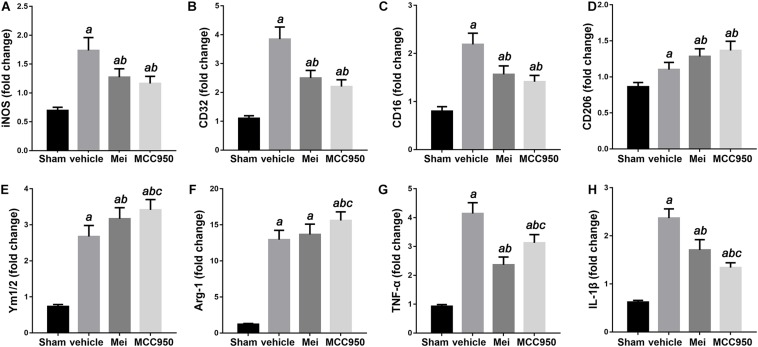
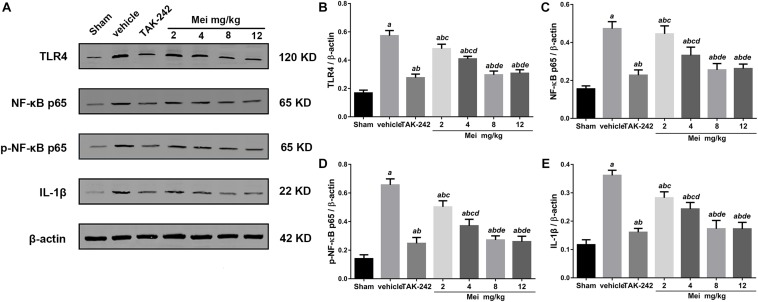
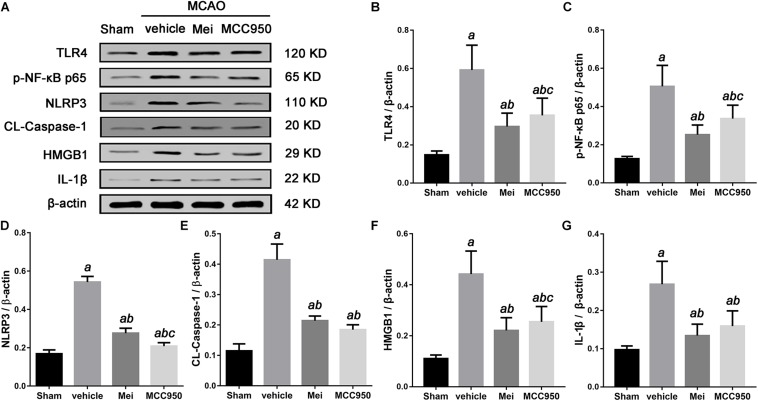
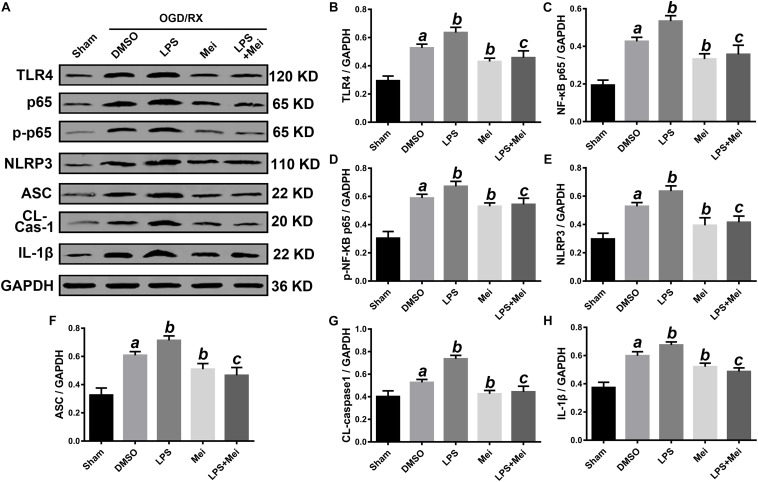
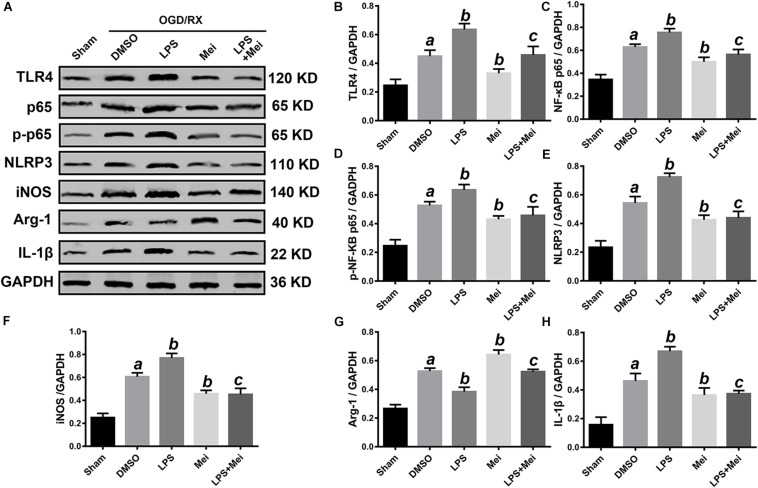
Ischemic stroke is a devastating disease with long-term disability. However, the pathogenesis is unclear and treatments are limited. Meisoindigo, a second-generation derivative of indirubin, has general water solubility and is well-tolerated. Previous studies have shown that meisoindigo reduces inflammation by inhibiting leukocyte chemotaxis and migration. In the present study, we investigated the hypothesis that meisoindigo was also protective against ischemic stroke, then evaluated its underlying mechanisms. , adult male C57BL/6J wild-type mice were used to produce a middle cerebral artery occlusion (MCAO) stroke model. On day three after reperfusion, obvious improvement in neurological scores, infarct volume reduction and cerebral edema amelioration were observed in meisoindigo treatment. Moreover, immunofluorescence staining and western-blot showed that the expression of NLRP3 inflammasome and its associated proteins in neurons and microglia was inhibited by meisoindigo. The effects of Meisoindigo on NLRP3 inflammasome inactivation and increased the M2 phenotype of microglia/macrophage through shifting from a M1 phenotype, which was possibly mediated by inhibition of TLR4/NF-κB. Furthermore, we verified the inhibitory effect of meisoindigo on TLR4/NF-κB signaling pathway, and found that meisoindigo treatment could significantly suppressed the expression of TLR4/NF-κB pathway-associated proteins in a dose-dependent manner, meanwhile, which resulted in downregulation of HMGB1 and IL-1β. Next, we established an oxygen glucose deprivation/Reperfusion (OGD/R) model in HT-22 and BV2 cells to simulate ischemic conditions. Cytotoxicity assay showed that meisoindigo substantially improved relative cell vitality and in HT-22 and BV2 cells following OGD/R . After suffering OGD/R, the TLR4/NF-κB pathway was activated, the expression of NLRP3 inflammasome-associated proteins and M1 microglia/macrophage were increased, but meisoindigo could inhibit above changes in both HT-22 and BV2 cells. Additionally, though lipopolysaccharide stimulated the activation of TLR4 signaling in OGD/R models, meisoindigo co-treatment markedly reversed the upregulation of TLR4 and following activation of NLRP3 inflammasome and polarization of M1 microglia/macrophages mediated by TLR4. Overall, we demonstrate for the first time that meisoindigo post-treatment alleviates brain damage induced by ischemic stroke and experiments through blocking activation of the NLRP3 inflammasome and regulating the polarization of microglia/macrophages via inhibition of the TLR4/NF-κB signaling pathway.
缺血性中风是一种导致长期残疾的毁灭性疾病。然而,其发病机制尚不清楚,治疗方法也有限。美索靛蓝是靛玉红的第二代衍生物,具有一般水溶性且耐受性良好。先前的研究表明,美索靛蓝通过抑制白细胞趋化性和迁移来减轻炎症。在本研究中,我们探讨了美索靛蓝对缺血性中风也具有保护作用的假设,然后评估了其潜在机制。使用成年雄性C57BL/6J野生型小鼠建立大脑中动脉闭塞(MCAO)中风模型。再灌注后第三天,在美索靛蓝治疗组中观察到神经功能评分明显改善、梗死体积减小和脑水肿减轻。此外,免疫荧光染色和蛋白质印迹显示,美索靛蓝抑制了神经元和小胶质细胞中NLRP3炎性小体及其相关蛋白的表达。美索靛蓝对NLRP3炎性小体失活的作用以及通过从小胶质细胞/巨噬细胞的M1表型转变增加M2表型,这可能是由抑制TLR4/NF-κB介导的。此外,我们验证了美索靛蓝对TLR4/NF-κB信号通路的抑制作用,发现美索靛蓝治疗可显著剂量依赖性地抑制TLR4/NF-κB通路相关蛋白的表达,同时导致HMGB1和IL-1β的下调。接下来,我们在HT-22和BV2细胞中建立氧糖剥夺/再灌注(OGD/R)模型以模拟缺血情况。细胞毒性试验表明,美索靛蓝在OGD/R后显著提高了HT-22和BV2细胞的相对细胞活力。遭受OGD/R后,TLR4/NF-κB通路被激活,NLRP3炎性小体相关蛋白的表达和M1小胶质细胞/巨噬细胞增加,但美索靛蓝可抑制HT-22和BV2细胞中的上述变化。此外,尽管脂多糖在OGD/R模型中刺激了TLR4信号的激活,但美索靛蓝联合治疗显著逆转了由TLR4介导的TLR4上调以及随后NLRP3炎性小体的激活和M1小胶质细胞/巨噬细胞的极化。总体而言,我们首次证明美索靛蓝治疗后通过阻断NLRP3炎性小体的激活并通过抑制TLR4/NF-κB信号通路调节小胶质细胞/巨噬细胞的极化来减轻缺血性中风诱导的脑损伤。