Cui Yu, Zhang Nan-Nan, Wang Dan, Meng Wei-Hong, Chen Hui-Sheng
Department of Neurology, General Hospital of Northern Theater Command, Shenyang, People's Republic of China.
Department of Life Science and Biopharmaceutics, Shenyang Pharmaceutical University, Shenyang, People's Republic of China.
J Inflamm Res. 2022 Jun 9;15:3369-3385. doi: 10.2147/JIR.S366927. eCollection 2022.
Galectin-3 acts as a mediator of microglial inflammatory response following stroke injury. However, it remains unclear whether inhibiting galectin-3 protects against cerebral ischemia/reperfusion injury. We aimed to investigate the neuroprotective effects of modified citrus pectin (MCP, a galectin-3 blocker) in ischemic stroke and underlying mechanisms.
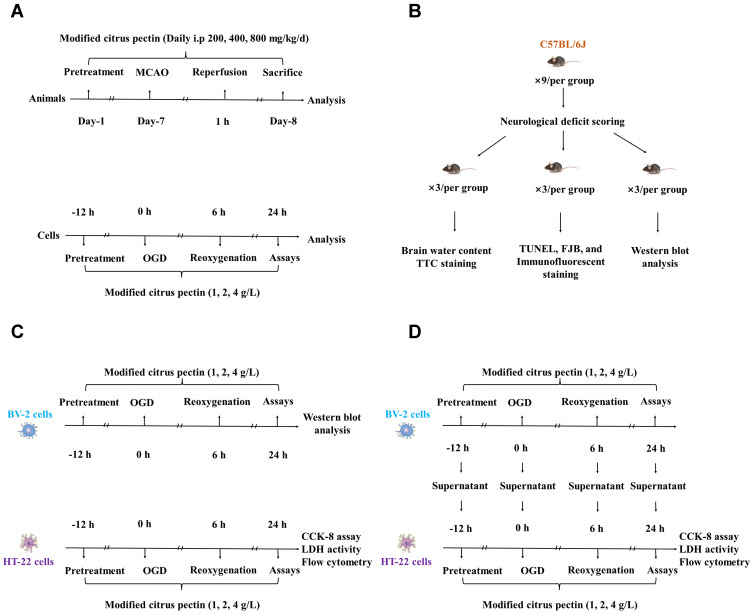
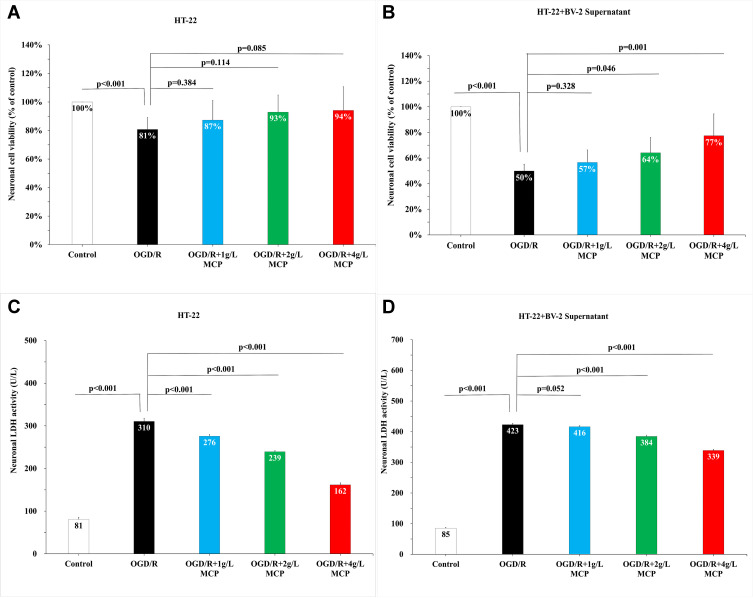
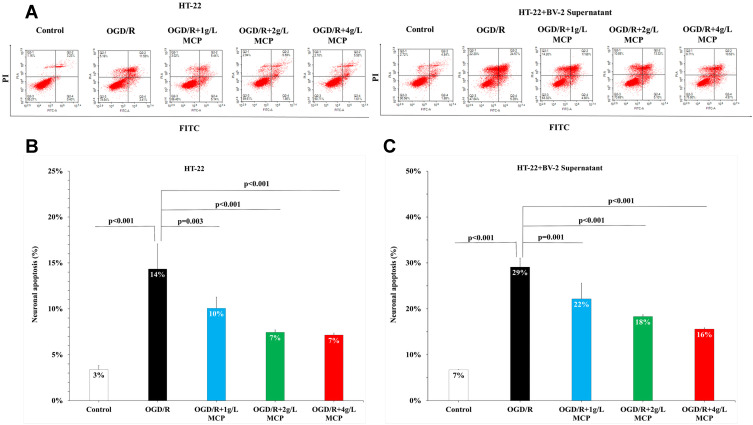
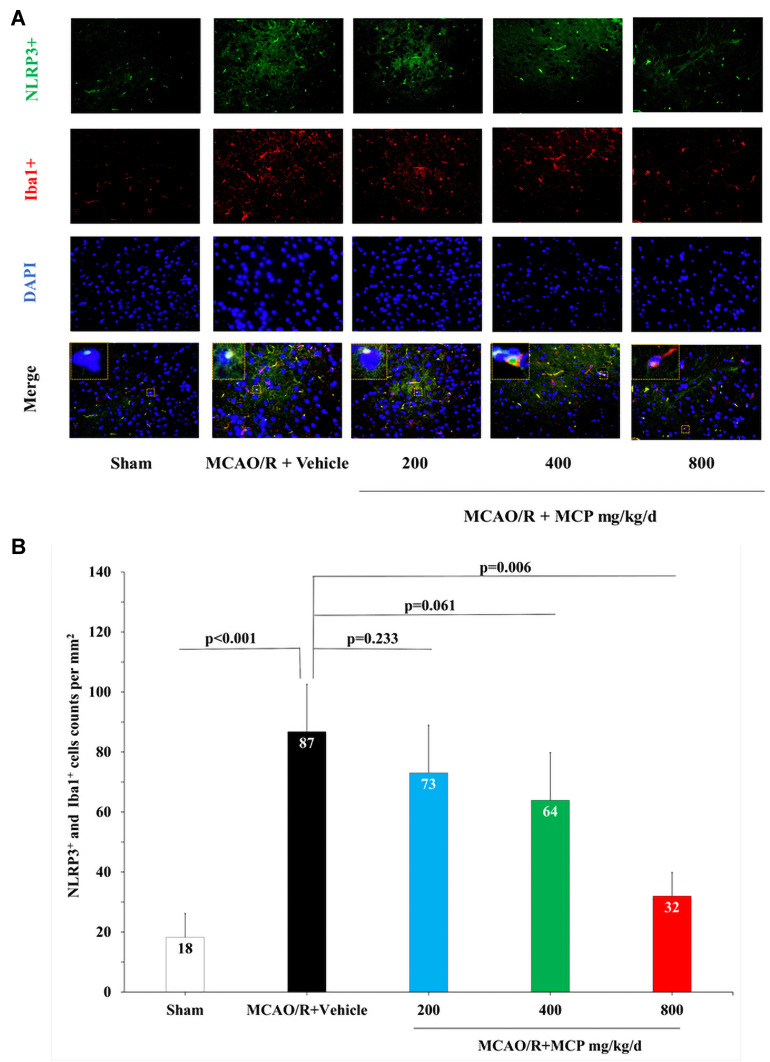
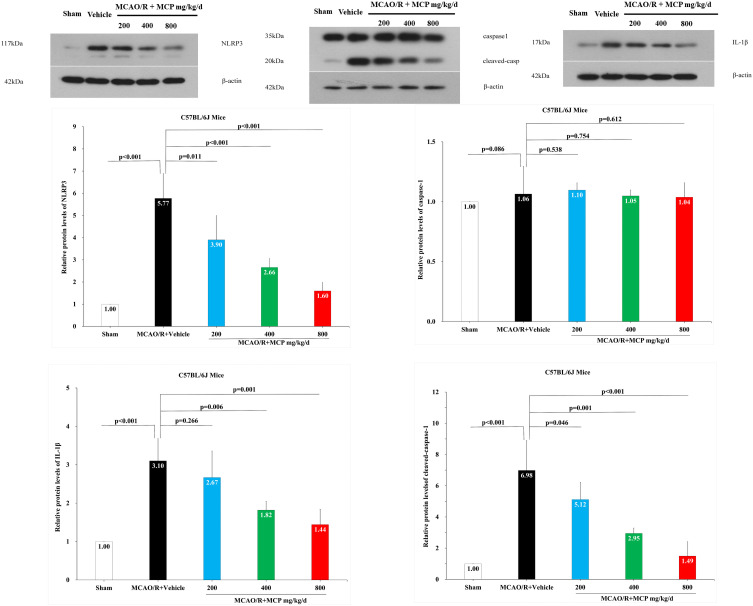
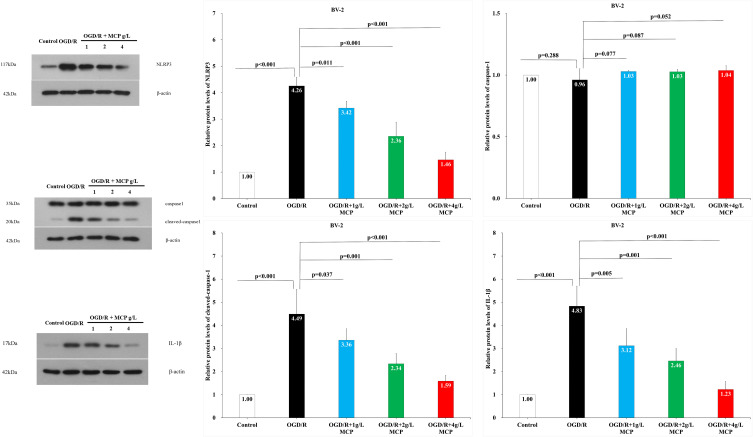
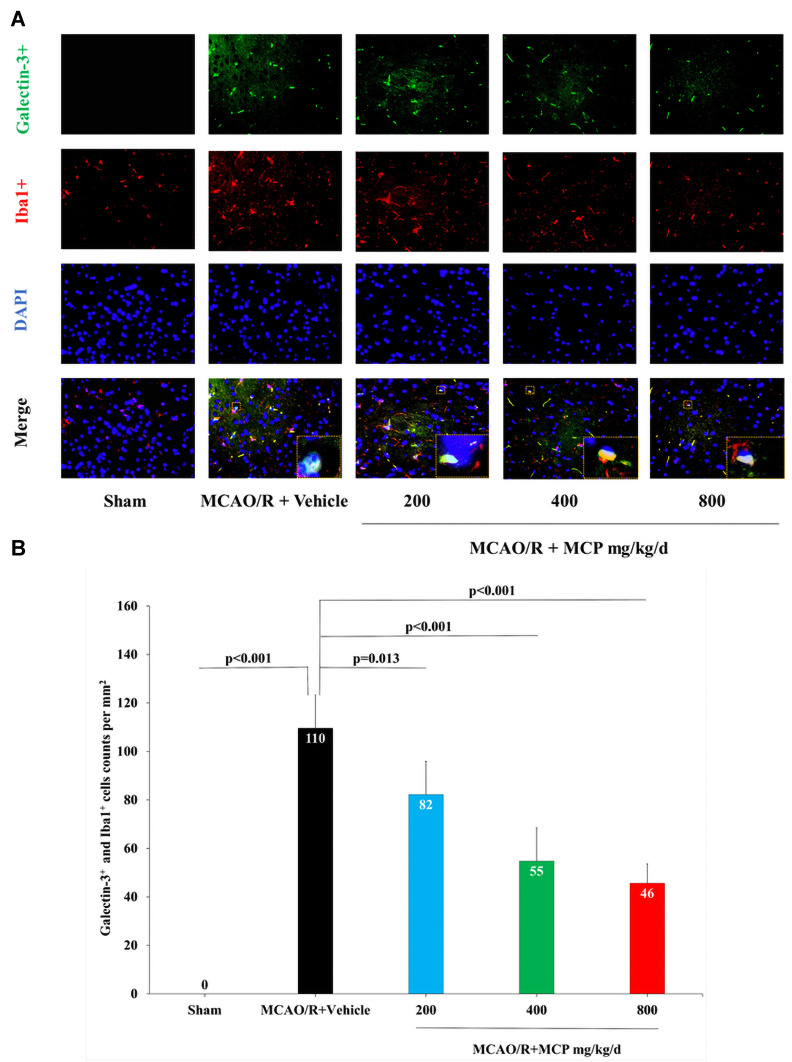
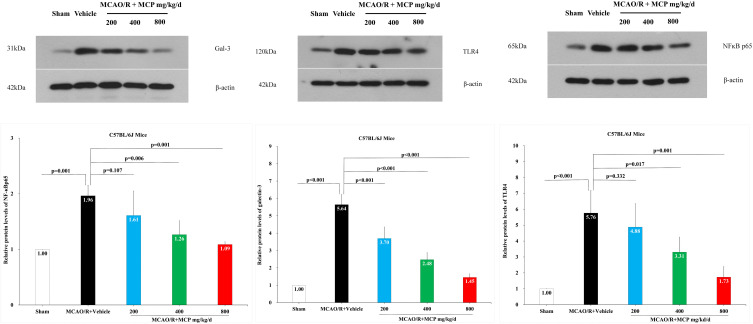
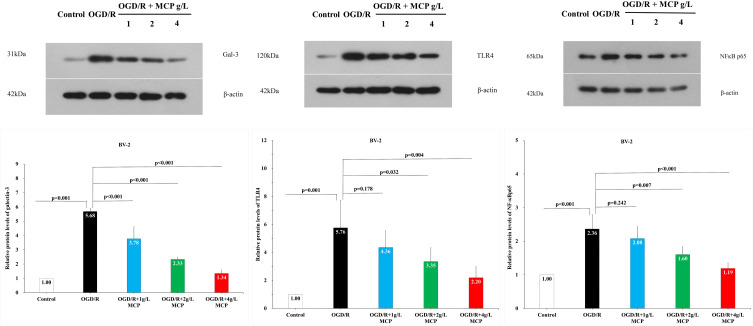
The middle cerebral artery occlusion/reperfusion (MCAO/R) model in C57BL/6J mice and oxygen-glucose deprivation/reoxygenation (ODG/R) model in neuronal (HT-22) and microglial (BV-2) cells were utilized in the following experiments: 1) the neuroprotective effects of MCP with different concentrations were evaluated in vivo and in vitro through measuring neurological deficit scores, brain water content, infarction volume, cell viability, and cell apoptosis; 2) the mechanisms of its neuroprotection were explored in mice and microglial cells through detecting the expression of NLRP3 (NOD-like receptor 3) inflammasome-related proteins by immunofluorescence staining and Western blotting analyses.
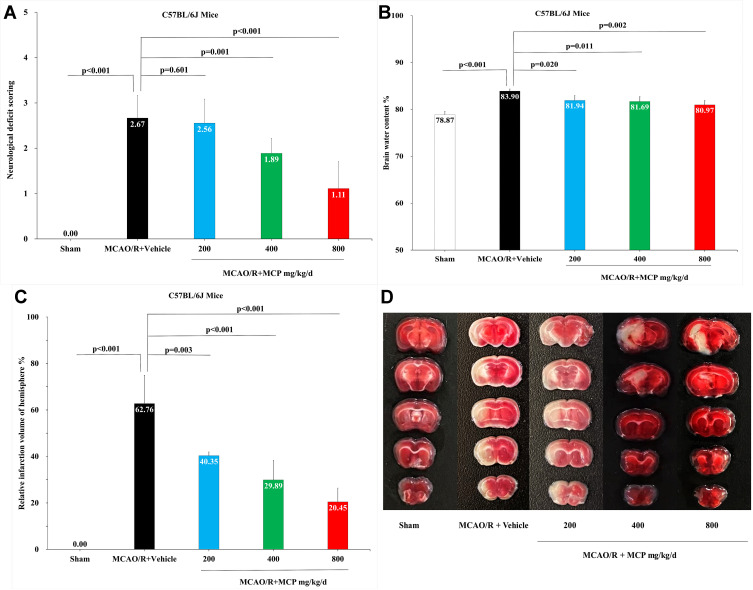
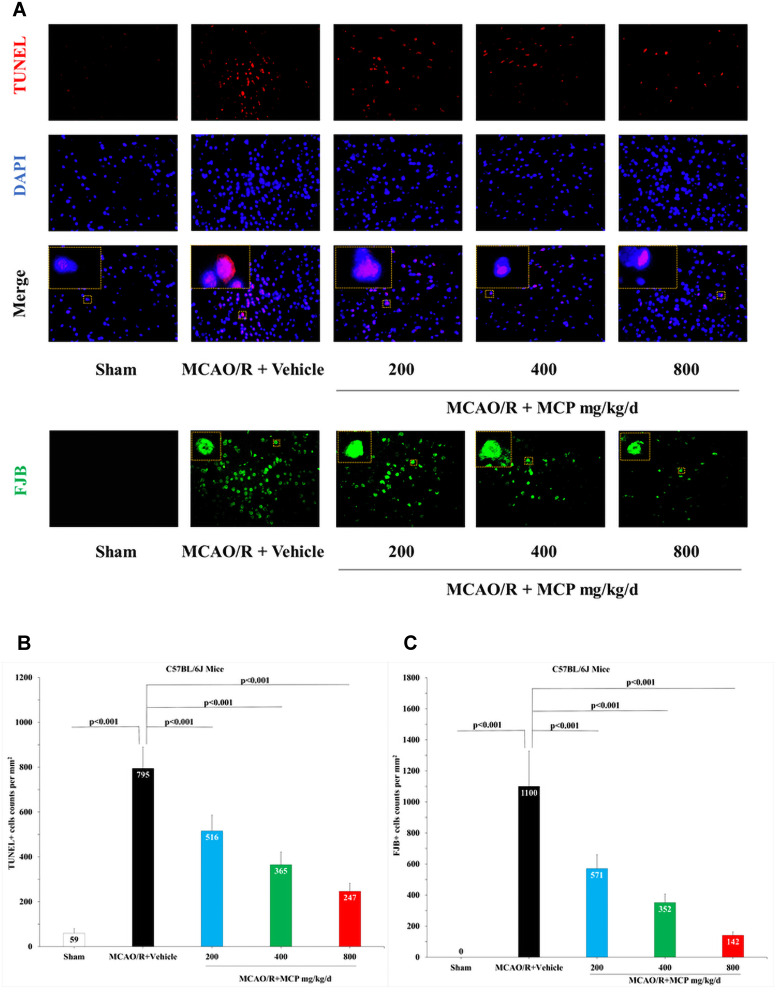
Among the tested concentrations, 800 mg/kg/d MCP in mice and 4 g/L MCP in cells, respectively, showed in vivo and in vitro neuroprotective effects on all the tests, compared with vehicle group. First, MCP significantly reduced neurological deficit scores, brain water content and infarction volume, and alleviated cell injury in the cerebral cortex of MCAO/R model. Second, MCP increased cell viability and reduced cell apoptosis in the neuronal OGD/R model. Third, MCP blocked galectin-3 and decreased the expression of TLR4 (Toll-like receptor 4)/NF-κBp65 (nuclear factor kappa-B)/NLRP3/cleaved-caspase-1/IL-1β (interleukin-1β) in microglial cells.
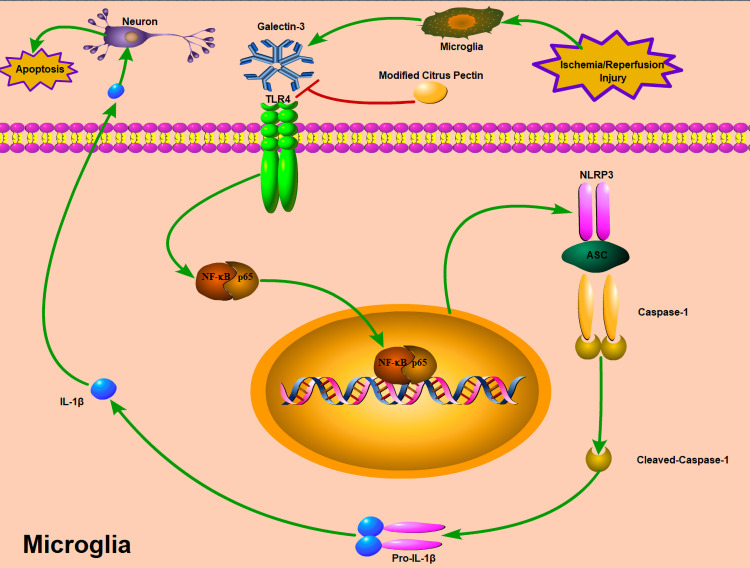
This is the first report that MCP exerts neuroprotective effects in ischemic stroke through blocking galectin-3, which may be mediated by inhibiting the activation of NLRP3 inflammasome via TLR4/NF-κB signaling pathway in microglia.
半乳糖凝集素-3作为中风损伤后小胶质细胞炎症反应的介质。然而,抑制半乳糖凝集素-3是否能预防脑缺血/再灌注损伤仍不清楚。我们旨在研究改性柑橘果胶(MCP,一种半乳糖凝集素-3阻滞剂)在缺血性中风中的神经保护作用及其潜在机制。
在以下实验中使用C57BL/6J小鼠的大脑中动脉闭塞/再灌注(MCAO/R)模型以及神经元(HT-22)和小胶质细胞(BV-2)的氧糖剥夺/复氧(OGD/R)模型:1)通过测量神经功能缺损评分、脑含水量、梗死体积、细胞活力和细胞凋亡,在体内和体外评估不同浓度MCP的神经保护作用;2)通过免疫荧光染色和蛋白质印迹分析检测NLRP3(核苷酸结合寡聚化结构域样受体3)炎性小体相关蛋白的表达,在小鼠和小胶质细胞中探索其神经保护机制。
在测试浓度中,小鼠体内800 mg/kg/d的MCP和细胞中4 g/L的MCP,与溶剂对照组相比,在所有测试中均显示出体内和体外神经保护作用。首先,MCP显著降低神经功能缺损评分、脑含水量和梗死体积,并减轻MCAO/R模型大脑皮质中的细胞损伤。其次,MCP提高神经元OGD/R模型中的细胞活力并减少细胞凋亡。第三,MCP阻断半乳糖凝集素-3并降低小胶质细胞中TLR4(Toll样受体4)/NF-κBp65(核因子κB)/NLRP3/裂解的半胱天冬酶-1/IL-1β(白细胞介素-1β)的表达。
这是首次报道MCP通过阻断半乳糖凝集素-3在缺血性中风中发挥神经保护作用,这可能是通过抑制小胶质细胞中TLR4/NF-κB信号通路介导的NLRP3炎性小体激活来实现的。