Chu Xiaogang, Schwartz Richard, Diamond Michael P, Raju Raghavan Pillai
Department of Pharmacology and Toxicology, Medical College of Georgia, Augusta University, Augusta, GA, United States.
Emergency Medicine, Medical College of Georgia, Augusta University, Augusta, GA, United States.
Front Med (Lausanne). 2019 Dec 17;6:281. doi: 10.3389/fmed.2019.00281. eCollection 2019.
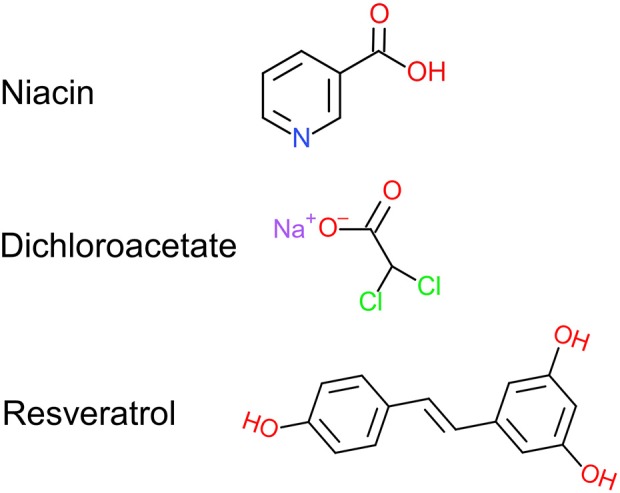
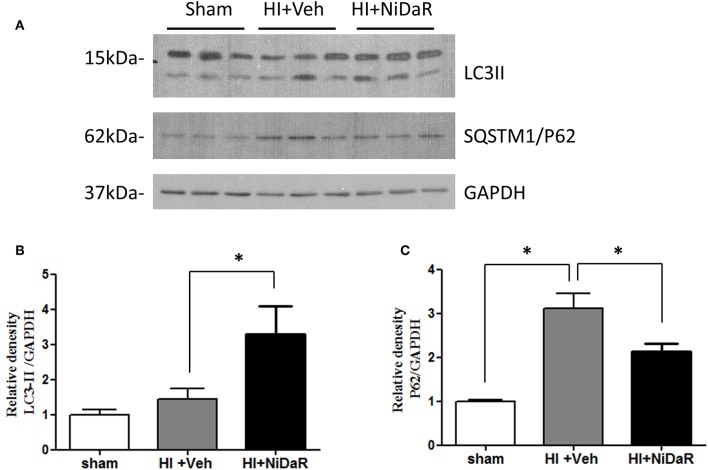
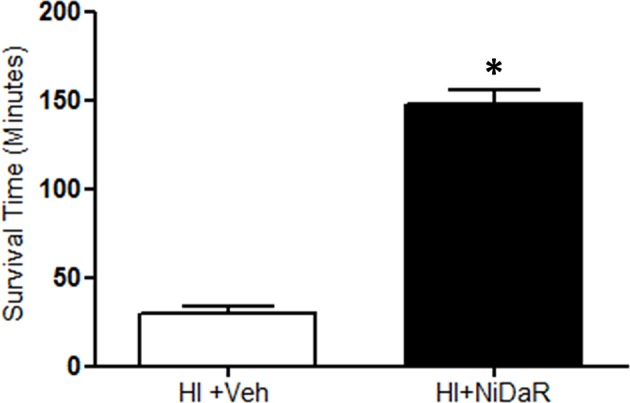
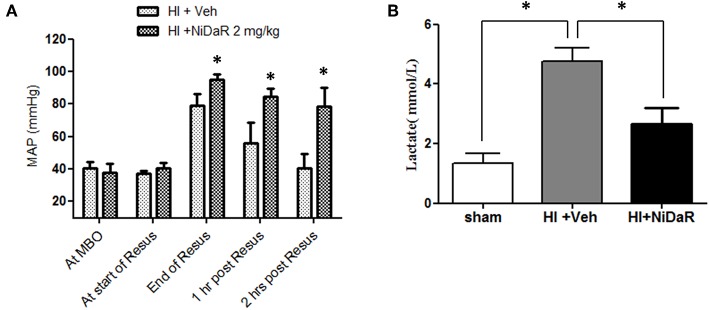
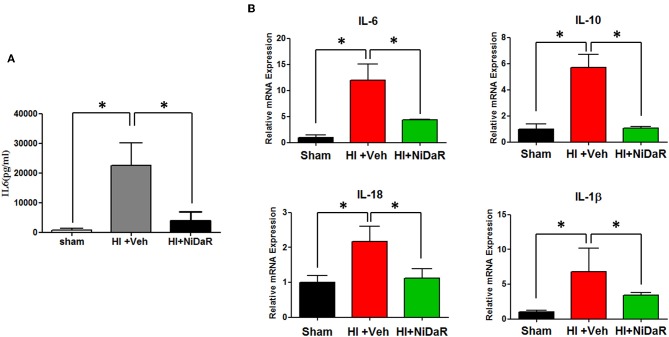
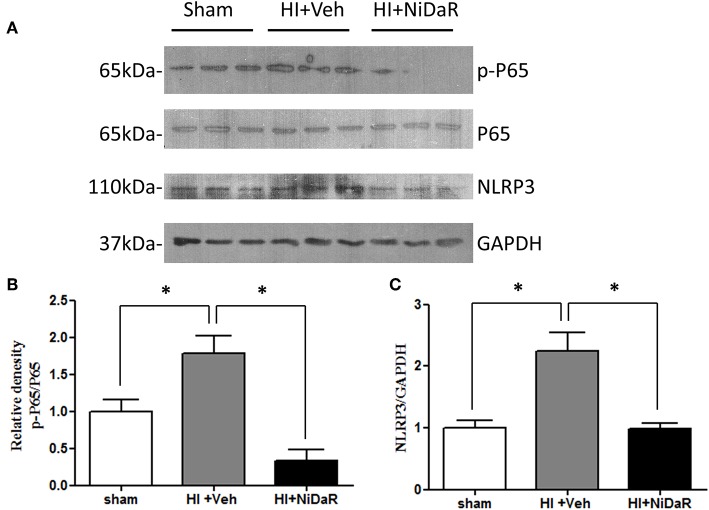
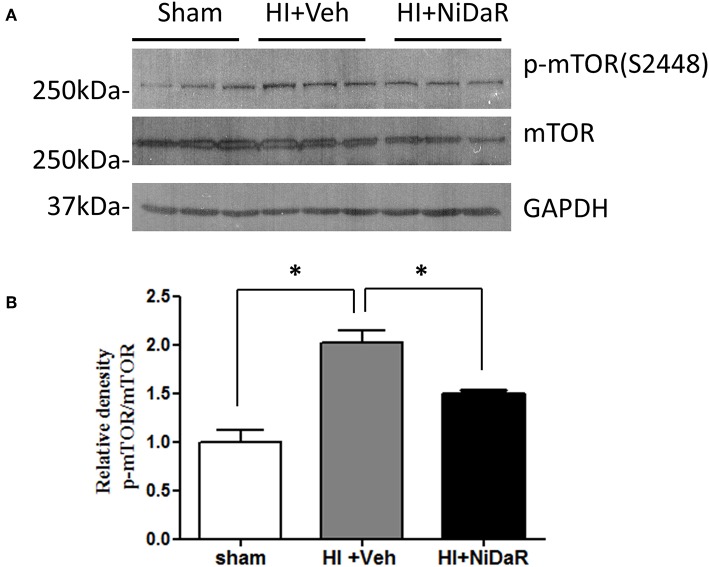
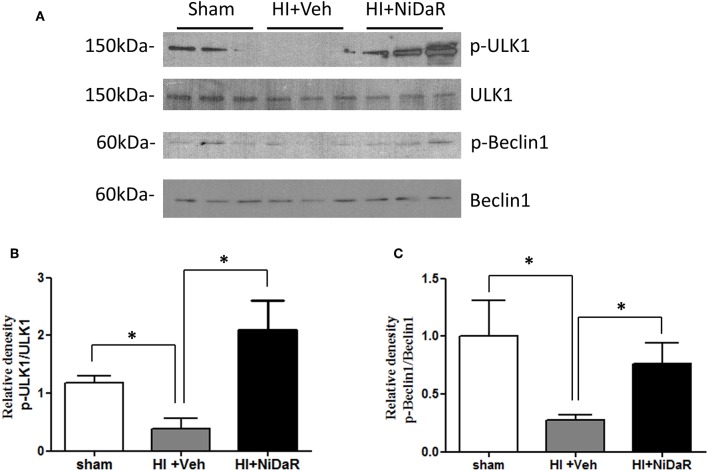
Hemorrhagic shock leads to whole body hypoxia and nutrient deprivation resulting in organ dysfunction and mortality. Previous studies demonstrated that resveratrol, dichloroacetate, and niacin improve organ function and survival in rats following hemorrhagic shock injury (HI). We hypothesized that a combinatorial formula that collectively promotes survival will decrease the dose of individual compounds toward effective therapy for HI. Sprague-Dawley rats were subjected to HI by withdrawing 60% blood volume. NiDaR (Niacin-Dichloroacetate-Resveratrol; 2 mg/kg dose of each) or vehicle was administered following the shock in the absence of fluid resuscitation, and survival monitored. In order to study alterations in molecular mediators, separate groups of rats were administered NiDaR or vehicle along with resuscitation fluid, following HI. We observed significant improvement ( < 0.05) in survival following HI in animals that received NiDaR, in the absence of fluid resuscitation. In NiDaR treated animals that received resuscitation fluid, MAP was significantly increased compared to Veh-treated rats. HI-induced increase in systemic IL-6 levels and tissue expression of IL-6, IL-10, IL-1β, and IL-18 genes in the heart were attenuated with NiDaR treatment. NiDaR promoted autophagy following HI as demonstrated by reduced p-mTOR, increased p-ULK1 and p-Beclin. The combinatorial formula, NiDaR, reduced inflammation, promoted autophagy, and reduced doses of individual compounds used, and may be more effective in genetically heterogeneous population. In conclusion our experiments demonstrated that the combinatorial drug treatment has salutary effect in rats following HI.
失血性休克会导致全身缺氧和营养物质缺乏,进而引发器官功能障碍和死亡。先前的研究表明,白藜芦醇、二氯乙酸和烟酸可改善失血性休克损伤(HI)大鼠的器官功能并提高其存活率。我们推测,一种能共同促进存活的组合配方将降低单一化合物的剂量,从而实现对HI的有效治疗。将Sprague-Dawley大鼠的血容量抽出60%,使其遭受HI。在休克后且未进行液体复苏的情况下,给予NiDaR(烟酸-二氯乙酸-白藜芦醇;每种剂量为2mg/kg)或赋形剂,并监测存活率。为了研究分子介质的变化,在HI后,将单独的大鼠组给予NiDaR或赋形剂以及复苏液。我们观察到,在未进行液体复苏的情况下,接受NiDaR的动物在HI后的存活率有显著提高(<0.05)。在接受复苏液的NiDaR处理的动物中,与赋形剂处理的大鼠相比,平均动脉压(MAP)显著升高。NiDaR处理减弱了HI诱导的全身IL-6水平升高以及心脏中IL-6、IL-10、IL-1β和IL-18基因的组织表达。NiDaR促进了HI后的自噬,表现为p-mTOR降低、p-ULK1和p-Beclin升高。组合配方NiDaR减少了炎症,促进了自噬,并降低了所用单一化合物的剂量,在基因异质群体中可能更有效。总之,我们的实验表明,联合药物治疗对HI后的大鼠具有有益作用。