University of Edinburgh, Centre for Discovery Brain Sciences, Edinburgh, Scotland.
University of Dundee, School of Life Sciences, Dundee, Scotland.
Cell Rep. 2020 Jan 14;30(2):367-380.e7. doi: 10.1016/j.celrep.2019.12.078.
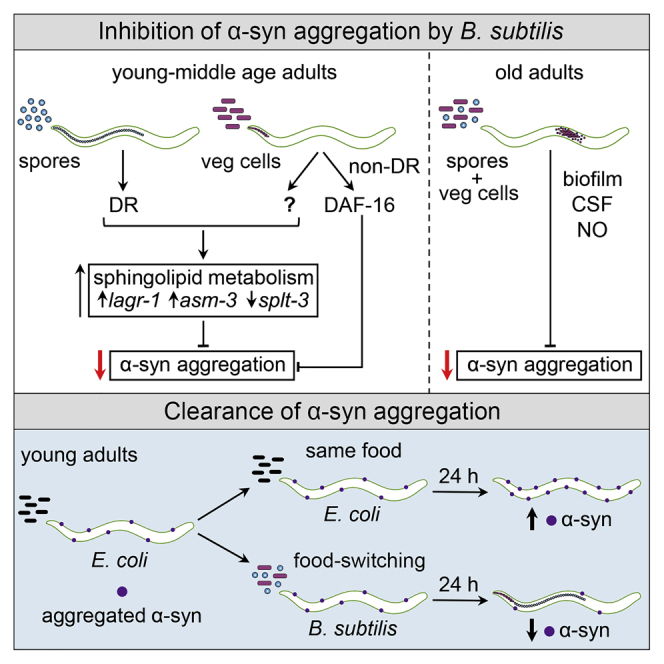
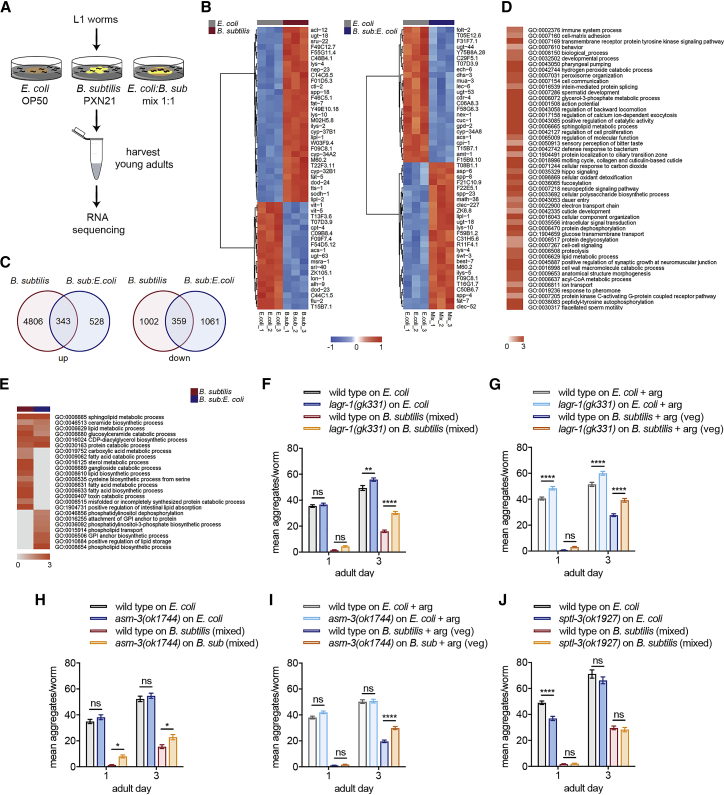
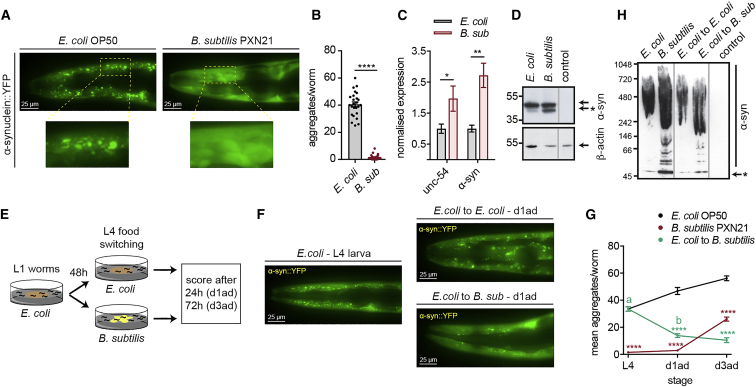
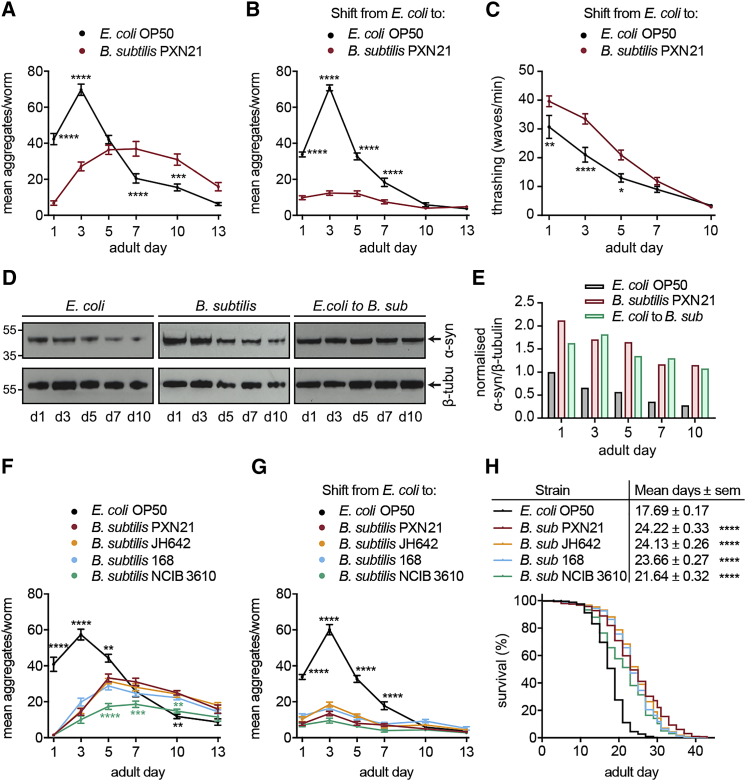
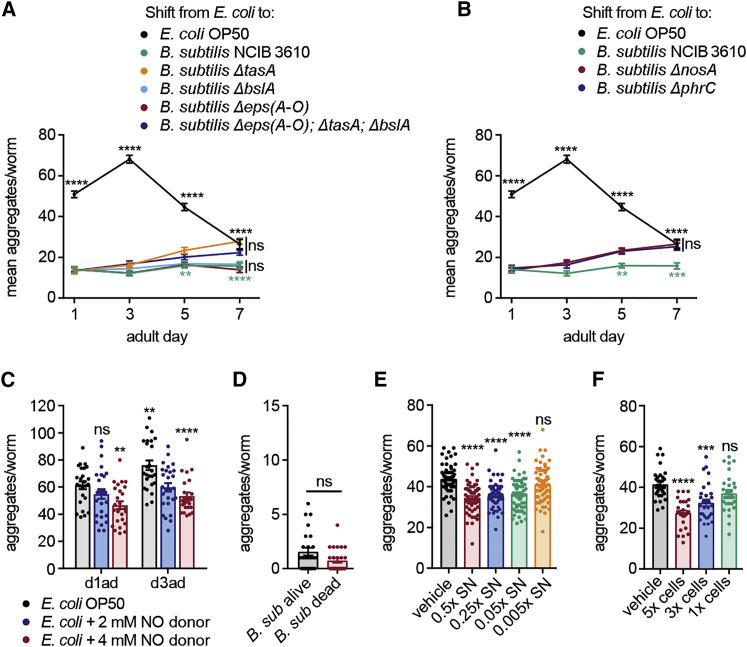
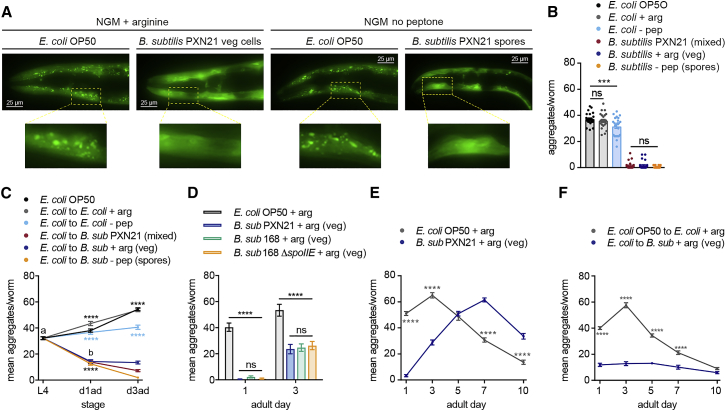
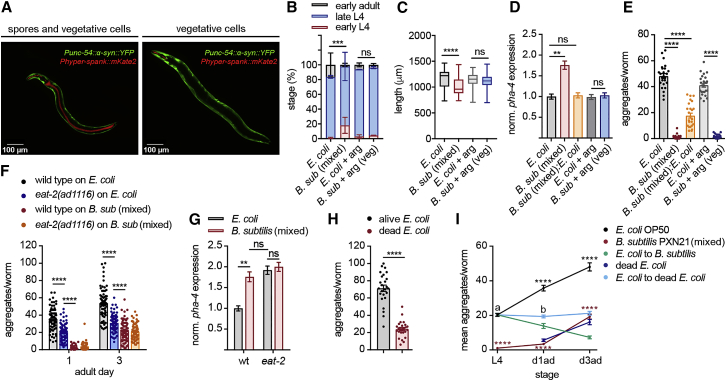
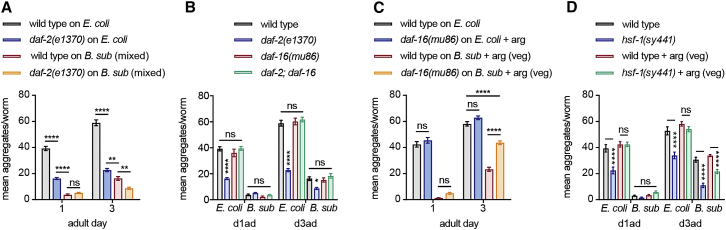
Recent discoveries have implicated the gut microbiome in the progression and severity of Parkinson's disease; however, how gut bacteria affect such neurodegenerative disorders remains unclear. Here, we report that the Bacillus subtilis probiotic strain PXN21 inhibits α-synuclein aggregation and clears preformed aggregates in an established Caenorhabditis elegans model of synucleinopathy. This protection is seen in young and aging animals and is partly mediated by DAF-16. Multiple B. subtilis strains trigger the protective effect via both spores and vegetative cells, partly due to a biofilm formation in the gut of the worms and the release of bacterial metabolites. We identify several host metabolic pathways differentially regulated in response to probiotic exposure, including sphingolipid metabolism. We further demonstrate functional roles of the sphingolipid metabolism genes lagr-1, asm-3, and sptl-3 in the anti-aggregation effect. Our findings provide a basis for exploring the disease-modifying potential of B. subtilis as a dietary supplement.
最近的发现表明肠道微生物组与帕金森病的进展和严重程度有关;然而,肠道细菌如何影响这种神经退行性疾病仍不清楚。在这里,我们报告说,枯草芽孢杆菌益生菌菌株 PXN21 抑制α-突触核蛋白聚集,并在已建立的秀丽隐杆线虫突触核蛋白病模型中清除预先形成的聚集体。这种保护作用在年轻和年老的动物中都可见,部分是由 DAF-16 介导的。多种枯草芽孢杆菌菌株通过孢子和营养细胞触发保护作用,部分原因是在蠕虫的肠道中形成生物膜和释放细菌代谢物。我们鉴定了几种宿主代谢途径对益生菌暴露的反应不同,包括鞘脂代谢。我们进一步证明了鞘脂代谢基因 lagr-1、asm-3 和 sptl-3 在抗聚集作用中的功能作用。我们的发现为探索枯草芽孢杆菌作为膳食补充剂的疾病修饰潜力提供了依据。