Huang Yunwei, Yan Jingye, Peng Shiyuan, Tang Zilun, Tan Cuiying, Ling Jiabao, Lin Wenjing, Lin Xiaofeng, Zu Xihong, Yi Guobin
School of Chemical Engineering and Light Industry, Guangdong University of Technology, Guangzhou 510006, China.
Guangdong Provincial Key Lab of Green Chemical Product Technology, School of Chemistry and Chemical Engineering, South China University of Technology, Guangzhou 510640, China.
Polymers (Basel). 2020 Jan 3;12(1):82. doi: 10.3390/polym12010082.
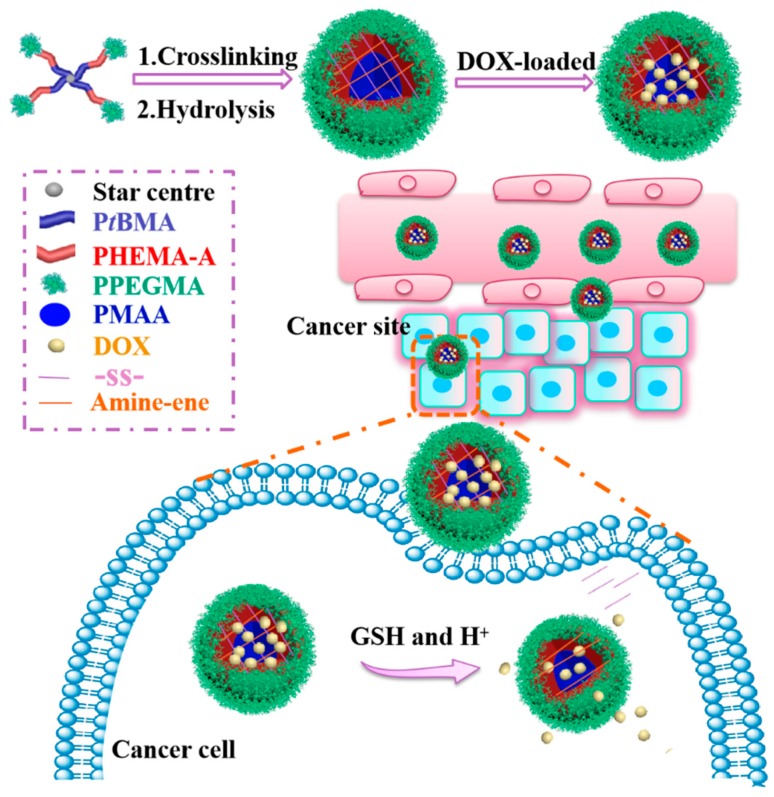
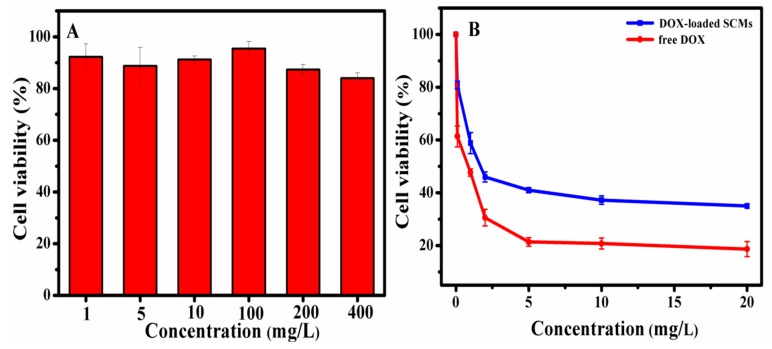
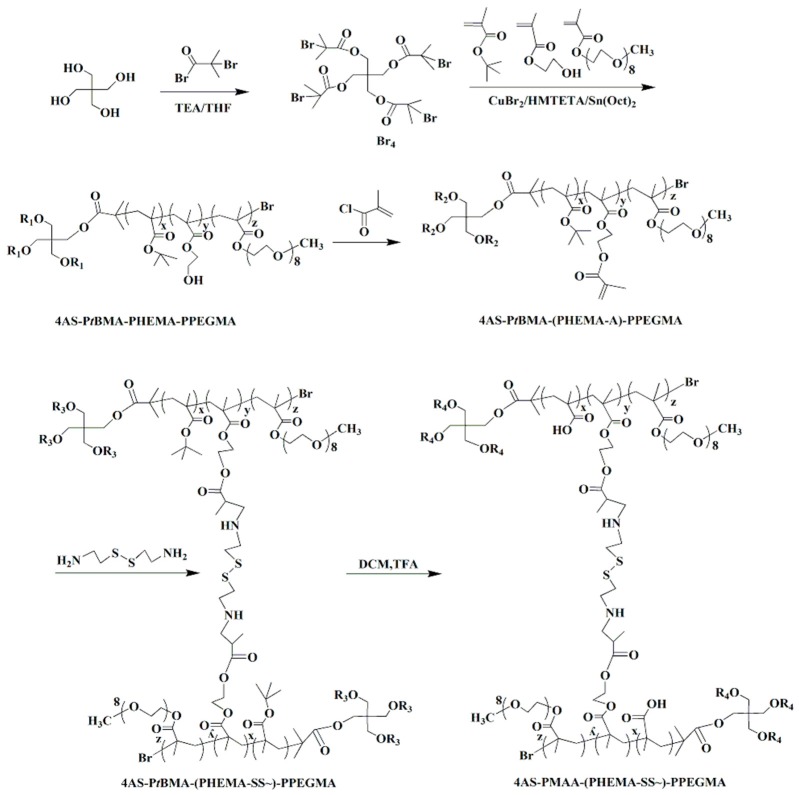
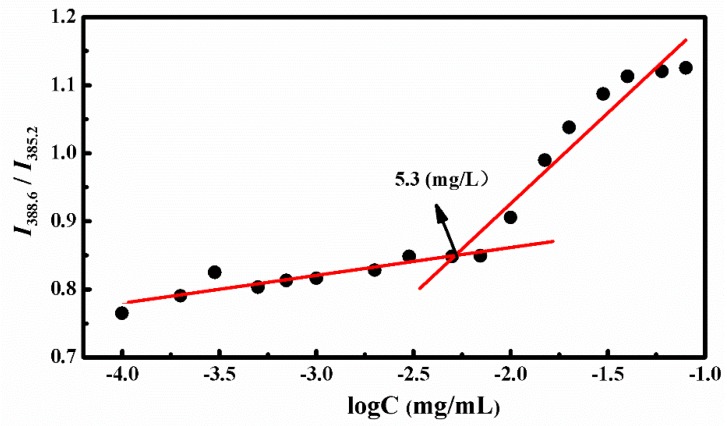
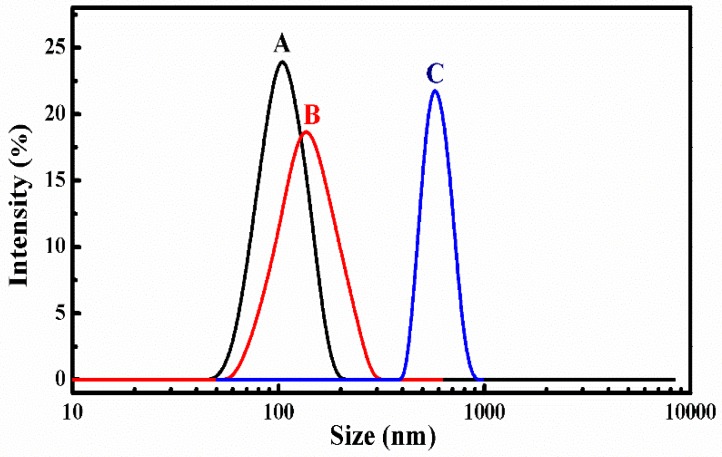
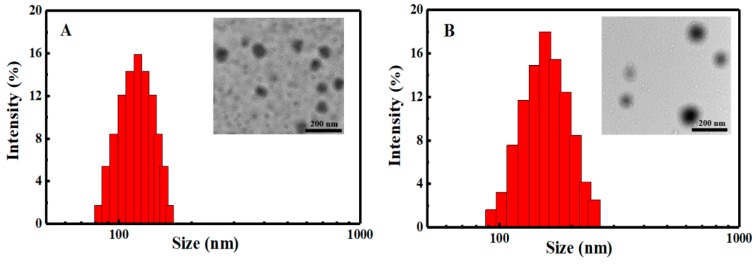
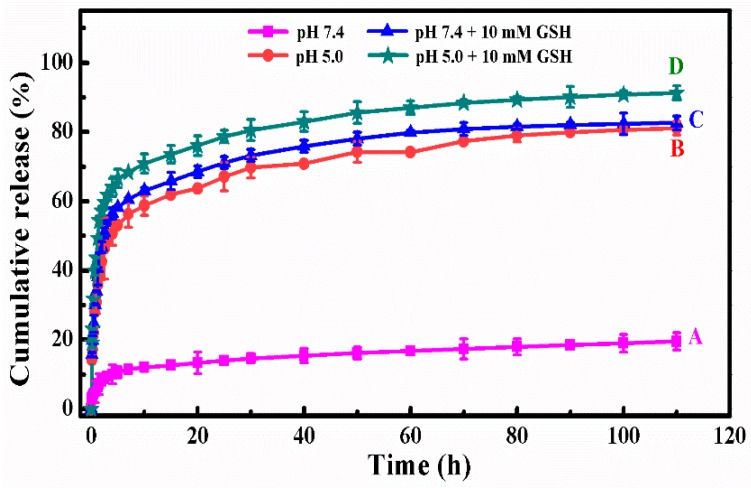
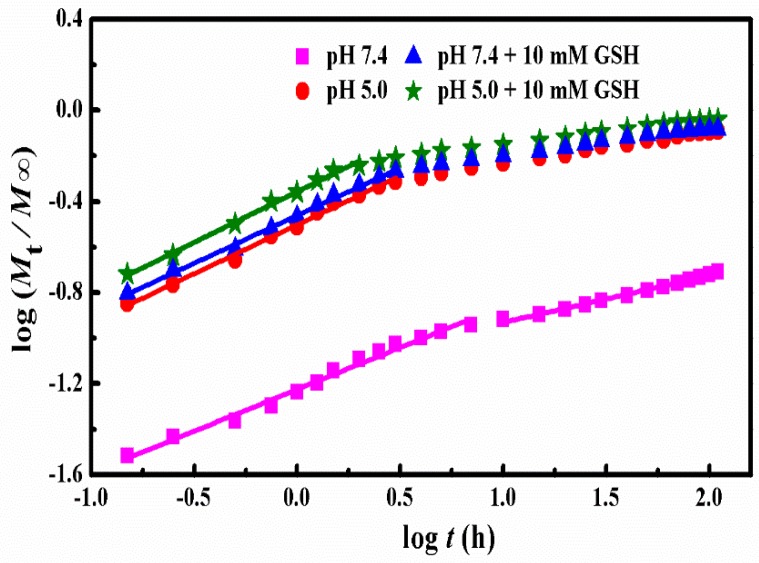
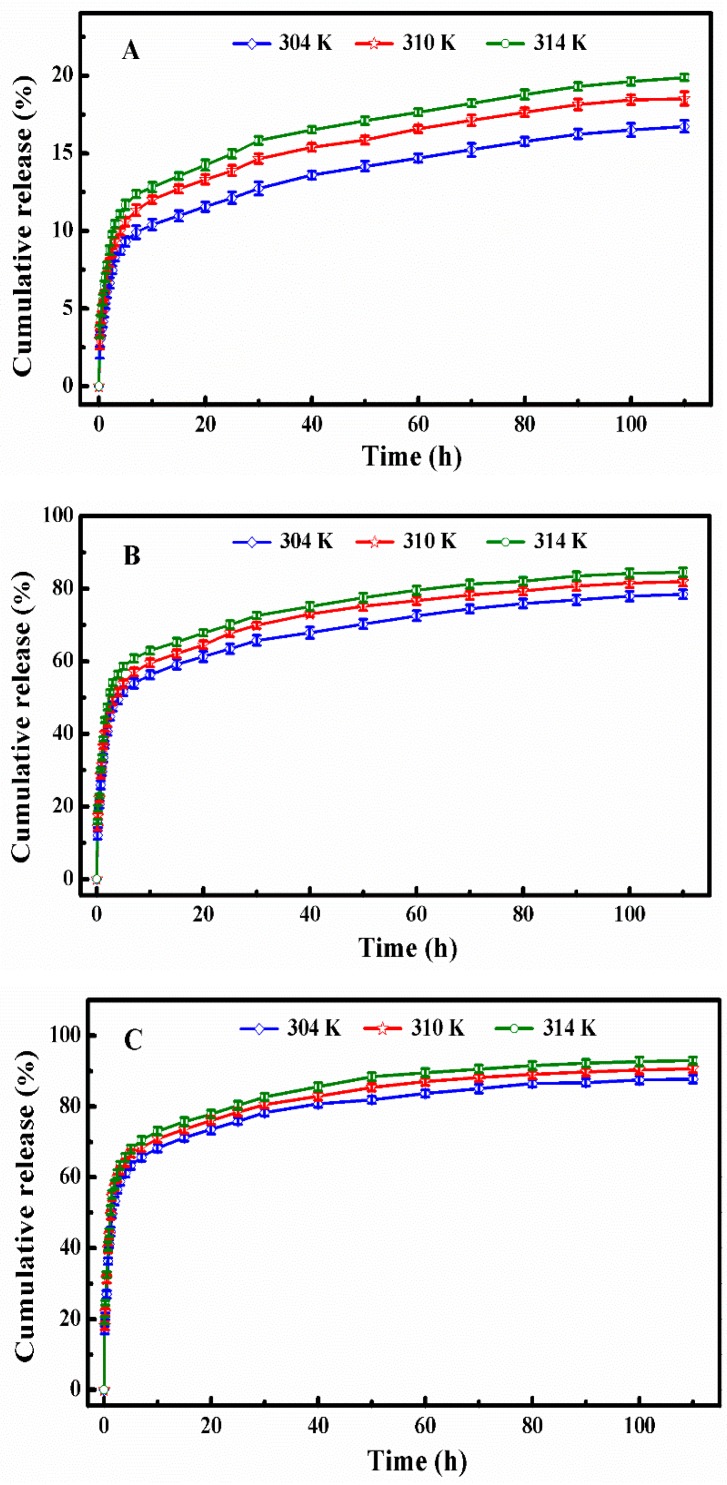
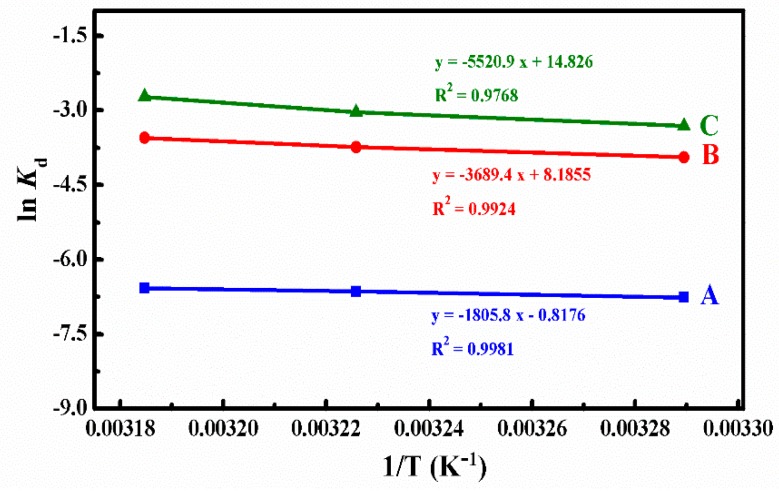
Novel approach has been constructed for preparing the amphiphilic star copolymer pH/reduction stimuli-responsive cross-linked micelles (SCMs) as a smart drug delivery system for the well-controlled anti-tumor drug doxorubicin (DOX) release. The SCMs had a low CMC value of 5.3 mg/L. The blank and DOX-loaded SCMs both had a spherical shape with sizes around 100-180 nm. In addition, the good stability and well pH/reduction-sensitivity of the SCMs were determined by dynamic light scattering (DLS) as well. The SCMs owned a low release of DOX in bloodstream and normal tissues while it had a fast release in tumor higher glutathione (GSH) concentration and/or lower pH value conditions, which demonstrates their pH/reduction dual-responsiveness. Furthermore, we conducted the thermodynamic analysis to study the interactions between the DOX and polymer micelles in the DOX release process. The values of the thermodynamic parameters at pH 7.4 and at pH 5.0 conditions indicated that the DOX release was endothermic and controlled mainly by the forces of an electrostatic interaction. At pH 5.0 with 10 mM GSH condition, electrostatic interaction, chemical bond, and hydrophobic interactions contributed together on DOX release. With the low cytotoxicity of blank SCMs and well cytotoxicity of DOX-loaded SCMs, the results indicated that the SCMs could form a smart cancer microenvironment-responsive drug delivery system. The release kinetic and thermodynamic analysis offer a theoretical foundation for the interaction between drug molecules and polymer matrices, which helps provide a roadmap for the oriented design and control of anti-cancer drug release for cancer therapy.
已构建了一种新型方法来制备两亲性星形共聚物pH/还原刺激响应交联胶束(SCMs),作为一种智能药物递送系统,用于精确控制抗肿瘤药物阿霉素(DOX)的释放。SCMs的临界胶束浓度(CMC)值低至5.3 mg/L。空白和载有DOX的SCMs均呈球形,尺寸约为100-180 nm。此外,还通过动态光散射(DLS)测定了SCMs具有良好的稳定性以及良好的pH/还原敏感性。SCMs在血液和正常组织中DOX释放量低,而在肿瘤中谷胱甘肽(GSH)浓度较高和/或pH值较低的条件下释放迅速,这证明了它们的pH/还原双重响应性。此外,我们进行了热力学分析,以研究DOX释放过程中DOX与聚合物胶束之间的相互作用。pH 7.4和pH 5.0条件下的热力学参数值表明,DOX释放是吸热的,主要受静电相互作用的力控制。在pH 5.0和10 mM GSH条件下,静电相互作用、化学键和疏水相互作用共同促进DOX释放。由于空白SCMs细胞毒性低,载有DOX的SCMs细胞毒性良好,结果表明SCMs可以形成一种智能的癌症微环境响应药物递送系统。释放动力学和热力学分析为药物分子与聚合物基质之间的相互作用提供了理论基础,有助于为癌症治疗中抗癌药物释放的定向设计和控制提供路线图。