Institute of Molecular and Industrial Biotechnology, Faculty of Biotechnology and Food Sciences, Lodz University of Technology, Stefanowskiego 4/10, 90-924 Lodz, Poland.
Institute of Food Technology and Analysis, Faculty of Biotechnology and Food Sciences, Lodz University of Technology, Stefanowskiego 4/10, 90-924 Lodz, Poland.
Nutrients. 2020 Jan 19;12(1):257. doi: 10.3390/nu12010257.
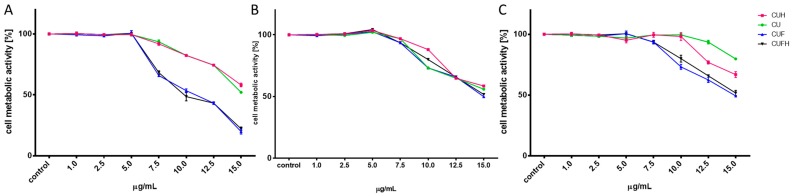
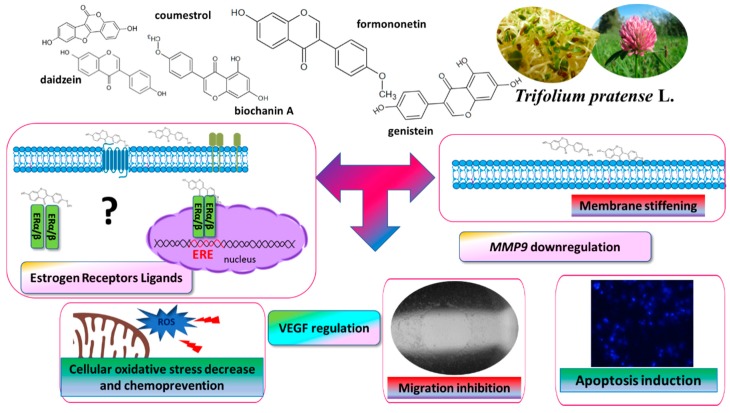
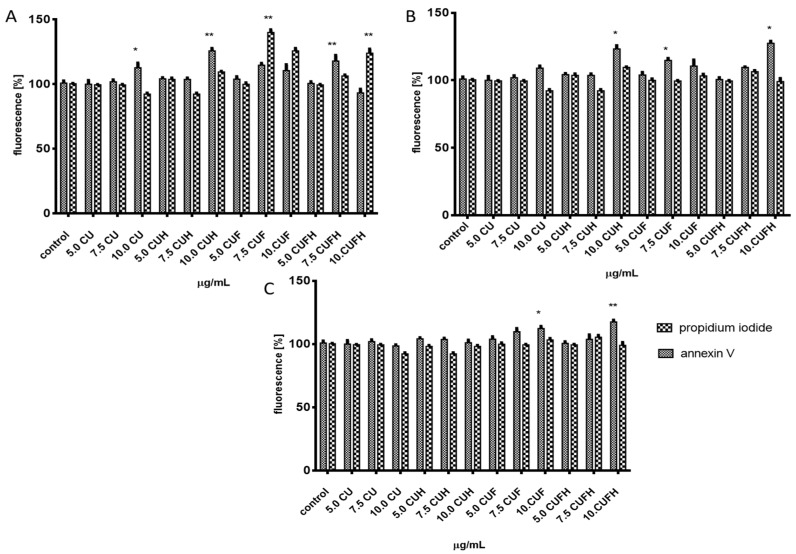
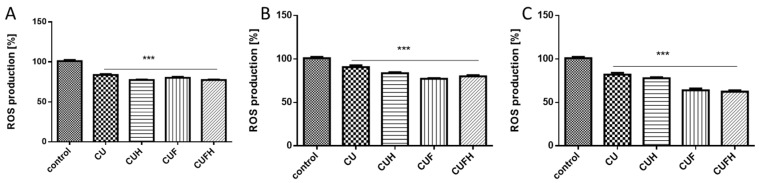
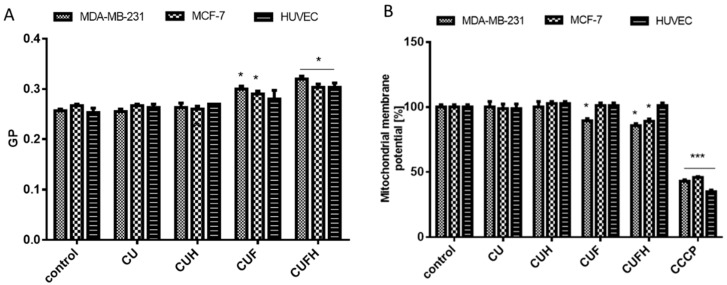
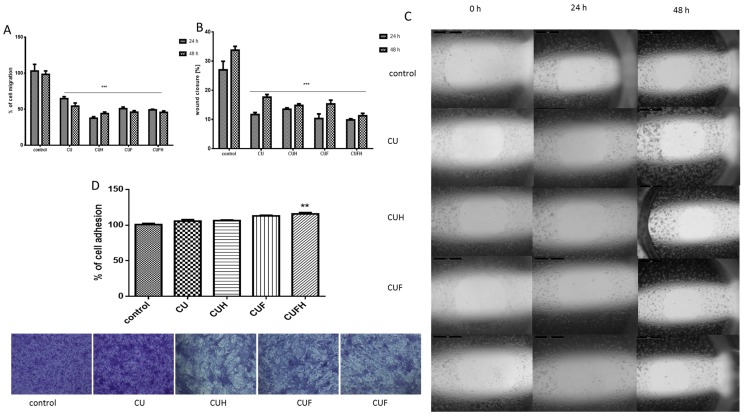
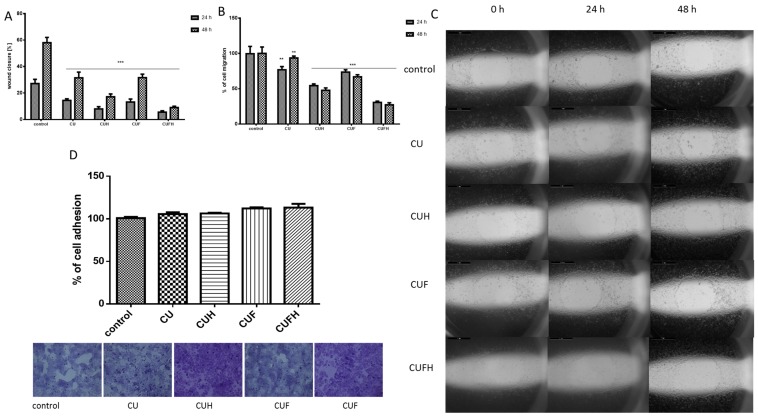
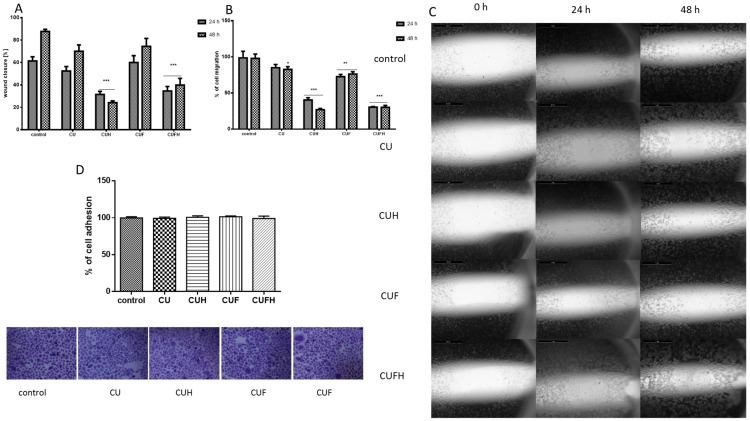
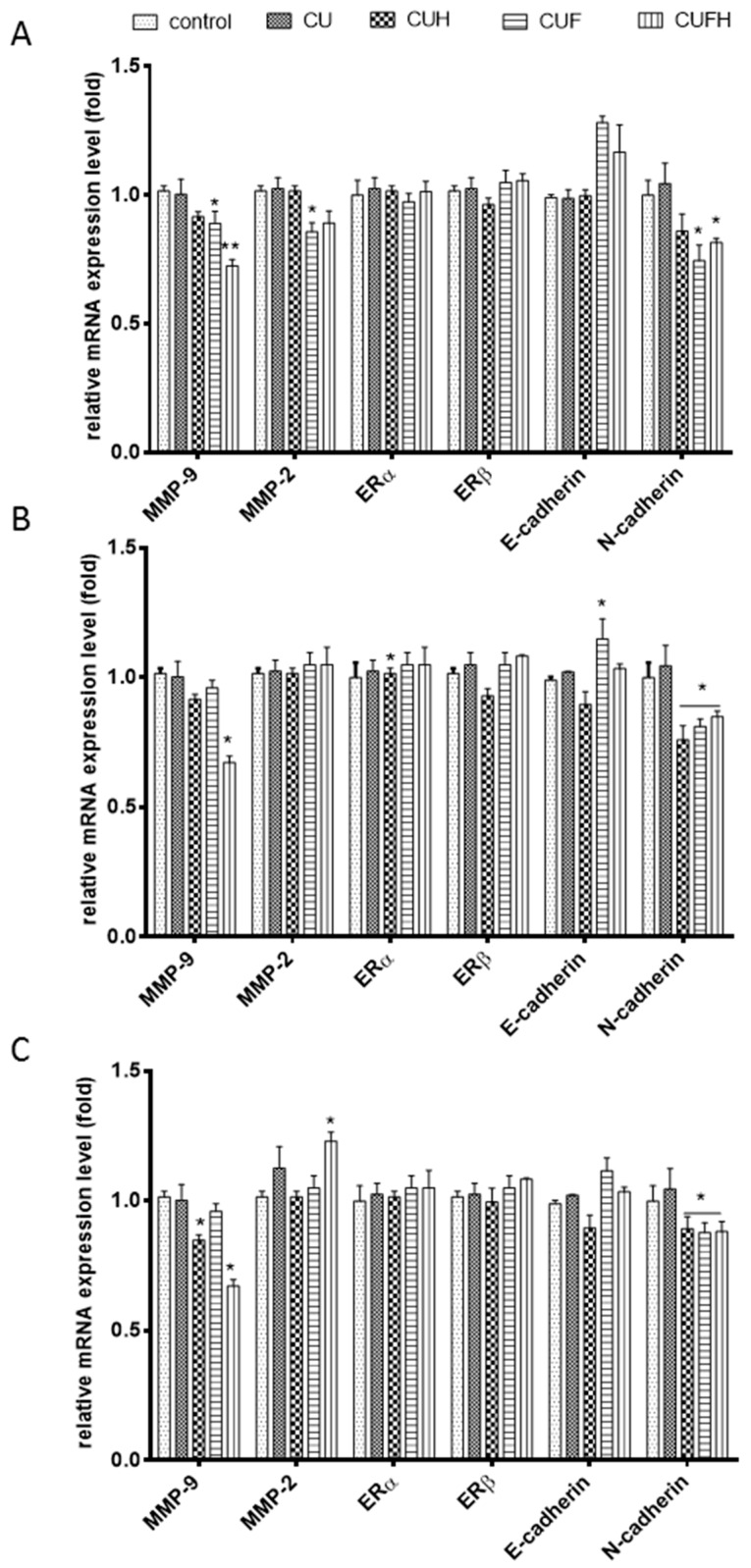
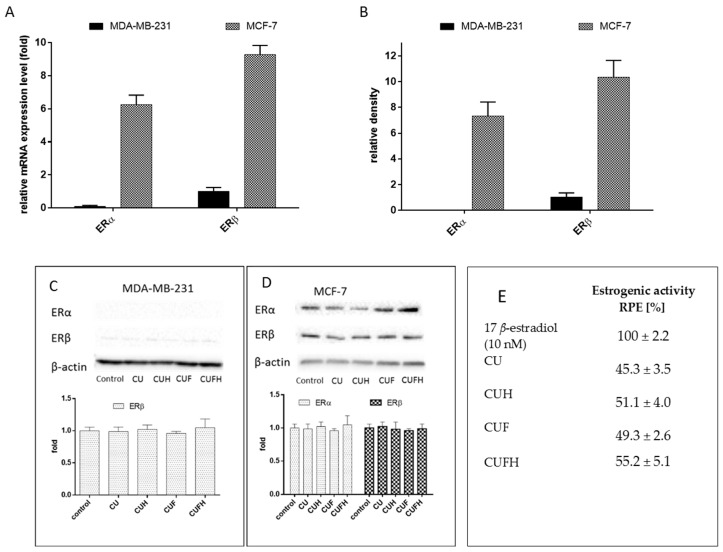
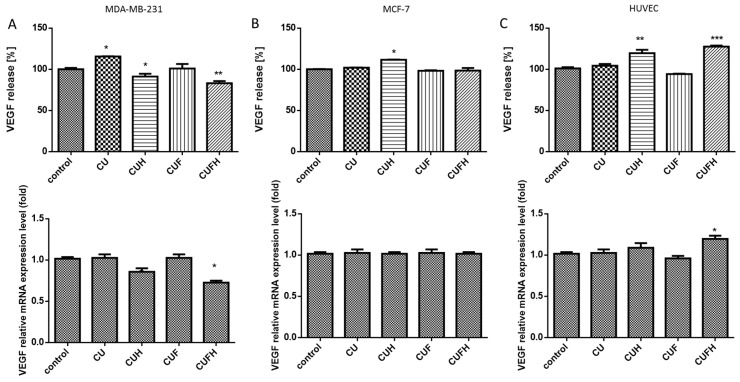
Uncontrolled growth and migration and invasion abilities are common for cancer cells in malignant tumors with low therapeutic effectiveness and high mortality and morbidity. Estrogen receptor β (ERβ), as a member of the nuclear receptor superfamily, shows potent tumor suppressive activities in many cancers. Phytoestrogens' structural resemblance to 17 β-estradiol allows their binding to ERβ isoform predominantly, and therefore, expression of genes connected with elevated proliferation, motility and invasiveness of cancer cells may be downregulated. Among polyphenolic compounds with phytoestrogenic activity, there are isoflavones from L. (red clover) sprouts, containing high amounts of formononetin and biochanin A and their glycosides. To determine the source of the most biologically active isoflavones, we obtained four extracts from sprouts before and after their lactic fermentation and/or β-glucosidase treatment. Our previous results of ITC (isothermal titration calorimetry) modelling and a docking simulation showed clover isoflavones' affinity to ERβ binding, which may downregulate cancer cell proliferation and migration. Thus, the biological activity of sprouts' extracts was checked under in vitro conditions against highly invasive human breast cancer cell line MDA-MB-231 and non-invasive human breast cancer cell line MCF-7 cells. To compare extracts' activities acquired for cancer cells with those activities against normal cells, as a third model we choose human umbilical vein endothelial cells (HUVEC), which, due to their migration abilities, are involved in blood vessel formation. Extracts obtained from fermented sprouts at IC dosages were able to inhibit migration of breast cancer cells through their influence on intracellular ROS generation; membrane stiffening; adhesion; regulation of MMP-9, N-cadherin and E-cadherin at transcriptional level; or VEGF secretion. Simultaneously, isolated phenolics revealed no toxicity against normal HUVEC cells. In the manuscript, we proposed a preliminary mechanism accounting for the in vitro activity of L. isoflavones. In this manner, sprouts, especially after their lactic fermentation, can be considered a potent source of biological active phytoestrogens and a dietary supplement with anti-cancer and anti-invasion properties.
不受控制的生长、迁移和侵袭能力是恶性肿瘤中癌细胞的共同特征,这些肿瘤治疗效果差,死亡率和发病率高。雌激素受体 β(ERβ)作为核受体超家族的一员,在许多癌症中表现出强大的肿瘤抑制活性。植物雌激素与 17β-雌二醇结构相似,使其主要与 ERβ 同工型结合,因此,与癌细胞增殖、迁移和侵袭能力升高相关的基因表达可能下调。在具有植物雌激素活性的多酚化合物中,有来自红三叶草芽的异黄酮,含有大量的芒柄花素和大豆苷元及其糖苷。为了确定最具生物活性的异黄酮的来源,我们从乳酸发酵前后和/或β-葡萄糖苷酶处理后的芽中获得了四种提取物。我们之前的 ITC(等温滴定量热法)建模和对接模拟结果表明,三叶草异黄酮与 ERβ 结合的亲和力,这可能下调癌细胞的增殖和迁移。因此,在体外条件下,检查了芽提取物对高度侵袭性的人乳腺癌细胞系 MDA-MB-231 和非侵袭性的人乳腺癌细胞系 MCF-7 的提取物的生物活性。为了比较提取物对癌细胞的活性与对正常细胞的活性,我们选择了人脐静脉内皮细胞(HUVEC)作为第三个模型,由于其迁移能力,HUVEC 参与血管形成。在 IC 剂量下从发酵芽中获得的提取物能够通过影响细胞内 ROS 的产生、膜硬度、黏附、调节 MMP-9、N-钙黏蛋白和 E-钙黏蛋白的转录水平或 VEGF 的分泌来抑制乳腺癌细胞的迁移。同时,分离的酚类化合物对正常的 HUVEC 细胞没有毒性。在本文中,我们提出了一个初步的机制来解释红三叶草异黄酮的体外活性。因此,红三叶草芽,尤其是经过乳酸发酵后,可以被认为是生物活性植物雌激素的有效来源,也是具有抗癌和抗侵袭特性的膳食补充剂。