McClain Caldwell Ian, Hogden Christopher, Nemeth Krisztian, Boyajian Michael, Krepuska Miklos, Szombath Gergely, MacDonald Sandra, Abshari Mehrnoosh, Moss Joel, Vitale-Cross Lynn, Fontana Joseph R, Mezey Eva
Adult Stem Cell Section, National Institute of Dental and Craniofacial Research (NIDCR), National Institutes of Health (NIH), Bethesda, MD 20892, USA.
Stem Cell Laboratory, Department of Dermatology, Venerology and Dermato-oncology, Semmelweis University, Budapest 1085, Hungary.
J Clin Med. 2020 Jan 19;9(1):278. doi: 10.3390/jcm9010278.
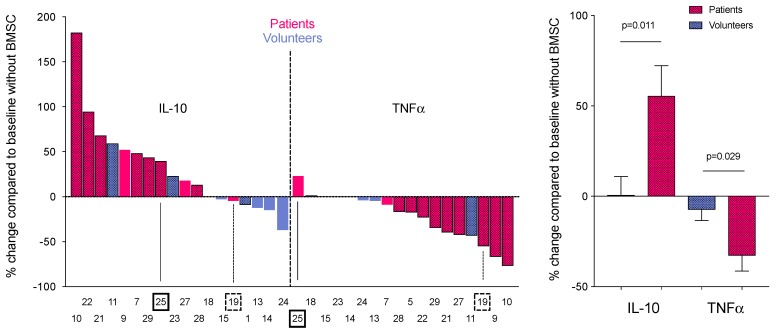
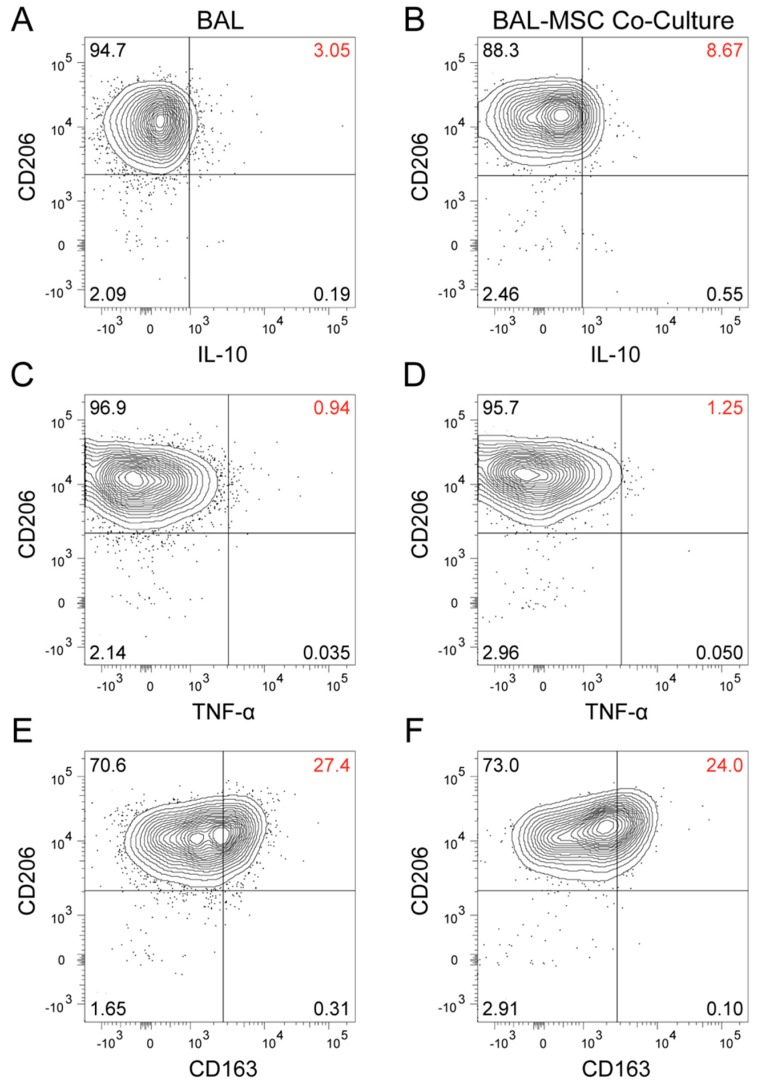
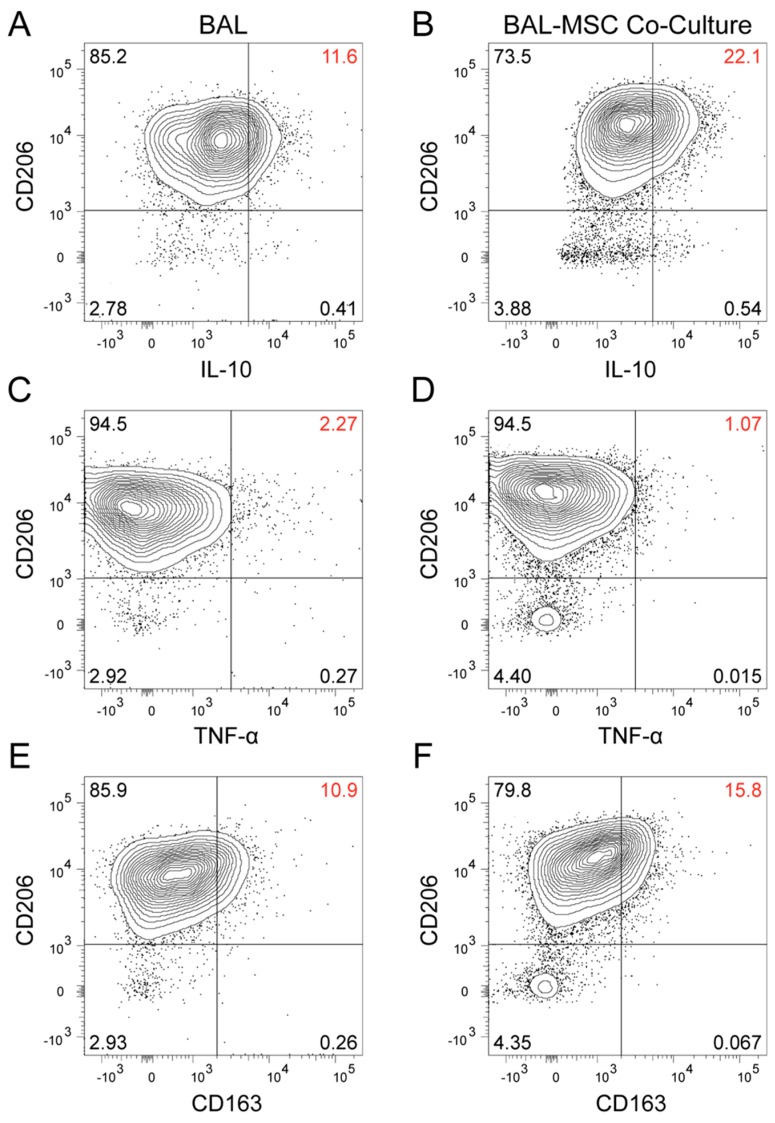
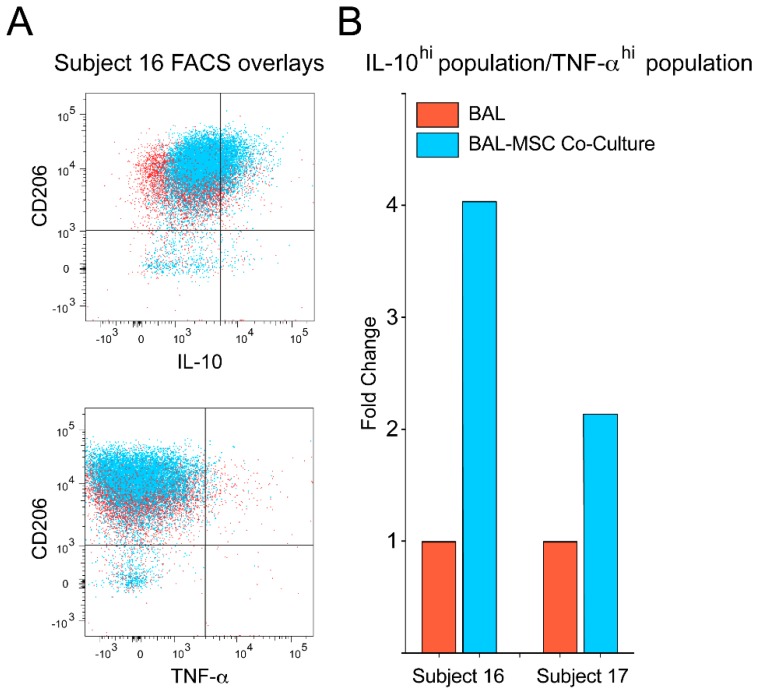
Sarcoidosis is a devastating inflammatory disease affecting many organs, especially the lungs and lymph nodes. Bone marrow-derived mesenchymal stromal cells (MSCs) can "reprogram" various types of macrophages towards an anti-inflammatory phenotype. We wanted to determine whether alveolar macrophages from sarcoidosis subjects behave similarly by mounting an anti-inflammatory response when co-cultured with MSCs. Fifteen sarcoidosis and eight control subjects underwent bronchoscopy and bronchoalveolar lavage (BAL). Unselected BAL cells (70-94% macrophages) were isolated and cultured with and without MSCs from healthy adults. Following stimulation of the cultured cells with lipopolysaccharide, the medium was removed to measure interleukin 10 and tumor necrosis factor alpha (IL-10 and TNF-α). In two additional sarcoidosis subjects, flow cytometry was used to study intracellular cytokines and surface markers associated with alveolar macrophages to confirm the results. Unselected BAL cells from sarcoidosis subjects co-cultured with MSCs showed a reduction in TNF-α (pro-inflammatory M1) and an increase in IL-10 (anti-inflammatory M2) in 9 of 11 samples studied. Control subject samples showed few, if any, differences in cytokine production. Unselected BAL cells from two additional patients analyzed by flow cytometry confirmed a switch towards an anti-inflammatory state (i.e., M1 to M2) after co-culture with MSCs. These results suggest that, similarly to other macrophages, alveolar macrophages also respond to MSC contacts by changing towards an anti-inflammatory phenotype. Based on our results, we hypothesize that mesenchymal stromal cells applied to the airways might alleviate lung inflammation and decrease steroid need in patients with sarcoidosis.
结节病是一种侵袭性炎症性疾病,可累及多个器官,尤其是肺和淋巴结。骨髓来源的间充质基质细胞(MSC)可将各种类型的巨噬细胞“重编程”为抗炎表型。我们想确定结节病患者的肺泡巨噬细胞与MSC共培养时,是否也会通过产生抗炎反应而表现出类似的行为。15名结节病患者和8名对照受试者接受了支气管镜检查和支气管肺泡灌洗(BAL)。分离出未分选的BAL细胞(70 - 94%为巨噬细胞),并与来自健康成年人的MSC一起或不与MSC一起进行培养。在用脂多糖刺激培养的细胞后,去除培养基以测量白细胞介素10和肿瘤坏死因子α(IL - 10和TNF-α)。在另外两名结节病患者中,使用流式细胞术研究与肺泡巨噬细胞相关的细胞内细胞因子和表面标志物,以证实结果。与MSC共培养的结节病患者未分选的BAL细胞,在11个研究样本中的9个样本中显示TNF-α(促炎M1)减少,IL - 10(抗炎M2)增加。对照受试者的样本在细胞因子产生方面几乎没有差异(如果有差异也是极少的)。通过流式细胞术分析的另外两名患者的未分选BAL细胞证实,与MSC共培养后转变为抗炎状态(即从M1转变为M₂)。这些结果表明,与其他巨噬细胞类似,肺泡巨噬细胞也会通过向抗炎表型转变来响应MSC接触。基于我们的结果,我们推测应用于气道的间充质基质细胞可能会减轻结节病患者的肺部炎症并减少对类固醇的需求。