Nestlé R&D Center Tours, 101 avenue Gustave Eiffel, 37097 Cedex 2, Tours, France.
CIRAD, UMR IPME, F-34398, Montpellier, France.
Sci Rep. 2020 Jan 21;10(1):810. doi: 10.1038/s41598-020-57800-6.
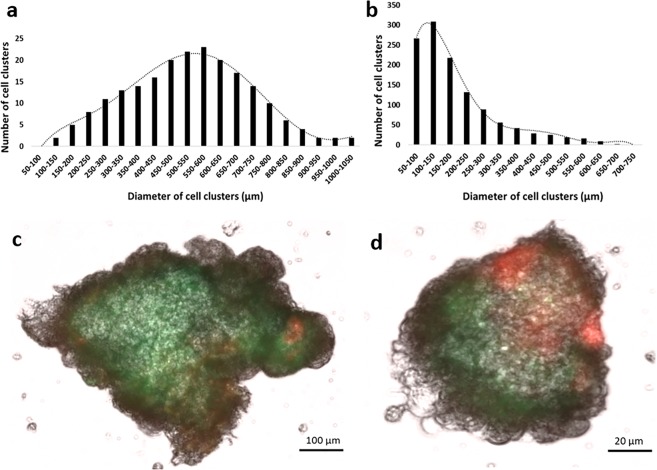
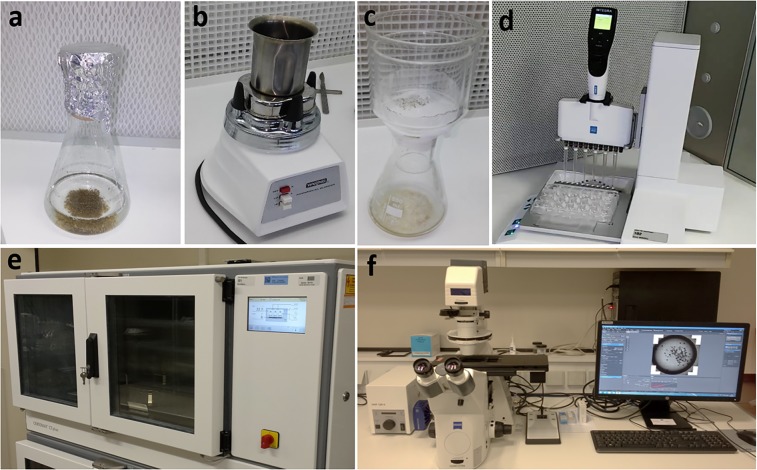
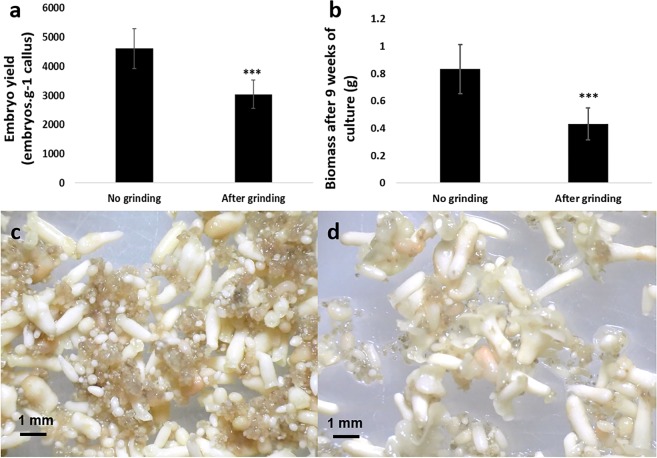
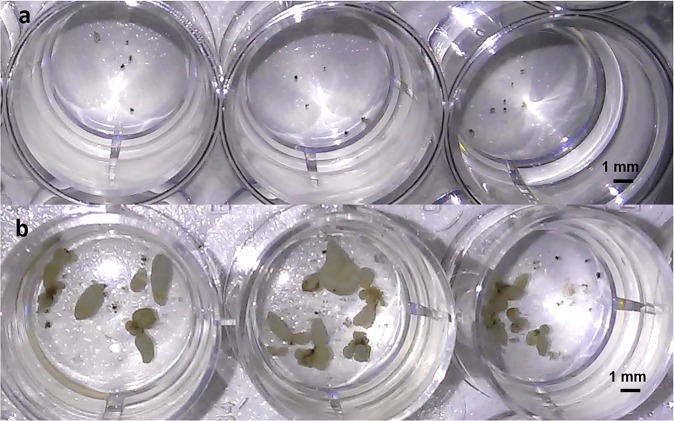
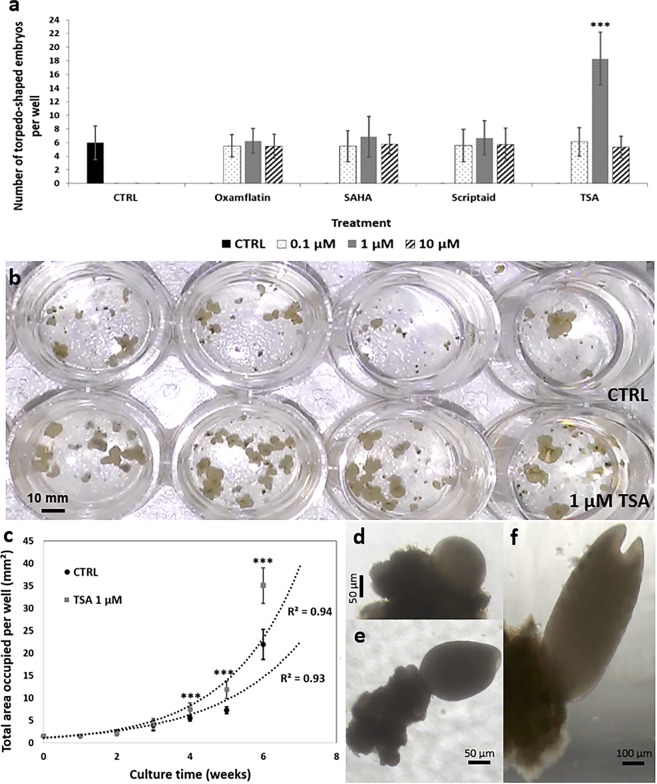
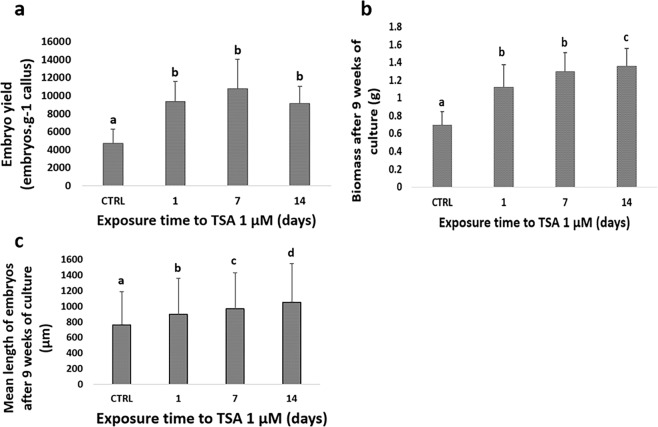
Somatic embryogenesis (SE) faces many challenges in fulfilling the growing demand for elite materials. A high-throughput approach is required to accelerate the optimization of SE protocols by multiplying experimental conditions within a limited time period. For the first time in plant micropropagation, we have developed a miniaturized and automated screening system to meet high-throughput standards. Coffea arabica embryo regeneration, classically achieved in 250-ml Erlenmeyer flasks, was successfully miniaturized in 24-well plates, allowing a volume downscaling factor of 100 and a space saving of 53 cm/well. Cell clusters were ground and filtered to fit the automated pipetting platform, leading to fast, reproducible and uniform cluster distribution (23.0 ± 5.5 cell clusters/well) and successful regeneration (6.5 ± 2.2 embryos/well). Pilot screening of active compounds on SE was carried out. Compounds belonging to the histone deacetylase inhibitor family were tested for embryo regeneration efficiency. Cells treated with 1 µM Trichostatin A showed a marked 3-fold increase in the number of regenerated embryos. When re-tested in 250-ml flasks, the same enhancement was obtained, thereby validating the miniaturized and automated screening method. These results showed that our screening system is reliable and well suited to screening hundreds of compounds, offering unprecedented perspectives in plant micropropagation.
体细胞胚胎发生 (SE) 在满足对优质材料的日益增长的需求方面面临许多挑战。需要一种高通量方法来加速 SE 协议的优化,即在有限的时间内增加实验条件。这是植物微繁殖领域首次开发出一种微型化和自动化的筛选系统,以满足高通量标准。经典地在 250 毫升 Erlenmeyer 锥形瓶中实现的咖啡 (Coffea arabica) 胚胎再生,成功地在 24 孔板中微型化,体积缩小因子为 100,每个孔节省空间 53 厘米。将细胞簇研磨并过滤以适应自动化移液平台,从而实现快速、可重复和均匀的簇分布(每个孔 23.0±5.5 个细胞簇)和成功再生(每个孔 6.5±2.2 个胚胎)。对 SE 上的活性化合物进行了初步筛选。测试了属于组蛋白去乙酰化酶抑制剂家族的化合物对胚胎再生效率的影响。用 1µM Trichostatin A 处理的细胞显示出再生胚胎数量显著增加了 3 倍。在 250 毫升锥形瓶中重新测试时,也获得了相同的增强效果,从而验证了微型化和自动化筛选方法。这些结果表明,我们的筛选系统可靠且非常适合筛选数百种化合物,为植物微繁殖提供了前所未有的前景。