Yan Peng, Zhou Bin, Ma Yingdong, Wang Ani, Hu Xiaojun, Luo Youli, Yuan Yajun, Wei Yajun, Pang Pengfei, Mao Junjie
Center of Interventional Medicine, The Fifth Affiliated Hospital, Sun Yat-sen University, Zhuhai, Guangdong 519000, P.R. China.
Guangdong Provincial Key Laboratory of Biomedical Imaging, The Fifth Affiliated Hospital, Sun Yat-sen University, Zhuhai, Guangdong 519000, P.R. China.
Oncol Lett. 2020 Feb;19(2):1478-1486. doi: 10.3892/ol.2019.11235. Epub 2019 Dec 20.
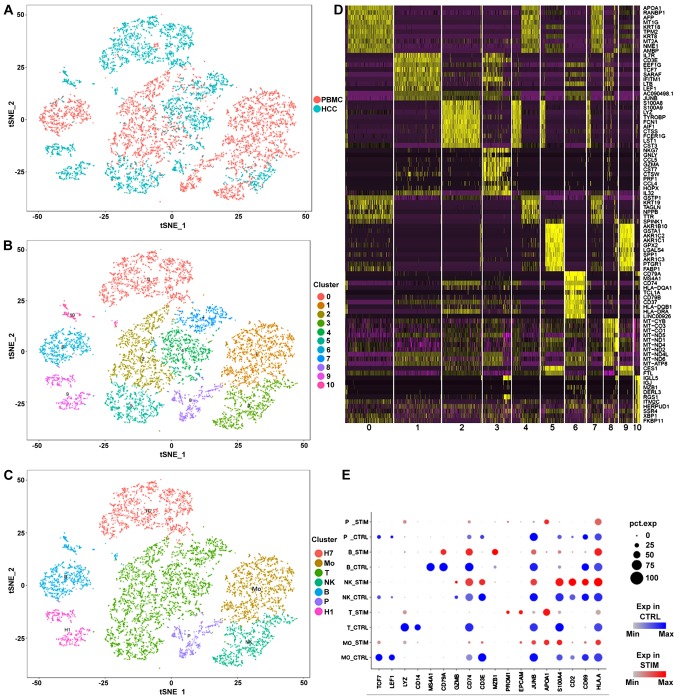
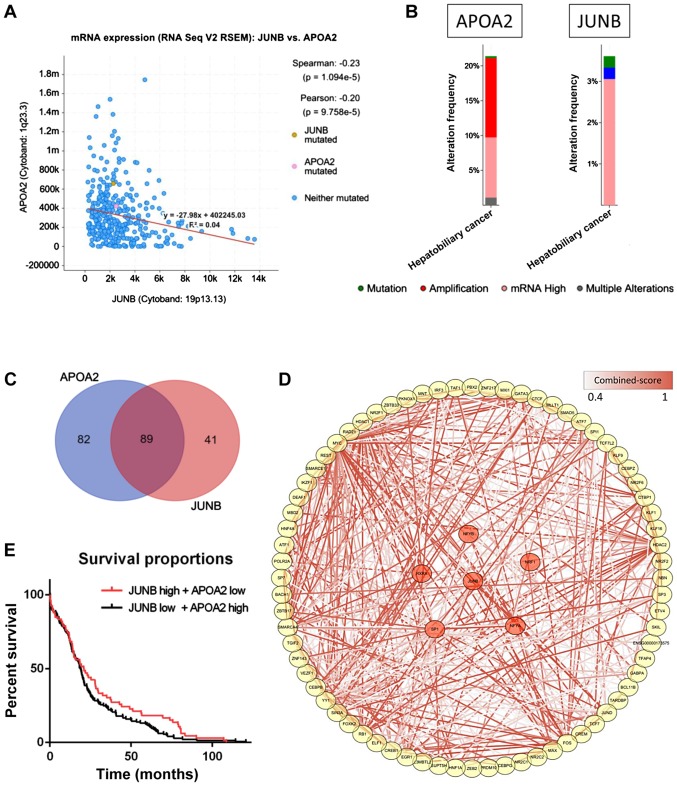
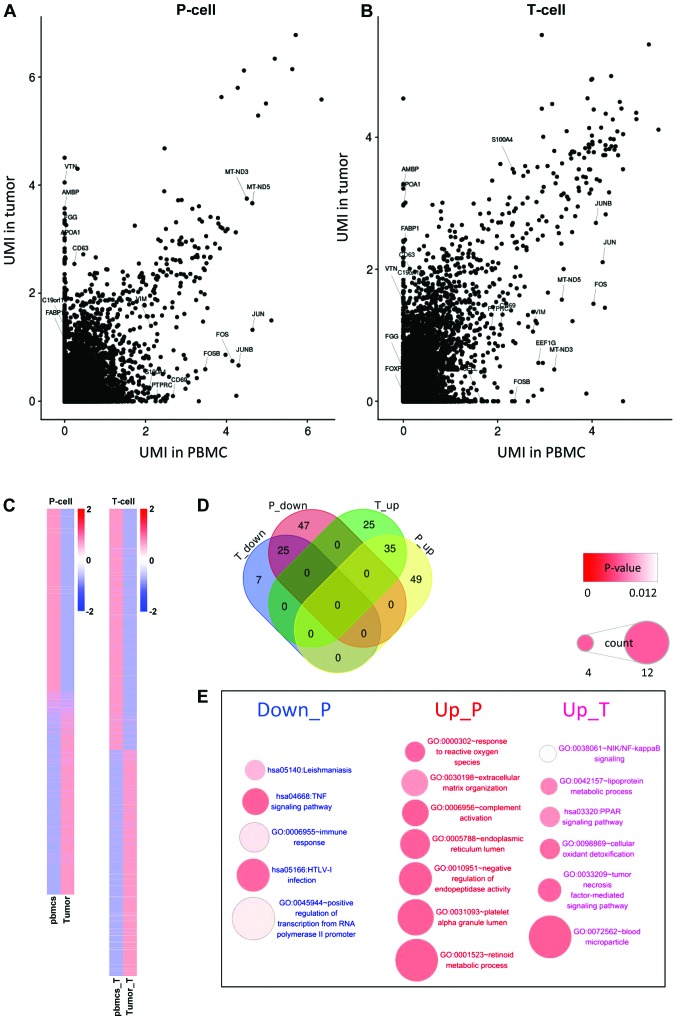
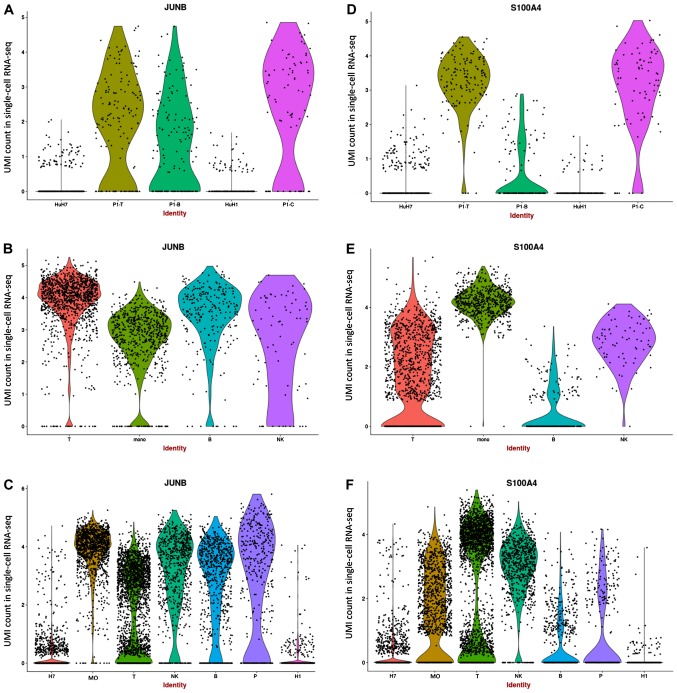
Hepatocellular carcinoma (HCC) is the most commonly diagnosed liver cancer, accounting for ~90% of all primary malignancy of the liver. Although various medical treatments have been used as systemic therapies, patient survival time may be extended by only a few months. Moreover, the underlying mechanisms of HCC development and progression remain poorly understood. In the present study, the single-cell transcriptome of one HCC tumor sample, two HCC cell lines and normal peripheral blood mononuclear cells were analysed in order to identify the potential mechanism underlying the development and progression of HCC. Interestingly, JunB proto-oncogene was identified to serve a role in the immune response and in development and progression of HCC, potentially contributing to the development of novel therapeutics for HCC patients.
肝细胞癌(HCC)是最常被诊断出的肝癌,占所有原发性肝脏恶性肿瘤的约90%。尽管已使用各种医学治疗作为全身疗法,但患者的生存时间可能仅延长几个月。此外,HCC发生和进展的潜在机制仍知之甚少。在本研究中,分析了一个HCC肿瘤样本、两个HCC细胞系和正常外周血单核细胞的单细胞转录组,以确定HCC发生和进展的潜在机制。有趣的是,原癌基因JunB被确定在免疫反应以及HCC的发生和进展中起作用,这可能有助于开发针对HCC患者的新型疗法。