Ruseska Ivana, Zimmer Andreas
Institute of Pharmaceutical Sciences, Department of Pharmaceutical Technology and Biopharmacy, University of Graz, 8010 Graz, Austria.
Beilstein J Nanotechnol. 2020 Jan 9;11:101-123. doi: 10.3762/bjnano.11.10. eCollection 2020.
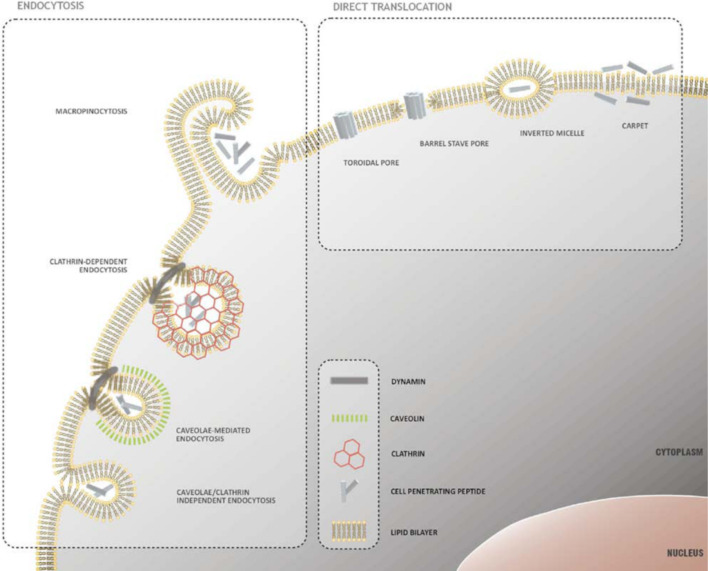
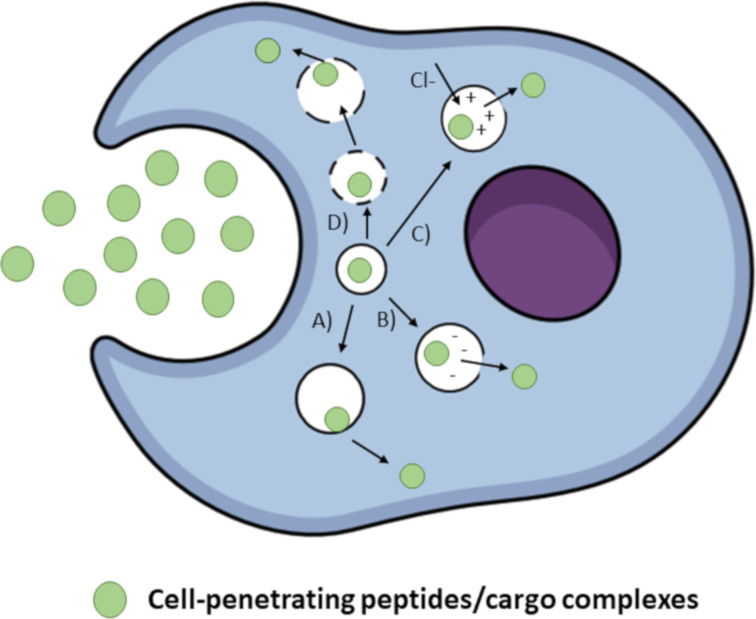
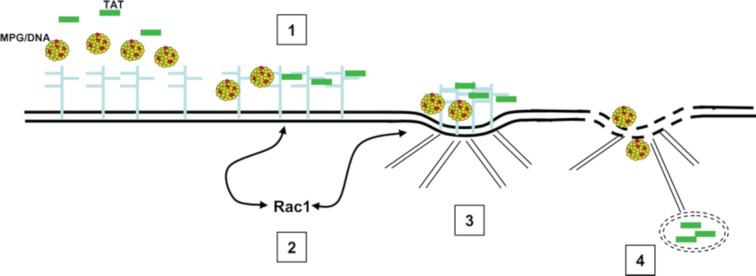
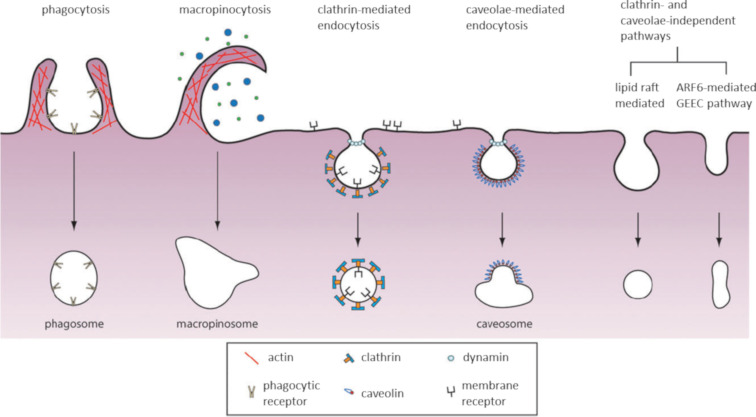
In today's modern era of medicine, macromolecular compounds such as proteins, peptides and nucleic acids are dethroning small molecules as leading therapeutics. Given their immense potential, they are highly sought after. However, their application is limited mostly due to their poor in vivo stability, limited cellular uptake and insufficient target specificity. Cell-penetrating peptides (CPPs) represent a major breakthrough for the transport of macromolecules. They have been shown to successfully deliver proteins, peptides, siRNAs and pDNA in different cell types. In general, CPPs are basic peptides with a positive charge at physiological pH. They are able to translocate membranes and gain entry to the cell interior. Nevertheless, the mechanism they use to enter cells still remains an unsolved piece of the puzzle. Endocytosis and direct penetration have been suggested as the two major mechanisms used for internalization, however, it is not all black and white in the nanoworld. Studies have shown that several CPPs are able to induce and shift between different uptake mechanisms depending on their concentration, cargo or the cell line used. This review will focus on the major internalization pathways CPPs exploit, their characteristics and regulation, as well as some of the factors that influence the cellular uptake mechanism.
在当今现代医学时代,蛋白质、肽和核酸等大分子化合物正取代小分子成为主要治疗药物。鉴于其巨大潜力,它们备受追捧。然而,其应用大多受到限制,主要原因是其体内稳定性差、细胞摄取有限以及靶向特异性不足。细胞穿透肽(CPPs)是大分子运输领域的一项重大突破。已证明它们能在不同细胞类型中成功递送蛋白质、肽、小干扰RNA(siRNAs)和质粒DNA(pDNA)。一般来说,CPPs是在生理pH值下带正电荷的碱性肽。它们能够转运细胞膜并进入细胞内部。然而,它们进入细胞所采用的机制仍是一个未解之谜。内吞作用和直接穿透被认为是用于内化的两种主要机制,然而,在纳米世界并非如此简单。研究表明,几种CPPs能够根据其浓度、负载物或所用细胞系诱导并在不同摄取机制之间转换。本综述将聚焦于CPPs利用的主要内化途径、其特征和调控,以及一些影响细胞摄取机制的因素。