Department of Radiology and Nuclear Medicine, Radboud University Medical Center, Geert Grooteplein-Zuid 10, 6525 EZ Nijmegen, The Netherlands.
Radboud Translational Medicine B.V., Radboud University Medical Center, Geert Grooteplein 21 (route 142), 6525 EZ Nijmegen, The Netherlands.
Molecules. 2020 Jan 23;25(3):482. doi: 10.3390/molecules25030482.
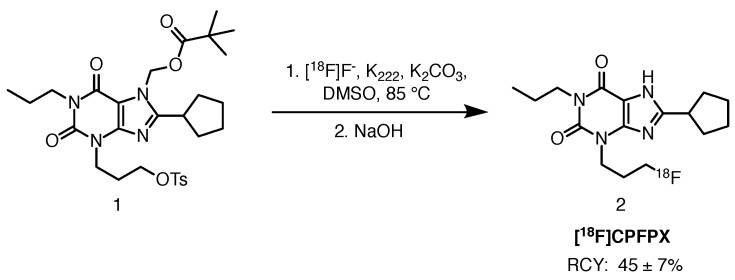
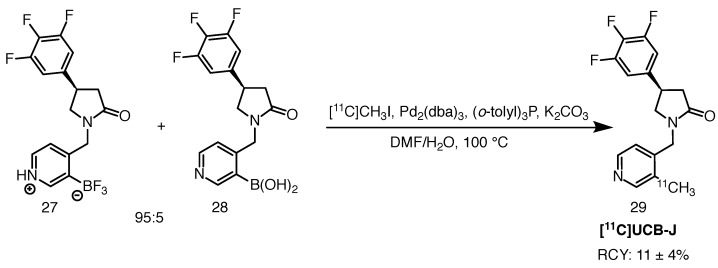
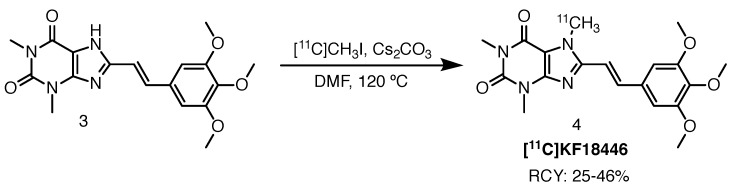
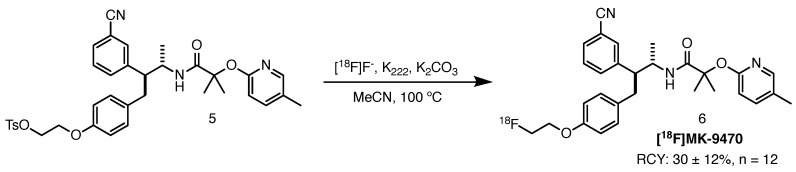
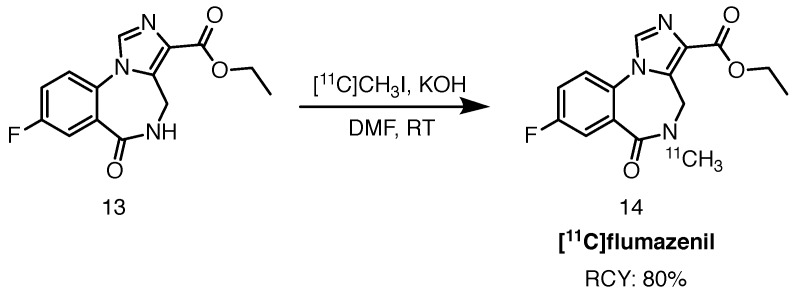
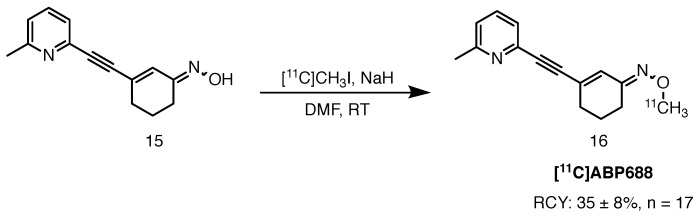
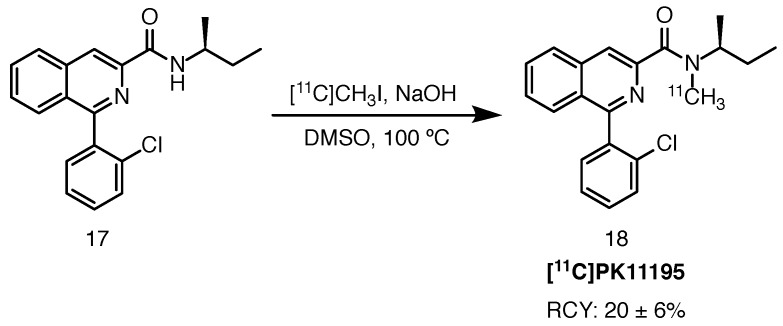
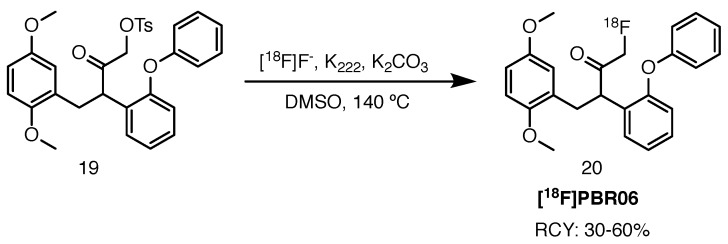
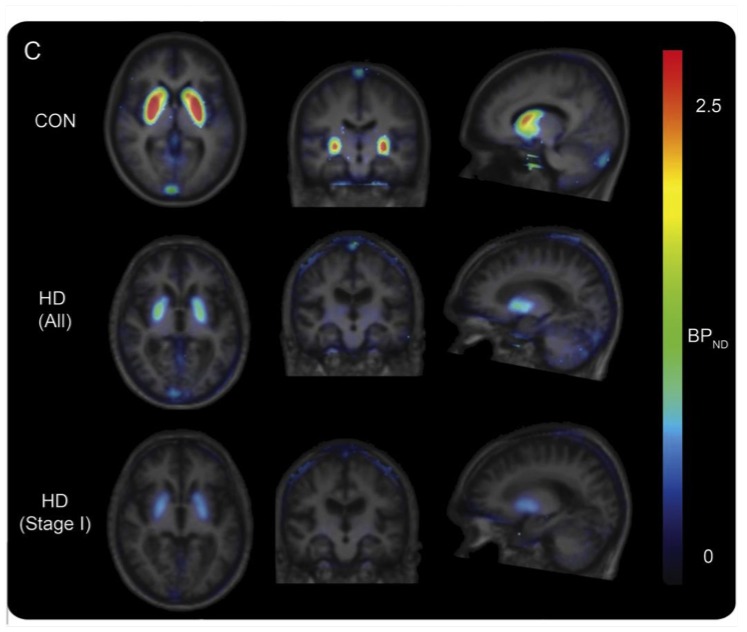
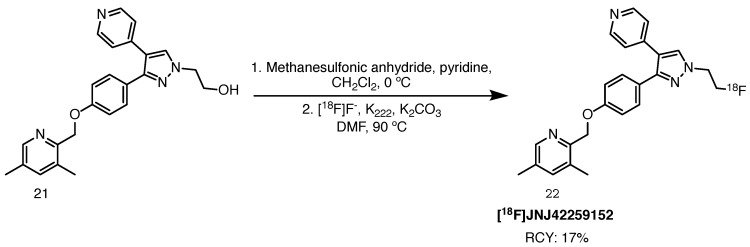
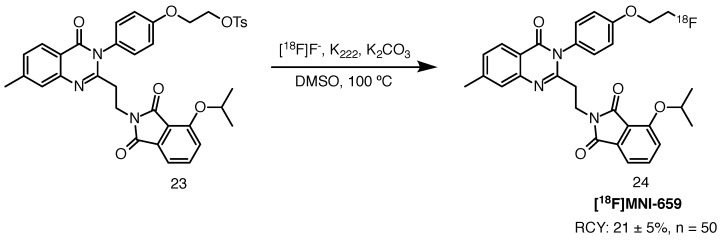
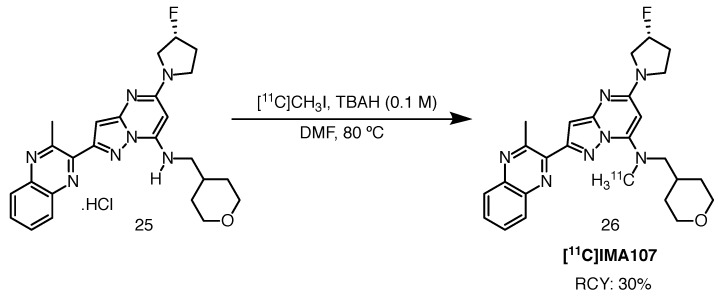
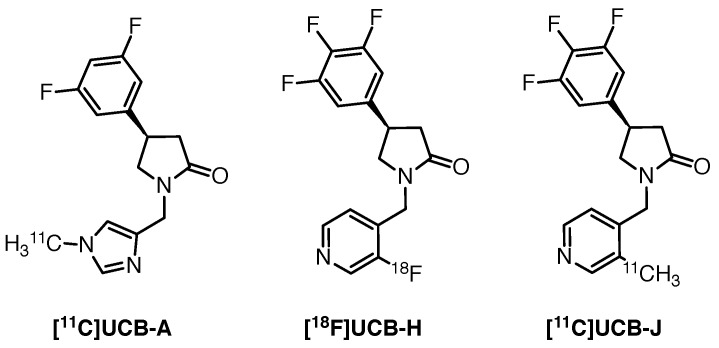
Huntington's disease (HD) is a fatal neurodegenerative disease caused by a CAG expansion mutation in the gene. As a result, intranuclear inclusions of mutant huntingtin protein are formed, which damage striatal medium spiny neurons (MSNs). A review of Positron Emission Tomography (PET) studies relating to HD was performed, including clinical and preclinical data. PET is a powerful tool for visualisation of the HD pathology by non-invasive imaging of specific radiopharmaceuticals, which provide a detailed molecular snapshot of complex mechanistic pathways within the brain. Nowadays, radiochemists are equipped with an impressive arsenal of radioligands to accurately recognise particular receptors of interest. These include key biomarkers of HD: adenosine, cannabinoid, dopaminergic and glutamateric receptors, microglial activation, phosphodiesterase 10 A and synaptic vesicle proteins. This review aims to provide a radiochemical picture of the recent developments in the field of HD PET, with significant attention devoted to radiosynthetic routes towards the tracers relevant to this disease.
亨廷顿病(HD)是一种致命的神经退行性疾病,由基因中的 CAG 扩展突变引起。结果,形成了突变亨廷顿蛋白的核内包涵体,从而破坏纹状体中型棘突神经元(MSNs)。对与 HD 相关的正电子发射断层扫描(PET)研究进行了综述,包括临床前和临床数据。PET 是一种通过非侵入性成像特定放射性药物来可视化 HD 病理学的强大工具,它提供了大脑内复杂机制途径的详细分子快照。如今,放射化学家拥有令人印象深刻的放射性配体武器库,可准确识别感兴趣的特定受体。这些包括 HD 的关键生物标志物:腺苷、大麻素、多巴胺能和谷氨酸能受体、小胶质细胞激活、磷酸二酯酶 10A 和突触囊泡蛋白。本综述旨在提供 HD PET 领域的最新发展的放射化学图景,重点关注与该疾病相关示踪剂的放射合成途径。