Chengdu University of Traditional Chinese Medicine, Chengdu, China.
Key Laboratory of Birth Defects and Related Diseases of Women and Children (Ministry of Education), West China Second University Hospital, Sichuan University, Chengdu, China.
Cell Death Dis. 2020 Jan 24;11(1):63. doi: 10.1038/s41419-020-2227-4.
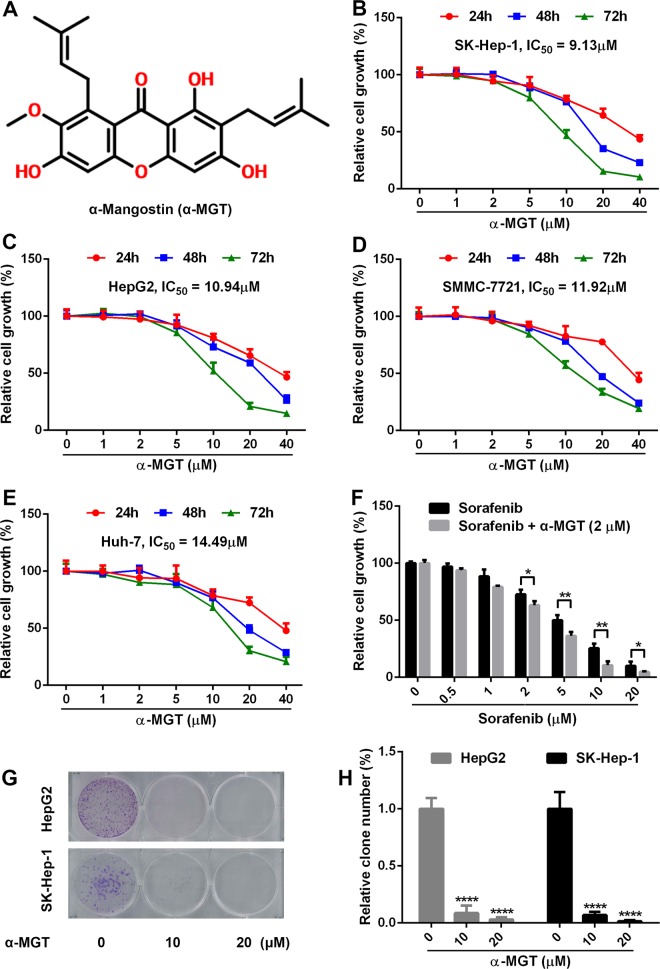
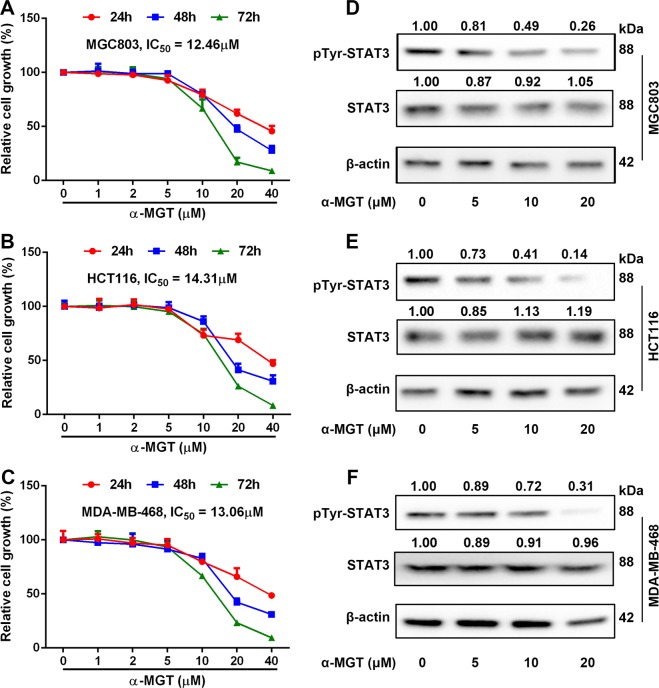
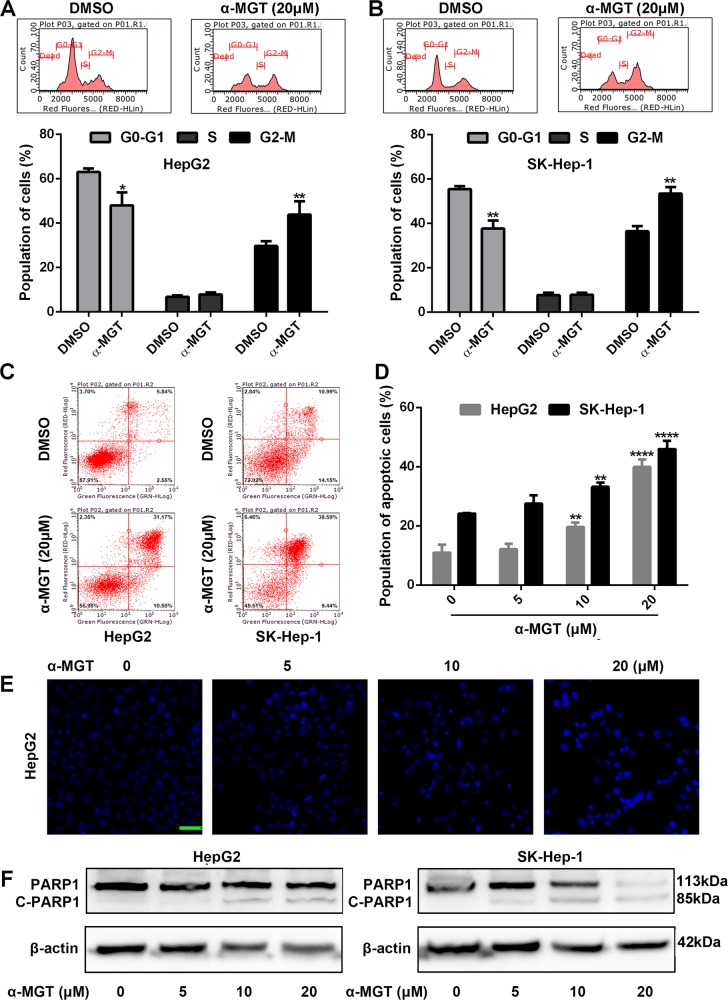
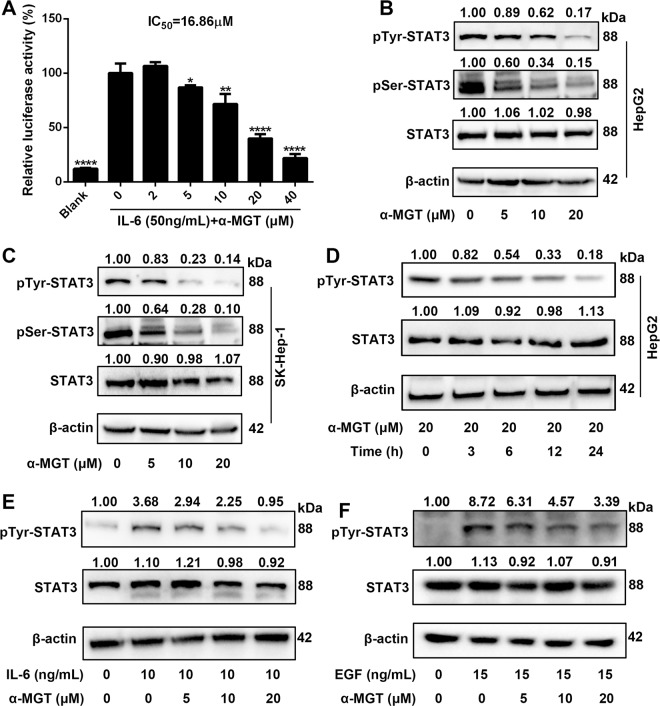
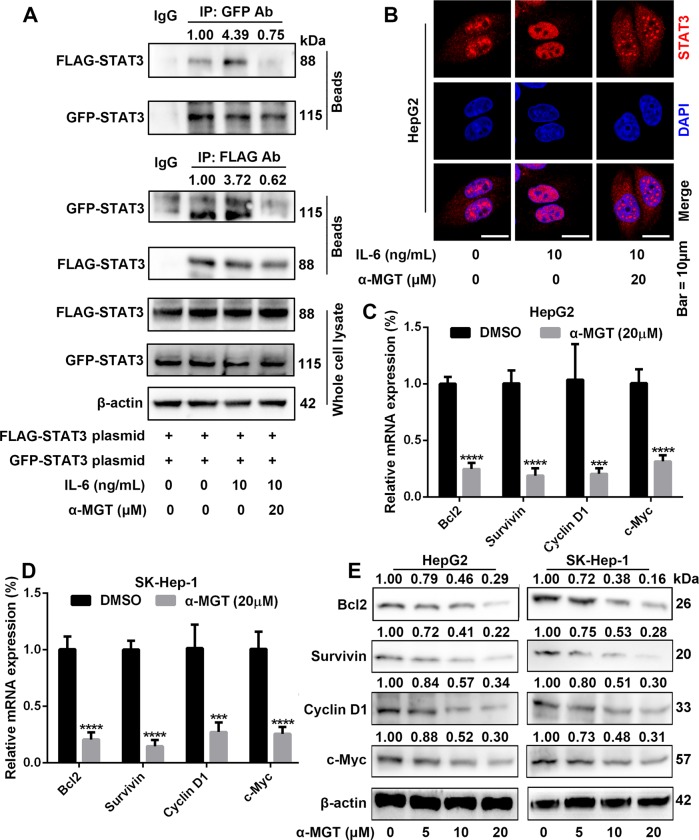
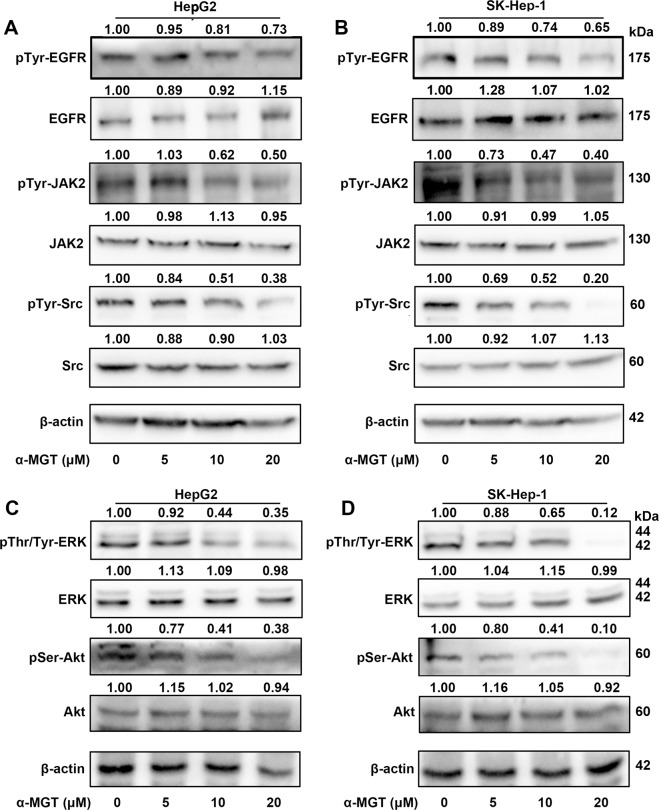
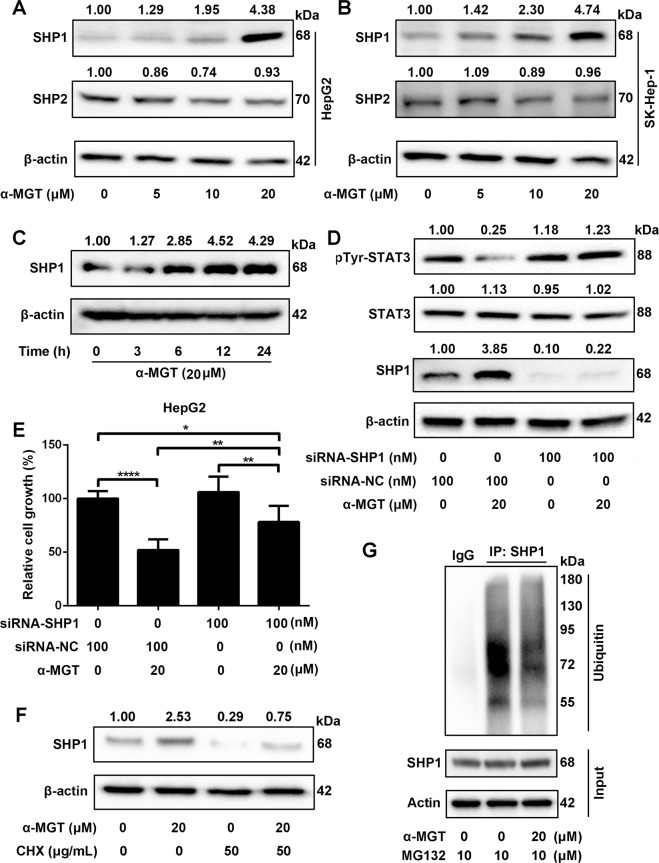
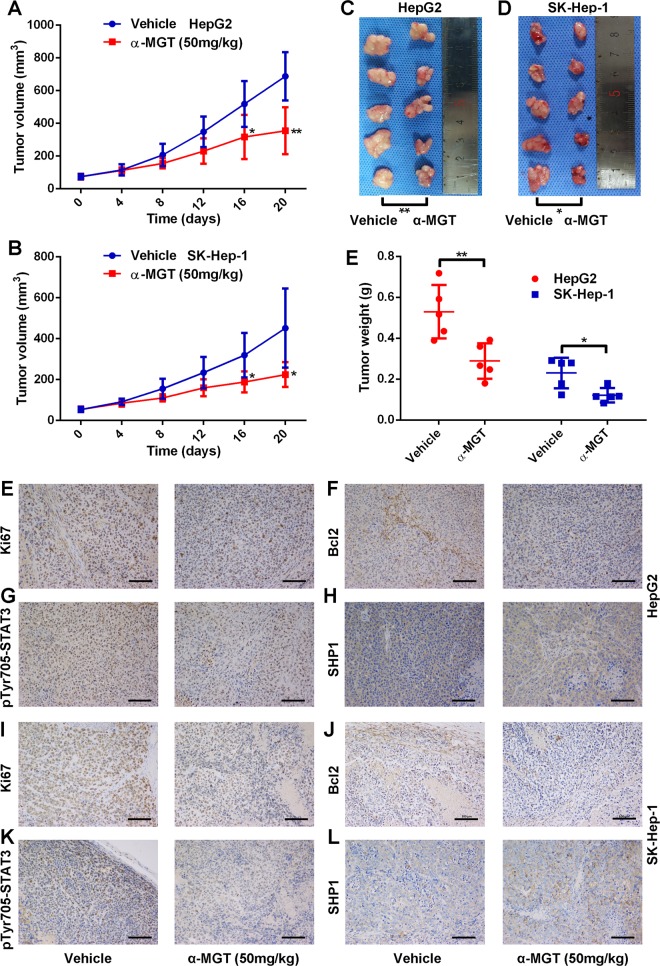
Hepatocellular carcinoma (HCC) is one of the most lethal human cancers worldwide. The dietary xanthone α-mangostin (α-MGT) exhibits potent anti-tumor effects in vitro and in vivo. However, the anti-HCC effects of α-MGT and their underlying mechanisms are still vague. Aberrant activation of signal transducer and activator of transcription 3 (STAT3) is involved in the progression of HCC. We therefore investigated whether α-MGT inhibited the activation of STAT3 and thereby exhibits its anti-HCC effects. In this study, we found that α-MGT significantly suppressed cell proliferation, induced cell cycle arrest, and triggered apoptosis in HCC cells, including HepG2, SK-Hep-1, Huh7, and SMMC-7721 cells in vitro, as well as inhibiting tumor growth in nude mice bearing HepG2 or SK-Hep-1 xenografts. Furthermore, α-MGT potently inhibited the constitutive and inducible activation of STAT3 in HCC cells. In addition, α-MGT also suppressed IL-6-induced dimerization and nuclear translocation of STAT3, which led to inhibition of the expression of STAT3-regulated genes at both mRNA and protein levels. Mechanistically, α-MGT exhibited effective inhibition of the activation of STAT3's upstream kinases, including JAK2, Src, ERK, and Akt. Importantly, α-MGT increased the protein level of Src homology region 2 domain-containing phosphatase-1 (SHP1), which is a key negative regulator of the STAT3 signaling pathway. Furthermore, α-MGT enhanced the stabilization of SHP1 by inhibiting its degradation mediated by the ubiquitin-proteasome pathway. Knockdown of SHP1 using siRNA obviously prevented the α-MGT-mediated inhibition of the activation of STAT3 and proliferation of HCC cells. In summary, α-MGT exhibited a potent anti-HCC effect by blocking the STAT3 signaling pathway via the suppression of the degradation of SHP1 induced by the ubiquitin-proteasome pathway. These findings also suggested the potential of dietary derived α-MGT in HCC therapy.
肝细胞癌(HCC)是全球最致命的人类癌症之一。膳食黄烷酮 α-倒捻子素(α-MGT)在体外和体内均显示出强大的抗肿瘤作用。然而,α-MGT 的抗 HCC 作用及其潜在机制仍不清楚。信号转导和转录激活因子 3(STAT3)的异常激活参与了 HCC 的进展。因此,我们研究了 α-MGT 是否抑制了 STAT3 的激活,从而发挥了其抗 HCC 作用。在这项研究中,我们发现 α-MGT 显著抑制 HCC 细胞(包括 HepG2、SK-Hep-1、Huh7 和 SMMC-7721 细胞)的增殖,诱导细胞周期停滞,并触发细胞凋亡,同时抑制裸鼠荷瘤 HepG2 或 SK-Hep-1 异种移植物的肿瘤生长。此外,α-MGT 还能强烈抑制 HCC 细胞中 STAT3 的组成性和诱导性激活。此外,α-MGT 还抑制了 IL-6 诱导的 STAT3 二聚体化和核转位,从而抑制了 STAT3 调节基因在 mRNA 和蛋白水平的表达。从机制上讲,α-MGT 对 STAT3 上游激酶(包括 JAK2、Src、ERK 和 Akt)的激活表现出有效的抑制作用。重要的是,α-MGT 通过抑制其泛素-蛋白酶体途径介导的降解,增加了 Src 同源结构域 2 区域磷酸酶-1(SHP1)的蛋白水平,SHP1 是 STAT3 信号通路的关键负调节因子。此外,α-MGT 通过抑制其泛素-蛋白酶体途径介导的降解,增强了 SHP1 的稳定性。用 siRNA 敲低 SHP1 可明显阻止 α-MGT 介导的 STAT3 激活和 HCC 细胞增殖的抑制。综上所述,α-MGT 通过抑制泛素-蛋白酶体途径诱导的 SHP1 降解,阻断 STAT3 信号通路,表现出强大的抗 HCC 作用。这些发现还表明,膳食来源的 α-MGT 可能在 HCC 治疗中具有潜力。