Onaru Kanoko, Ohno Shuji, Kubo Shizuka, Nakanishi Satoki, Hirano Tetsushi, Mantani Youhei, Yokoyama Toshifumi, Hoshi Nobuhiko
Laboratory of Animal Molecular Morphology, Department of Animal Science, Graduate School of Agricultural Science, Kobe University, 1-1 Rokkodai, Nada, Kobe, Hyogo 657-8501, Japan.
Laboratory of Histophysiology, Department of Animal Science, Graduate School of Agricultural Science, Kobe University, 1-1 Rokkodai, Nada, Kobe, Hyogo 657-8501, Japan.
J Vet Med Sci. 2020 Mar 24;82(3):360-372. doi: 10.1292/jvms.19-0689. Epub 2020 Jan 27.
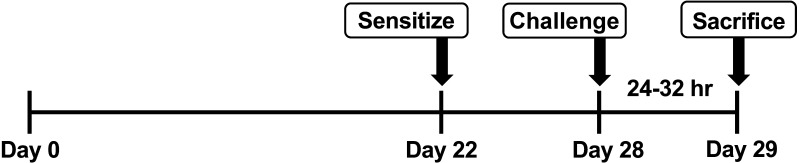
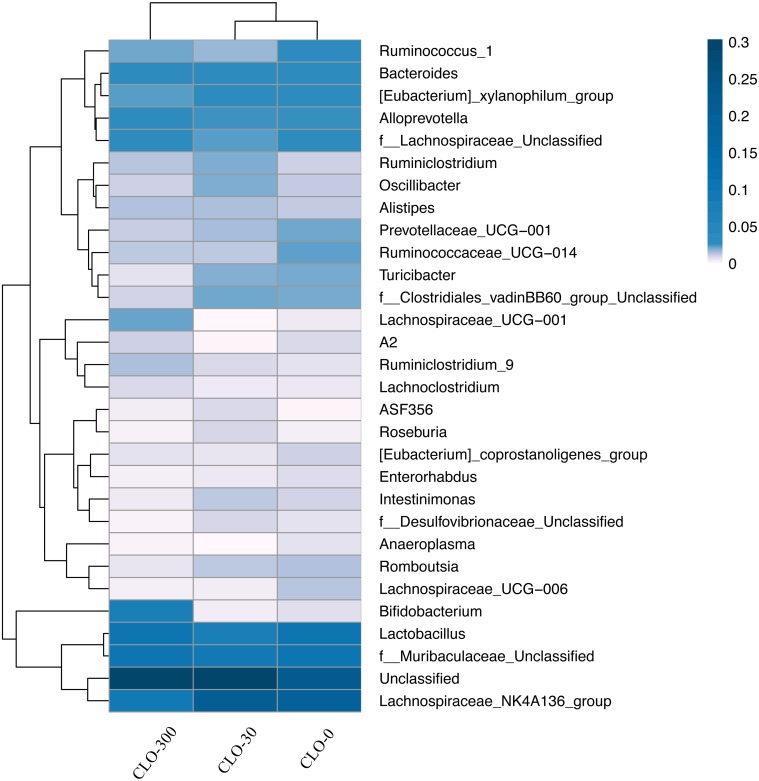
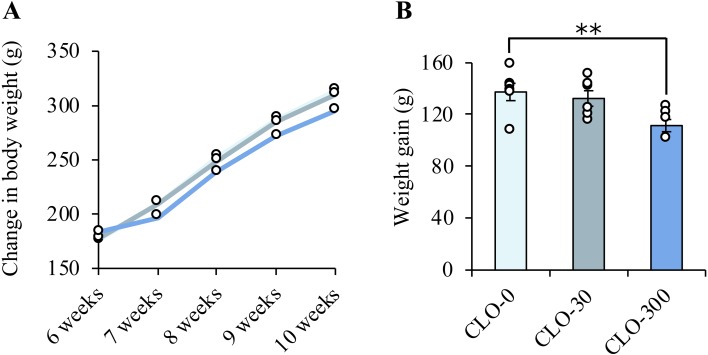
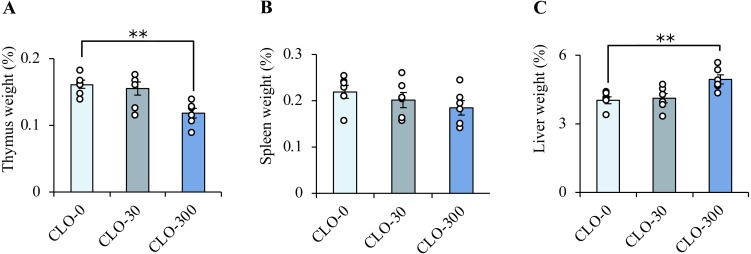
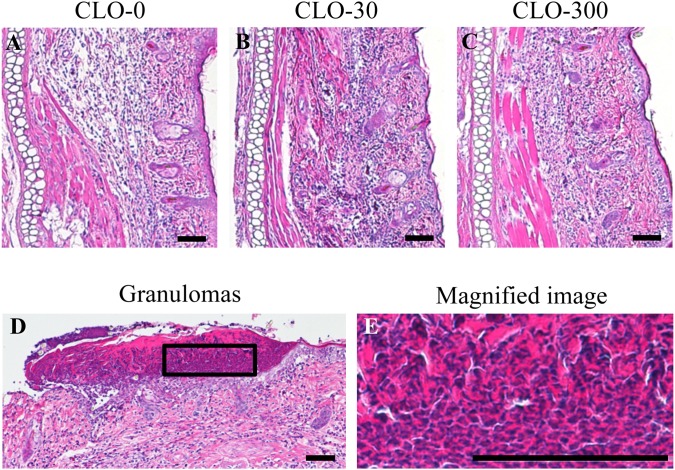
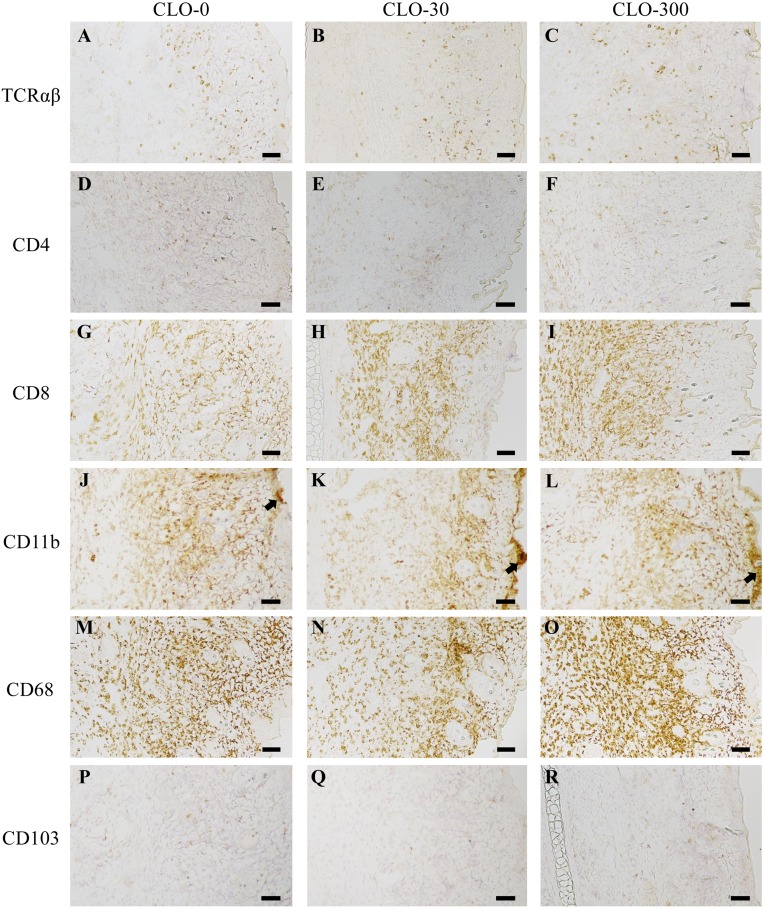
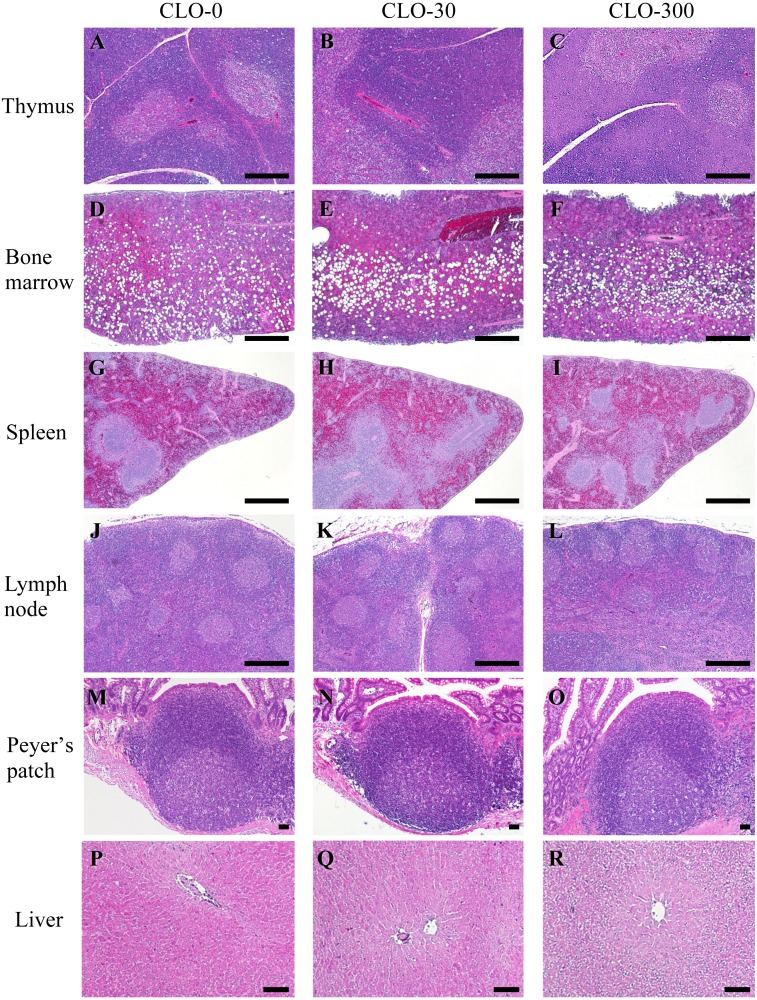
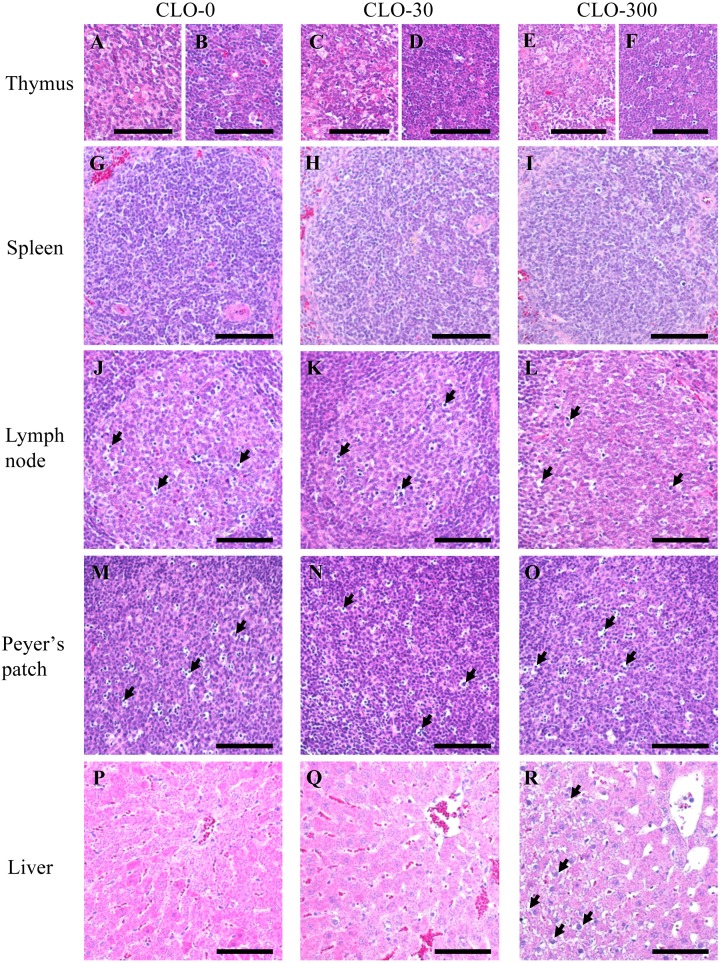
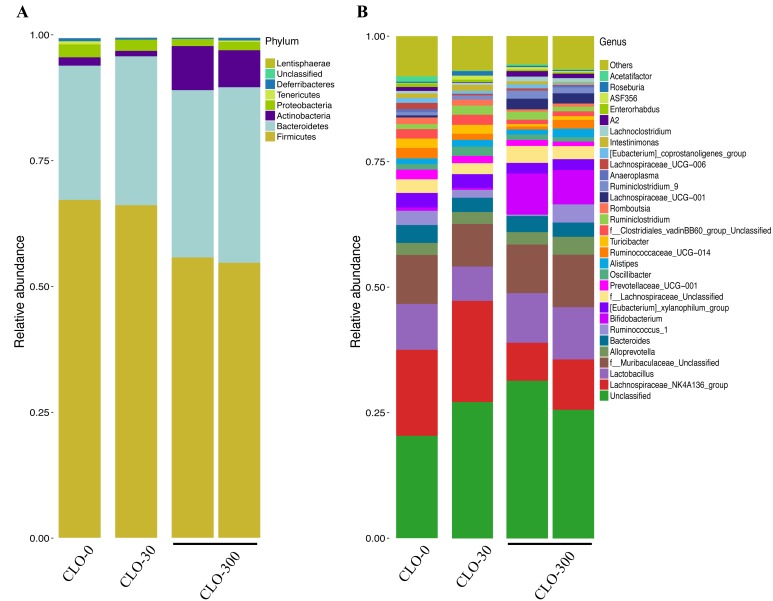
Neonicotinoid pesticides (NNs) act as agonists on nicotinic acetylcholine receptors (nAChRs) of insects, and there have been concerns about the effects of NNs on the health of mammals. Since nAChRs are expressed in immune cells, it is possible that NNs disturb the immune system. However, few reports have examined the immunotoxicity of clothianidin (CLO), a widely-used NN. Here, we report the effects of CLO on immune organs and type IV allergic reactions in ear auricles. We orally administered CLO at 0, 30 and 300 mg/kg/day (CLO-0, 30 and 300) to Sprague-Dawley rats for 28 days. The effects were evaluated by organ and body weights, histopathology, and immunohistochemistry (TCRαβ, CD4, CD8, CD11b, CD68, CD103). In addition, some cecal contents were subjected to preliminary gut microbiota analysis, because microbiota contribute to host homeostasis, including the immunity. Our results showed loose stool, suppression of body weight gain, significant changes in organ weights (thymus: decreased; liver: increased) and changes of the gut microbiota in the CLO-300 group. There were no obvious histopathological changes in immune organs. Granulomas of the ear auricles were found in one rat of each of the CLO-30 and 300 groups, but CLO had no apparent effect on the thickness or immunohistochemistry in the ear auricles. We present new evidence that CLO affects the thymus and intestine, and might enhance the local inflammatory response. These findings should contribute to the appropriate evaluation of the safety of NNs in the future.
新烟碱类杀虫剂(NNs)作为昆虫烟碱型乙酰胆碱受体(nAChRs)的激动剂,人们一直担心NNs对哺乳动物健康的影响。由于nAChRs在免疫细胞中表达,因此NNs有可能干扰免疫系统。然而,很少有报告研究广泛使用的新烟碱类杀虫剂噻虫胺(CLO)的免疫毒性。在此,我们报告了CLO对免疫器官和耳廓IV型过敏反应的影响。我们以0、30和300mg/kg/天(CLO-0、30和300)的剂量对Sprague-Dawley大鼠口服CLO,持续28天。通过器官和体重、组织病理学和免疫组织化学(TCRαβ、CD4、CD8、CD11b、CD68、CD103)评估其影响。此外,对一些盲肠内容物进行了初步的肠道微生物群分析,因为微生物群有助于包括免疫在内的宿主内环境稳定。我们的结果显示,CLO-300组出现稀便、体重增加受抑制、器官重量显著变化(胸腺:减轻;肝脏:增加)以及肠道微生物群改变。免疫器官没有明显的组织病理学变化。CLO-30和300组各有一只大鼠出现耳廓肉芽肿,但CLO对耳廓厚度或免疫组织化学没有明显影响。我们提供了新的证据表明CLO会影响胸腺和肠道,并可能增强局部炎症反应。这些发现将有助于未来对新烟碱类杀虫剂安全性的适当评估。