Department of Agricultural Sciences, University of Napoli "Federico II" - Via Università 100, 80055 Portici, Napoli, Italy.
Sci Rep. 2017 Oct 18;7(1):13446. doi: 10.1038/s41598-017-13171-z.
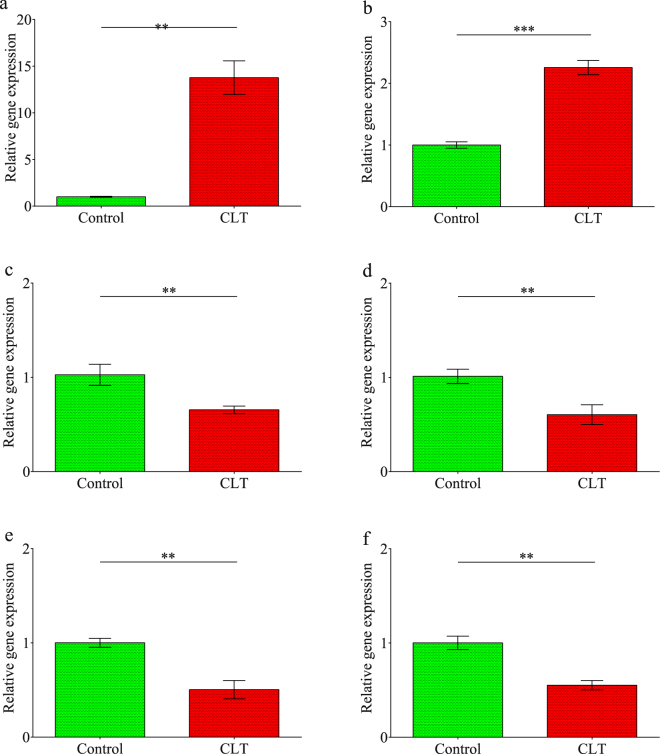
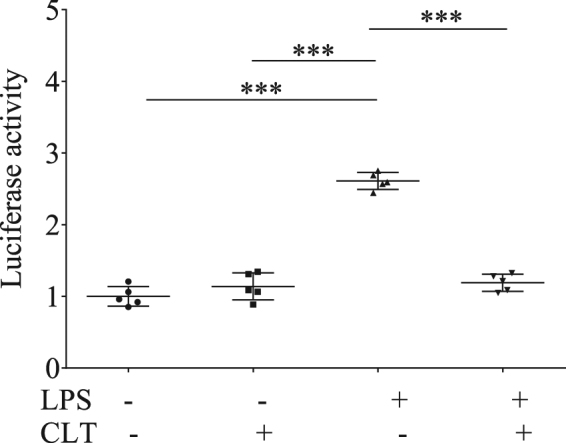
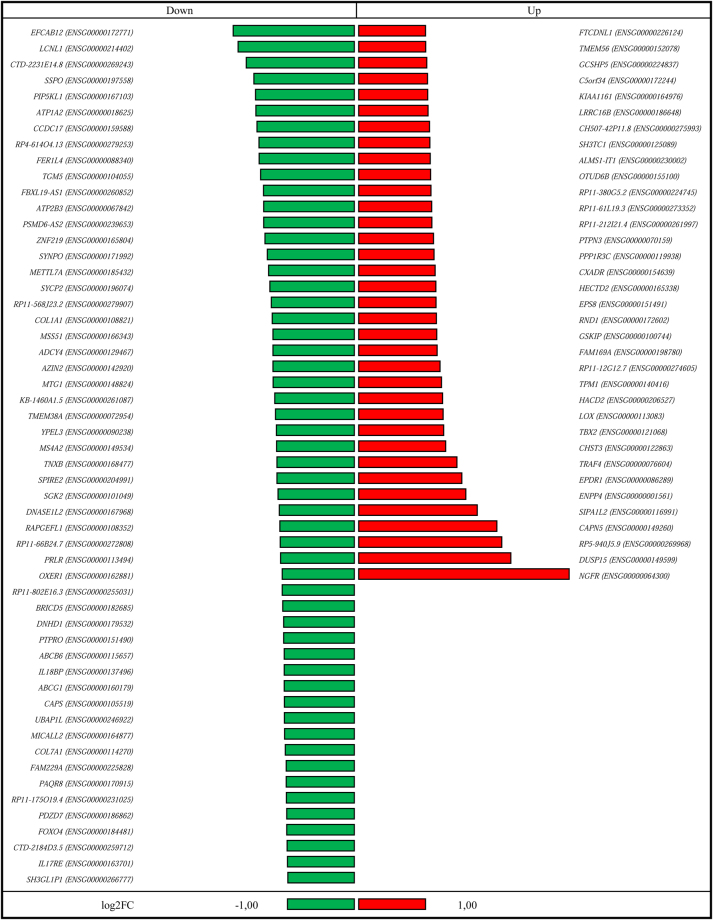
Clothianidin is a widely used neonicotinoid insecticide, which is a potent agonist of the nicotinic acetylcholine receptor in insects. This neurotoxic compound has a negative impact on insect immunity, as it down-regulates the activation of the transcription factor NF-κB. Given the evolutionary conserved role of NF-κB in the modulation of the immune response in the animal kingdom, here we want to assess any effect of Clothianidin on vertebrate defense barriers. In presence of this neonicotinoid insecticide, a pro-inflammatory challenge with LPS on the human monocytic cell line THP-1 results both in a reduced production of the cytokine TNF-α and in a down-regulation of a reporter gene under control of NF-κB promoter. This finding is corroborated by a significant impact of Clothianidin on the transcription levels of different immune genes, characterized by a core disruption of TRAF4 and TRAF6 that negatively influences NF-κB signaling. Moreover, exposure to Clothianidin concurrently induces a remarkable up-regulation of NGFR, which supports the occurrence of functional ties between the immune and nervous systems. These results suggest a potential risk of immunotoxicity that neonicotinoids may have on vertebrates, which needs to be carefully assessed at the organism level.
氯噻啉是一种广泛使用的新烟碱类杀虫剂,它是昆虫烟碱型乙酰胆碱受体的有效激动剂。这种神经毒性化合物对昆虫的免疫有负面影响,因为它下调了转录因子 NF-κB 的激活。鉴于 NF-κB 在动物王国中对免疫反应的调节中具有进化保守的作用,我们在这里想评估氯噻啉对脊椎动物防御屏障的任何影响。在存在这种新烟碱类杀虫剂的情况下,人单核细胞系 THP-1 上的 LPS 引发的促炎挑战导致细胞因子 TNF-α 的产生减少,并导致 NF-κB 启动子控制的报告基因下调。这一发现得到了氯噻啉对不同免疫基因转录水平的显著影响的证实,其特征是 TRAF4 和 TRAF6 的核心破坏,这对 NF-κB 信号传导有负面影响。此外,接触氯噻啉同时诱导 NGFR 的显著上调,这支持了免疫系统和神经系统之间发生功能联系。这些结果表明新烟碱类杀虫剂可能对脊椎动物具有潜在的免疫毒性风险,需要在机体水平上仔细评估。