Department for Vascular and Endovascular Surgery, Klinikum rechts der Isar, Technical University of Munich, Munich, Germany.
Division of Cardiovascular Medicine, Stanford University School of Medicine, Stanford, California, USA.
Antioxid Redox Signal. 2020 Sep 20;33(9):602-620. doi: 10.1089/ars.2020.8035. Epub 2020 Apr 16.
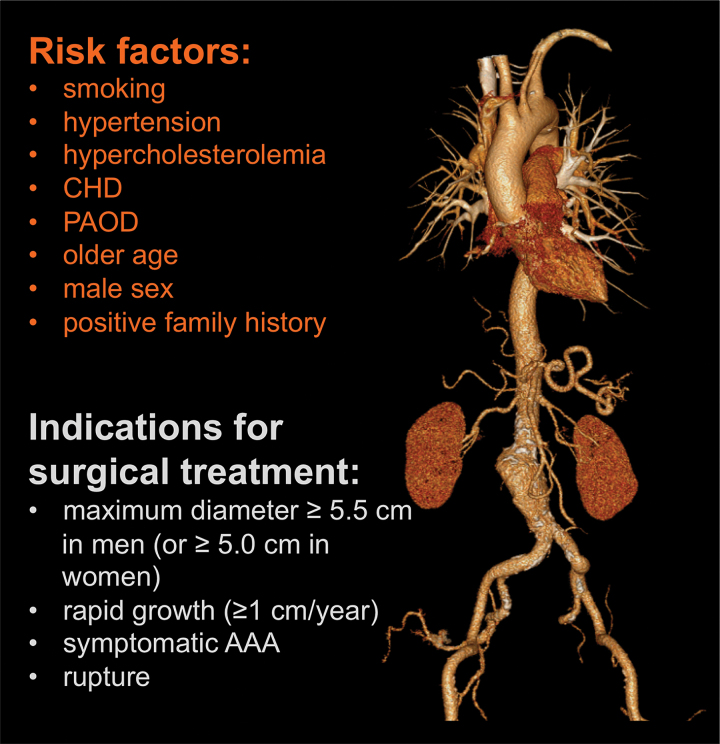
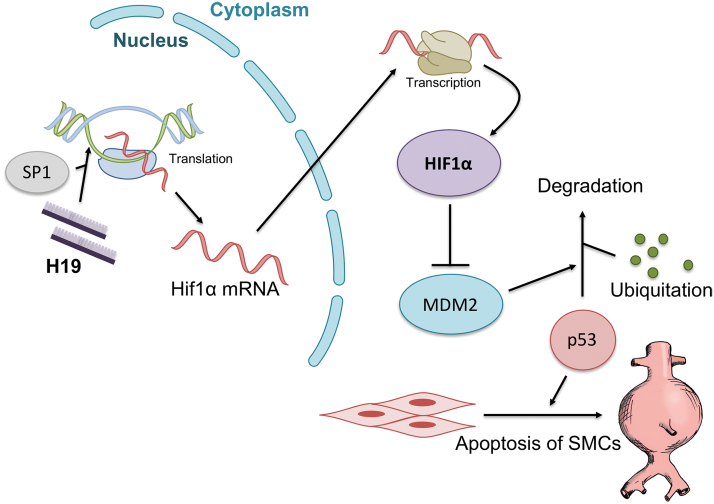
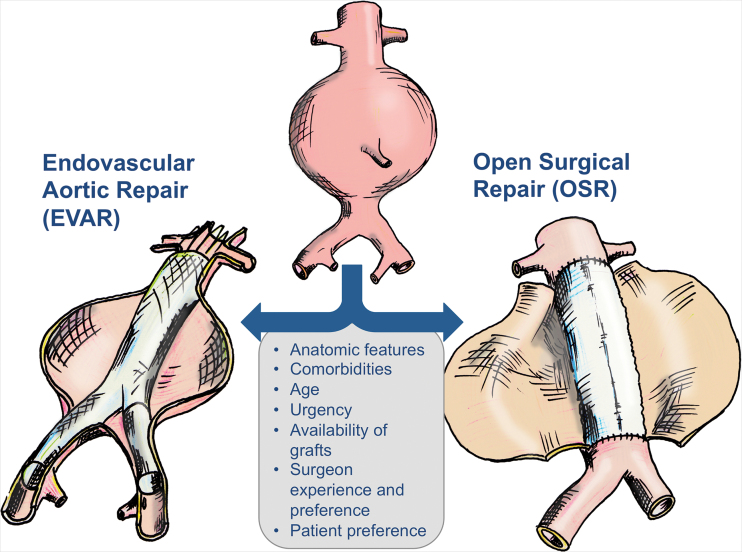
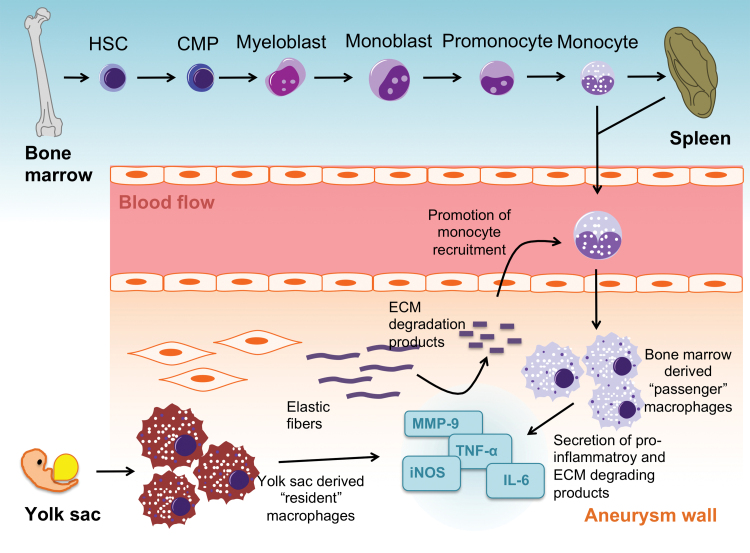
Abdominal aortic aneurysm (AAA) is a potentially fatal condition, featuring the possibility of high-mortality rupture. To date, prophylactic surgery by means of open surgical repair or endovascular aortic repair at specific thresholds is considered standard therapy. Both surgical options hold different risk profiles of short- and long-term morbidity and mortality. Targeting early stages of AAA development to decelerate disease progression is desirable. Understanding the pathomechanisms that initiate formation, maintain growth, and promote rupture of AAA is crucial to developing new medical therapeutic options. Inflammatory cells, in particular macrophages, have been investigated for their contribution to AAA disease for decades, whereas evidence on lymphocytes, mast cells, and neutrophils is sparse. Recently, there has been increasing interest in noncoding RNAs (ncRNAs) and their involvement in disease development, including AAA. The current evidence on myeloid cells and ncRNAs in AAA largely originates from small animal models, making clinical extrapolation difficult. Although it is feasible to collect surgical human AAA samples, these tissues reflect end-stage disease, preventing examination of critical mechanisms behind early AAA formation. Gaining more insight into how myeloid cells and ncRNAs contribute to AAA disease, particularly in early stages, might suggest nonsurgical AAA treatment options. The utilization of large animal models might be helpful in this context to help bridge translational results to humans.
腹主动脉瘤(AAA)是一种潜在致命的疾病,其破裂的死亡率很高。迄今为止,通过开放性手术修复或血管内主动脉修复在特定阈值下进行预防性手术被认为是标准治疗。这两种手术方案都存在短期和长期发病率和死亡率的不同风险特征。旨在减缓疾病进展的 AAA 早期阶段是可取的。了解引发 AAA 形成、维持生长和促进破裂的病理机制对于开发新的医学治疗选择至关重要。几十年来,炎症细胞,特别是巨噬细胞,一直被研究其对 AAA 疾病的贡献,而关于淋巴细胞、肥大细胞和中性粒细胞的证据很少。最近,人们对非编码 RNA(ncRNA)及其在疾病发展中的作用越来越感兴趣,包括 AAA。目前关于 AAA 中髓样细胞和 ncRNA 的证据主要来自小动物模型,这使得临床推断变得困难。尽管收集手术人类 AAA 样本是可行的,但这些组织反映了终末期疾病,从而无法检查早期 AAA 形成背后的关键机制。更深入地了解髓样细胞和 ncRNA 如何导致 AAA 疾病,特别是在早期阶段,可能会提出非手术 AAA 治疗选择。在这方面,利用大型动物模型可能会有所帮助,有助于将转化研究结果应用于人类。