Center for Clinical and Translational Research, The Abigail Wexner Research Institute, Nationwide Children's Hospital, Columbus, OH 43205, USA.
Department of Surgery, Wexner Medical Center, The Ohio State University, Columbus, OH 43210, USA.
Cells. 2020 Jan 25;9(2):290. doi: 10.3390/cells9020290.
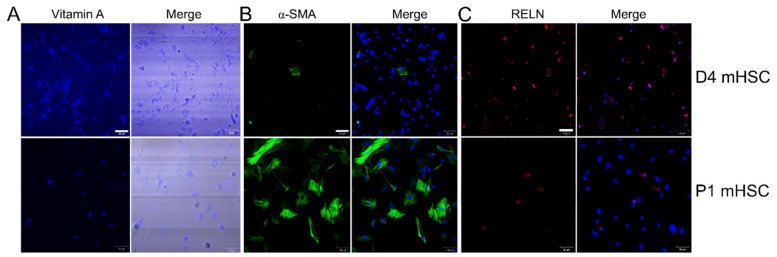
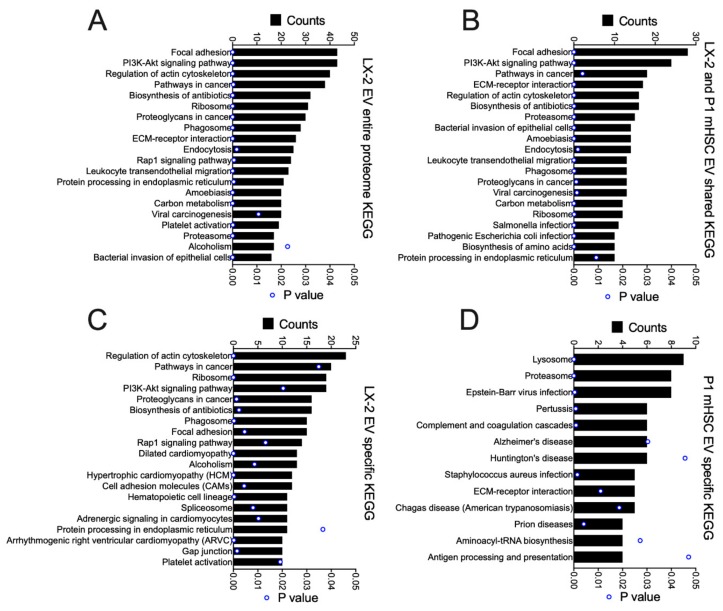
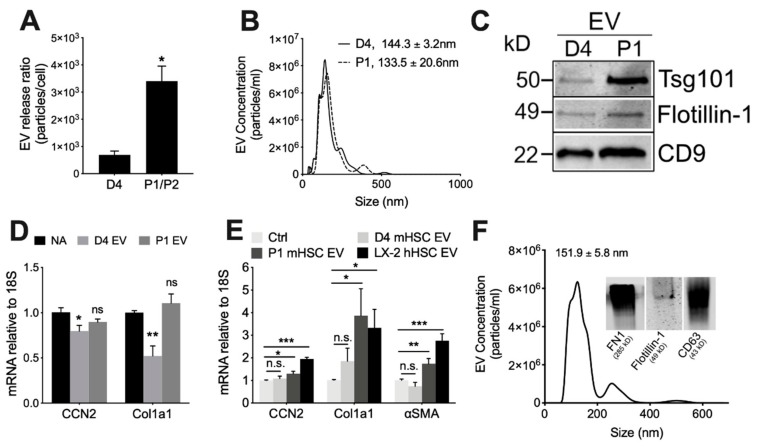
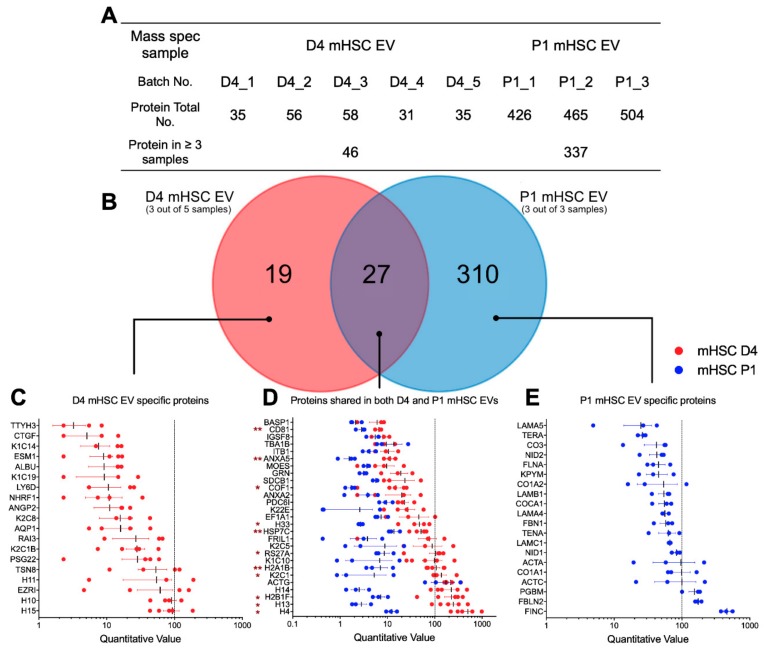
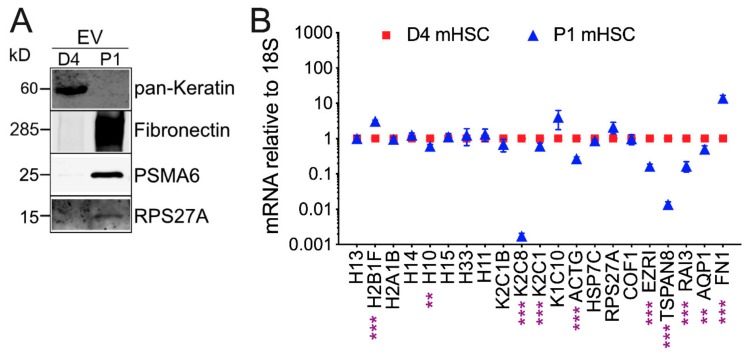
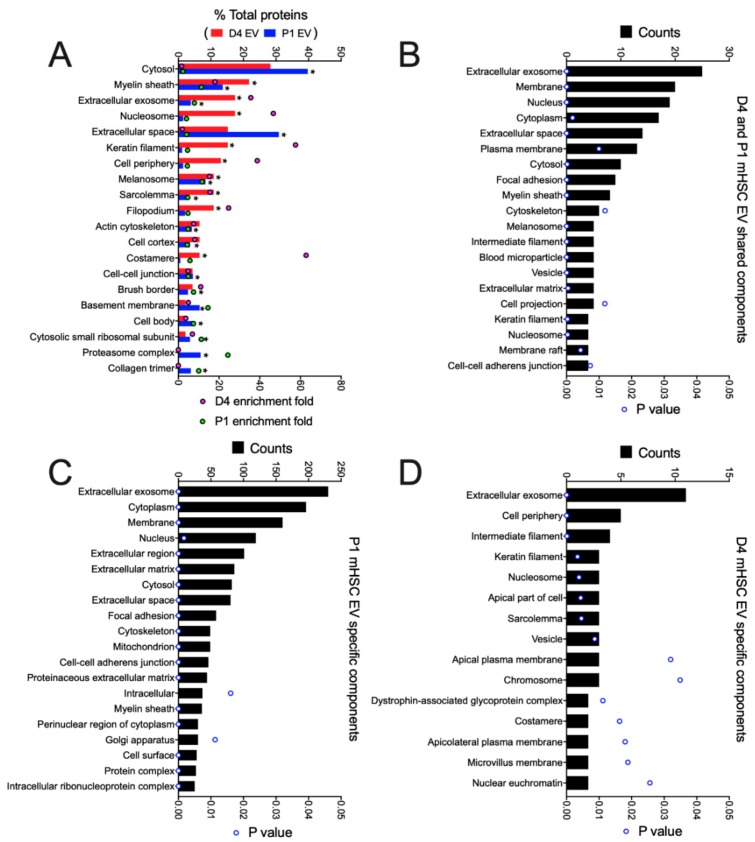
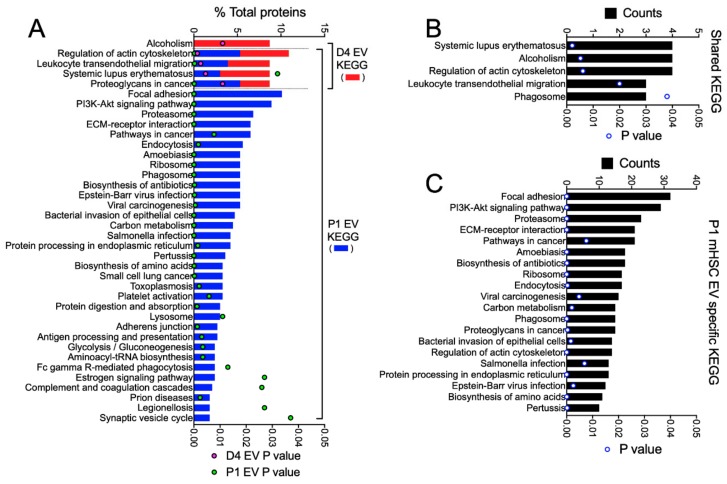
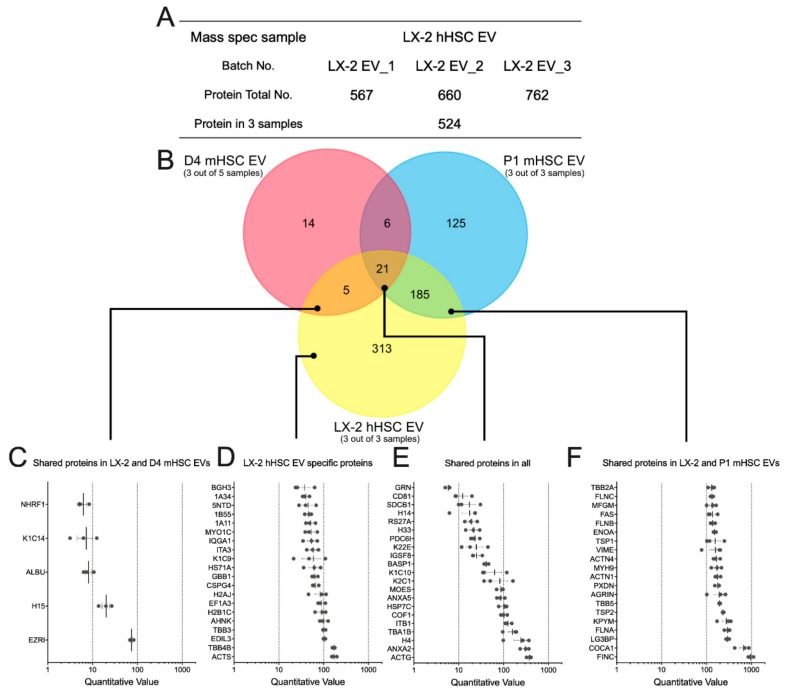
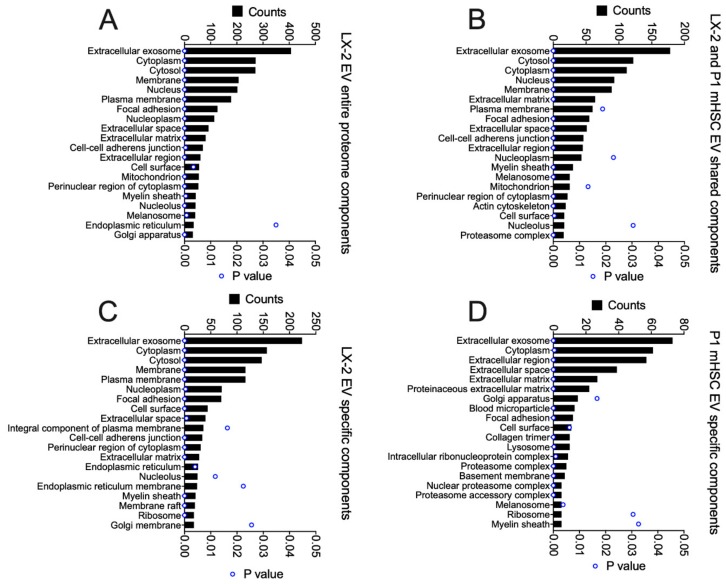
During chronic liver injury, hepatic stellate cells (HSC) undergo activation and are the principal cellular source of collagenous scar. In this study, we found that activation of mouse HSC (mHSC) was associated with a 4.5-fold increase in extracellular vesicle (EV) production and that fibrogenic gene expression (CCN2, Col1a1) was suppressed in Passage 1 (P1; activated) mHSC exposed to EVs from Day 4 (D4; relatively quiescent) mHSC but not to EVs from P1 mHSC. Conversely, gene expression (CCN2, Col1a1, αSMA) in D4 mHSC was stimulated by EVs from P1 mHSC but not by EVs from D4 mHSC. EVs from Day 4 mHSC contained only 46 proteins in which histones and keratins predominated, while EVs from P1 mHSC contained 337 proteins and these were principally associated with extracellular spaces or matrix, proteasome, collagens, vesicular transport, metabolic enzymes, ribosomes and chaperones. EVs from the activated LX-2 human HSC (hHSC) line also promoted fibrogenic gene expression in D4 mHSC in vitro and contained 524 proteins, many of which shared identity or had functional overlap with those in P1 mHSC EVs. The activation-associated changes in production, function and protein content of EVs from HSC likely contribute to the regulation of HSC function in vivo and to the fine-tuning of fibrogenic pathways in the liver.
在慢性肝损伤过程中,肝星状细胞(HSC)发生激活,是胶原性瘢痕的主要细胞来源。在这项研究中,我们发现小鼠 HSC(mHSC)的激活与细胞外囊泡(EV)产生增加 4.5 倍有关,并且纤维生成基因表达(CCN2、Col1a1)在第 1 代(激活)mHSC 暴露于第 4 天(相对静止)mHSC 的 EV 时受到抑制,但不被第 1 代 mHSC 的 EV 抑制。相反,第 4 天 mHSC 的基因表达(CCN2、Col1a1、αSMA)被第 1 代 mHSC 的 EV 刺激,但不受第 4 天 mHSC 的 EV 刺激。第 4 天 mHSC 的 EV 中仅包含 46 种蛋白质,其中组蛋白和角蛋白占主导地位,而第 1 代 mHSC 的 EV 中包含 337 种蛋白质,这些蛋白质主要与细胞外空间或基质、蛋白酶体、胶原蛋白、囊泡运输、代谢酶、核糖体和伴侣蛋白有关。来自激活的 LX-2 人 HSC(hHSC)系的 EV 也在体外促进第 4 天 mHSC 的纤维生成基因表达,并包含 524 种蛋白质,其中许多与第 1 代 mHSC EV 中的蛋白质具有相同的身份或功能重叠。HSC 来源的 EV 在产生、功能和蛋白质含量方面的激活相关变化可能有助于调节体内 HSC 功能,并精细调节肝脏中的纤维生成途径。