Bloomsbury Institute for Intensive Care Medicine, University College, London, UK.
Clinical Microbiology and Public Health Laboratory, Addenbrooke's Hospital, Cambridge, UK.
Intensive Care Med. 2020 Feb;46(2):225-235. doi: 10.1007/s00134-020-05929-3. Epub 2020 Jan 29.
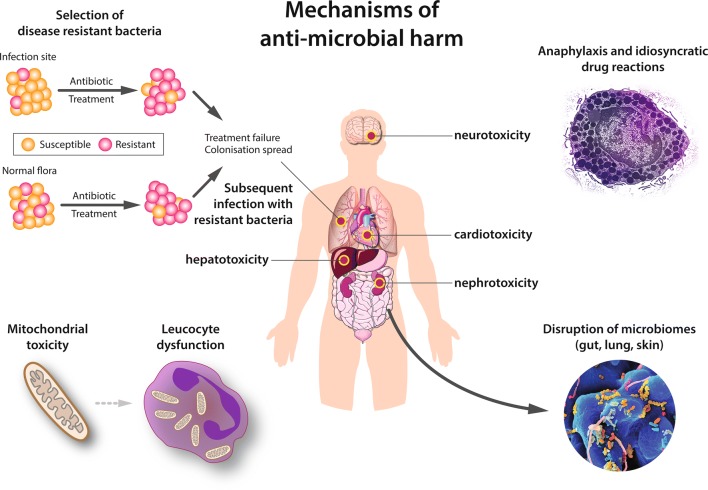
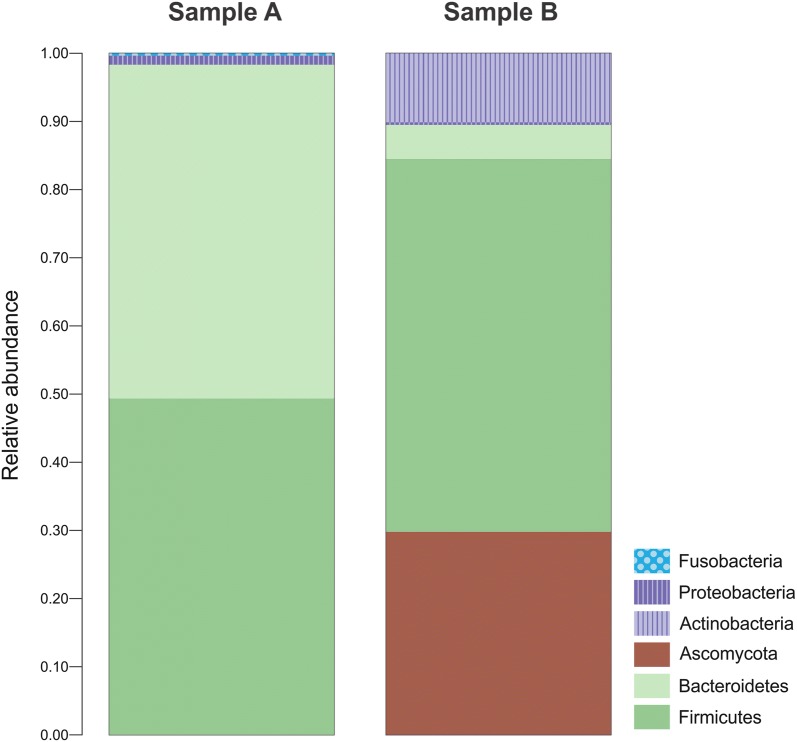
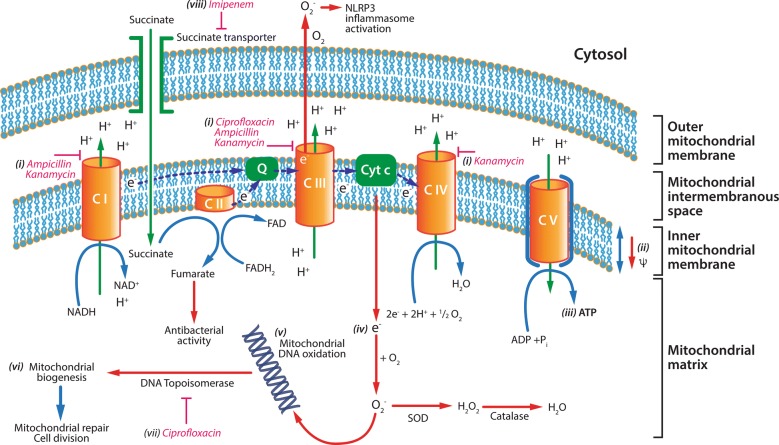
The belief that, for the individual patient, the benefit of prompt and continued use of antimicrobials outweighs any potential harm is a significant barrier to improved stewardship of these vital agents. Antimicrobial stewardship may be perceived as utilitarian rationing, seeking to preserve the availability of effective antimicrobials by limiting the development of resistance in a manner which could conflict with the immediate treatment of the patient in need. This view does not account for the growing evidence of antimicrobial-associated harm to individual patients. This review sets out the evidence for antimicrobial-associated harm and how this should be balanced with the need for prompt and appropriate therapy in infection. It describes the mechanisms by which antimicrobials may harm patients including: mitochondrial toxicity; immune cell toxicity; adverse drug reactions; selection of resistant organisms within a given patient; and disruption of the microbiome. Finally, the article indicates how the harms of antimicrobials may be mitigated and identifies areas for research and development in this field.
认为对于个体患者而言,及时和持续使用抗生素的益处超过任何潜在危害的观点,是改善这些重要药物管理的一个重大障碍。抗生素管理可能被视为功利性配给,通过限制耐药性的发展来保持有效抗生素的供应,而这种方式可能与需要治疗的患者的即时治疗相冲突。这种观点没有考虑到越来越多的证据表明抗生素会对个体患者造成伤害。本文综述了抗生素相关危害的证据,以及如何在感染的及时和适当治疗需求中对此进行平衡。它描述了抗生素可能伤害患者的机制,包括:线粒体毒性;免疫细胞毒性;药物不良反应;在给定患者中选择耐药生物体;以及微生物组的破坏。最后,文章指出了如何减轻抗生素的危害,并确定了该领域的研究和开发领域。