Department of Pathology, University of Miyazaki, Miyazaki, Japan.
Inserm U970, Paris Cardiovascular Research Center, Université de Paris, Paris, France.
Cancer Sci. 2020 Apr;111(4):1193-1202. doi: 10.1111/cas.14335. Epub 2020 Feb 24.
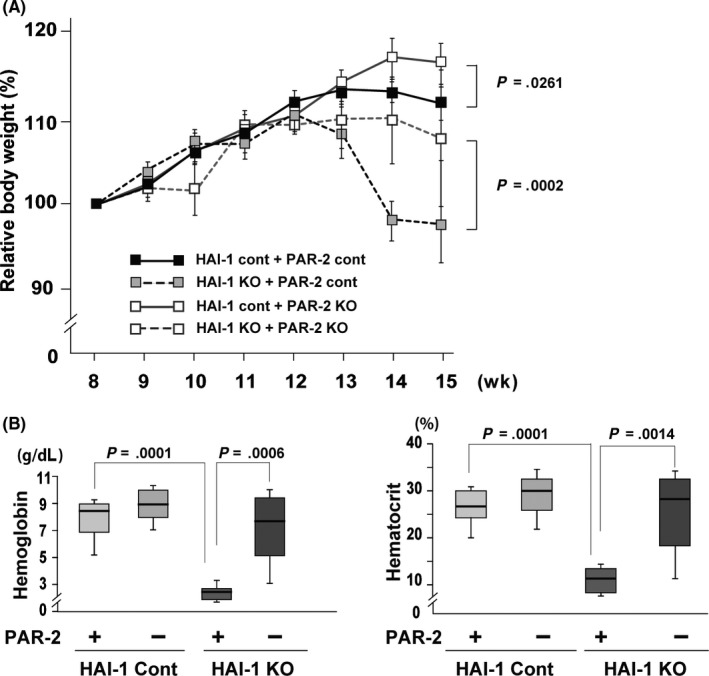
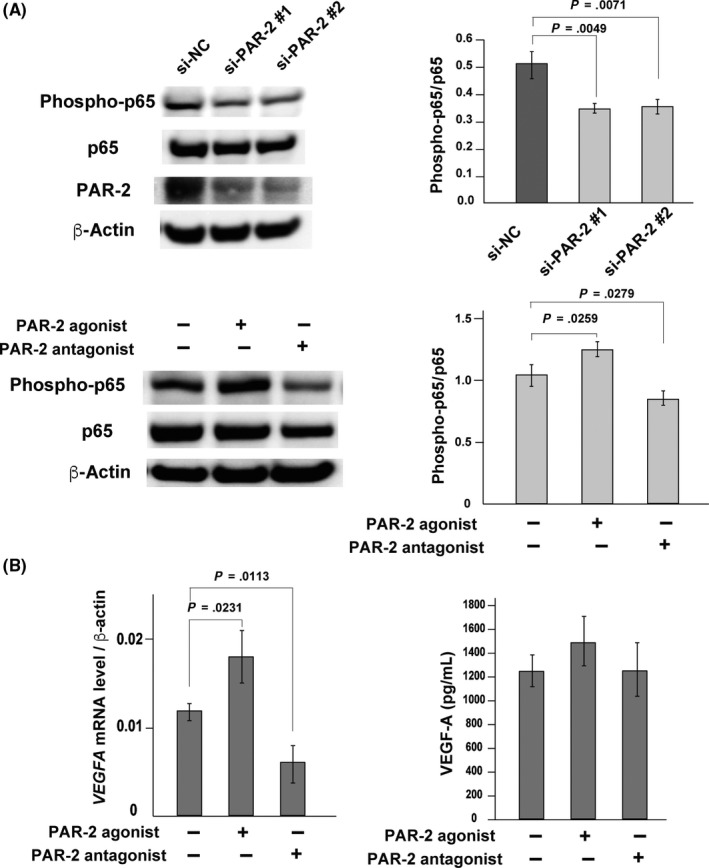
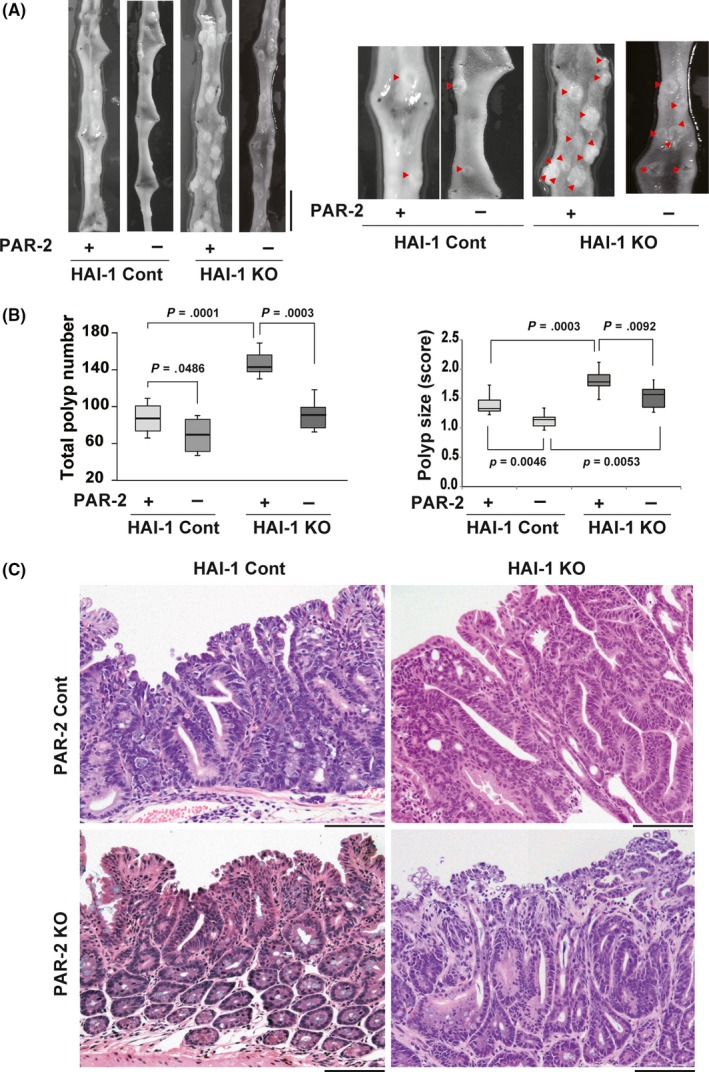
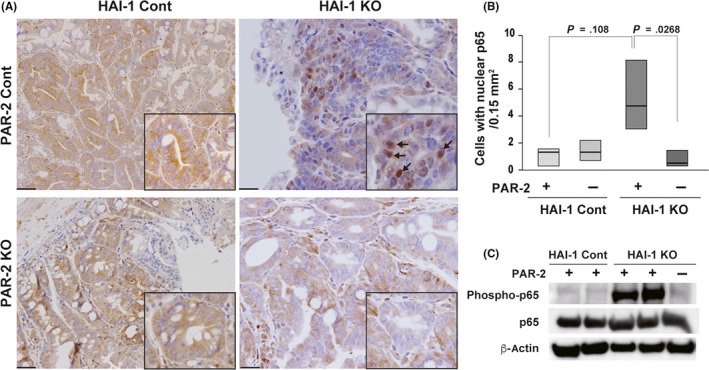
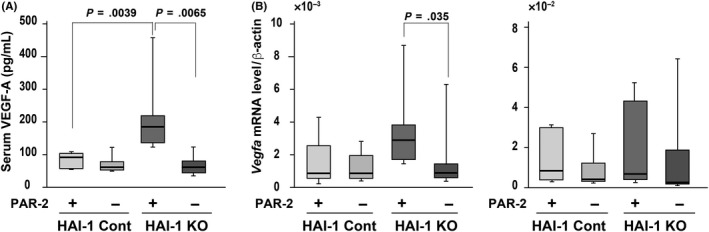
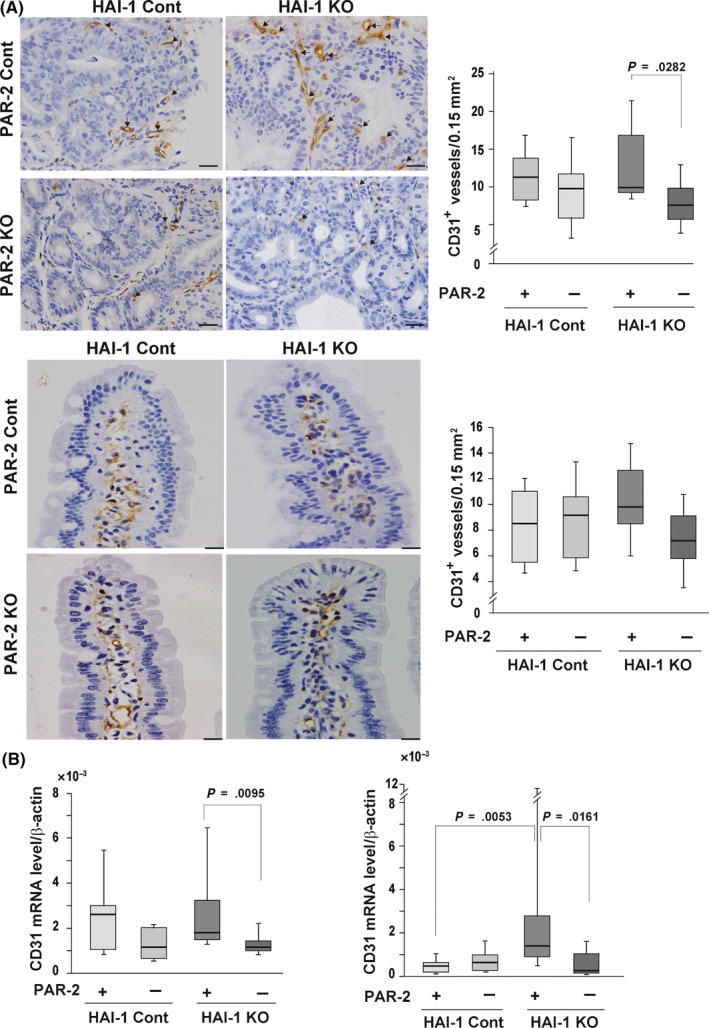
Hepatocyte growth factor activator inhibitor-1 (HAI-1), encoded by the SPINT1 gene, is a membrane-bound protease inhibitor expressed on the surface of epithelial cells. Hepatocyte growth factor activator inhibitor-1 regulates type II transmembrane serine proteases that activate protease-activated receptor-2 (PAR-2). We previously reported that deletion of Spint1 in Apc mice resulted in accelerated formation of intestinal tumors, possibly through enhanced nuclear factor-κB signaling. In this study, we examined the role of PAR-2 in accelerating tumor formation in the Apc model in the presence or absence of Spint1. We observed that knockout of the F2rl1 gene, encoding PAR-2, not only eliminated the enhanced formation of intestinal tumors caused by Spint1 deletion, but also reduced tumor formation in the presence of Spint1. Exacerbation of anemia and weight loss associated with HAI-1 deficiency was also normalized by compound deficiency of PAR-2. Mechanistically, signaling triggered by deregulated protease activities increased nuclear translocation of RelA/p65, vascular endothelial growth factor expression, and vascular density in Apc -induced intestinal tumors. These results suggest that serine proteases promote intestinal carcinogenesis through activation of PAR-2, and that HAI-1 plays a critical tumor suppressor role as an inhibitor of matriptase, kallikreins, and other PAR-2 activating proteases.
肝细胞生长因子激活物抑制剂-1(HAI-1),由 SPINT1 基因编码,是一种表达在上皮细胞表面的膜结合蛋白酶抑制剂。肝细胞生长因子激活物抑制剂-1 调节激活蛋白酶激活受体-2(PAR-2)的 II 型跨膜丝氨酸蛋白酶。我们之前报道过,Spint1 在 Apc 小鼠中的缺失会导致肠道肿瘤形成加速,这可能是通过增强核因子-κB 信号通路实现的。在这项研究中,我们研究了 PAR-2 在有无 Spint1 存在的情况下加速 Apc 模型中肿瘤形成的作用。我们观察到,编码 PAR-2 的 F2rl1 基因的敲除不仅消除了 Spint1 缺失引起的肠道肿瘤形成的增强,而且还减少了 Spint1 存在时的肿瘤形成。PAR-2 复合缺失还使与 HAI-1 缺乏相关的贫血和体重减轻恶化得到了正常化。在机制上,蛋白酶活性失调引发的信号转导增加了 RelA/p65 的核转位、血管内皮生长因子的表达和血管密度,从而促进了 Apc 诱导的肠道肿瘤的形成。这些结果表明,丝氨酸蛋白酶通过激活 PAR-2 促进肠道癌变,而 HAI-1 作为组织蛋白酶、激肽释放酶和其他 PAR-2 激活蛋白酶的抑制剂,发挥着关键的肿瘤抑制作用。