Pignolo Robert J, Wang Haitao, Kaplan Frederick S
Department of Medicine, Mayo Clinic Alix School of Medicine, Rochester, MN, United States.
Department of Physiology-Biomedical Engineering, Mayo Clinic Alix School of Medicine, Rochester, MN, United States.
Front Endocrinol (Lausanne). 2020 Jan 10;10:908. doi: 10.3389/fendo.2019.00908. eCollection 2019.
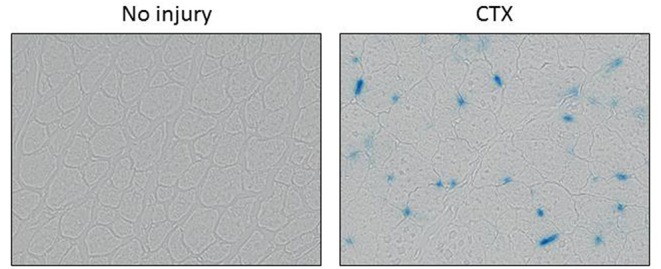
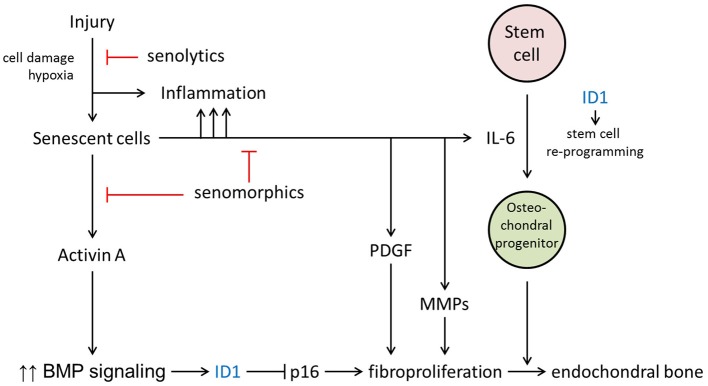
Segmental progeroid syndromes are commonly represented by genetic conditions which recapitulate aspects of physiological aging by similar, disparate, or unknown mechanisms. Fibrodysplasia ossificans progressiva (FOP) is a rare genetic disease caused by mutations in the gene for ACVR1/ALK2 encoding Activin A receptor type I/Activin-like kinase 2, a bone morphogenetic protein (BMP) type I receptor, and results in the formation of extra-skeletal ossification and a constellation of others features, many of which resemble accelerated aging. The median estimated lifespan of individuals with FOP is approximately 56 years of age. Characteristics of precocious aging in FOP include both those that are related to dysregulated BMP signaling as well as those secondary to early immobilization. Progeroid features that may primarily be associated with mutations in ACVR1 include osteoarthritis, hearing loss, alopecia, subcutaneous lipodystrophy, myelination defects, heightened inflammation, menstrual abnormalities, and perhaps nephrolithiasis. Progeroid features that may secondarily be related to immobilization from progressive heterotopic ossification include decreased vital capacity, osteoporosis, fractures, sarcopenia, and predisposition to respiratory infections. Some manifestations of precocious aging may be attributed to both primary and secondary effects of FOP. At the level of lesion formation in FOP, soft tissue injury resulting in hypoxia, cell damage, and inflammation may lead to the accumulation of senescent cells as in aged tissue. Production of Activin A, platelet-derived growth factor, metalloproteinases, interleukin 6, and other inflammatory cytokines as part of the senescence-associated secretory phenotype could conceivably mediate the initial signaling cascade that results in the intense fibroproliferative response as well as the tissue-resident stem cell reprogramming leading up to ectopic endochondral bone formation. Consideration of FOP as a segmental progeroid syndrome offers a unique perspective into potential mechanisms of normal aging and may also provide insight for identification of new targets for therapeutic interventions in FOP.
节段性早衰综合征通常由一些遗传病症所代表,这些病症通过相似、不同或未知的机制重现生理衰老的某些方面。进行性骨化性纤维发育不良(FOP)是一种罕见的遗传疾病,由编码激活素A受体I型/激活素样激酶2(ACVR1/ALK2)的基因突变引起,ACVR1/ALK2是一种骨形态发生蛋白(BMP)I型受体,该疾病会导致骨骼外骨化的形成以及一系列其他特征,其中许多特征类似于加速衰老。FOP患者的估计中位寿命约为56岁。FOP早衰的特征包括与BMP信号失调相关的特征以及因早期固定不动继发的特征。可能主要与ACVR1突变相关的早衰特征包括骨关节炎、听力丧失、脱发、皮下脂肪营养不良、髓鞘形成缺陷、炎症加剧、月经异常以及可能的肾结石。可能继发于进行性异位骨化导致的固定不动的早衰特征包括肺活量降低、骨质疏松、骨折、肌肉减少症以及易患呼吸道感染。早衰的一些表现可能归因于FOP的原发性和继发性影响。在FOP的病变形成层面,软组织损伤导致缺氧、细胞损伤和炎症,可能会像在衰老组织中一样导致衰老细胞的积累。作为衰老相关分泌表型的一部分,激活素A、血小板衍生生长因子、金属蛋白酶、白细胞介素6和其他炎性细胞因子的产生,可以想象会介导最初的信号级联反应,该反应会导致强烈的纤维增殖反应以及组织驻留干细胞重编程,最终导致异位软骨内骨形成。将FOP视为节段性早衰综合征,为正常衰老的潜在机制提供了独特的视角,也可能为确定FOP治疗干预的新靶点提供思路。