Philips Jo
Department of Engineering, Aarhus University, Aarhus, Denmark.
Front Microbiol. 2020 Jan 10;10:2997. doi: 10.3389/fmicb.2019.02997. eCollection 2019.
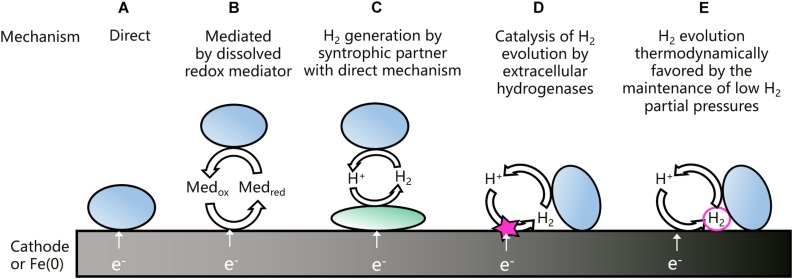
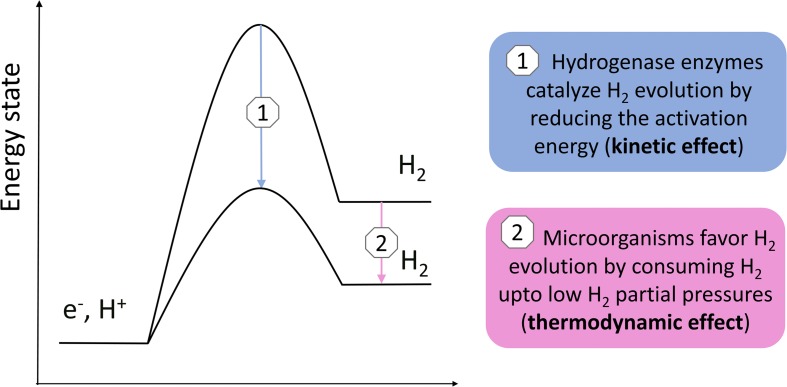
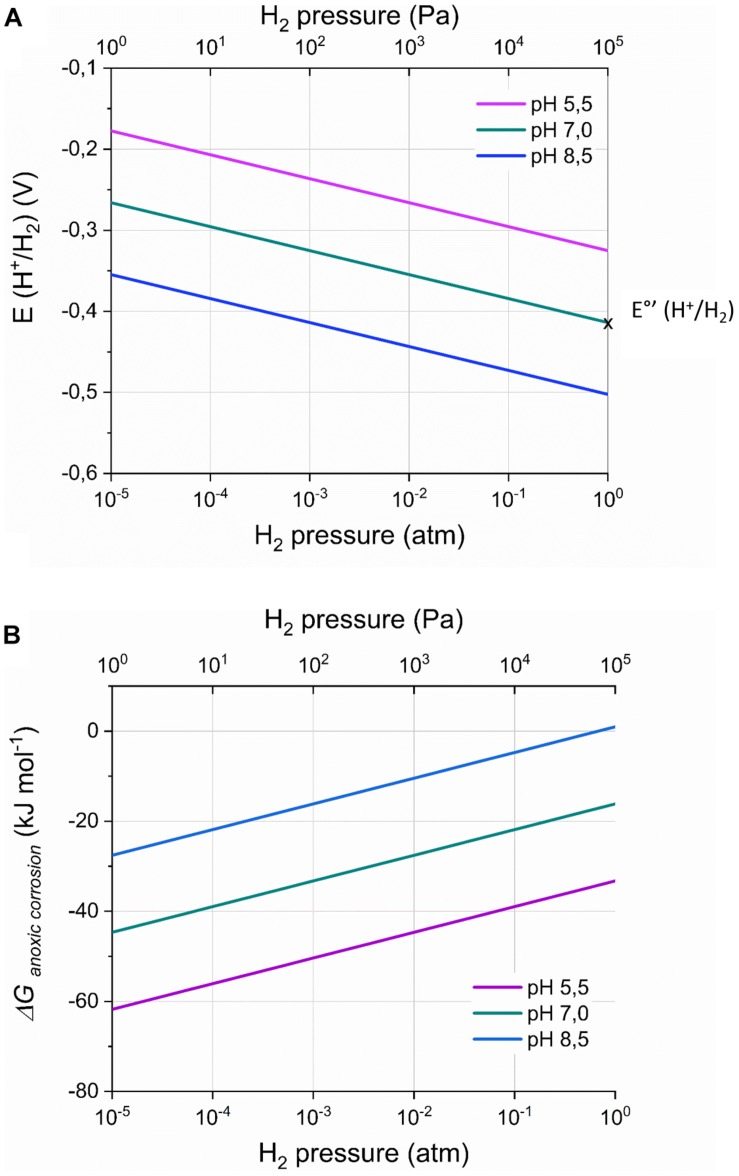
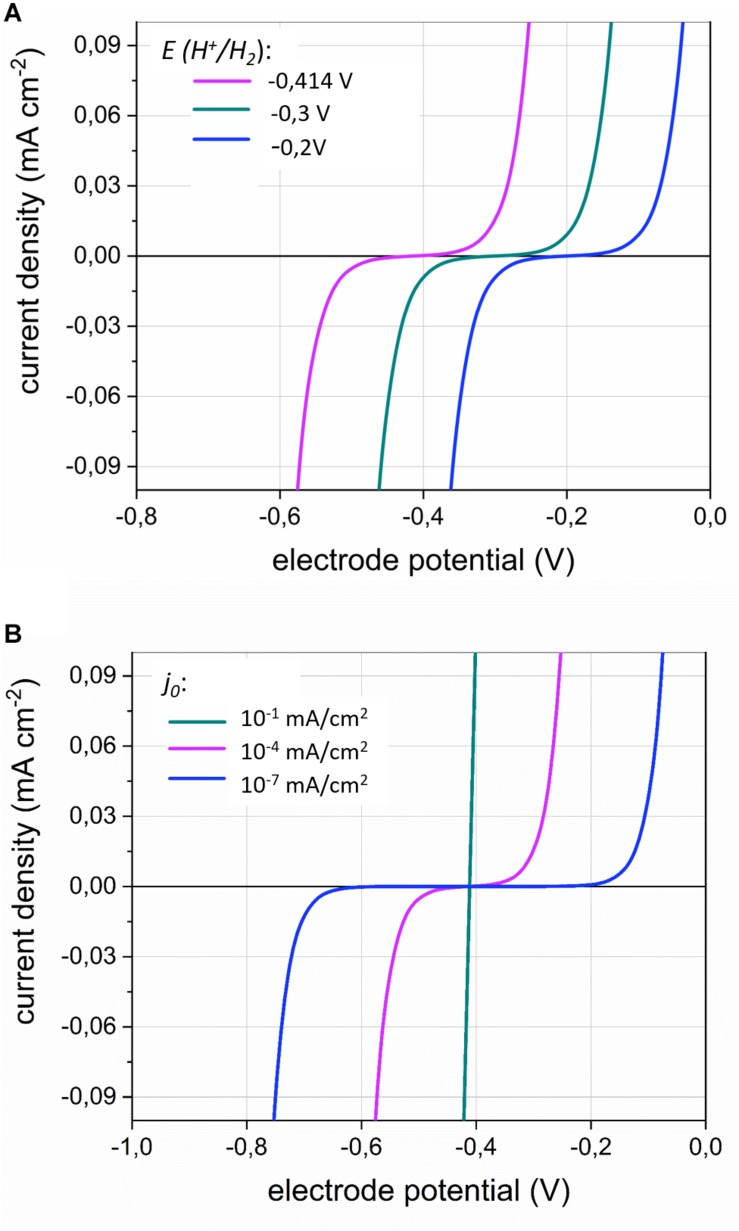
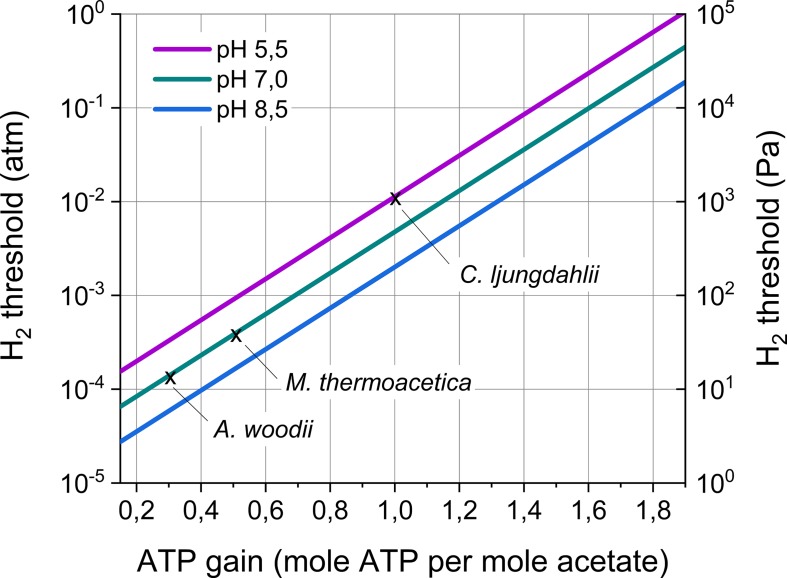
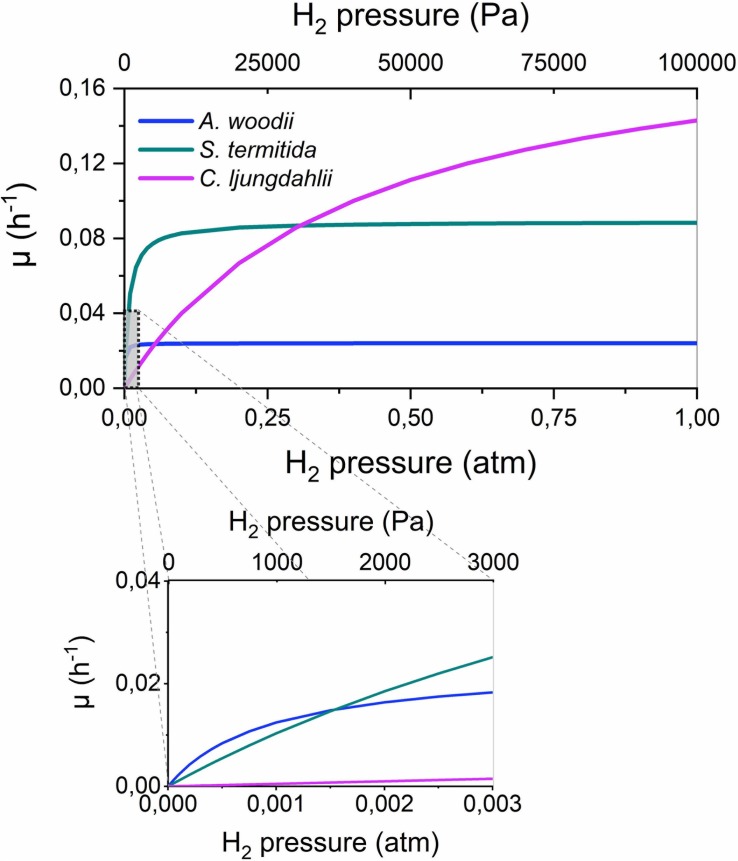
Some acetogenic bacteria are capable of using solid electron donors, such as a cathode or metallic iron [Fe(0)]. Acetogens using a cathode as electron donor are of interest for novel applications such as microbial electrosynthesis, while microorganisms using Fe(0) as electron donor cause detrimental microbial induced corrosion. The capacity to use solid electron donors strongly differs between acetogenic strains, which likely relates to their extracellular electron transfer (EET) mechanism. Different EET mechanisms have been proposed for acetogenic bacteria, including a direct mechanism and a H dependent indirect mechanism combined with extracellular hydrogenases catalyzing the H evolution reaction on the cathode or Fe(0) surface. Interestingly, low H partial pressures often prevail during acetogenesis with solid electron donors. Hence, an additional mechanism is here proposed: the maintenance of low H partial pressures by microbial H consumption, which thermodynamically favors the H evolution reaction on the cathode or Fe(0) surface. This work elaborates how the H partial pressure affects the H evolution onset potential and the H evolution rate on a cathode, as well as the free energy change of the anoxic corrosion reaction. In addition, the H consumption characteristics, i.e., H threshold (thermodynamic limit for H consumption) and H consumption kinetic parameters, of acetogenic bacteria are reviewed and evidence is discussed for strongly different H consumption characteristics. Different acetogenic strains are thus expected to maintain different H partial pressures on a cathode or Fe(0) surface, while those that maintain lower H partial pressures (lower H threshold, higher H affinity) more strongly increase the H evolution reaction. Consequently, I hypothesize that the different capacities of acetogenic bacteria to use solid electron donors are related to differences in their H consumption characteristics. The focus of this work is on acetogenic bacteria, but similar considerations are likely also relevant for other hydrogenotrophic microorganisms.
一些产乙酸细菌能够利用固体电子供体,如阴极或金属铁[Fe(0)]。利用阴极作为电子供体的产乙酸菌对于微生物电合成等新应用具有重要意义,而以Fe(0)作为电子供体的微生物会导致有害的微生物诱导腐蚀。产乙酸菌株利用固体电子供体的能力差异很大,这可能与其细胞外电子转移(EET)机制有关。已针对产乙酸细菌提出了不同的EET机制,包括直接机制和与细胞外氢化酶相结合的H依赖性间接机制,后者催化阴极或Fe(0)表面的析氢反应。有趣的是,在利用固体电子供体进行产乙酸过程中,低H分压往往占主导。因此,本文提出了一种额外的机制:通过微生物消耗H来维持低H分压,这在热力学上有利于阴极或Fe(0)表面的析氢反应。这项工作阐述了H分压如何影响阴极上的析氢起始电位和析氢速率,以及缺氧腐蚀反应的自由能变化。此外,还综述了产乙酸细菌的H消耗特性,即H阈值(H消耗的热力学极限)和H消耗动力学参数,并讨论了不同H消耗特性的证据。因此,预计不同的产乙酸菌株会在阴极或Fe(0)表面维持不同的H分压,而那些维持较低H分压(较低的H阈值、较高的H亲和力)的菌株会更强烈地促进析氢反应。因此,我推测产乙酸细菌利用固体电子供体的不同能力与其H消耗特性的差异有关。这项工作的重点是产乙酸细菌,但类似的考虑可能也适用于其他氢营养微生物。