Hepatobiliary Center, The First Affiliated Hospital of Nanjing Medical University, Nanjing, China.
Research Unit of Liver Transplantation and Transplant Immunology, Chinese Academy of Medical Sciences, Nanjing, China.
Front Immunol. 2020 Jan 9;10:2945. doi: 10.3389/fimmu.2019.02945. eCollection 2019.
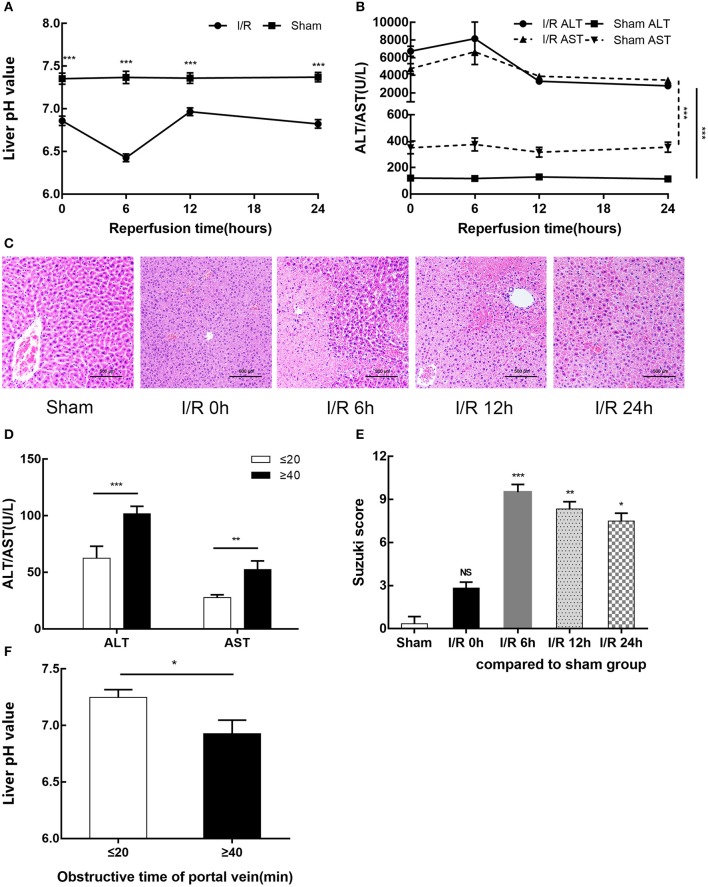
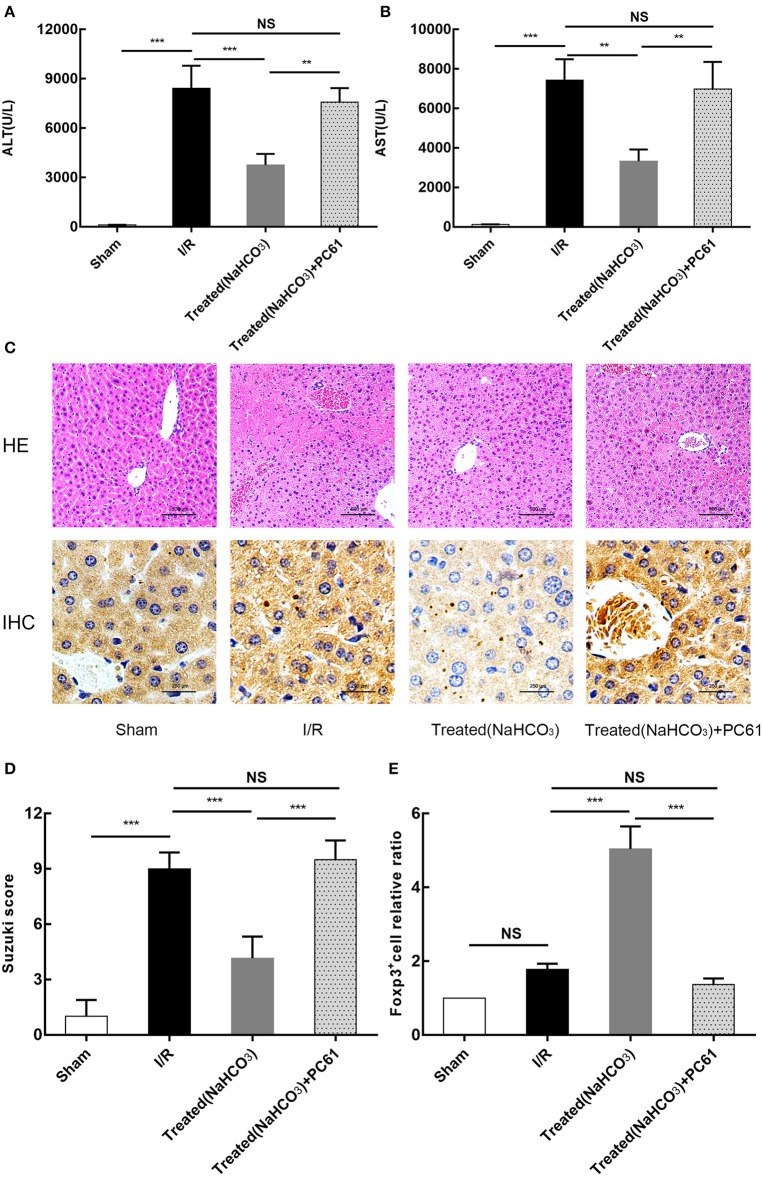
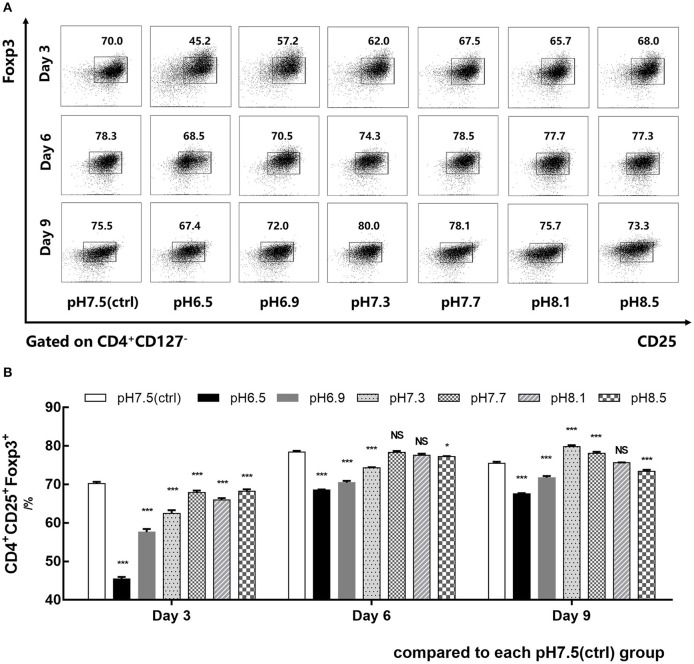
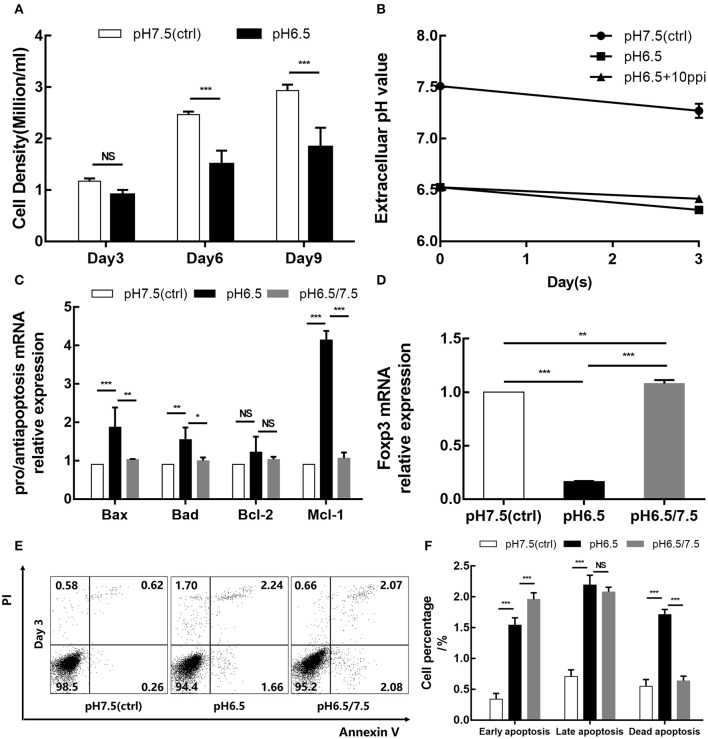
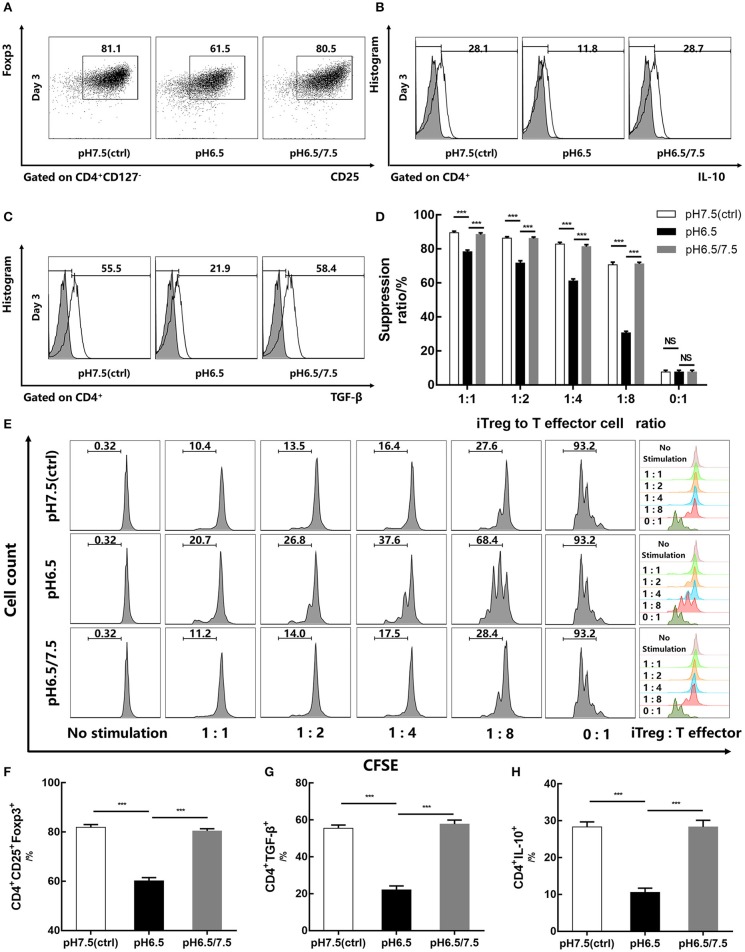
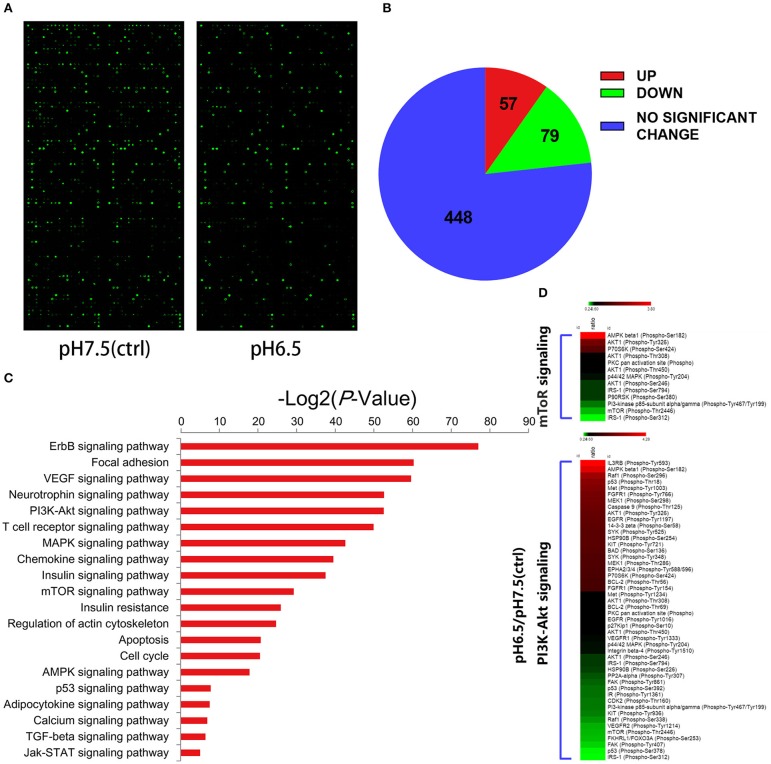
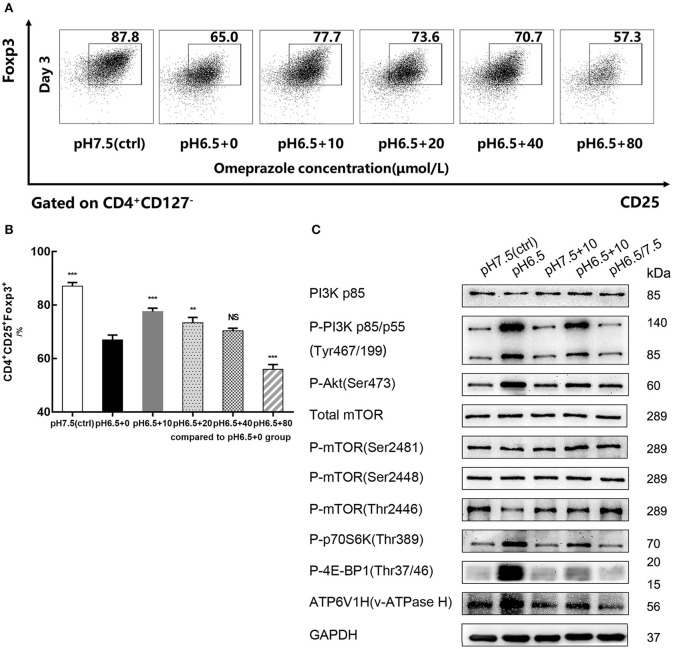
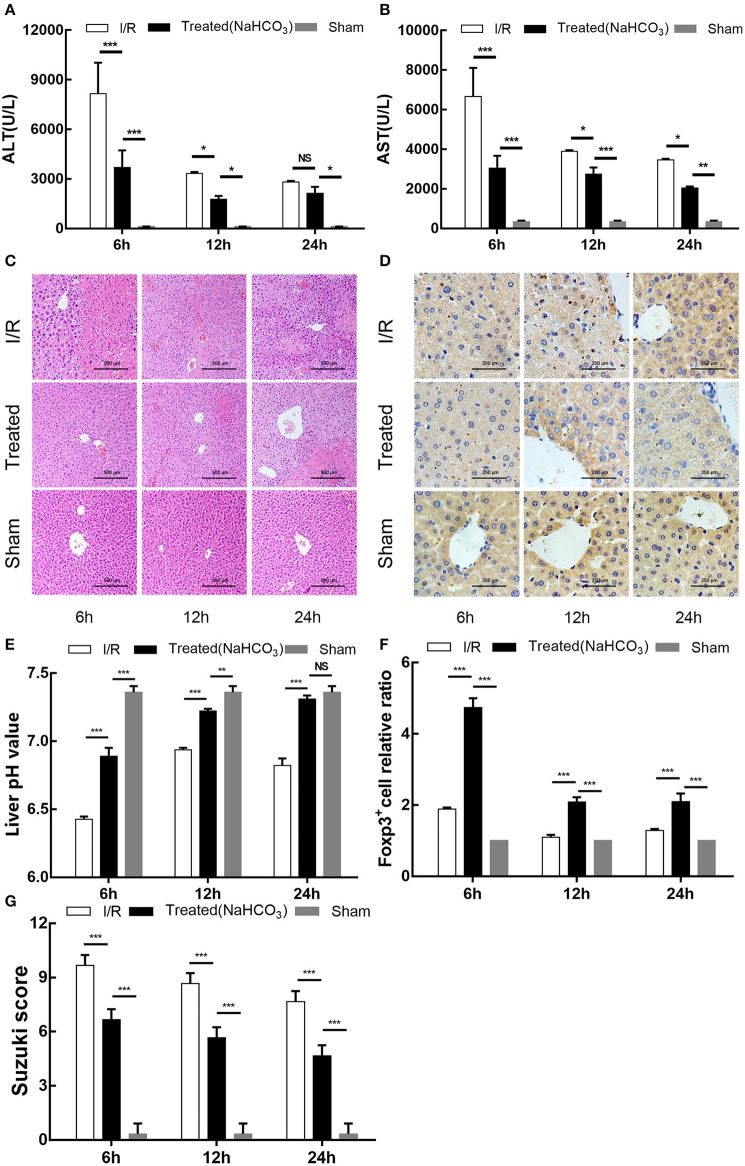
Hepatic ischemia/reperfusion injury (HIRI) is a major cause of liver dysfunction and even liver failure after liver transplantation and hepatectomy. One of the critical mechanisms that lead to HIRI is an acidic microenvironment, which develops due to the accumulation of high acid-like substances such as lactic acid and ketone bodies. Previous studies have shown that the adoptive transfer of induced regulatory T cells (iTregs) attenuates HIRI; however, little is known about the function of Tregs in the acidic microenvironment of a HIRI model. In the present study, we examined the effect of acidic microenvironment on Tregs and . Here, we report that microenvironment acidification and dysfunction of the liver is induced during HIRI in humans and mice and that an acidic microenvironment can inhibit the generation and function of CD4CD25Foxp3 iTregs via the PI3K/Akt/mTOR signaling pathway. By contrast, the reversal of the acidic microenvironment restored Foxp3 expression and iTreg function. In addition, the results of cell culture indicated that the proton pump inhibitor omeprazole improves decreased iTreg differentiation caused by the acidic microenvironment, suggesting the potential clinical use of proton pump inhibitors as immunoregulatory therapy in the treatment of HIRI. Furthermore, our findings demonstrate that buffering the acidic microenvironment to attenuate HIRI in mice has an inseparable relationship with Tregs. Thus, an acidic microenvironment is a key regulator in HIRI, involved in modulating the generation and function of Tregs.
肝缺血/再灌注损伤 (HIRI) 是肝移植和肝切除后肝功能障碍甚至肝衰竭的主要原因。导致 HIRI 的关键机制之一是酸性微环境,这种酸性微环境是由于乳酸和酮体等酸性物质的积累而产生的。先前的研究表明,诱导调节性 T 细胞 (iTreg) 的过继转移可减轻 HIRI;然而,对于 Tregs 在 HIRI 模型酸性微环境中的功能知之甚少。在本研究中,我们研究了酸性微环境对 Tregs 的影响。在这里,我们报告在人类和小鼠的 HIRI 期间会诱导酸性微环境和肝功能障碍,并且酸性微环境可以通过 PI3K/Akt/mTOR 信号通路抑制 CD4CD25Foxp3 iTreg 的生成和功能。相比之下,酸性微环境的逆转恢复了 Foxp3 表达和 iTreg 功能。此外,细胞培养的结果表明质子泵抑制剂奥美拉唑可改善酸性微环境引起的 iTreg 分化减少,提示质子泵抑制剂作为免疫调节治疗在 HIRI 治疗中的潜在临床应用。此外,我们的研究结果表明,缓冲酸性微环境可减轻小鼠的 HIRI 与 Tregs 密切相关。因此,酸性微环境是 HIRI 的关键调节剂,参与调节 Tregs 的生成和功能。