Department of Infection, Immunity and Cardiovascular Disease, University of Sheffield, Western Bank, Sheffield S10 2TN, UK.
INSIGNEO, Institute for In Silico Medicine, The University of Sheffield, The Pam Liversidge Building, Sir Frederick Mappin Building, F Floor, Mappin Street, Sheffield, S1 3JD, UK.
Eur Heart J Cardiovasc Imaging. 2021 Jan 22;22(2):236-245. doi: 10.1093/ehjci/jeaa001.
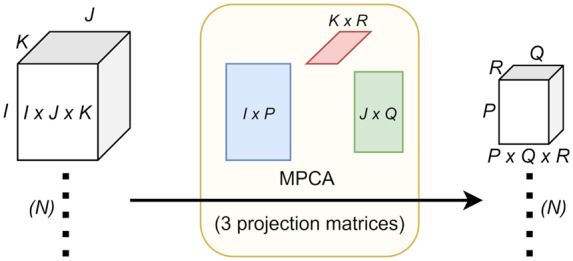
Pulmonary arterial hypertension (PAH) is a progressive condition with high mortality. Quantitative cardiovascular magnetic resonance (CMR) imaging metrics in PAH target individual cardiac structures and have diagnostic and prognostic utility but are challenging to acquire. The primary aim of this study was to develop and test a tensor-based machine learning approach to holistically identify diagnostic features in PAH using CMR, and secondarily, visualize and interpret key discriminative features associated with PAH.
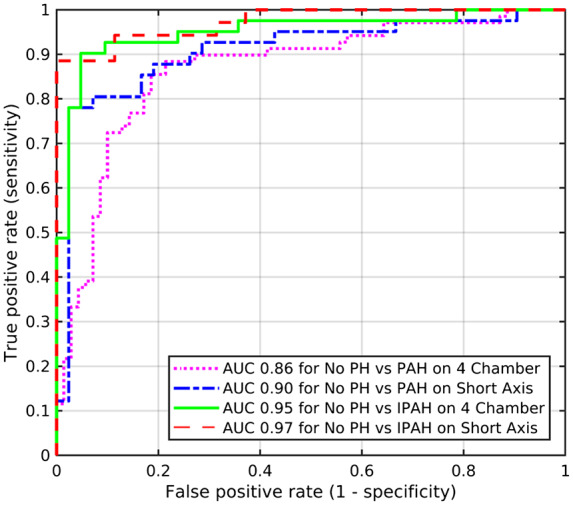
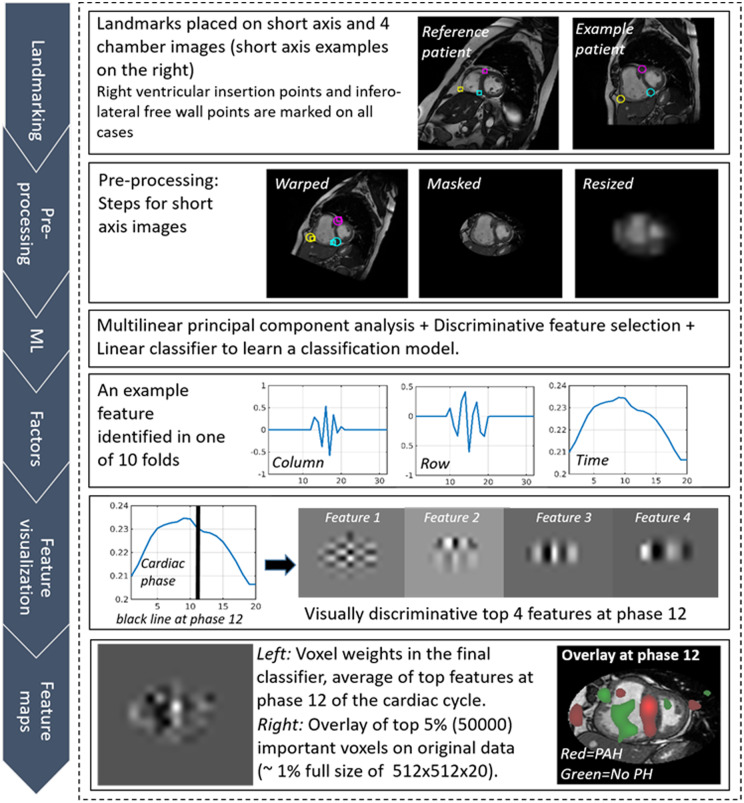
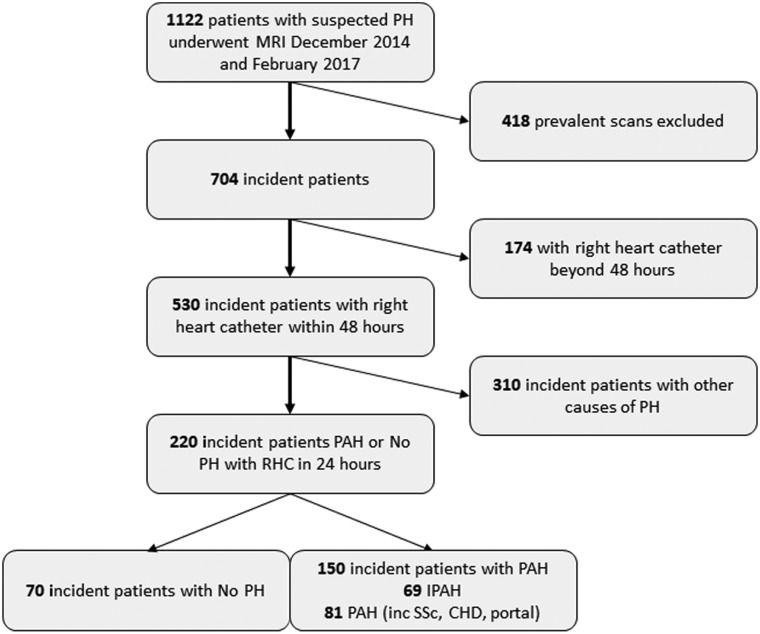
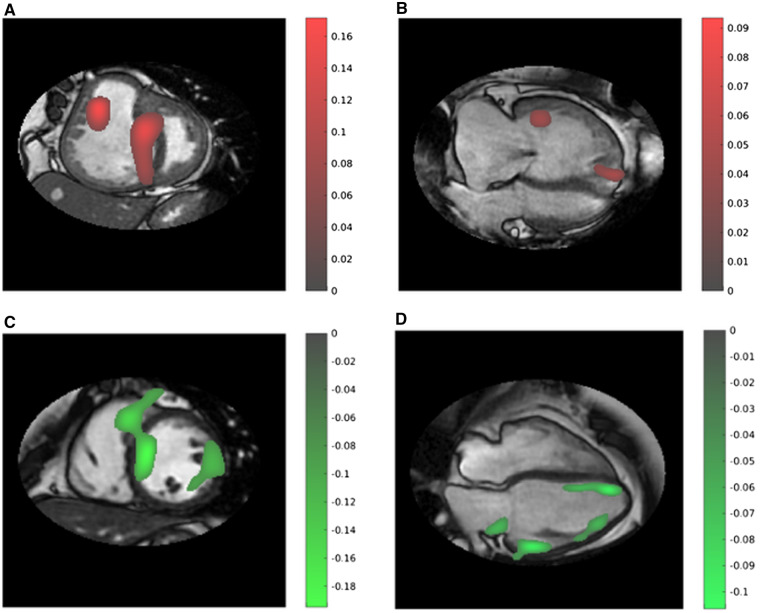
Consecutive treatment naive patients with PAH or no evidence of pulmonary hypertension (PH), undergoing CMR and right heart catheterization within 48 h, were identified from the ASPIRE registry. A tensor-based machine learning approach, multilinear subspace learning, was developed and the diagnostic accuracy of this approach was compared with standard CMR measurements. Two hundred and twenty patients were identified: 150 with PAH and 70 with no PH. The diagnostic accuracy of the approach was high as assessed by area under the curve at receiver operating characteristic analysis (P < 0.001): 0.92 for PAH, slightly higher than standard CMR metrics. Moreover, establishing the diagnosis using the approach was less time-consuming, being achieved within 10 s. Learnt features were visualized in feature maps with correspondence to cardiac phases, confirming known and also identifying potentially new diagnostic features in PAH.
A tensor-based machine learning approach has been developed and applied to CMR. High diagnostic accuracy has been shown for PAH diagnosis and new learnt features were visualized with diagnostic potential.
肺动脉高压(PAH)是一种死亡率高的进行性疾病。PAH 的定量心血管磁共振(CMR)成像指标针对个体心脏结构,具有诊断和预后效用,但获取这些指标具有挑战性。本研究的主要目的是开发和测试一种基于张量的机器学习方法,以便使用 CMR 整体识别 PAH 的诊断特征,并可视化和解释与 PAH 相关的关键鉴别特征。
从 ASPIRE 登记处确定了连续的治疗初治 PAH 患者或无肺动脉高压(PH)证据的患者,这些患者在 48 小时内接受 CMR 和右心导管检查。开发了一种基于张量的机器学习方法,即多线性子空间学习,并比较了该方法与标准 CMR 测量的诊断准确性。共确定了 220 例患者:150 例 PAH 患者和 70 例无 PH 患者。通过接受者操作特征分析(area under the curve at receiver operating characteristic analysis,AUC)评估,该方法的诊断准确性较高(P<0.001):PAH 的 AUC 为 0.92,略高于标准 CMR 指标。此外,该方法在 10 秒内即可完成诊断,耗时更短。在特征图中可视化了习得的特征,与心脏相位相对应,证实了已知的和可能新的 PAH 诊断特征。
已经开发并应用了一种基于张量的机器学习方法到 CMR。该方法显示出对 PAH 诊断的高准确性,并可视化了具有诊断潜力的新习得特征。