Mei Xinyu, Qi Dashi, Zhang Ting, Zhao Ying, Jin Li, Hou Junli, Wang Jianhua, Lin Yan, Xue Yu, Zhu Pingping, Liu Zexian, Huang Lei, Nie Ji, Si Wen, Ma Jingyi, Ye Jianhong, Finnell Richard H, Saiyin Hexige, Wang Hongyan, Zhao Jianyuan, Zhao Shimin, Xu Wei
State Key Lab of Genetic Engineering, School of Life Sciences and Institutes of Biomedical Sciences, Obstetrics & Gynecology Hospital of Fudan University, Shanghai, China.
NHC Key Lab of Reproduction Regulation (Shanghai Institute of Planned Parenthood Research), Shanghai, China.
EMBO Mol Med. 2020 Mar 6;12(3):e9469. doi: 10.15252/emmm.201809469. Epub 2020 Jan 31.
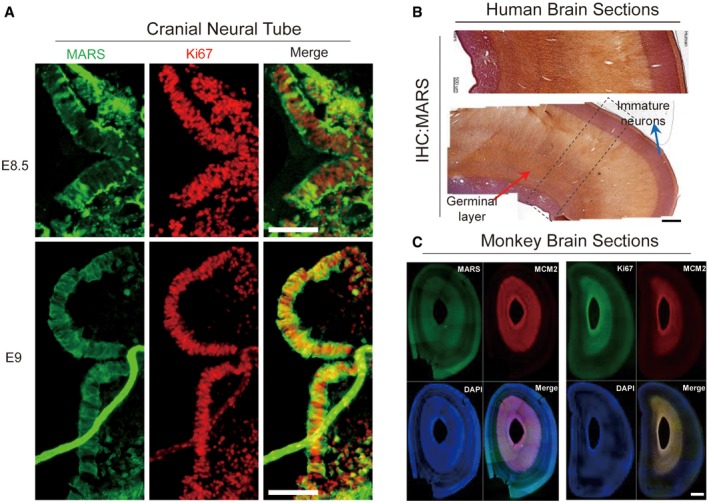
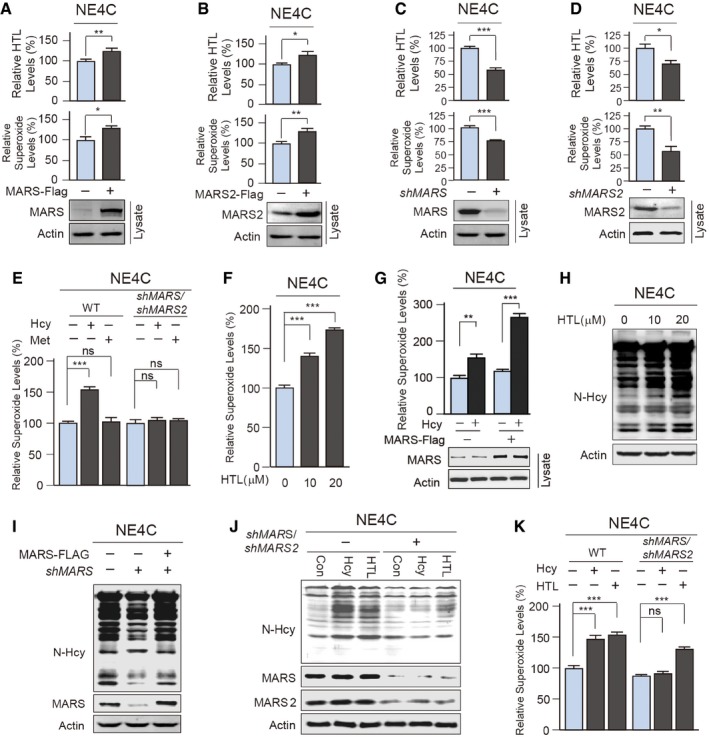
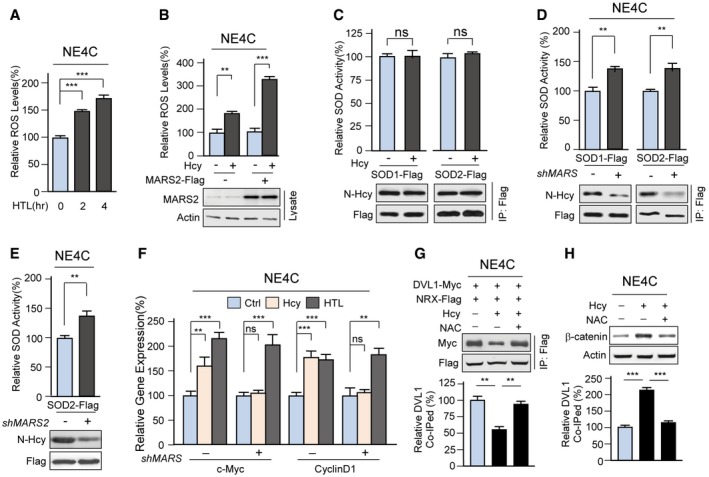
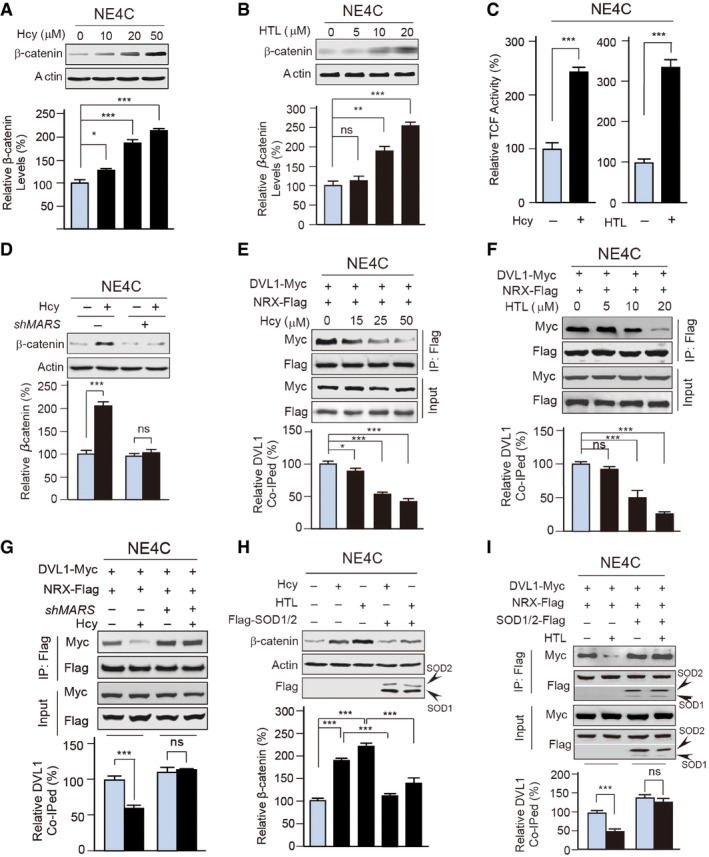
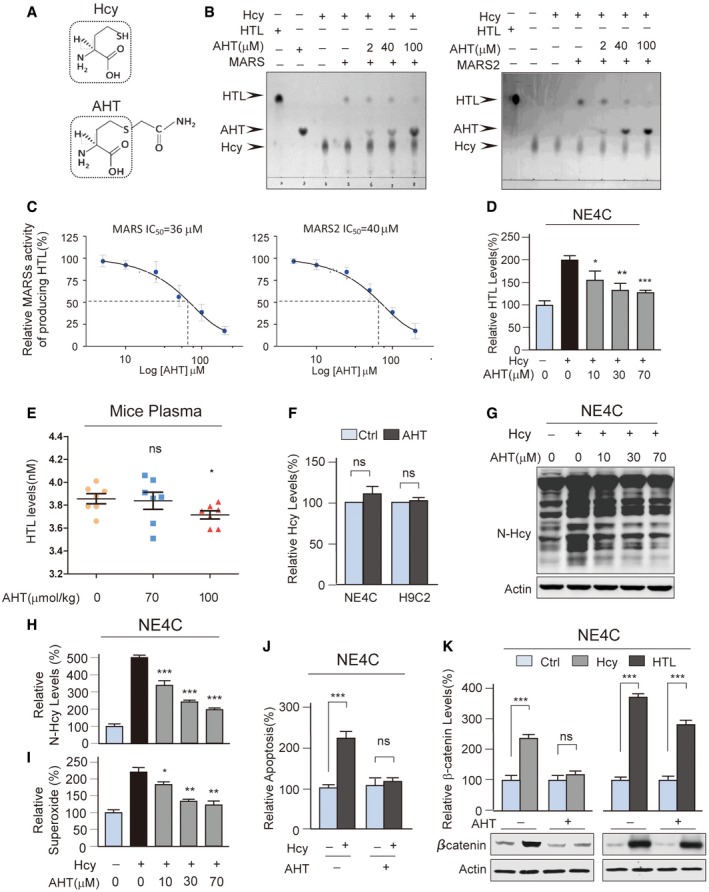
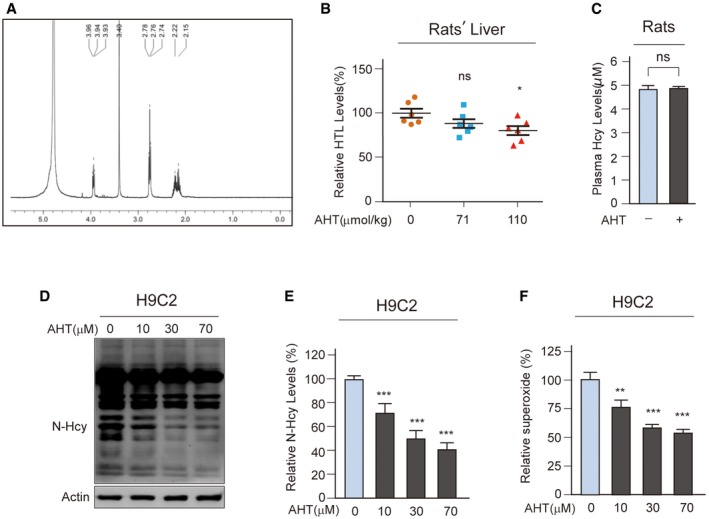
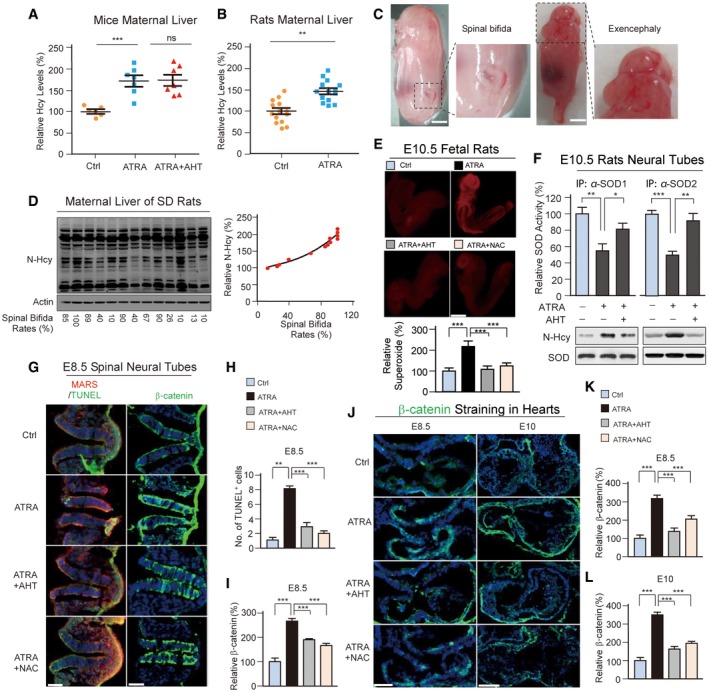
Hyperhomocysteinemia is a common metabolic disorder that imposes major adverse health consequences. Reducing homocysteine levels, however, is not always effective against hyperhomocysteinemia-associated pathologies. Herein, we report the potential roles of methionyl-tRNA synthetase (MARS)-generated homocysteine signals in neural tube defects (NTDs) and congenital heart defects (CHDs). Increased copy numbers of MARS and/or MARS2 were detected in NTD and CHD patients. MARSs sense homocysteine and transmit its signal by inducing protein lysine (N)-homocysteinylation. Here, we identified hundreds of novel N-homocysteinylated proteins. N-homocysteinylation of superoxide dismutases (SOD1/2) provided new mechanistic insights for homocysteine-induced oxidative stress, apoptosis and Wnt signalling deregulation. Elevated MARS expression in developing and proliferating cells sensitizes them to the effects of homocysteine. Targeting MARSs using the homocysteine analogue acetyl homocysteine thioether (AHT) reversed MARS efficacy. AHT lowered NTD and CHD onsets in retinoic acid-induced and hyperhomocysteinemia-induced animal models without affecting homocysteine levels. We provide genetic and biochemical evidence to show that MARSs are previously overlooked genetic determinants and key pathological factors of hyperhomocysteinemia, and suggest that MARS inhibition represents an important medicinal approach for controlling hyperhomocysteinemia-associated diseases.
高同型半胱氨酸血症是一种常见的代谢紊乱疾病,会对健康造成严重不良后果。然而,降低同型半胱氨酸水平并不总是能有效对抗与高同型半胱氨酸血症相关的病症。在此,我们报告甲硫氨酰 - tRNA合成酶(MARS)产生的同型半胱氨酸信号在神经管缺陷(NTD)和先天性心脏病(CHD)中的潜在作用。在NTD和CHD患者中检测到MARS和/或MARS2的拷贝数增加。MARS可感知同型半胱氨酸,并通过诱导蛋白质赖氨酸(N)-同型半胱氨酸化来传递其信号。在此,我们鉴定出数百种新的N-同型半胱氨酸化蛋白质。超氧化物歧化酶(SOD1/2)的N-同型半胱氨酸化为同型半胱氨酸诱导的氧化应激、细胞凋亡和Wnt信号失调提供了新的机制见解。发育中和增殖细胞中MARS表达的升高使它们对同型半胱氨酸的作用敏感。使用同型半胱氨酸类似物乙酰同型半胱氨酸硫醚(AHT)靶向MARS可逆转MARS的功效。AHT降低了视黄酸诱导和高同型半胱氨酸血症诱导动物模型中的NTD和CHD发病率,而不影响同型半胱氨酸水平。我们提供了遗传学和生物化学证据,表明MARS是高同型半胱氨酸血症先前被忽视的遗传决定因素和关键病理因素,并表明抑制MARS代表了一种控制与高同型半胱氨酸血症相关疾病的重要药物治疗方法。