Laboratory for Fetal and Regenerative Biology, Department of Surgery, University of Colorado Denver - Anschutz Medical Campus and Children's Hospital Colorado, Aurora, Colorado.
Laboratory for Fetal and Regenerative Biology, Department of Surgery, University of Colorado Denver - Anschutz Medical Campus and Children's Hospital Colorado, Aurora, Colorado.
J Invest Dermatol. 2020 Aug;140(8):1629-1638. doi: 10.1016/j.jid.2019.12.030. Epub 2020 Jan 28.
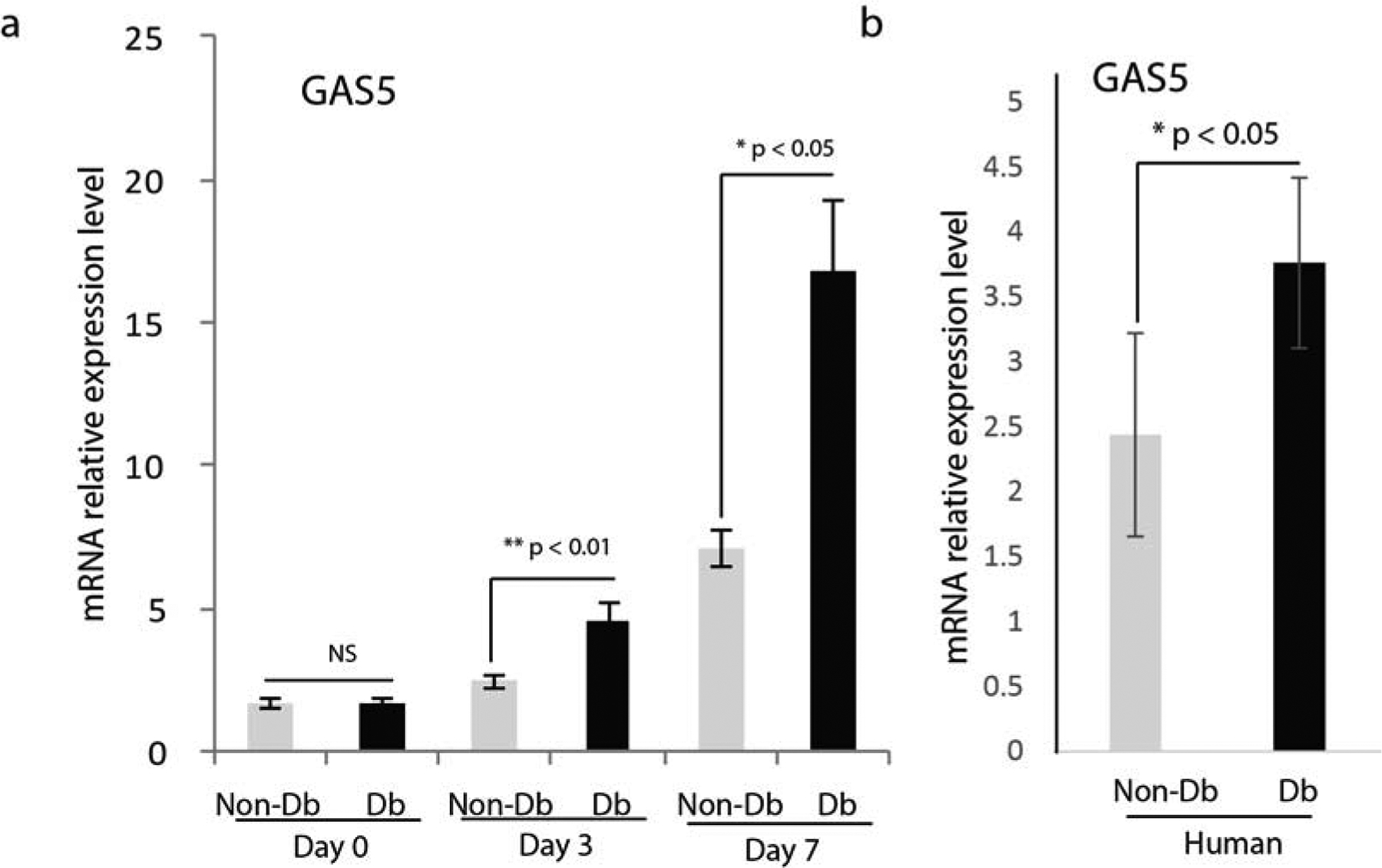
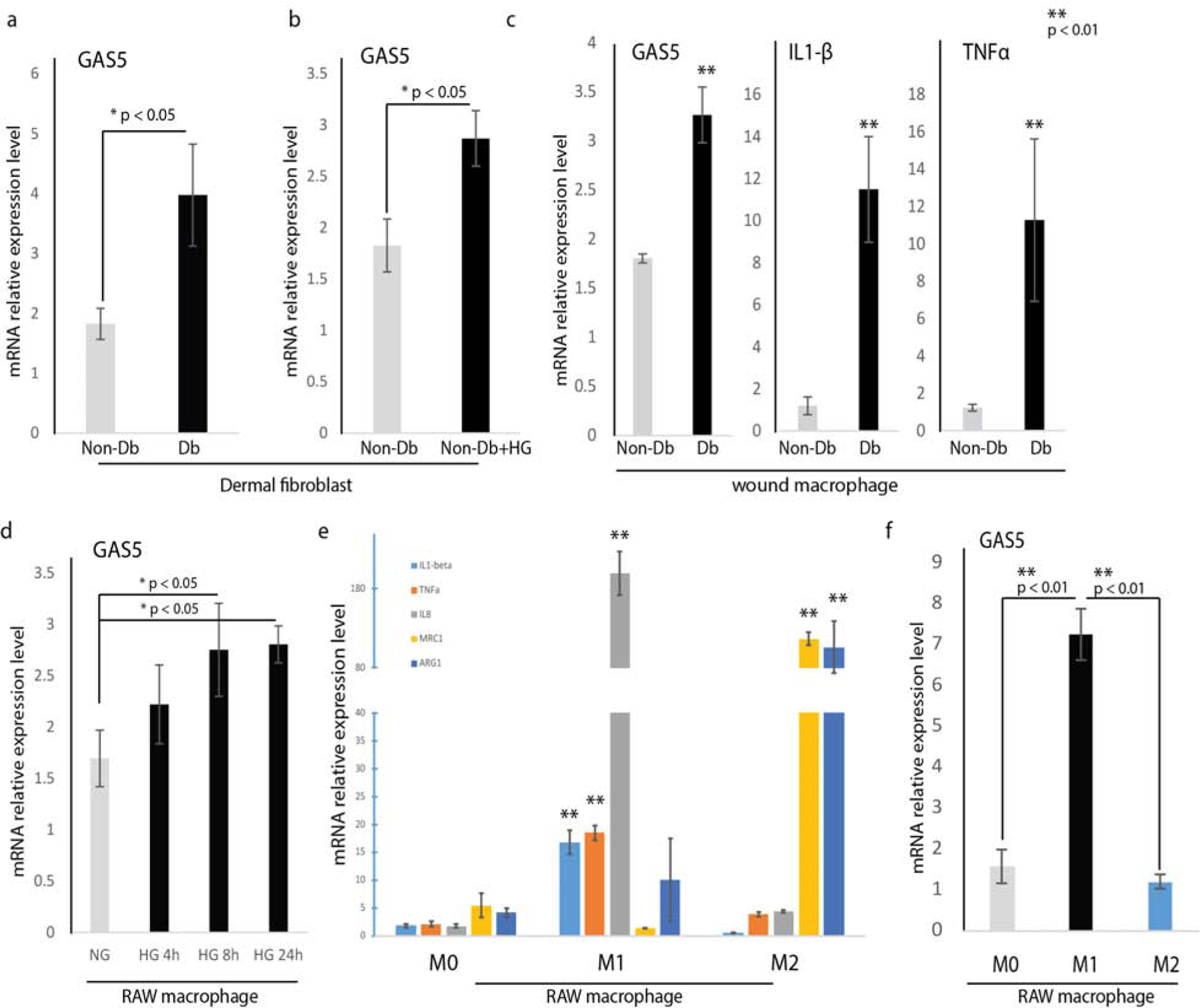
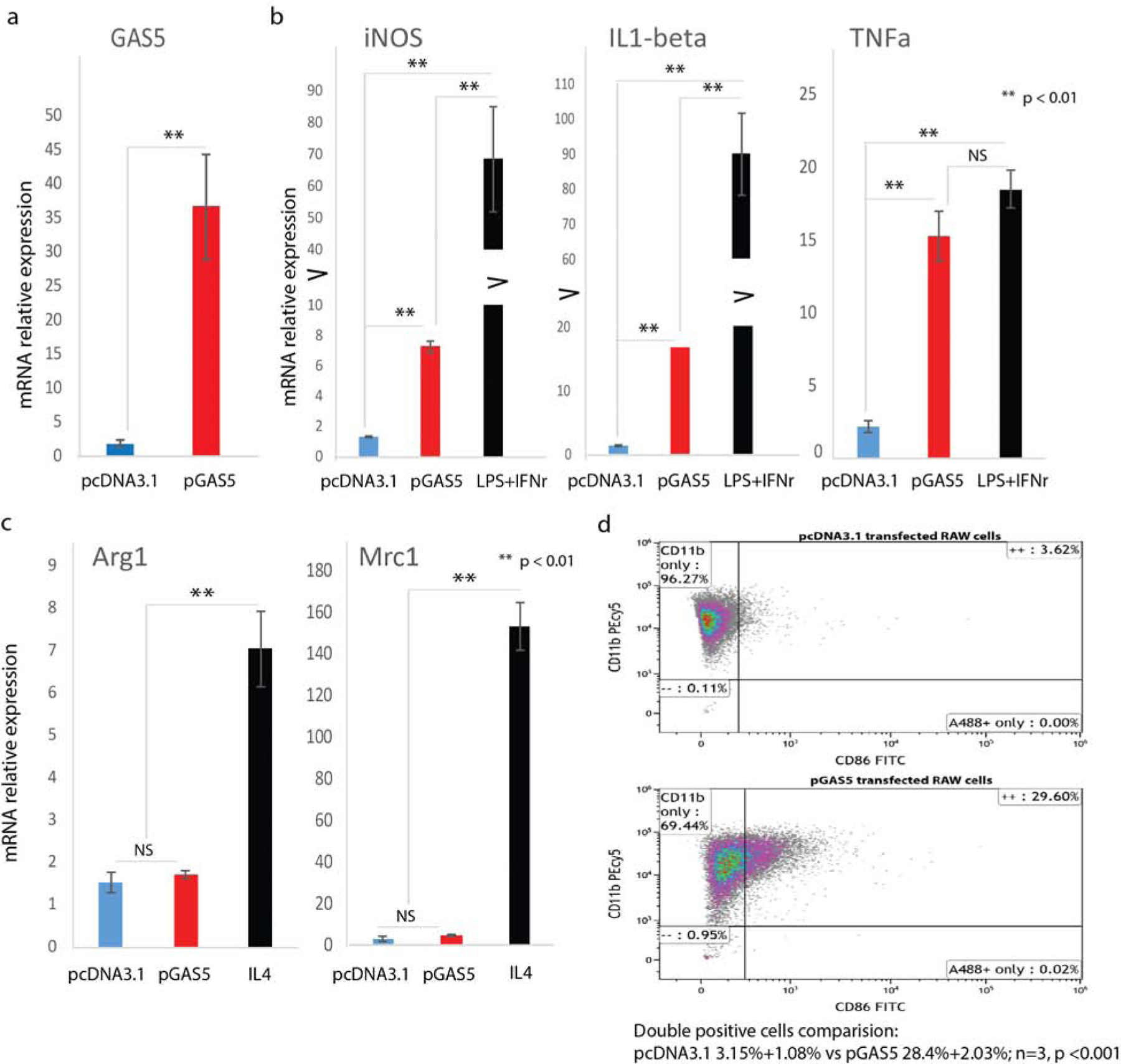
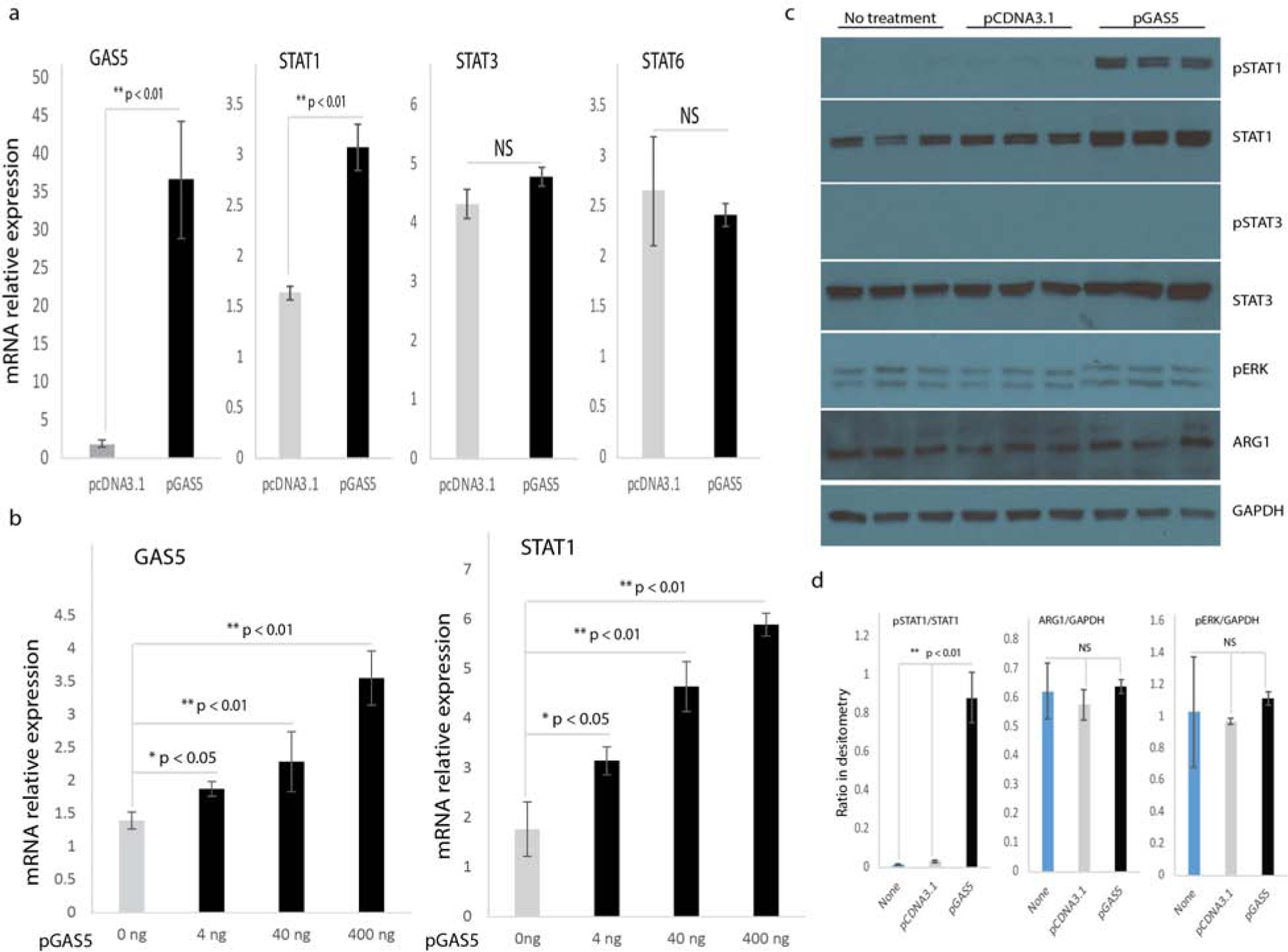
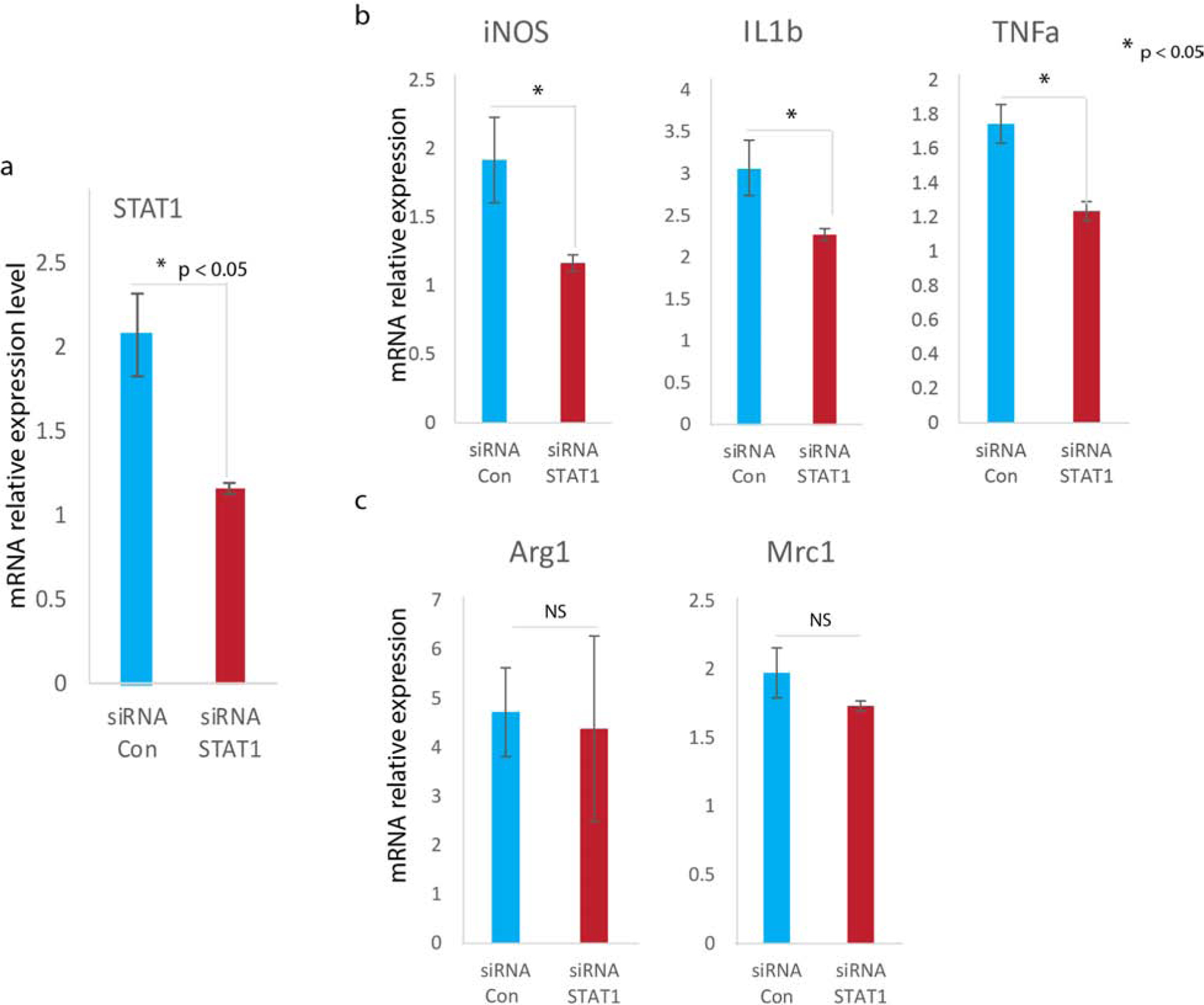
A central feature of diabetic (Db) wounds is the persistence of chronic inflammation, which is partly due to the prolonged presence of proinflammatory (M1) macrophages. Using in vivo and in vitro analyses, we have tested the hypothesis that long noncoding RNA GAS5 is dysregulated in Db wounds. We have assessed the contribution of GAS5 to the M1 macrophage phenotype, as well as the functional consequences of knocking down its expression. We found that expression of GAS5 is increased significantly in Db wounds and in cells isolated from Db wounds. Hyperglycemia induced GAS5 expression in macrophages in vitro. Overexpression of GAS5 in vitro promoted macrophage polarization toward an M1 phenotype by upregulating signal transducer and activator of transcription 1. Of most significance in our judgment, GAS5 loss-of-function enhanced Db wound healing. These data indicate that the relative level of long noncoding RNA GAS5 in wounds plays a key role in the wound healing response. Reductions in the levels of GAS5 in wounds appeared to enhance healing by promoting transition of M1 macrophages to M2 macrophages. Thus, our results suggest that targeting long noncoding RNA GAS5 may provide a therapeutic intervention for correcting impaired Db wound healing.
糖尿病(Db)伤口的一个主要特征是慢性炎症的持续存在,部分原因是促炎(M1)巨噬细胞的长期存在。通过体内和体外分析,我们已经测试了长链非编码 RNA GAS5 在 Db 伤口中失调的假设。我们评估了 GAS5 对 M1 巨噬细胞表型的贡献,以及敲低其表达的功能后果。我们发现,GAS5 的表达在 Db 伤口和从 Db 伤口分离的细胞中显著增加。体外高血糖诱导巨噬细胞中 GAS5 的表达。体外过表达 GAS5 通过上调信号转导和转录激活因子 1 促进巨噬细胞向 M1 表型极化。在我们的判断中最重要的是,GAS5 功能丧失增强了 Db 伤口愈合。这些数据表明,伤口中长链非编码 RNA GAS5 的相对水平在伤口愈合反应中起着关键作用。伤口中 GAS5 水平的降低似乎通过促进 M1 巨噬细胞向 M2 巨噬细胞的转变来增强愈合。因此,我们的结果表明,靶向长链非编码 RNA GAS5 可能为纠正受损的 Db 伤口愈合提供治疗干预。