Herbrík Andrej, Corretto Erika, Chroňáková Alica, Langhansová Helena, Petrásková Petra, Hrdý Jiří, Čihák Matouš, Krištůfek Václav, Bobek Jan, Petříček Miroslav, Petříčková Kateřina
Institute of Immunology and Microbiology, 1st Faculty of Medicine, Charles University, Prague, Czechia.
Institute of Soil Biology, Biology Centre Academy of Sciences of the Czech Republic, České Budějovice, Czechia.
Front Microbiol. 2020 Jan 17;10:3028. doi: 10.3389/fmicb.2019.03028. eCollection 2019.
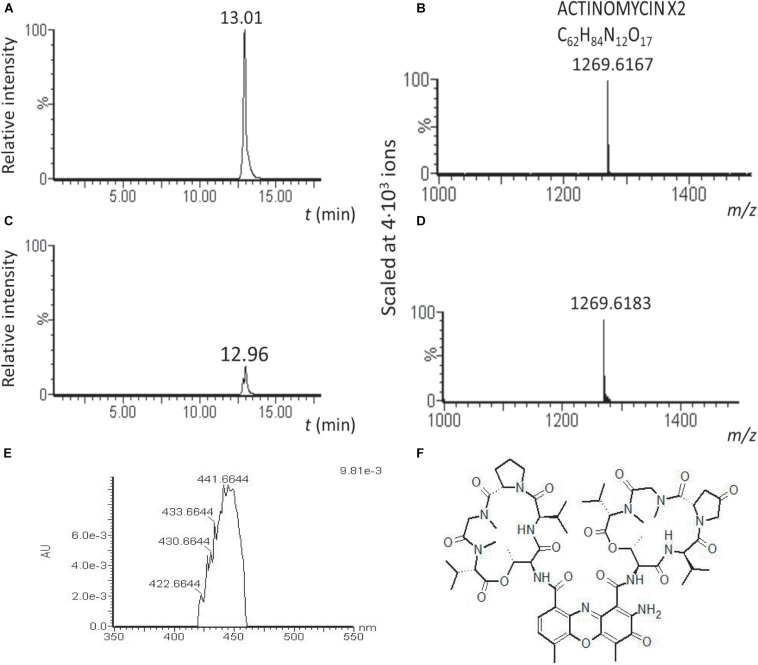
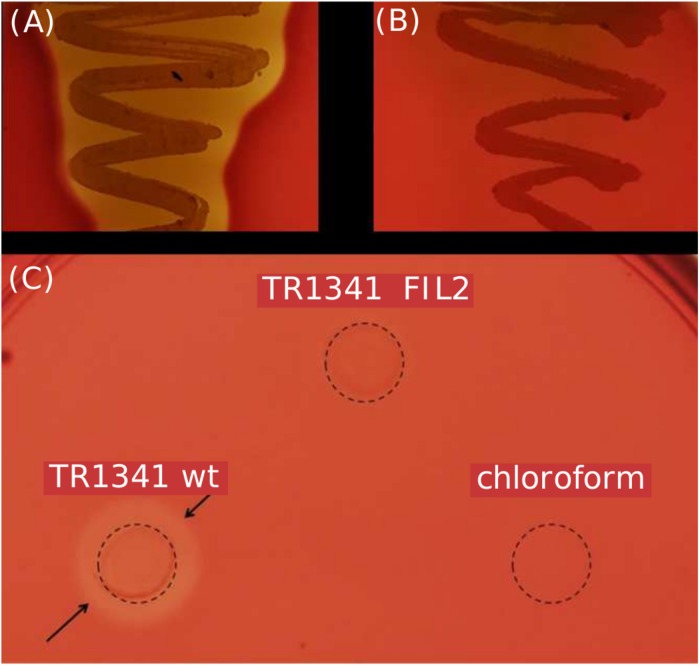
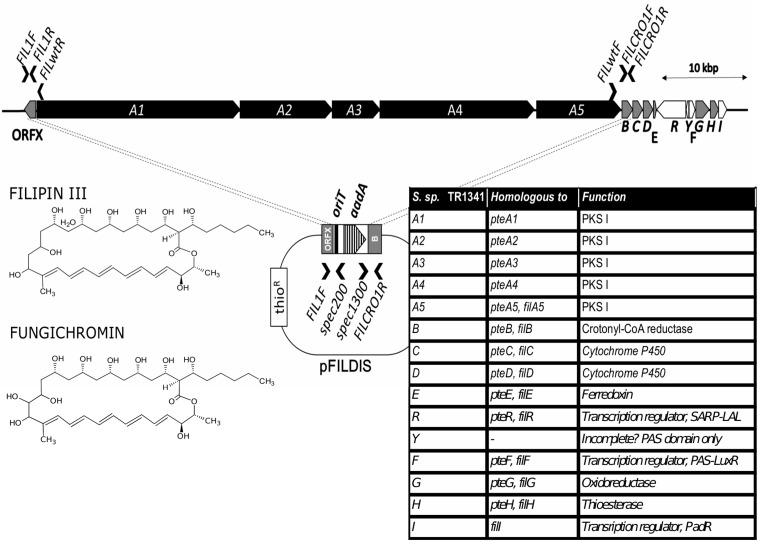
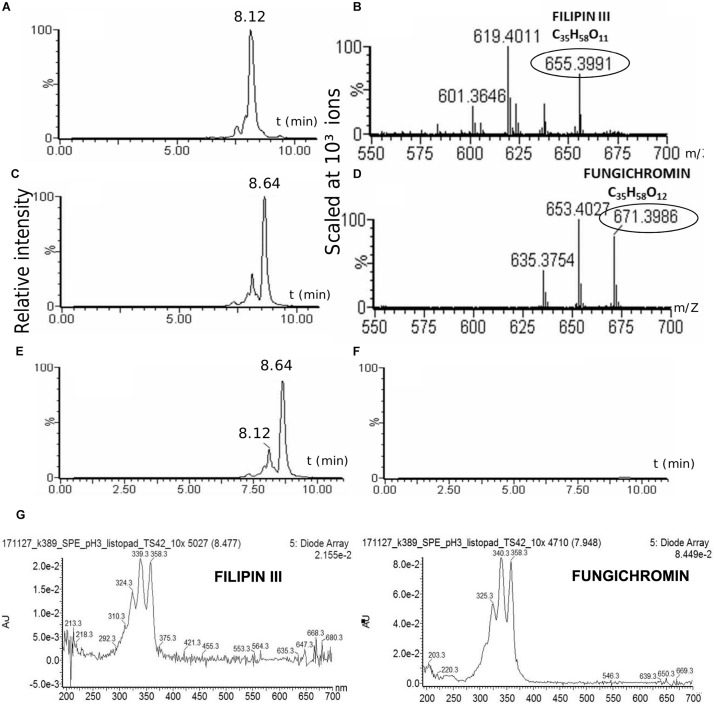
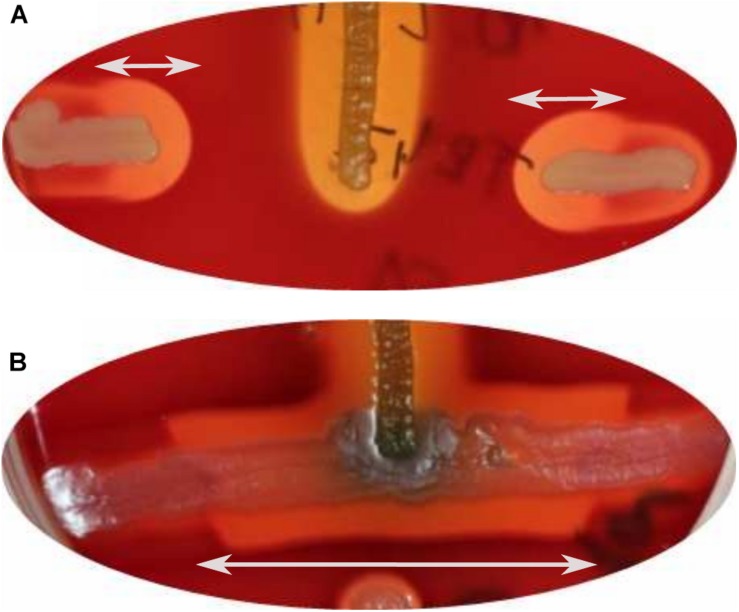
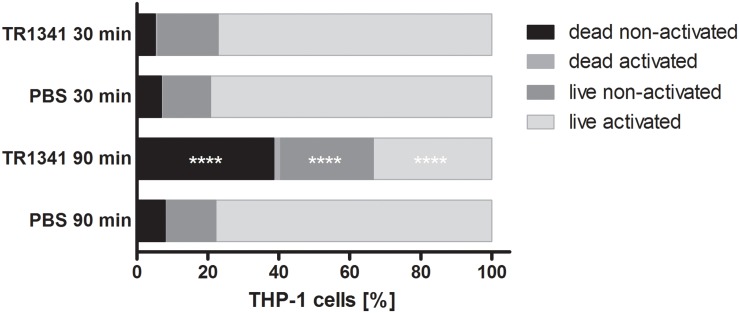
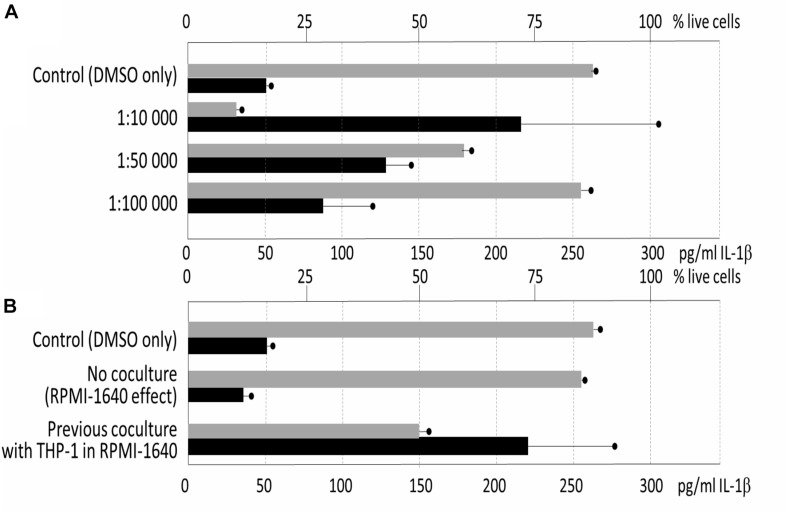
Streptomycetes, typical soil dwellers, can be detected as common colonizers of human bodies, especially the skin, the respiratory tract, the guts and the genital tract using molecular techniques. However, their clinical manifestations and isolations are rare. Recently they were discussed as possible "coaches" of the human immune system in connection with certain immune disorders and cancer. This work aimed for the characterization and evaluation of genetic adaptations of a human-associated strain sp. TR1341. The strain was isolated from sputum of a senior male patient with a history of lung and kidney TB, recurrent respiratory infections and COPD. It manifested remarkably broad biological activities (antibacterial, antifungal, beta-hemolytic, etc.). We found that, by producing specific secondary metabolites, it is able to modulate host immune responses and the niche itself, which increase its chances for long-term survival in the human tissue. The work shows possible adaptations or predispositions of formerly soil microorganism to survive in human tissue successfully. The strain produces two structural groups of cytotoxic compounds: 28-carbon cytolytic polyenes of the filipin type and actinomycin X2. Additionally, we summarize and present data about streptomycete-related human infections known so far.
链霉菌是典型的土壤微生物,利用分子技术可检测到它们是人体常见的定植菌,尤其是在皮肤、呼吸道、肠道和生殖道。然而,它们的临床表现和分离情况很少见。最近,人们讨论了它们可能作为人类免疫系统的“教练”与某些免疫紊乱和癌症有关。这项工作旨在对一株与人类相关的菌株sp. TR1341的遗传适应性进行表征和评估。该菌株是从一名有肺结核、复发性呼吸道感染和慢性阻塞性肺疾病病史的老年男性患者的痰液中分离出来的。它表现出显著广泛的生物活性(抗菌、抗真菌、β溶血等)。我们发现,通过产生特定的次生代谢产物,它能够调节宿主免疫反应和生态位本身,这增加了它在人体组织中长期存活的机会。这项工作展示了以前的土壤微生物为成功在人体组织中存活而可能发生的适应性或易感性。该菌株产生两类细胞毒性化合物:菲律宾菌素型的28碳溶细胞多烯和放线菌素X2。此外,我们总结并展示了目前已知的与链霉菌相关的人类感染的数据。