Reddy Dhanasekhar, Ghosh Preetam, Kumavath Ranjith
Department of Genomic Science, School of Biological Sciences, Central University of Kerala, Kasaragod, India.
Department of Computer Science, Virginia Commonwealth University, Richmond, VA, United States.
Front Oncol. 2020 Jan 17;9:1469. doi: 10.3389/fonc.2019.01469. eCollection 2019.
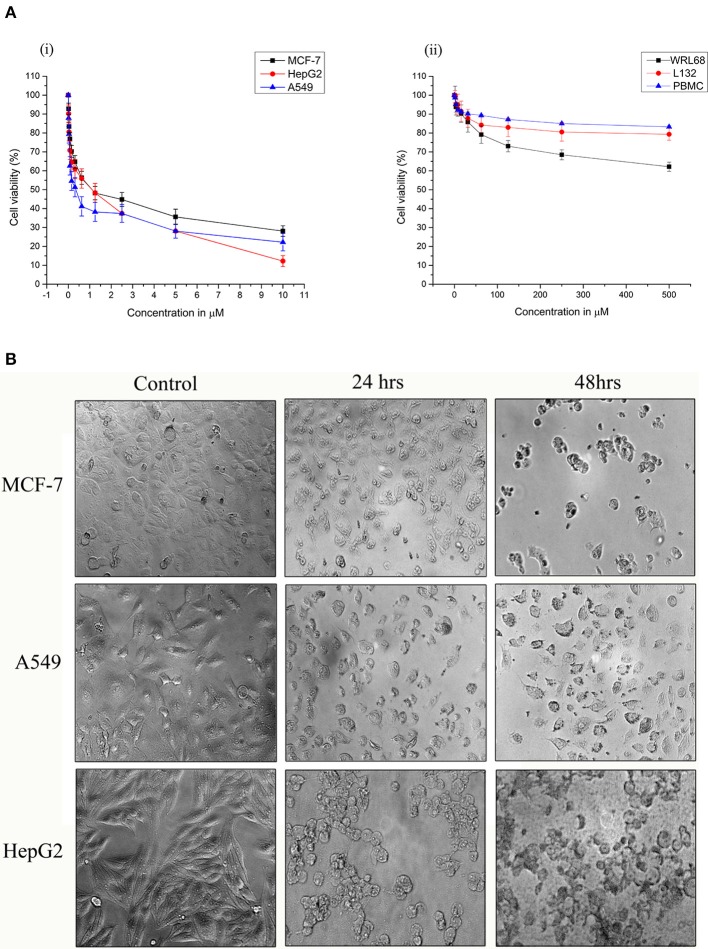
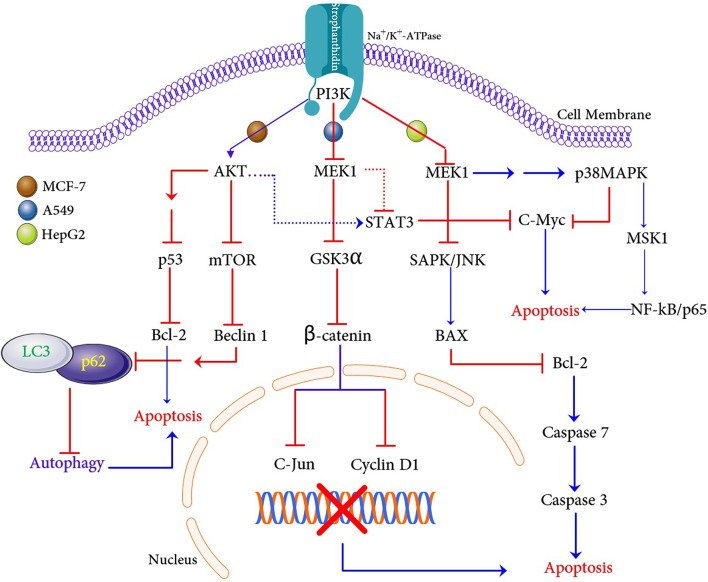
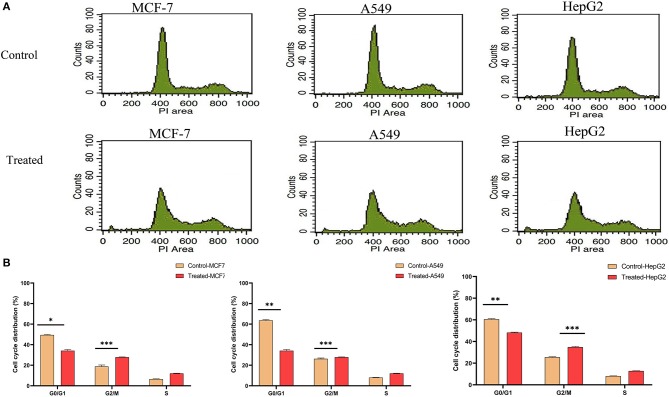
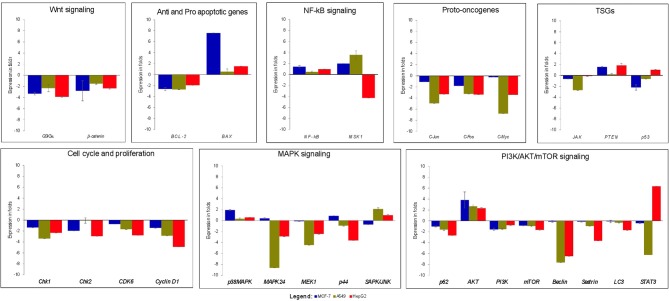
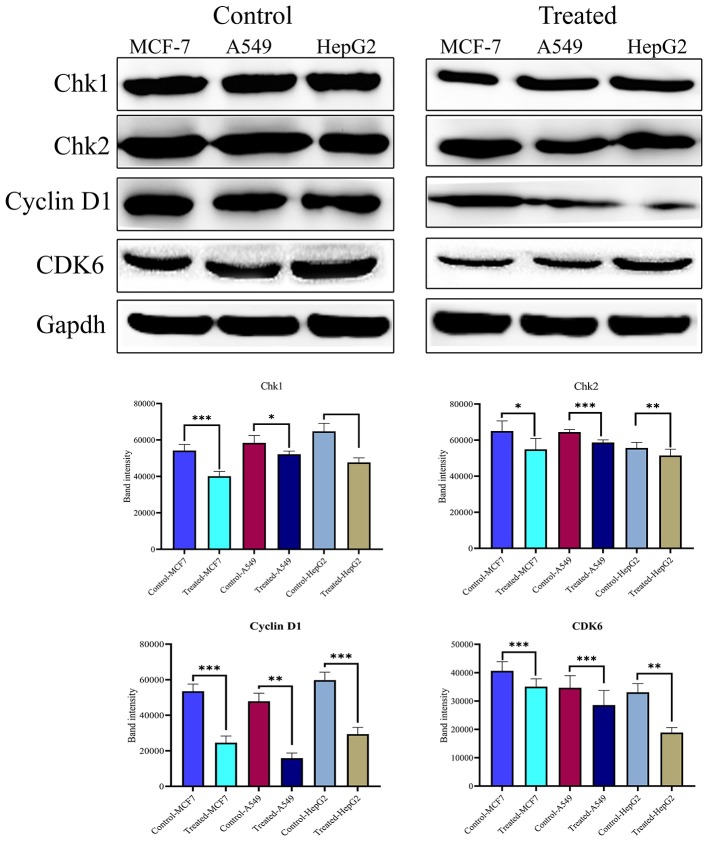
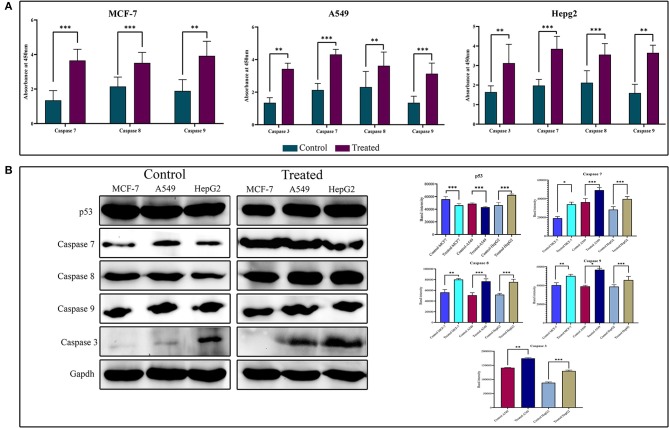
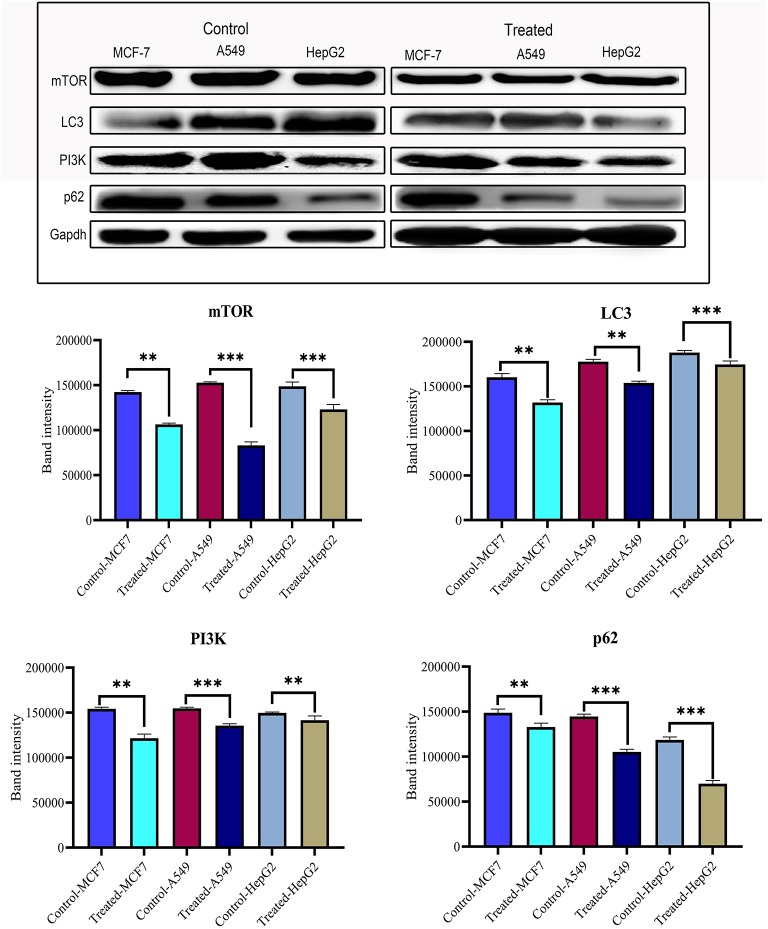
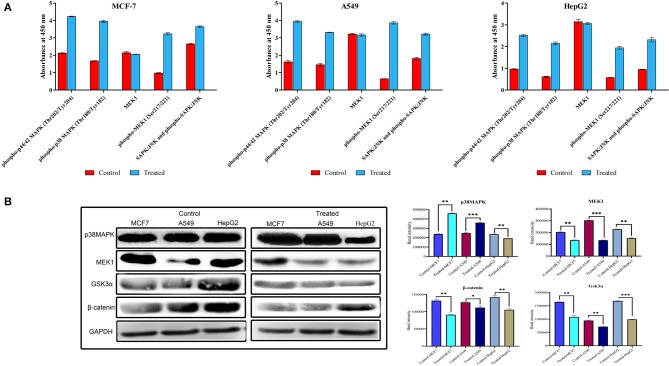
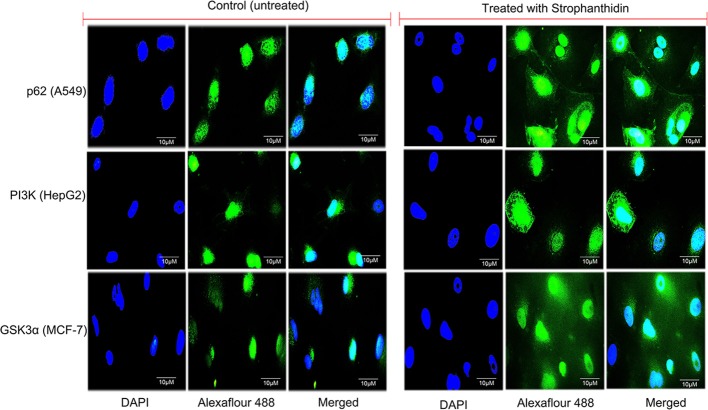
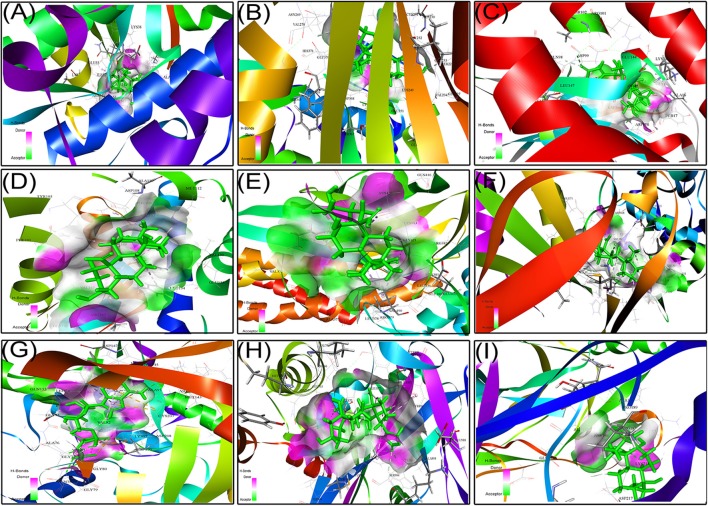
Lung cancer is the most prevalent in cancer-related deaths, while breast carcinoma is the second most dominant cancer in women, accounting for the most number of deaths worldwide. Cancers are heterogeneous diseases that consist of several subtypes based on the presence or absence of hormone receptors and human epidermal growth factor receptor 2. Several drugs have been developed targeting cancer biomarkers; nonetheless, their efficiency are not adequate due to the high reemergence rate of cancers and fundamental or acquired resistance toward such drugs, which leads to partial therapeutic possibilities. Recent studies on cardiac glycosides (CGs) positioned them as potent cytotoxic agents that target multiple pathways to initiate apoptosis and autophagic cell death in many cancers. In the present study, our aim is to identify the anticancer activity of a naturally available CG (strophanthidin) in human breast (MCF-7), lung (A549), and liver cancer (HepG2) cells. Our results demonstrate a dose-dependent cytotoxic effect of strophanthidin in MCF-7, A549, and HepG2 cells, which was further supported by DNA damage on drug treatment. Strophanthidin arrested the cell cycle at the G2/M phase; this effect was further validated by checking the inhibited expressions of checkpoint and cyclin-dependent kinases in strophanthidin-induced cells. Moreover, strophanthidin inhibited the expression of several key proteins such as MEK1, PI3K, AKT, mTOR, Gsk3α, and β-catenin from MAPK, PI3K/AKT/mTOR, and Wnt/β-catenin signaling. The current study adequately exhibits the role of strophanthidin in modulating the expression of various key proteins involved in cell cycle arrest, apoptosis, and autophagic cell death. Our studies revealed that strophanthidin can interact with several key proteins from various pathways. Taken together, this study demonstrates the viability of strophanthidin as a promising anticancer agent, which may serve as a new anticancer drug.
肺癌是癌症相关死亡中最常见的,而乳腺癌是女性中第二大主要癌症,在全球范围内导致的死亡人数最多。癌症是异质性疾病,根据激素受体和人表皮生长因子受体2的有无可分为几种亚型。已经开发了几种针对癌症生物标志物的药物;然而,由于癌症的高复发率以及对这些药物的原发性或获得性耐药性,它们的疗效并不理想,这导致了部分治疗的可能性。最近关于强心苷(CGs)的研究表明它们是有效的细胞毒性剂,可靶向多种途径引发许多癌症中的细胞凋亡和自噬性细胞死亡。在本研究中,我们的目的是确定一种天然存在的CG(毒毛旋花子苷元)在人乳腺癌(MCF-7)、肺癌(A549)和肝癌(HepG2)细胞中的抗癌活性。我们的结果表明毒毛旋花子苷元在MCF-7、A549和HepG2细胞中具有剂量依赖性的细胞毒性作用,药物处理后的DNA损伤进一步支持了这一结果。毒毛旋花子苷元使细胞周期停滞在G2/M期;通过检测毒毛旋花子苷元诱导细胞中检查点和细胞周期蛋白依赖性激酶的表达受抑制,进一步验证了这一作用。此外,毒毛旋花子苷元抑制了来自MAPK、PI3K/AKT/mTOR和Wnt/β-连环蛋白信号通路的几种关键蛋白的表达,如MEK1、PI3K、AKT、mTOR、Gsk3α和β-连环蛋白。当前研究充分展示了毒毛旋花子苷元在调节参与细胞周期停滞、细胞凋亡和自噬性细胞死亡的各种关键蛋白表达中的作用。我们的研究表明毒毛旋花子苷元可以与来自各种途径的几种关键蛋白相互作用。综上所述,本研究证明了毒毛旋花子苷元作为一种有前景的抗癌剂的可行性,它可能成为一种新型抗癌药物。