Kong Fanyun, Kong Delong, Yang Xiaoying, Yuan Dongchen, Zhang Ning, Hua Xuan, You Hongjuan, Zheng Kuiyang, Tang Renxian
Jiangsu Key Laboratory of Immunity and Metabolism, Department of Pathogenic Biology and Immunology, Xuzhou Medical University, Xuzhou, Jiangsu, P. R. China.
National Demonstration Center for Experimental Basic Medical Sciences Education, Xuzhou Medical University, Xuzhou, Jiangsu, P. R. China.
Cancer Med. 2020 Apr;9(7):2462-2479. doi: 10.1002/cam4.2903. Epub 2020 Feb 4.
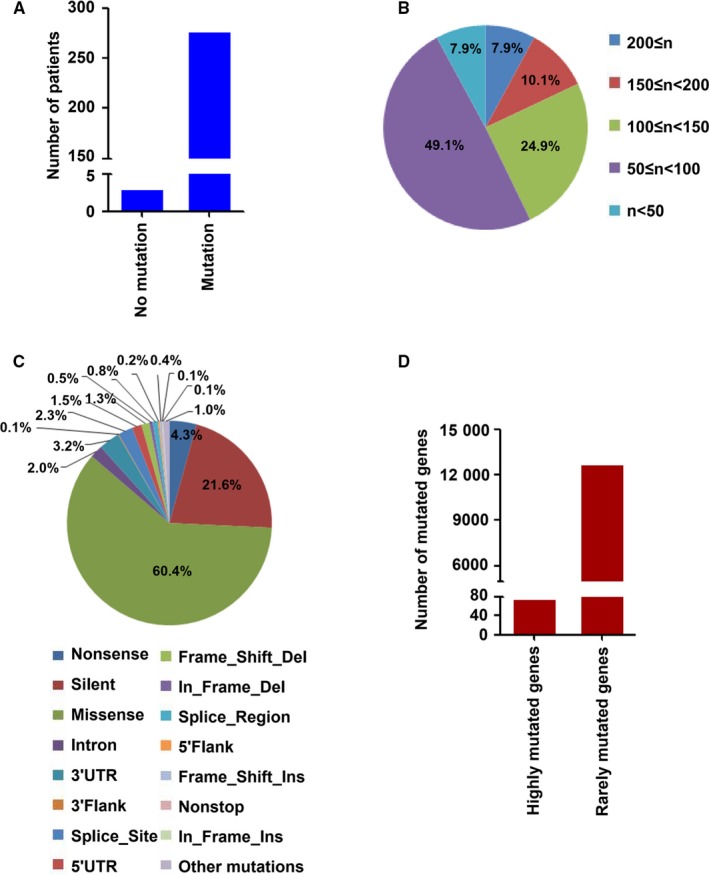
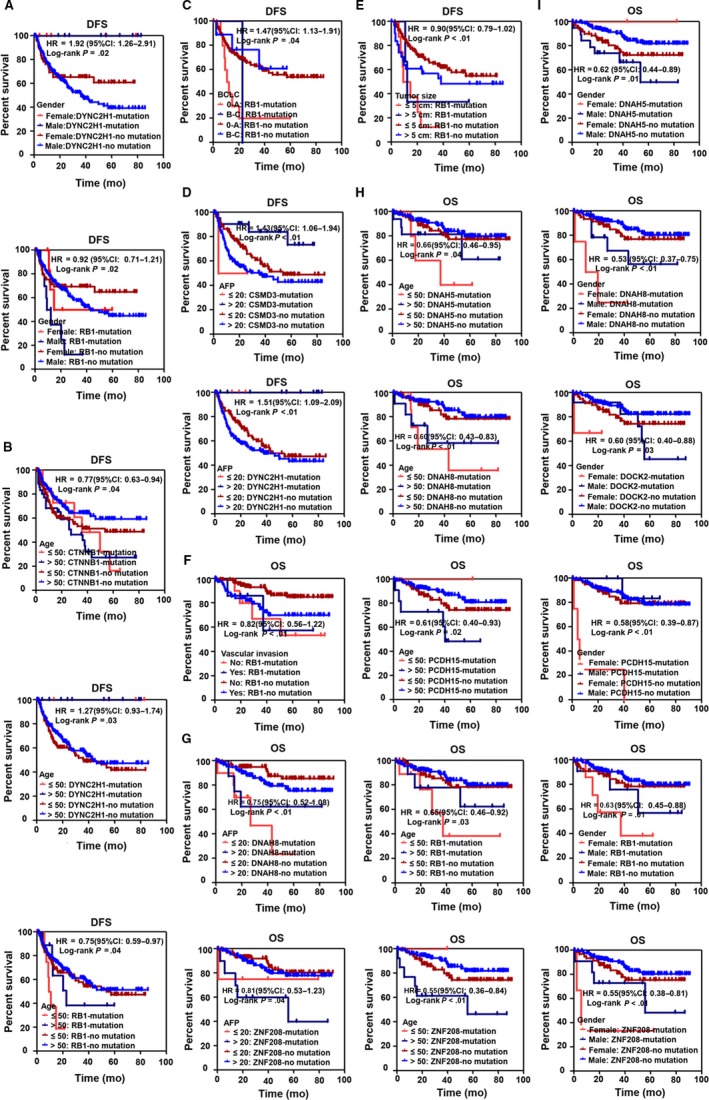
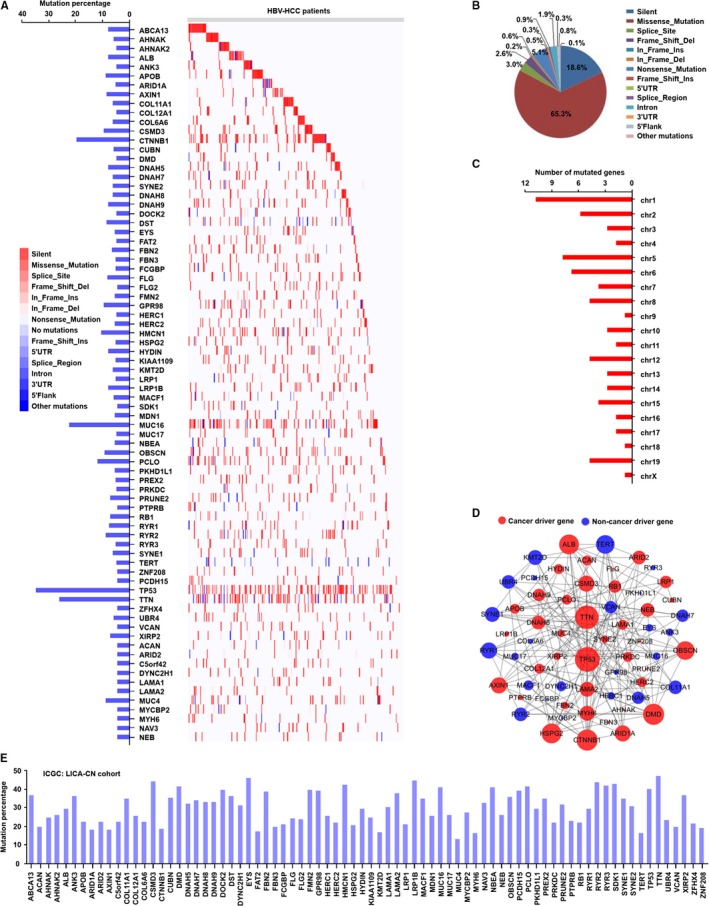
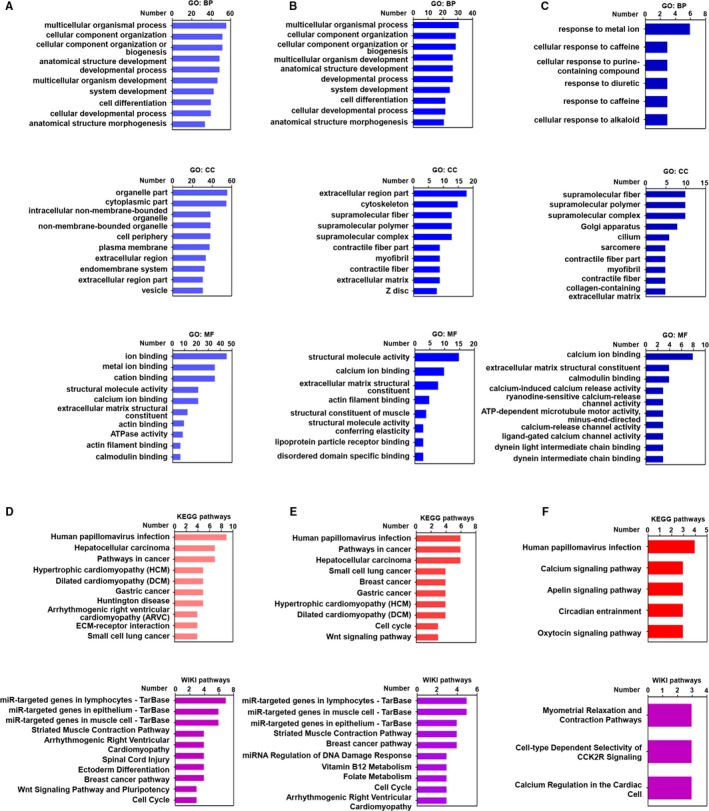
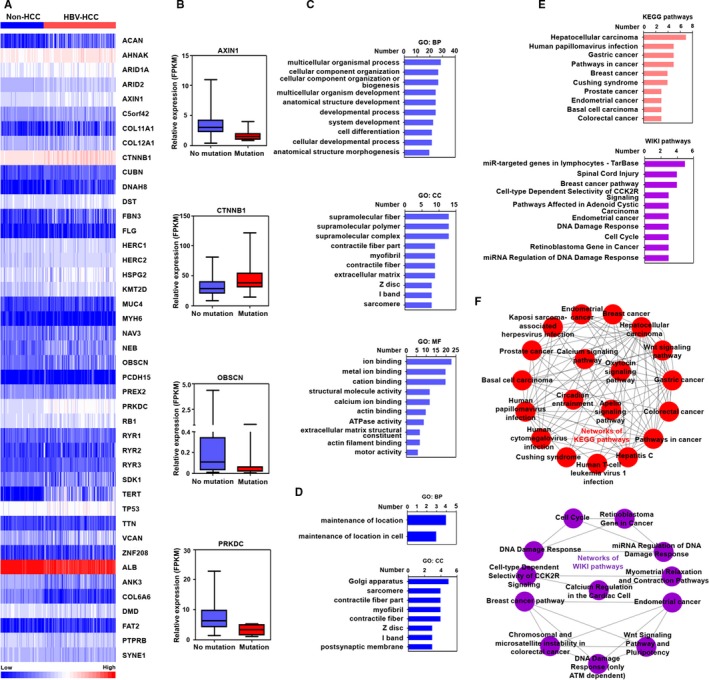
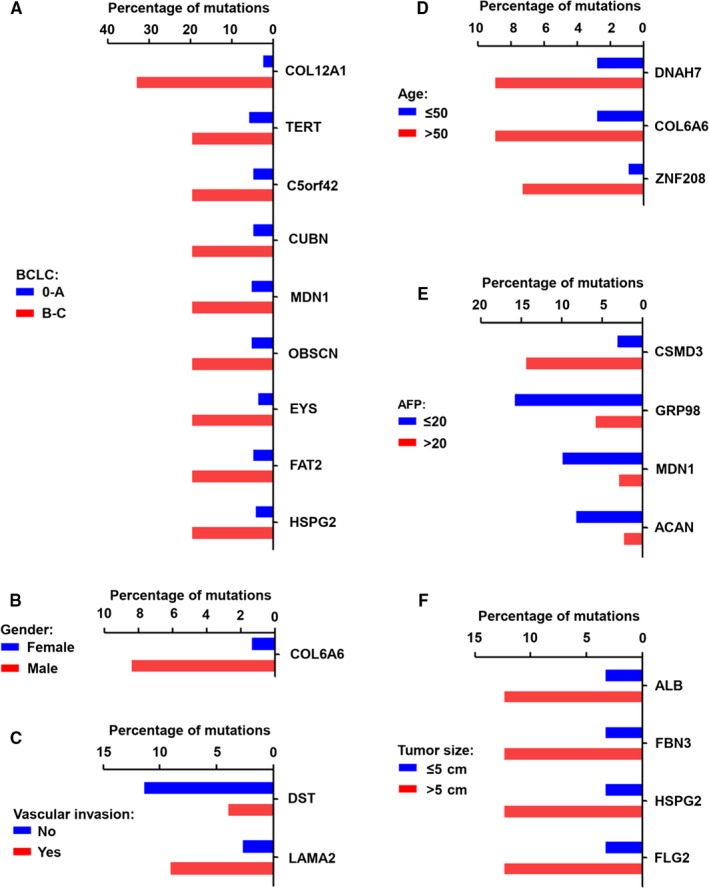
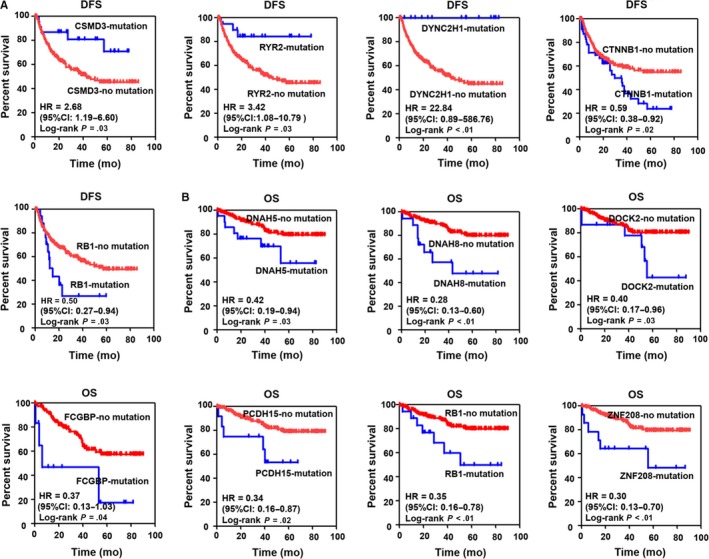
Gene mutation is responsible for the development of hepatocellular carcinoma (HCC) with hepatitis B virus (HBV) infection; however, the characteristics and associated biological functions of highly mutated genes, in which the mutation frequencies are at least 5% in HCC patients with HBV infection, are not clearly evaluated. In the study, we analyzed the information regarding somatic mutation obtained by whole-exome sequencing in 280 HBV-related HCC tissues from public databases and published studies. Via integrative analysis, 78 genes, including TP53, TTN, MUC16, CTNNB1, and PCLO were summarized as highly mutated genes, and some of these mutated genes were further identified as cancer driver genes. Besides, we discovered that the highly mutated genes were enriched with various biological functions and pathways. The expression of many of highly mutated genes was found to be significantly altered in HBV-related HCC, and several highly mutated genes were related to a variety of clinical factors and associated with the poor survival of the disease. Taken together, these results could enrich our understanding of highly mutated genes and their relationships with HBV-related HCC. Some of the identified highly mutated genes might be used as novel biomarkers of disease prognosis, or as molecular targets for the treatment of HCC with HBV infection.
基因突变是导致乙型肝炎病毒(HBV)感染相关肝细胞癌(HCC)发生的原因;然而,在HBV感染的HCC患者中,突变频率至少为5%的高突变基因的特征及相关生物学功能尚未得到明确评估。在本研究中,我们分析了来自公共数据库和已发表研究的280例HBV相关HCC组织全外显子测序获得的体细胞突变信息。通过综合分析,包括TP53、TTN、MUC16、CTNNB1和PCLO在内的78个基因被总结为高突变基因,其中一些突变基因进一步被鉴定为癌症驱动基因。此外,我们发现高突变基因富集了多种生物学功能和信号通路。许多高突变基因的表达在HBV相关HCC中显著改变,并且几个高突变基因与多种临床因素相关,且与疾病的不良预后有关。综上所述,这些结果可以丰富我们对高突变基因及其与HBV相关HCC关系的理解。一些已鉴定的高突变基因可能用作疾病预后的新型生物标志物,或作为HBV感染相关HCC治疗的分子靶点。