Department of Experimental and Clinical Medicine, University Magna Graecia of Catanzaro, 88100 Catanzaro, Italy.
Interdepartmental Service Center, University "Magna Graecia" of Catanzaro Medical School, 88100 Catanzaro, Italy.
Int J Mol Sci. 2020 Jan 30;21(3):885. doi: 10.3390/ijms21030885.
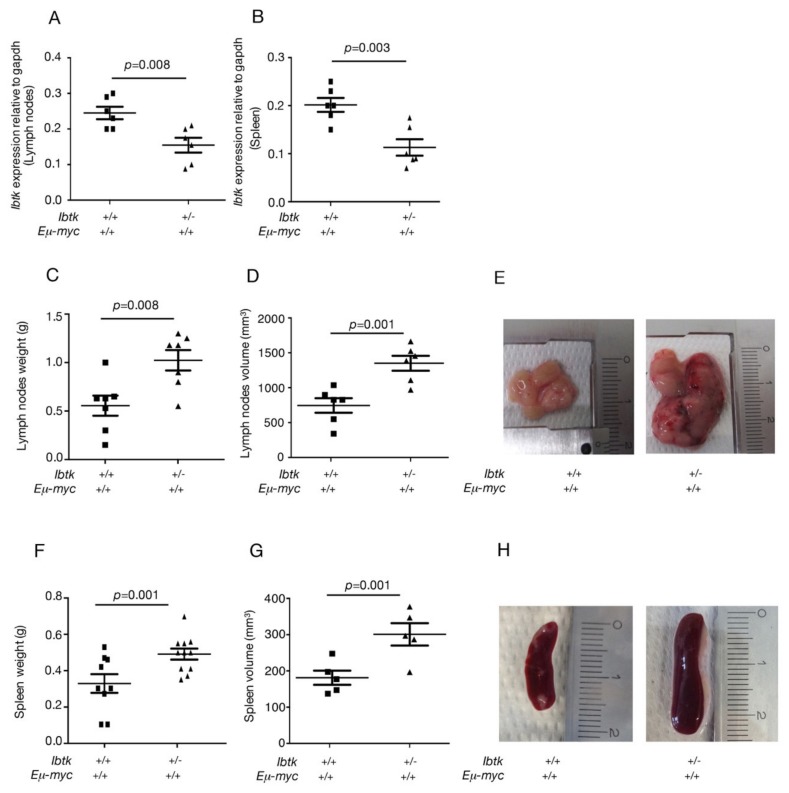
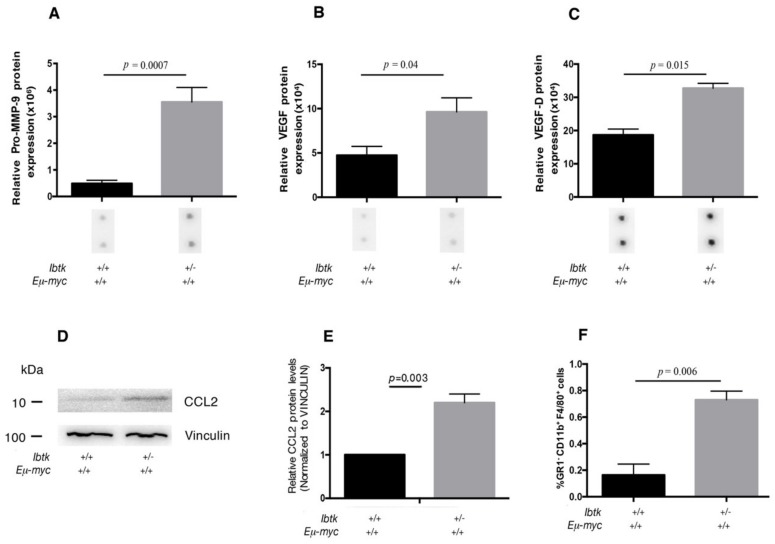
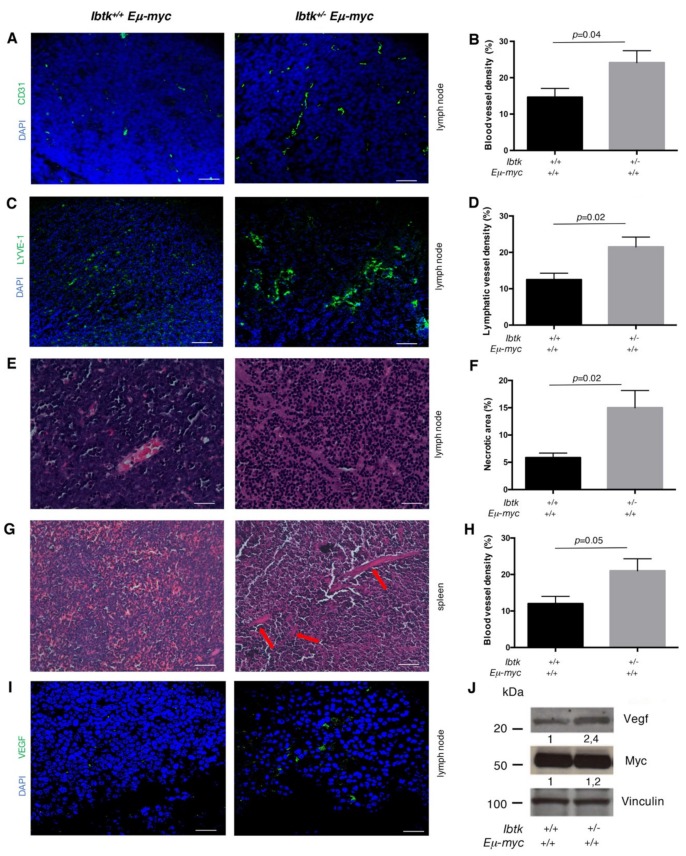
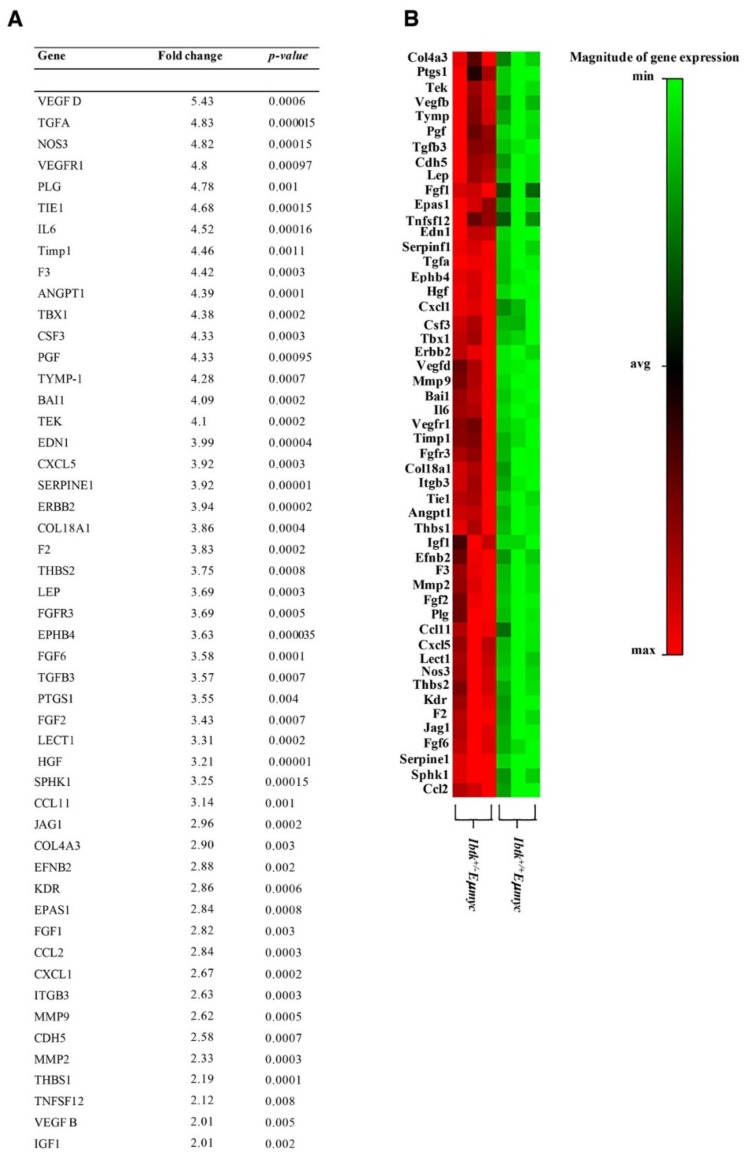
The tumor microenvironment is a dynamic and interactive supporting network of various components, including blood vessels, cytokines, chemokines, and immune cells, which sustain the tumor cell's survival and growth. Murine models of lymphoma are useful to study tumor biology, the microenvironment, and mechanisms of response to therapy. Lymphomas are heterogeneous hematologic malignancies, and the complex microenvironment from which they arise and their multifaceted genetic basis represents a challenge for the generation and use of an appropriate murine model. So, it is important to choose the correct methodology. Recently, we supported the first evidence on the pro-oncogenic action of IBTK in Myc-driven B cell lymphomagenesis in mice, inhibiting apoptosis in the pre-cancerous stage. We used the transgenic mouse model of non-Hodgkin's lymphoma and hemizygous mice to evaluate the tumor development of Myc-driven lymphoma. Here, we report that the allelic loss of alters the immunophenotype of Myc-driven B cell lymphomas, increasing the rate of pre-B cells and affecting the tumor microenvironment in mice. In particular, we observed enhanced tumor angiogenesis, increasing pro-angiogenic and lymphangiogenic factors, such as VEGF, MMP-9, CCL2, and VEGFD, and a significant recruitment of tumor-associated macrophages in lymphomas of compared to mice. In summary, these results indicate that haploinsufficiency promotes Myc tumor development by modifying the tumor microenvironment.
肿瘤微环境是一个动态的、相互作用的各种成分的支持网络,包括血管、细胞因子、趋化因子和免疫细胞,它们维持着肿瘤细胞的存活和生长。淋巴瘤的小鼠模型可用于研究肿瘤生物学、微环境以及对治疗的反应机制。淋巴瘤是异质性血液恶性肿瘤,其复杂的微环境及其多方面的遗传基础为生成和使用适当的小鼠模型带来了挑战。因此,选择正确的方法非常重要。最近,我们支持了 IBTK 在 Myc 驱动的 B 细胞淋巴瘤发生中的致癌作用的第一个证据,抑制了癌前阶段的细胞凋亡。我们使用非霍奇金淋巴瘤的转基因小鼠模型和半合子小鼠来评估 Myc 驱动的淋巴瘤的肿瘤发展。在这里,我们报告称, 等位基因缺失改变了 Myc 驱动的 B 细胞淋巴瘤的免疫表型,增加了前 B 细胞的比率,并影响了 小鼠的肿瘤微环境。具体而言,我们观察到肿瘤血管生成增强,促血管生成和淋巴管生成因子(如 VEGF、MMP-9、CCL2 和 VEGFD)增加,以及肿瘤相关巨噬细胞在 小鼠的淋巴瘤中的募集显著增加。总之,这些结果表明, 杂合不足通过改变肿瘤微环境促进 Myc 肿瘤的发展。